Description
Hokusai Drawings: A Gateway to Japanese Artistic Mastery
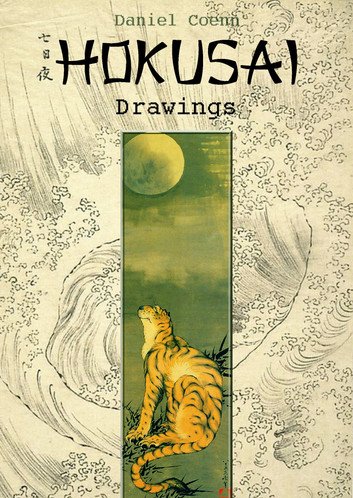
“Hokusai Drawings” by Daniel Coenn opens a window into Japanese art history. This e-book belongs to the acclaimed My Pocket Gallery series. Furthermore, it showcases the remarkable work of Katsushika Hokusai. The collection presents drawings from one of Japan’s most celebrated artists. Moreover, readers gain intimate access to Hokusai’s creative process through these carefully curated works.
Katsushika Hokusai lived from 1760 to 1849. He became a master of the ukiyo-e tradition. Additionally, his influence extended far beyond Japan’s borders. The artist created thousands of works during his long career. Therefore, this collection represents a significant achievement in art curation.
The Master Behind the Hokusai Drawings
Hokusai transformed Japanese art through innovation and dedication. He began his artistic training at age six. Furthermore, he continued creating until his death at eighty-nine. The artist adopted over thirty different names throughout his lifetime. This practice reflected his evolving artistic identity.
His most famous work remains “The Great Wave off Kanagawa.” This iconic image appears in the Thirty-Six Views of Mount Fuji series. Moreover, it has become one of the world’s most recognizable artworks. However, Hokusai’s genius extended far beyond this single masterpiece. His drawings reveal the depth of his observational skills.
What This Collection Contains
Daniel Coenn has assembled a comprehensive selection for this volume. The book features drawings spanning Hokusai’s entire career. Additionally, it includes works from various periods and styles. Readers discover landscape studies, figure drawings, and nature sketches. Furthermore, the collection presents manga sketches that influenced modern comics.
The e-book format makes these treasures accessible to everyone. Consequently, art enthusiasts can explore Hokusai’s work on any device. The digital presentation maintains the drawings’ clarity and detail. Moreover, readers can zoom in to examine brushwork and technique closely.
Understanding Ukiyo-e and Hokusai’s Drawing Techniques
Ukiyo-e translates to “pictures of the floating world.” This art form flourished during Japan’s Edo period. Furthermore, it captured everyday life, nature, and entertainment. Artists created designs for woodblock prints through careful planning. Therefore, preliminary drawings became essential to the process.
Hokusai mastered the balance between spontaneity and precision. His drawings demonstrate remarkable control of line and form. Additionally, he employed various brush techniques to achieve different effects. The artist used bold strokes for dramatic emphasis. Meanwhile, delicate lines captured subtle details in nature and human expression.
The Rich Subject Matter in Hokusai Drawings
“Hokusai Drawings” reveals the artist’s diverse interests and observations. Mount Fuji appears repeatedly throughout the collection. This sacred mountain captivated Hokusai throughout his life. Furthermore, he depicted it from countless angles and perspectives. Each rendering offers a unique interpretation of Japan’s most iconic peak.
The drawings also capture everyday life in Edo-period Japan. Hokusai sketched farmers, merchants, and artisans at work. Moreover, he documented festivals, ceremonies, and domestic scenes. Nature studies form another significant portion of the collection. Additionally, the artist drew birds, flowers, and landscapes with scientific precision.
His manga sketches demonstrate extraordinary versatility and imagination. These works include:
- Figures in dynamic poses and movements
- Animals both real and mythological
- Architectural studies and perspective exercises
- Humorous scenes and caricatures
- Technical demonstrations of drawing methods
- Studies of hands, faces, and body parts
Hokusai’s Influence on Western Art and Impressionism
Japanese art profoundly impacted European artists in the nineteenth century. This phenomenon became known as Japonisme. Furthermore, Hokusai’s prints reached Europe through trade routes. Western artists discovered new approaches to composition and color. Therefore, Impressionists and Post-Impressionists studied his techniques eagerly.
Claude Monet collected Japanese prints, including Hokusai’s works. Vincent van Gogh copied and reinterpreted ukiyo-e designs. Moreover, Edgar Degas adopted unconventional viewpoints inspired by Japanese art. The flattened perspective and bold outlines influenced modern art movements. Consequently, Hokusai’s legacy extends throughout contemporary visual culture.
The My Pocket Gallery Series and Daniel Coenn’s Vision
The My Pocket Gallery series democratizes access to great art. These e-books bring museum-quality collections to digital readers. Furthermore, the series covers diverse artists and periods. Each volume maintains high standards of reproduction and presentation. Additionally, the affordable format removes barriers to art appreciation.
Daniel Coenn serves as curator and author for this volume. He brings expertise in Japanese art history to the project. Moreover, Coenn’s selections highlight Hokusai’s range and innovation. His commentary provides context without overwhelming the visual experience. Therefore, readers gain both aesthetic pleasure and educational value.
Who Should Explore This Collection
“Hokusai Drawings” appeals to multiple audiences with varied interests. Art students discover technical lessons in composition and line work. Furthermore, professional artists find inspiration in Hokusai’s mastery. History enthusiasts gain insights into Edo-period Japanese culture. Additionally, casual readers simply enjoy beautiful and engaging imagery.
The collection suits both newcomers and experienced art lovers. Beginners receive an accessible introduction to Japanese art. Meanwhile, connoisseurs appreciate the careful curation and quality. Teachers can use the e-book as an educational resource. Moreover, designers and illustrators study Hokusai’s problem-solving approaches.
The Value and Significance of This Collection
This compilation preserves important cultural heritage in digital form. Many original Hokusai drawings exist in scattered collections worldwide. Furthermore, some works remain fragile and rarely displayed publicly. Digital preservation ensures these treasures survive for future generations. Consequently, this e-book serves both present enjoyment and historical documentation.
The drawings reveal Hokusai’s working methods and creative thinking. Viewers see how he developed ideas for finished prints. Additionally, the sketches display spontaneity absent from formal works. This intimacy creates a direct connection with the artist’s mind. Therefore, the collection offers unique insights into artistic genius.
The affordable price point makes quality art accessible globally. Traditional art books often cost substantial amounts. However, this e-book removes financial barriers to appreciation. Moreover, the digital format allows unlimited viewing without museum visits.
Conclusion: A Timeless Artistic Journey
“Hokusai Drawings” represents an essential addition to any digital art library. Daniel Coenn has created a valuable resource for understanding Japanese art. Furthermore, the My Pocket Gallery series continues its mission of accessibility. This collection demonstrates why Hokusai remains relevant centuries after his death.
The drawings showcase technical brilliance combined with profound observation. Hokusai captured the essence of his subjects with economy and grace. Moreover, his influence continues shaping contemporary visual culture worldwide. Therefore, exploring this collection enriches understanding of both Eastern and Western art traditions.
Readers embark on a journey through one artist’s extraordinary vision. The e-book format provides convenience without sacrificing quality or depth. Additionally, the collection invites repeated viewing and continued discovery. Each examination reveals new details and insights into Hokusai’s genius.
This volume stands as both tribute and invitation. It honors Hokusai’s legacy while welcoming new audiences to his work. Consequently, “Hokusai Drawings” fulfills its purpose as pocket gallery and educational resource. The collection proves that great art transcends time, culture, and medium.






Reviews
There are no reviews yet.