

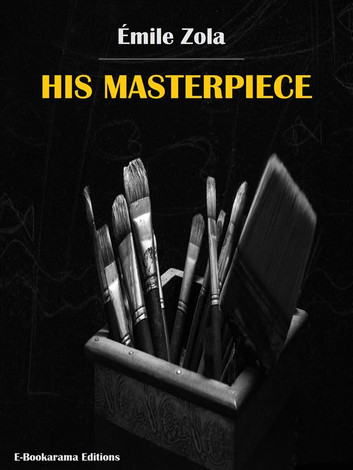
Description
His Masterpiece by Émile Zola: A Powerful Artistic Ambition Novel
Discover Émile Zola’s haunting exploration of creative obsession in 19th-century Paris.
Émile Zola’s His Masterpiece is a definitive novel of artistic ambition. It honestly depicts the torment of creative genius. Published in 1886, it follows Claude Lantier, a painter consumed by perfection. The story shows how ambition can both inspire and destroy. Zola draws on his friendship with Paul Cézanne for authenticity, giving readers an insider’s view of Paris’s art world.
Claude Lantier dreams of creating a painting that will revolutionize art, but his vision exceeds his ability to execute it. He struggles against artistic conventions and academic standards. Poverty and self-doubt plague his bohemian existence in Paris. Yet, Claude refuses to compromise his vision for commercial success.
The novel precisely explores the line between genius and madness. Zola shows how obsession can consume an artist’s life and relationships. He examines the cost of pursuing perfection in an imperfect world. Claude’s journey is a warning about unchecked ambition, revealing the beauty and tragedy of dedication.
The Revolutionary Painter: Claude Lantier’s Struggle
Claude Lantier is one of literature’s most complex artists. He has genuine talent and a revolutionary vision. Yet his perfectionism prevents him from being satisfied with his work. Each canvas is a battleground against his limitations. He constantly compares achievements to impossible standards.
The painter belongs to a group of avant-garde artists challenging Paris’s establishment. They reject the conservative Academic style favored by official salons and critics. Instead, they pursue a new realism that authentically captures modern life. Yet, the art world resists their innovations with hostility and mockery. Therefore, Claude and his friends face constant rejection and financial hardship.
Zola based Claude partly on his childhood friend, the painter Paul Cézanne. The two grew up together in Aix-en-Provence before pursuing careers in Paris, and Zola further drew inspiration from other Impressionist painters he knew personally. This autobiographical element gives the novel remarkable authenticity and emotional depth, making the story feel both intimate and historically significant.
Claude’s artistic philosophy centers on capturing truth rather than idealized beauty. Instead of painting fantasy, he wants to portray life as it actually exists. Art, in his view, should reflect contemporary society and modern experience. His masterpiece attempts to combine classical composition with radical new techniques. Achieving this ambitious synthesis proves nearly impossible for him.
The novel depicts Claude’s creative process with meticulous detail and understanding. Zola describes the physical labor of painting and the mental anguish involved. Furthermore, he shows how inspiration strikes unpredictably and often disappears frustratingly. Readers witness Claude’s ecstatic highs when work goes well for a time. Then, they experience his devastating lows when he perceives failure everywhere.
Claude’s relationship with his art becomes increasingly unhealthy and all-consuming. He neglects everything else in pursuit of his elusive perfect painting. Moreover, he grows paranoid about other artists and potential rivals constantly. His obsession transforms from passionate dedication into destructive madness gradually. Therefore, the novel questions whether true genius requires such a terrible sacrifice.
Love and Sacrifice: Christine’s Tragic Devotion
Christine enters Claude’s life as his model and eventually becomes his wife. She loves him deeply and supports his artistic dreams with unwavering loyalty. However, she gradually realizes she can never compete with his art. Moreover, Claude’s obsession leaves little room for genuine human connection or intimacy. Yet Christine remains devoted despite the constant emotional neglect she endures.
Claude and Christine’s relationship forms the novel’s emotional center. Zola portrays their love with tenderness and honesty about dysfunction. He shows how obsession damages those closest to the artist. Christine sacrifices her own happiness for Claude’s dreams. Their marriage is a slow tragedy of unfulfilled needs.
Christine initially inspires Claude’s work and frequently appears in his paintings. She takes pride in being his muse and contributing to his art. However, she eventually becomes jealous of the canvas that receives his attention. Moreover, she feels reduced to an object rather than a beloved partner. The paintings become her rival in a competition she cannot win.
The couple’s son complicates their domestic life. Claude struggles to balance fatherhood with art and resents distractions, including family. Christine cares for their child largely alone. The family dynamic reflects the conflict between art and life.
Zola explores how models for women artists were exploited in 19th-century Paris. Christine’s position highlights the power imbalance between male artists and female subjects. Moreover, the novel questions whether love can survive such fundamental inequality. Her devotion seems noble, but over time, it becomes tragically self-destructive. Consequently, readers sympathize with her impossible position and limited choices.
The deterioration of Claude and Christine’s relationship mirrors his artistic decline. As his work becomes more obsessive, their connection grows more distant. Furthermore, his inability to complete his masterpiece poisons the atmosphere in their home. Christine watches helplessly as the man she loves descends into madness. Yet, she cannot abandon him despite the emotional cost to herself.
The Paris Art World: Tradition Versus Innovation
Zola recreates the vibrant, contentious Paris art scene of the 1860s-1880s. The city is an epicenter of innovation and debate, hosting both Academic institutions and bohemian movements. Claude and his friends navigate this complex landscape, offering insight into a transformative period.
The Salon represents the establishment that Claude’s group seeks to overthrow. This annual exhibition determines artistic reputations and commercial success. Its conservative jury rejects innovation and favors Academic paintings over experimental work. Avant-garde artists are systematically excluded from recognition.
Claude’s circle includes writers, painters, and sculptors united by revolutionary ideals. They meet regularly to discuss art theory and support each other’s work. Furthermore, they dream of transforming French art through their collective efforts. Yet poverty and rejection constantly test their solidarity and commitment. Some compromise their principles for survival, while others remain stubbornly pure.
Zola portrays the clash between different artistic philosophies with nuance. He shows merit in both traditional craftsmanship and innovative experimentation simultaneously. Moreover, he questions whether revolution requires completely rejecting the past’s achievements. The novel suggests that true progress might require synthesis rather than destruction. Therefore, Claude’s attempt to combine old and new gains additional significance.
The art market’s commercial realities create constant pressure on struggling artists. Dealers and collectors wield enormous power over artists’ careers and livelihoods. Furthermore, success often depends on connections and politics rather than talent alone. Claude refuses to play these games, which significantly limits his opportunities. Consequently, his integrity contributes to both his nobility and his failure.
Avant-garde art receives initial confusion and hostility. Critics mock new styles as ugly. Audiences are used to polishing and find rough techniques offensive. Claude’s masterpiece gets harsh ridicule when exhibited, though the novel hints that history may vindicate him.
Themes of Genius, Madness, and Artistic Obsession
His Masterpiece explores whether genius and madness are inseparable companions. Claude possesses undeniable talent but also exhibits increasingly unstable behavior patterns. Moreover, his obsession with perfection crosses from dedication into pathological territory. Zola questions whether great art requires such psychological extremity and suffering. Therefore, the novel honestly examines the true cost of artistic greatness.
The unfinished masterpiece haunts the narrative. Claude has worked on it for years but never finishes. Each attempt reveals new flaws. The gap between vision and reality drives him toward madness.
Poverty shapes artists’ lives and significantly limits their creative possibilities. Claude and his friends constantly struggle to afford basic necessities like food. Moreover, they often cannot afford quality materials or proper studio spaces. Financial desperation forces some to abandon their artistic principles for commercial work. Yet Claude refuses to compromise, even when his family suffers as a result.
Key themes explored throughout the novel include:
- The conflict between artistic vision and technical execution
- The destructive nature of perfectionism and obsessive pursuit
- The tension between art and life, creation and human relationships
- The role of suffering in producing great artistic work
- The clash between individual genius and institutional authority
- The question of whether art justifies personal sacrifice
- The relationship between madness and creative brilliance
- The impact of poverty on artistic production and integrity
Zola examines how society treats artists who challenge established conventions and norms. Claude faces mockery, rejection, and financial hardship for his innovative approach. Furthermore, the establishment actively works to suppress artistic revolution and maintain control. The novel suggests that true innovation always encounters fierce resistance initially. Therefore, revolutionary artists must possess extraordinary courage and conviction to persevere.
The theme of artistic purity versus commercial compromise runs throughout the story. Claude’s friends make different choices about how much to adapt for success. Moreover, Zola presents these decisions without simple moral judgment or condemnation. He shows how poverty makes purity a luxury many cannot afford. Consequently, the novel complicates easy distinctions between integrity and selling out.
The Autobiographical Element: Zola and Cézanne
Zola’s friendship with Paul Cézanne provides the novel’s emotional foundation and authenticity. The two met as schoolboys in Aix-en-Provence and remained close for decades. Moreover, they both moved to Paris to pursue their respective artistic careers. Zola achieved literary success while Cézanne struggled for recognition as a painter. Therefore, their divergent paths created tension that profoundly influenced the novel.
Many critics believe Claude Lantier represents a fictionalized version of Cézanne himself. The character shares Cézanne’s artistic struggles, self-doubt, and revolutionary approach to painting. Furthermore, specific incidents in the novel allegedly mirror real events from their friendship. Cézanne reportedly felt betrayed by the unflattering portrait and ended their relationship. Consequently, the novel’s publication destroyed a friendship spanning nearly forty years.
However, Claude also contains elements of Zola himself and other artist friends. The character represents a composite of the various struggling artists Zola closely observed. Moreover, Claude’s obsessions reflect Zola’s own fears about creative inadequacy and failure. The novel explores the author’s anxieties about the lasting value of his literary work. Therefore, His Masterpiece functions as both a portrait and a self-examination simultaneously.
Zola’s intimate knowledge of the art world gives the novel remarkable credibility. He socialized with Impressionist painters and regularly attended their exhibitions and gatherings. Furthermore, he defended their work in critical essays before writing this novel. His descriptions of painting techniques and artistic debates ring absolutely authentic. Consequently, the book serves as valuable historical documentation of this period.
The novel’s publication timing coincided with Impressionism’s gradual acceptance by mainstream culture. Zola wrote it as the movement he championed began achieving recognition. Moreover, some of his painter friends were finally experiencing commercial success. The book’s pessimistic tone perhaps reflected his complicated feelings about these changes. Therefore, it captures a specific moment of transition in art history.
Literary Significance and Critical Reception
His Masterpiece belongs to Zola’s monumental Rougon-Macquart cycle of twenty novels. This series traces one family through multiple generations during France’s Second Empire. Moreover, each novel explores different aspects of French society with scientific precision. His Masterpiece specifically examines the artistic world and bohemian culture thoroughly. Therefore, it contributes an essential perspective to Zola’s comprehensive social portrait.
The novel exemplifies Zola’s naturalist literary philosophy and methodology perfectly. Naturalism applies scientific observation to literature, depicting life without romantic idealization. Furthermore, it emphasizes how environment and heredity determine human behavior and fate. Zola researched the art world extensively before writing with characteristic thoroughness. Consequently, the novel achieves documentary realism while maintaining compelling narrative drama.
Initial critical reception was mixed, with some praising its honesty and others condemning it. The art world particularly reacted with hostility to Zola’s unflattering portrayal. Moreover, Cézanne’s friends felt the author had betrayed their trust and friendship. However, later generations recognized the novel’s psychological depth and historical importance. Therefore, its reputation has grown considerably since its controversial 1886 publication.
Modern readers appreciate His Masterpiece for its exploration of creative psychology and process. The novel captures the artist’s internal experience with rare insight and empathy. Furthermore, it addresses timeless questions about art’s purpose and the artist’s role. Zola’s depiction of obsession and perfectionism remains powerfully relevant to contemporary creators. Consequently, the book continues to find new audiences across different artistic disciplines.
The novel significantly influenced subsequent literature about artists and the creative life. Many later writers drew inspiration from Zola’s unflinching examination of artistic struggle. Moreover, the book established templates for portraying the tortured genius archetype. Its themes echo through countless novels, films, and plays about creative obsession. Therefore, His Masterpiece shaped how we culturally understand and represent artists.
Why This Artistic Ambition Novel Remains Essential Reading
His Masterpiece offers profound insights into the creative mind and artistic process. Zola captures the ecstasy and agony of creation with unmatched psychological precision. Moreover, he shows how artistic ambition can inspire greatness but also destroy lives. The novel asks difficult questions about whether art justifies personal sacrifice. Therefore, it challenges readers to carefully examine their own values and priorities.
The book provides a vivid window into 19th-century Paris’s bohemian culture. Zola recreates the cafés, studios, and streets where artistic revolution fermented. Furthermore, he captures the excitement and desperation of the avant-garde movement authentically. Readers experience the period’s artistic debates and social dynamics through compelling characters. Consequently, the novel serves as both entertainment and historical education simultaneously.
Contemporary artists still recognize their own struggles in Claude Lantier’s tragic journey. The gap between vision and execution remains a universal creative challenge. Moreover, the tension between artistic integrity and commercial necessity persists across centuries. Zola’s exploration of these themes transcends its specific historical context completely. Therefore, the novel speaks directly to today’s creators facing similar dilemmas.
The relationship between Claude and Christine resonates with anyone balancing passion and relationships. Their story illustrates how obsession damages the people we love most. Furthermore, it questions whether any achievement justifies neglecting our human connections. Zola portrays this conflict with equal compassion for both characters’ perspectives. Consequently, readers find emotional truth that extends beyond the art world specifically.
Conclusion: A Masterpiece About the Pursuit of Perfection
Émile Zola’s His Masterpiece stands as a towering achievement in literary realism. The novel combines psychological depth with historical authenticity and compelling narrative drama. Moreover, it explores timeless themes about creativity, obsession, and the cost of genius. Zola’s intimate knowledge of the art world gives the story unmatched credibility. Therefore, it remains essential reading for understanding both art history and human nature.
Claude Lantier’s tragic journey warns against the dangers of unchecked perfectionism and obsession. His inability to accept anything less than impossible perfection ultimately destroys him. Furthermore, his story shows how artistic ambition can become a prison rather than a liberation. Yet, Zola also honors the courage required to pursue revolutionary visions. Consequently, the novel maintains complex sympathy for its flawed protagonist throughout.
The book’s exploration of the Paris art world captures a pivotal moment in cultural history. Zola documented the birth of modern art and the struggles of its pioneers. Moreover, he preserved the atmosphere and debates of this transformative period vividly. His novel helps us understand how artistic revolutions actually unfold in real time. Therefore, it provides invaluable context for appreciating Impressionism and subsequent movements.
His Masterpiece ultimately asks whether the pursuit of perfection is noble or destructive. Claude’s dedication inspires admiration, but his obsession provokes horror and pity. Furthermore, the novel suggests that true masterpieces might require accepting human limitations. Zola ultimately implies that life itself matters more than any artistic achievement. Consequently, readers finish the book questioning their own relationship with ambition.
This artistic ambition novel deserves recognition as one of Zola’s finest achievements. It combines his naturalist methodology with genuine emotional power and psychological insight. Moreover, it addresses universal questions about creativity that remain urgently relevant today. Whether you’re an artist, art lover, or simply appreciate great literature, this book offers profound rewards. Experience Émile Zola’s unforgettable portrait of genius, madness, and the eternal pursuit of perfection.


Reviews
There are no reviews yet.