

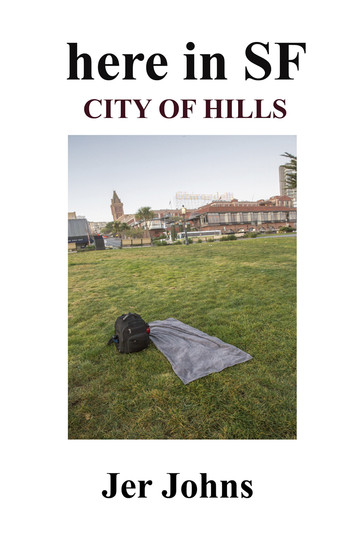
Description
Here in SF City of Hills: Complete Synopsis of Jer Johns’s Minimalist Journey SF
Introduction to a Minimalist Journey SF Experience
Jer Johns embarked on a remarkable minimalist journey in SF that redefined urban exploration. Published under ISBN 1230000521390, “Here in SF: City of Hills” chronicles an unconventional adventure. Moreover, Johns carried only four items: an iPhone without service, a laptop, a backpack, and clothes. Additionally, this stripped-down approach transformed his experience of San Francisco’s iconic landscape. Therefore, his minimalist travel philosophy challenges conventional tourism and modern connectivity.
This minimalist journey SF represents more than simple budget travel or backpacking. Johns deliberately disconnected from digital communication while maintaining creative tools. Furthermore, he explored San Francisco’s famous hills with fresh eyes and minimal possessions. Consequently, his narrative offers insights into simplicity, presence, and authentic urban discovery.
The Minimalist Philosophy Behind the Journey
John’s minimalist travel approach stems from intentional lifestyle choices. He questioned what items were truly essential for meaningful exploration. Moreover, he challenged society’s assumption that more possessions equal better experiences. Additionally, he tested whether disconnection could enhance rather than diminish travel. Therefore, his experiment became both a practical adventure and a philosophical inquiry.
The author stripped away everything except the bare essentials for his SF exploration. No phone service meant no GPS, no social media, and no instant communication. Furthermore, this limitation forced him to navigate using observation and human interaction. However, keeping his laptop enabled him to document his experiences and continue his creative work. Consequently, he balanced disconnection with purposeful connection to his craft.
Essential Items: The Minimalist Travel Kit
John’s entire possession list for this minimalist journey included only four categories:
- iPhone without cellular service – Used for photos, notes, and WiFi-dependent apps only
- Laptop – For writing, creative work, and occasional internet access
- Backpack – Single bag containing all belongings
- Clothes – Minimal wardrobe for various weather conditions
This radical simplification eliminated typical travel burdens and decision fatigue. Moreover, it freed Johns from managing, protecting, and organizing excessive belongings. Additionally, it forced creative problem-solving when conventional solutions weren’t available. Therefore, limitations became opportunities for innovation and authentic experience.
San Francisco’s Geography: A City Built on Hills
San Francisco’s famous hills provided the perfect landscape for minimalist exploration. The city features over 50 named hills, creating dramatic elevation changes. Moreover, these hills shape neighborhoods, views, and the city’s distinctive character. Additionally, navigating steep terrain on foot intensified the physical journey. Therefore, the city’s topography became central to Johns’s experience.
Walking San Francisco’s hills without GPS or ride-sharing apps required different navigation skills. Johns relied on landmarks, sun position, and asking locals for directions. Furthermore, he discovered hidden staircases, unexpected viewpoints, and neighborhood shortcuts. However, getting lost occasionally became part of the adventure rather than a source of frustration. Consequently, he experienced the city more intimately than most tourists do.
Disconnection from Technology: Living Without Phone Service
John’s decision to travel without phone service fundamentally altered his SF exploration. He couldn’t check maps instantly, call for help, or share experiences immediately. Moreover, he couldn’t use ride-sharing services, food delivery apps, or instant restaurant reviews. Additionally, he experienced genuine solitude even in crowded urban spaces. Therefore, disconnection created both challenges and unexpected freedoms.
Without constant connectivity, Johns developed a heightened awareness of his surroundings. He noticed architectural details, overheard conversations, and observed human behavior more carefully. Furthermore, he engaged strangers in conversation rather than consulting his phone. However, he could still use WiFi at cafes and libraries for essential communication. Consequently, he found balance between isolation and connection on his own terms.
Navigating SF Without GPS or Maps
Traditional navigation skills became essential during this minimalist journey through steep terrain. John memorized major streets, landmarks, and neighborhood boundaries through repeated exploration. Moreover, he asked locals for directions, receiving varied and sometimes contradictory advice. Additionally, he learned to read the city’s natural geography and architectural patterns. Therefore, navigation became an active skill rather than passive screen-following.
Getting lost occasionally led to John’s most memorable discoveries and encounters. Wrong turns revealed hidden gardens, unexpected murals, and charming neighborhood cafes. Furthermore, disorientation forced him to slow down and truly observe his surroundings. However, some wrong turns also meant exhausting climbs up steep hills. Consequently, mistakes became learning experiences that deepened his understanding of the city.
Encounters with San Francisco Residents
John’s minimalist approach and obvious tourist status sparked conversations with locals. His lack of phone service forced him to ask strangers for help regularly. Moreover, his genuine curiosity about neighborhoods encouraged residents to share stories. Additionally, his unhurried pace allowed spontaneous interactions that rushed tourists miss. Therefore, human connection became central to his SF exploration experience.
San Francisco residents responded to Johns’s authentic curiosity with surprising generosity. They recommended hidden spots, shared neighborhood history, and offered practical advice. Furthermore, some invited him to local events or continued conversations over coffee. However, he also encountered the city’s famous reserve and privacy culture. Consequently, he learned to read social cues and respect boundaries.
Exploring San Francisco’s Diverse Neighborhoods
John’s minimalist journey through SF took him through the city’s dramatically different districts. Each neighborhood revealed distinct character, architecture, and community culture. Moreover, walking between areas highlighted economic and social contrasts. Additionally, his slow pace allowed him to notice transitions between neighborhoods. Therefore, he experienced San Francisco as a collection of urban villages.
The Mission District offered vibrant murals, Latin American culture, and evolving gentrification dynamics. Moreover, Haight-Ashbury revealed layers of counterculture history and modern commercialization. Additionally, Chinatown presented dense urban energy and preserved cultural traditions. However, Pacific Heights showcased wealth, Victorian architecture, and stunning bay views. Consequently, each neighborhood contributed unique perspectives to his overall understanding.
The Physical Challenge of SF’s Steep Terrain
San Francisco’s hills provided constant physical challenge during this minimalist travel adventure. Some streets feature grades exceeding 30 percent, making climbs exhausting. Moreover, carrying even minimal possessions became taxing during repeated ascents. Additionally, descents stressed knees and required careful footing on steep sidewalks. Therefore, the journey tested John’s physical endurance and his minimalist philosophy.
The physical demands forced Johns to pace himself and choose routes strategically. He learned which hills offered worthwhile views versus unnecessary suffering. Furthermore, he discovered the city’s numerous staircases providing shortcuts and unique perspectives. However, he also found satisfaction in conquering challenging climbs. Consequently, physical effort deepened his sense of accomplishment and connection to place.
Finding Food and Shelter with Minimal Resources
John’s minimalist approach required creative solutions for basic needs during his SF exploration. Without phone service, he couldn’t easily locate restaurants or check reviews. Moreover, his limited budget aligned with his minimalist philosophy of essential spending. Additionally, he sought authentic local spots rather than tourist destinations. Therefore, finding food became an adventure in observation and recommendation-following.
Johns relied on visual cues, foot traffic, and local recommendations for dining choices. He noticed where residents ate rather than where tourists congregated. Furthermore, he discovered neighborhood taquerias, dim sum spots, and corner cafes. However, he occasionally made poor choices based on incomplete information. Consequently, he learned to trust his instincts and accept occasional disappointments.
The Role of WiFi: Selective Connection
Although Johns traveled without phone service, he strategically used WiFi for essential tasks. Coffee shops, libraries, and public spaces provided internet access when needed. Moreover, this selective connectivity enabled him to continue his writing. Additionally, he could research specific questions or share experiences periodically. Therefore, he achieved a balance between disconnection and necessary digital engagement.
WiFi spots became temporary bases where Johns processed experiences and planned next moves. He wrote observations, backed up photos, and occasionally checked messages. Furthermore, these connection points provided rest and reflection during physical exploration. However, he limited screen time to maintain presence and awareness. Consequently, technology served his journey rather than dominating it.
Writing and Documentation During the Journey
John maintained his creative practice throughout this minimalist journey in SF using his laptop. He wrote daily observations, reflections, and narrative fragments in cafes and libraries. Moreover, documentation became part of the experience rather than separate from it. Additionally, writing helped him process encounters and synthesize insights. Therefore, his laptop served as an essential tool rather than an unnecessary luxury.
The discipline of daily writing shaped how Johns experienced and remembered his SF exploration. He paid closer attention, knowing he would document experiences later. Furthermore, writing forced him to articulate vague impressions and half-formed thoughts. However, he balanced documentation with present-moment awareness and spontaneity. Consequently, his creative work enhanced rather than distracted from authentic experience.
Photography Without Connectivity
John’s iPhone served primarily as a camera during his minimalist travel adventure. Without cellular service, he couldn’t instantly share photos on social media. Moreover, this limitation freed him from performing for online audiences. Additionally, he photographed solely for personal memory and artistic expression. Therefore, his photography remained authentic rather than performative.
The absence of instant sharing fundamentally changed Johns’s relationship with photography. He took fewer but more thoughtful photos without social media pressure. Furthermore, he experienced moments fully before deciding whether to photograph them. However, he still captured the city’s beauty, character, and unexpected details. Consequently, his images reflected genuine observation rather than social media optimization.
Themes of Simplicity and Freedom
John’s narrative explores how minimalism creates unexpected freedom during urban exploration. Fewer possessions meant less worry about theft, loss, or damage. Moreover, simplified choices reduced decision fatigue and mental clutter. Additionally, disconnection from constant communication eliminated digital obligations and distractions. Therefore, limitations paradoxically expanded his sense of freedom and possibility.
The minimalist approach also revealed how little one actually needs for a meaningful experience. Johns discovered that elaborate gear and extensive planning weren’t essential for adventure. Furthermore, he found that presence and curiosity mattered more than resources. However, he acknowledged that some privilege enabled his voluntary simplicity. Consequently, he explored the benefits of minimalism while recognizing its limitations and its place in context.
The Philosophy of Presence and Awareness
Living without phone service forced Johns to be more present during his SF exploration. He couldn’t escape uncomfortable moments by reflexively checking his phone. Moreover, he experienced boredom, waiting, and solitude without digital distraction. Additionally, he noticed details that screen-focused people missed entirely. Therefore, disconnection cultivated mindfulness and deeper engagement with surroundings.
Johns observed that constant connectivity fragments attention and diminishes the quality of experience. People walked through beautiful spaces while staring at screens. Furthermore, they photographed moments without actually seeing or experiencing them. However, he also recognized technology’s genuine benefits for safety and convenience. Consequently, he advocated intentional use of technology rather than complete rejection.
Encounters with San Francisco’s Homeless Population
John’s minimalist journey in SF brought him into close contact with street homelessness. San Francisco’s visible homeless population challenged his romantic notions of voluntary simplicity. Moreover, he recognized the vast difference between chosen minimalism and forced poverty. Additionally, these encounters prompted reflection on privilege, inequality, and urban crisis. Therefore, his narrative addresses uncomfortable social realities alongside personal adventure.
The contrast between Johns’s voluntary minimalism and involuntary homelessness raised ethical questions. His journey was a temporary adventure while others faced permanent housing insecurity. Furthermore, he could end his experiment at any time, whereas others had no such option. However, these encounters deepened his empathy and social awareness. Consequently, his narrative acknowledges complexity rather than offering simple conclusions.
Weather and Seasonal Challenges
San Francisco’s famous microclimates presented unique challenges for minimalist travel with limited clothing. The city’s weather varies dramatically between neighborhoods and times of day. Moreover, fog, wind, and temperature swings required adaptable layering strategies. Additionally, Johns’s minimal wardrobe meant wearing the same items repeatedly. Therefore, weather became a constant consideration during his SF exploration.
Johns learned to anticipate weather patterns and dress strategically for varied conditions. He discovered that mornings often brought fog while afternoons turned sunny. Furthermore, he observed how hills created variations in temperature and wind. However, his limited clothing sometimes left him uncomfortably cold or overdressed. Consequently, he developed an appreciation for San Francisco’s complex weather systems.
The Literary Style and Narrative Approach
Johns writes “here in SF: City of Hills” with observational precision and philosophical reflection. His prose balances concrete details with abstract insights about minimalism and experience. Moreover, he employs present-tense immediacy, drawing readers into his journey. Additionally, he intersperses practical observations with deeper questions about modern life. Therefore, his narrative works as both a travel memoir and a cultural commentary.
The book’s structure mirrors Johns’s wandering exploration rather than following linear chronology. He moves fluidly between neighborhoods, themes, and time periods. Furthermore, he allows digressions and tangents that reflect the experience’s messiness. However, underlying patterns and recurring themes provide coherence. Consequently, readers experience the journey’s spontaneity while gaining cumulative understanding.
Target Audience and Appeal
“Here in SF: City of Hills” appeals to readers interested in minimalism and intentional living. People questioning consumer culture and digital connectivity will find resonance here. Moreover, San Francisco residents and visitors gain fresh perspectives on familiar places. Additionally, travel writers and urban explorers discover alternative approaches to city documentation. Therefore, the book serves multiple audiences with overlapping interests.
The narrative particularly speaks to those who feel overwhelmed by the complexity of modern life. Johns demonstrates that simplification can enhance rather than diminish experience quality. Furthermore, he shows how limitations can spark creativity and authentic engagement. However, he avoids a preachy tone or prescriptive advice. Consequently, readers can extract personal insights without feeling lectured.
Relevance to Modern Travel and Lifestyle
John’s minimalist journey in SF offers timely commentary on contemporary travel culture. Modern tourism often emphasizes consumption, documentation, and curated experiences for social media. Moreover, constant connectivity prevents genuine disconnection and rest during travel. Additionally, elaborate gear and planning can overshadow experience. Therefore, Johns’s approach challenges prevailing assumptions about what makes travel meaningful.
The book also addresses broader questions about technology’s role in daily life. Johns demonstrates that periodic disconnection remains possible and beneficial. Furthermore, he shows how digital tools can serve rather than dominate experience. However, he acknowledges that complete disconnection isn’t practical or desirable for everyone. Consequently, he advocates for intentional choices rather than absolute rules.
Practical Lessons for Aspiring Minimalist Travelers
John’s experience offers concrete insights for others considering minimalist travel approaches. He demonstrates that extensive gear isn’t necessary for urban exploration. Moreover, he shows how limitations force creative problem-solving and authentic engagement. Additionally, he reveals the unexpected benefits of disconnection and simplification. Therefore, his narrative provides both inspiration and practical guidance.
Key lessons from Johns’s minimalist journey in SF include:
- Start with essentials only – Identify truly necessary items before adding extras.
- Embrace limitations – View constraints as opportunities rather than problems.
- Disconnect strategically – Choose when and how to use technology intentionally.
- Walk extensively – Slow pace reveals details that faster travel misses.
- Engage locals – Ask questions and accept help from residents.
- Document thoughtfully – Record experiences without letting documentation dominate them
- Accept discomfort – Some challenges enhance rather than diminish adventure.
The Significance of Place: Why San Francisco
San Francisco provides an ideal setting for Johns’s minimalist exploration experiment. The city’s compact size makes walking feasible despite challenging terrain. Moreover, its diverse neighborhoods offer a range of experiences within a small geographic area. Additionally, its progressive culture welcomes unconventional approaches and alternative lifestyles. Therefore, San Francisco enables Johns’s experiment while shaping its character.
The city’s famous hills add physical dimension to Johns’s philosophical journey. Climbing steep streets becomes a metaphor for overcoming challenges and gaining perspective. Furthermore, elevation changes provide dramatic views that reward effort and persistence. However, the terrain also tests commitment and reveals physical limitations. Consequently, San Francisco’s geography enhances the narrative’s thematic depth.
Impact and Reception
“Here in SF: City of Hills” contributes to growing literature on minimalism and intentional living. It offers a concrete example of minimalist principles applied to travel and exploration. Moreover, it demonstrates that radical simplification remains possible in modern urban contexts. Additionally, it provides a San Francisco portrait that differs from typical tourist narratives. Therefore, the book serves both practical and literary purposes.
Readers appreciate Johns’s honest acknowledgment of the challenges alongside the benefits of minimalism. He doesn’t romanticize discomfort or pretend voluntary simplicity solves all problems. Furthermore, he recognizes the privilege that enables his experiment. However, he still advocates for questioning assumptions about necessity and consumption. Consequently, the narrative maintains credibility while inspiring reflection.
Conclusion: Lessons from a Minimalist Journey SF
Jer Johns’s “Here in SF: City of Hills” demonstrates that meaningful travel requires presence more than possessions. His minimalist journey in SF with only an iPhone, laptop, backpack, and clothes challenged conventional tourism assumptions.
Moreover, his disconnection from phone service forced authentic engagement with place and people. Additionally, his physical navigation of steep terrain deepened his connection to San Francisco’s geography. Therefore, his experiment offers valuable insights for modern travelers and urban explorers.
The book ultimately argues that limitations can enhance rather than diminish the quality of experience. John discovered that fewer possessions meant greater freedom and flexibility. Furthermore, he found that disconnection cultivated presence and awareness. However, he acknowledged that minimalism isn’t a universal solution for everyone. Consequently, he invites readers to question their own assumptions about necessity.
John’s narrative reminds us that adventure doesn’t require elaborate preparation or expensive gear. Sometimes the most meaningful journeys involve stripping away rather than adding more. Moreover, genuine discovery often happens when we disconnect from digital mediation. Additionally, walking slowly through familiar places can reveal unexpected beauty and complexity. Therefore, “here in SF: City of Hills” inspires readers to reconsider how they travel and experience the world.







Reviews
There are no reviews yet