Description
Guillermo del Toro’s Cabinet of Curiosities: An Intimate Journey Into a Master Filmmaker’s Creative Mind
Introduction: A Window Into Genius
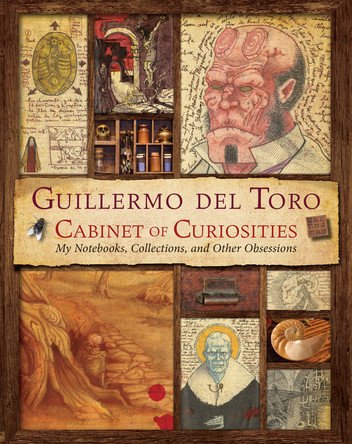
Guillermo del Toro’s Cabinet of Curiosities offers readers unprecedented access to the visionary filmmaker’s creative process. This remarkable book opens the doors to del Toro’s personal notebooks and collections. Moreover, it reveals the obsessions that fuel his darkly beautiful films.
Co-authored with Marc Zicree, this volume is part art book and part autobiography. Consequently, fans gain intimate knowledge of how del Toro transforms imagination into cinema. The book showcases decades of sketches, notes, and photographs. Furthermore, it includes commentary that illuminates his artistic journey.
What Makes This Book Extraordinary
Guillermo del Toro’s Cabinet of Curiosities is not a typical coffee table book. Instead, it functions as a master class in creativity and persistence. The pages burst with hand-drawn creatures, set designs, and story concepts.
Additionally, del Toro shares personal anecdotes about his career struggles and triumphs. Readers discover how he developed iconic films like Pan’s Labyrinth and The Shape of Water. Because of this transparency, aspiring artists find both inspiration and practical wisdom.
The book spans del Toro’s entire career, from his earliest projects to recent successes. Therefore, it provides a comprehensive view of his artistic evolution. Each page demonstrates his meticulous attention to detail and world-building. However, the content remains accessible to casual fans and film students alike.
Inside the Notebooks: A Treasure Trove of Ideas
The heart of this book lies in del Toro’s personal notebooks. He has maintained these journals for decades, filling them with sketches and observations. Moreover, these notebooks contain seeds of ideas that later became beloved films. The reproduced pages show his thought process in real time. Consequently, readers witness how rough concepts transform into fully realized cinematic visions.
Del Toro’s notebooks reveal his fascination with monsters, fairy tales, and gothic horror. Additionally, they showcase his deep knowledge of art history and literature. The margins overflow with references to painters, writers, and filmmakers who inspire him. Because he draws connections between disparate influences, his creative methodology becomes clear.
What Readers Discover Inside
Guillermo del Toro’s Cabinet of Curiosities contains multiple layers of content that reward repeated viewing:
- Original sketches and concept art from films including Hellboy, Pacific Rim, and Crimson Peak
- Handwritten notes revealing del Toro’s storytelling philosophy and character development techniques
- Photographs of his personal collection featuring movie props, rare books, and macabre artifacts
- Behind-the-scenes stories about production challenges and creative breakthroughs
- Commentary and reflections on the nature of creativity, fear, and beauty
- Unrealized projects that never made it to the screen but showcase his boundless imagination
The Bleak House Collection
Del Toro maintains an extraordinary personal museum, Bleak House, in Los Angeles. This space houses his vast collection of horror memorabilia and art. Furthermore, the book provides photographic tours of this remarkable archive. Readers see vintage movie posters, original props, and rare collectibles. Because del Toro curates with scholarly precision, every item tells a story.
The collection reflects his lifelong passion for monsters and the macabre. However, it also demonstrates his appreciation for craftsmanship and artistic dedication. Each artifact represents a connection to artists and filmmakers he admires. Therefore, Bleak House becomes a physical manifestation of his creative DNA.
Themes of Obsession and Dedication
Throughout the book, certain themes emerge repeatedly and powerfully. Del Toro emphasizes the importance of maintaining creative passion despite industry obstacles. Moreover, he advocates for preserving childhood wonder into adulthood. His notebooks prove that consistent daily practice yields extraordinary results over time.
The filmmaker also explores the relationship between beauty and horror. Consequently, readers understand why his films blend darkness with tenderness so effectively. He believes monsters often represent our deepest humanity and vulnerability. Because of this philosophy, his creatures evoke sympathy rather than simple fear.
Lessons for Aspiring Creators
This book offers invaluable guidance for anyone pursuing creative work. Del Toro demonstrates that success requires both talent and relentless perseverance. Additionally, he shows how keeping notebooks helps develop and refine ideas. His career path included numerous rejections and failed projects before breakthrough success.
However, he never abandoned his unique vision to chase commercial trends. Instead, he remained faithful to his artistic sensibilities and cultural heritage. Therefore, his eventual success feels earned and authentic. The book proves that distinctive voices eventually find their audience.
The Collaborative Process
While del Toro’s vision drives his films, he emphasizes collaboration throughout the book. He celebrates the contributions of designers, actors, and crew members. Moreover, he explains how he nurtures creative partnerships that enhance his projects. This collaborative spirit contradicts the myth of the solitary artistic genius.
The book includes testimonials and contributions from frequent collaborators. Consequently, readers gain multiple perspectives on del Toro’s working methods. These insights reveal his generosity and respect for fellow artists. Because he creates supportive environments, talented people eagerly join his projects.
Visual Splendor and Book Design
The physical book itself is a work of art that matches its subject matter. Harper Design produced a large-format volume with exceptional print quality. Furthermore, the layout respects the integrity of del Toro’s original notebook pages. Readers can examine every detail of his intricate drawings and handwriting.
The book’s design mirrors the aesthetic of del Toro’s films. Therefore, simply holding and browsing it provides aesthetic pleasure. The production values demonstrate the publisher’s commitment to honoring the material. However, the substantial size means readers need adequate space to appreciate it fully.
Cultural and Personal Identity
Del Toro’s Mexican heritage profoundly influences his artistic vision and storytelling choices. The book explores how his cultural background shapes his perspective on monsters and fairy tales. Additionally, he discusses growing up during politically turbulent times in Mexico. These experiences inform the political subtexts present in many of his films.
He also addresses the challenges of working as a Latin American director in Hollywood. However, he transformed potential obstacles into sources of creative strength and distinction. Because he embraces his identity rather than hiding it, his work carries authentic cultural resonance.
The Philosophy of Monsters
Del Toro articulates a sophisticated philosophy about why monsters matter in storytelling. He argues that monsters externalize our internal fears and desires. Moreover, they allow us to confront difficult truths through metaphor and fantasy. His notebooks contain extensive analysis of monster archetypes across cultures and time periods.
The book reveals his belief that monsters deserve empathy and understanding. Consequently, his films often position monsters as misunderstood outsiders rather than pure evil. This compassionate approach distinguishes his work from conventional horror and fantasy. Because audiences recognize themselves in his creatures, emotional connections deepen.
Practical Creative Advice
Beyond inspiration, the book offers concrete techniques for developing creative projects. Del Toro recommends maintaining multiple notebooks for different purposes and projects. Additionally, he suggests regular sketching even without specific goals or deadlines. These habits keep creative muscles active and ideas flowing.
He also emphasizes the importance of consuming diverse art forms and cultural products. Therefore, he encourages reading widely, visiting museums, and studying film history. However, he warns against imitation and advocates for synthesizing influences into original visions.
The Impact on Film and Popular Culture
This book documents del Toro’s significant influence on contemporary fantasy and horror cinema. His distinctive visual style has inspired countless filmmakers and artists worldwide. Moreover, his success opened doors for other visionary directors with unconventional approaches. The book contextualizes his work within broader cinematic traditions and movements.
Critics and scholars increasingly recognize del Toro as a major auteur of his generation. Furthermore, his films have achieved both critical acclaim and commercial success. By refusing to compromise his artistic integrity, he proves that quality and popularity can coexist.
Why This Book Matters
Guillermo del Toro’s Cabinet of Curiosities serves multiple purposes for different audiences. Film students gain insight into professional creative processes and career development. Additionally, artists find inspiration and validation for their own obsessive practices. Casual fans enjoy beautiful imagery and entertaining behind-the-scenes stories.
The book also functions as a cultural artifact documenting early 21st-century filmmaking. Therefore, it will likely remain valuable for future scholars studying this period. However, its primary value lies in celebrating imagination and creative dedication. Because del Toro shares so generously, readers feel invited into his artistic family.
Conclusion: A Testament to Creative Passion
This extraordinary volume stands as both an art object and an inspirational guide for creative individuals. Del Toro and Zicree have crafted something that transcends typical film books. Moreover, they’ve created a lasting document of one artist’s lifelong commitment to imagination. The book reminds us that creativity requires courage, persistence, and unwavering belief in one’s vision.
Whether you’re a filmmaker, artist, writer, or simply a fan of del Toro’s work, this book offers something valuable. It proves that maintaining curiosity and wonder throughout life yields rich rewards. Furthermore, it demonstrates that sharing our obsessions and passions connects us to others. Ultimately, Guillermo del Toro’s Cabinet of Curiosities celebrates the transformative power of imagination and the importance of preserving our creative dreams.



Reviews
There are no reviews yet.