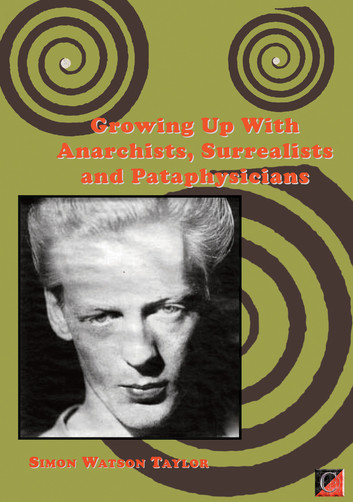
Description
Growing Up With Anarchists, Surrealists and Pataphysicians: A Memoir of Radical Counterculture
Introduction: A Unique Childhood Among Revolutionary Thinkers
Growing up with anarchists, surrealists, and pataphysicians shaped Simon Watson Taylor’s extraordinary life. This memoir offers intimate glimpses into radical intellectual circles of the 20th century. Moreover, it reveals how unconventional thinking influenced one young man’s worldview. Taylor’s personal reminiscences transport readers into a world of artistic rebellion and political defiance.
The e-book chronicles Taylor’s formative years among Britain’s most daring thinkers. Furthermore, it documents his role as secretary of the British Surrealist Group. His experiences provide rare insights into movements that challenged conventional society. Additionally, readers discover how these radical philosophies intersected and influenced each other.
The Life of Simon Watson Taylor: Anarchist, Surrealist, and Pataphysician
Simon Watson Taylor lived from 1923 to 2005. He received an education across England, France, Switzerland, Germany, and Austria. Consequently, his multicultural upbringing exposed him to diverse intellectual traditions. He became a lifelong anarchist committed to social transformation.
Taylor served as editor of ‘Free Union,’ the surrealist publication. Moreover, he worked as secretary to the British Surrealist Group. His translations brought French surrealist works to English-speaking audiences. Additionally, he embraced pataphysics, the science of imaginary solutions.
His unique position allowed him to witness history firsthand. Therefore, his memoir provides invaluable documentation of these movements. He interacted with leading figures in anarchist and surrealist circles. Furthermore, he participated in creating revolutionary art and literature.
Key Themes Explored in the Memoir
Growing up with anarchists, surrealists, and pataphysicians meant embracing radical freedom. The book explores several interconnected themes:
- Anarchist philosophy and its practical applications in daily life
- Surrealist artistic techniques and their revolutionary potential
- Pataphysical thinking and the science of imaginary solutions
- The intersection of art, politics, and personal liberation
- Post-war British counterculture and its European connections
- The role of small magazines in spreading radical ideas
These themes weave throughout Taylor’s personal narrative. Moreover, they demonstrate how intellectual movements shaped individual lives. The memoir shows theory transforming into lived experience.
The British Surrealist Group and Free Union Magazine
Taylor’s work with the British Surrealist Group defined his early career. He became their official secretary during a crucial period. Consequently, he coordinated activities and maintained correspondence with international surrealists. His organizational skills helped sustain the movement in Britain.
As editor of ‘Free Union,’ Taylor promoted surrealist ideas. The magazine published poetry, manifestos, and experimental writing. Furthermore, it connected British surrealists with their continental counterparts. The publication challenged mainstream literary conventions.
Free Union served as a platform for revolutionary expression. Moreover, it demonstrated surrealism’s continued relevance after World War II. Taylor’s editorial vision shaped the magazine’s distinctive character. Additionally, he ensured it remained true to surrealist principles.
Anarchist Influences and Political Awakening
Growing up with anarchists, surrealists, and pataphysicians meant rejecting authoritarian structures. Taylor’s anarchist commitments remained constant throughout his life. He believed in voluntary cooperation rather than coercive government. Furthermore, he practiced mutual aid and direct action.
The memoir details his involvement in anarchist organizing. He participated in meetings, demonstrations, and educational activities. Moreover, he contributed to anarchist publications and debates. His political philosophy informed all his creative work.
Taylor witnessed how anarchism intersected with artistic movements. Therefore, he understood politics and art as inseparable. Surrealism’s revolutionary aims aligned with anarchist goals. Additionally, both movements sought to liberate human consciousness.
Pataphysics: The Science of Imaginary Solutions
Pataphysics fascinated Taylor throughout his intellectual journey. This playful philosophy examines exceptions rather than rules. Moreover, it celebrates absurdity and challenges rational thinking. Alfred Jarry founded pataphysics in the late 19th century.
Taylor embraced pataphysical thinking in his translations and writings. He appreciated its subversive humor and imaginative freedom. Furthermore, pataphysics complemented surrealist and anarchist perspectives. All three movements questioned established authority and conventional wisdom.
The memoir explains pataphysical concepts through personal anecdotes. Consequently, readers grasp this complex philosophy more easily. Taylor demonstrates how pataphysics influenced his daily life. Additionally, he shows its relevance to contemporary cultural critique.
Personal Reminiscences and Historical Documentation
This e-book combines personal memoir with historical documentation. Taylor recounts specific encounters with notable figures. Moreover, he describes the atmosphere of post-war intellectual circles. His firsthand accounts preserve important cultural history.
The reminiscences reveal the human side of radical movements. Therefore, readers see beyond abstract theories to lived experiences. Taylor shares both triumphs and challenges of countercultural life. Furthermore, he maintains honesty about internal conflicts and disagreements.
His narrative style remains accessible and engaging throughout. Consequently, the book appeals to general readers and scholars alike. Taylor avoids academic jargon while maintaining intellectual depth. Additionally, his wit and humor enliven the storytelling.
The Intersection of Art and Politics
Taylor’s memoir explores how art serves political purposes. Surrealists believed artistic revolution preceded social revolution. Moreover, they used shocking imagery to awaken consciousness. Anarchists similarly employed creative tactics in their activism.
The book documents collaborative projects between artists and activists. These partnerships produced manifestos, exhibitions, and performances. Furthermore, they demonstrated practical solidarity across movements. Taylor participated in many such collaborative efforts.
He argues that imagination fuels all revolutionary change. Therefore, artists play crucial roles in social transformation. The memoir provides concrete examples of art inspiring action. Additionally, it shows how political commitment enriches artistic practice.
Post-War British Counterculture
The memoir illuminates Britain’s post-war countercultural landscape. Taylor witnessed the emergence of new radical movements. Moreover, he participated in creating alternative cultural spaces. His generation rejected the conformity of the 1950s.
British surrealism maintained connections with continental movements. However, it developed distinctive characteristics reflecting local conditions. Taylor’s international education helped bridge these cultural differences. Furthermore, his translations facilitated cross-cultural dialogue.
The book describes underground publications, experimental galleries, and radical bookshops. These spaces nurtured countercultural communities. Moreover, they provided alternatives to mainstream cultural institutions. Taylor helped establish and sustain such venues.
Legacy and Continuing Relevance
Simon Watson Taylor remained active until he died in 2005. In his later years, he embraced hippie culture. Moreover, he continued advocating for anarchist principles. His life demonstrated sustained commitment to radical ideals.
This memoir preserves knowledge of important cultural movements. Furthermore, it inspires contemporary activists and artists. Taylor’s experiences offer lessons for current struggles. Additionally, his story shows how individuals can influence cultural history.
The book’s relevance extends beyond historical interest. Therefore, it speaks to anyone questioning mainstream values. Taylor’s journey encourages readers to explore alternative perspectives. Moreover, it demonstrates the enduring power of radical imagination.
Why Read This Memoir?
This e-book offers unique insights into 20th-century counterculture. Readers gain an understanding of surrealism, anarchism, and pataphysics. Moreover, they discovered how these movements intersected and influenced each other. Taylor’s personal perspective makes abstract ideas concrete.
The memoir appeals to various audiences. History enthusiasts appreciate its documentary value. Furthermore, artists find inspiration in its creative approaches. Political activists discover practical ways to organize. Additionally, general readers enjoy its engaging storytelling.
Taylor’s life demonstrates alternatives to conventional existence. Therefore, his story encourages imaginative thinking about social possibilities. The book challenges readers to question accepted norms. Moreover, it celebrates the joy of intellectual and artistic freedom.
Conclusion: A Testament to Radical Living
Growing up with anarchists, surrealists, and pataphysicians created an extraordinary life. Simon Watson Taylor’s memoir documents this unique journey. Moreover, it preserves the crucial history of radical movements. His reminiscences combine personal warmth with historical significance.
The e-book serves multiple purposes simultaneously. It educates readers about important cultural movements. Furthermore, it entertains with vivid anecdotes and memorable characters. It inspires through examples of committed activism. Additionally, it challenges conventional thinking about art and politics.
Taylor’s legacy continues to influence contemporary counterculture. His translations remain valuable resources for understanding surrealism. Moreover, his organizational work helped sustain radical movements. This memoir ensures his contributions receive proper recognition.
Readers seeking alternatives to mainstream culture will find inspiration here. Therefore, this book belongs on every radical bookshelf. It demonstrates how individuals can live according to their principles. Furthermore, it proves that revolutionary ideas can sustain lifelong commitments.





Reviews
There are no reviews yet.