

Description
Comprehensive Synopsis: Goya Drawings and Etchings by Daniel Coenn
Introduction to a Master’s Vision
Francisco Goya stands among history’s most influential artists. His work transformed European art forever. Moreover, this digital collection brings his genius directly to your device. “Goya Drawings and Etchings” offers art enthusiasts unprecedented access to masterworks. Furthermore, the My Pocket Gallery series makes studying these pieces remarkably convenient. This e-book presents a curated selection of Goya’s most powerful graphic works.
The collection showcases drawings and etchings that reveal Goya’s extraordinary range. Additionally, readers discover why these works remain culturally significant today. Therefore, this portable gallery serves both casual admirers and serious students.
The Spanish Master and Court Painter
Francisco José de Goya y Lucientes was born in 1746 in Fuendetodos, Spain. He rose from humble origins to become Spain’s leading court painter. Moreover, King Charles IV appointed him First Court Painter in 1799. This prestigious position granted Goya remarkable artistic freedom.
However, Goya never abandoned his critical eye despite royal patronage. He observed Spanish society with unflinching honesty. Furthermore, his position allowed him access to all social classes. Consequently, his work captures both aristocratic splendor and common suffering.
The artist witnessed Spain’s tumultuous transformation during his lifetime. Wars, political upheaval, and social change shaped his vision. Thus, his drawings and etchings document a nation in crisis.
Revolutionary Drawing and Etching Techniques in Goya Drawings and Etchings
Goya mastered multiple printmaking techniques throughout his career. He employed etching, aquatint, drypoint, and engraving with exceptional skill. Moreover, he often combined these methods in single works. This technical innovation created unprecedented tonal ranges and atmospheric effects.
His drawing techniques were equally revolutionary. Goya worked primarily in red chalk, pen and ink, and wash. Furthermore, he developed a distinctive loose, expressive style. His marks captured movement and emotion with remarkable economy.
The artist’s aquatint technique deserves special mention. He achieved rich, velvety blacks and subtle gradations. Additionally, his aquatints created mood and atmosphere impossible in pure line etching. Therefore, these works possess a painterly quality rare in prints.
Technical Innovations That Changed Printmaking
Goya pushed printmaking boundaries in several ways:
- Combined multiple intaglio techniques in single plates
- Experimented with unconventional tools for mark-making
- Developed innovative aquatint application methods
- Used burnishing to create highlights and corrections
- Employed progressive proofing to refine compositions
Moreover, he often reworked plates extensively between editions. This practice resulted in significant variations among impressions. Consequently, each print series evolved over time.
Subject Matter and Themes: A Window into Spanish Society
Goya’s graphic works address humanity’s darkest impulses and noblest aspirations. His subjects range from playful social observation to nightmarish visions. Furthermore, he tackled themes other artists avoided entirely.
Political Satire and Social Commentary
Goya wielded satire as a weapon against corruption and ignorance. His prints expose hypocrisy in church and state. Moreover, he ridiculed superstition and outdated social customs. However, his criticism remained subtle enough to avoid censorship initially.
The artist targeted specific social ills relentlessly. He attacked false piety, greed, and abuse of power. Additionally, he mocked pretension and vanity across all classes. Therefore, his work functioned as visual social criticism.
His satire grew sharper as Spain’s crisis deepened. Nevertheless, he maintained artistic sophistication even in his angriest works. Thus, these pieces remain powerful today.
Los Caprichos: Dreams of Reason
“Los Caprichos” represents Goya’s first major print series. Published in 1799, it contains eighty aquatint etchings. Moreover, this collection established Goya as printmaking’s leading innovator. The series title translates as “The Caprices” or “The Whims.”
These prints blend fantasy, satire, and social criticism brilliantly. Goya populated them with witches, demons, and grotesque figures. Furthermore, he used these fantastical elements to comment on real problems. Consequently, the series operates on multiple interpretive levels.
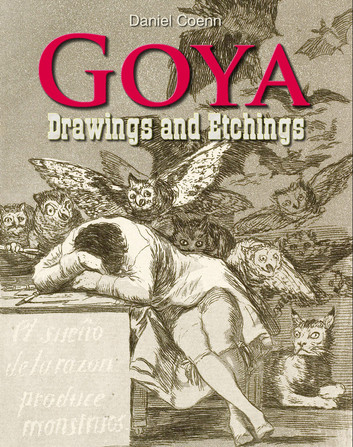
The famous plate 43 bears the inscription “The Sleep of Reason Produces Monsters.” This image became Goya’s most iconic work. Additionally, it encapsulates Enlightenment anxieties about irrationality. The print shows the artist asleep while nightmarish creatures swarm around him.
Key Themes in Los Caprichos
The series addresses numerous social issues:
- Corruption within the Catholic Church
- Ignorance and superstition among common people
- Prostitution and sexual hypocrisy
- Poor education and its consequences
- Vanity and foolishness across social classes
- Arranged marriages and loveless relationships
- Quack doctors and false medical practices
- Abuse of power by authorities
Moreover, Goya employed symbolism that contemporary viewers understood immediately. However, modern audiences require more context to grasp every reference. Therefore, scholarly annotations enhance appreciation of these complex works.
The Disasters of War: Humanity’s Darkest Hour
“The Disasters of War” stands as Goya’s most devastating achievement. This series contains eighty-two prints documenting war’s horrors. Moreover, Goya created these works between 1810 and 1820. However, they weren’t published until 1863, decades after his death.
The series depicts the Peninsular War’s brutal reality. French forces occupied Spain from 1808 to 1814. Furthermore, Goya witnessed atrocities committed by both sides. Consequently, his prints show war without glory or heroism.
These images remain almost unbearably powerful. Goya shows executions, torture, starvation, and rape with unflinching honesty. Additionally, he depicts war’s impact on civilians with profound empathy. Therefore, the series functions as a universal anti-war statement.
The Unflinching Vision of Goya Drawings and Etchings
The prints progress through several thematic sections. Early plates show combat and its immediate aftermath. Moreover, middle sections depict famine’s devastating effects on Madrid’s population. Later plates become increasingly allegorical and symbolic.
Goya’s captions add another layer of meaning. Short phrases like “One cannot look” and “This is worse” underscore the horror. Furthermore, these texts guide viewer interpretation without being didactic. Thus, words and images work together powerfully.
The series influenced countless later artists. Francisco’s honest depiction of suffering established new possibilities for art. Additionally, photographers and filmmakers continue drawing inspiration from these works. Consequently, “The Disasters of War” remains eternally relevant.
Evolution from Rococo Elegance to Psychological Darkness
Goya’s artistic journey spans remarkable stylistic territory. His early works embrace Rococo’s decorative charm and optimism. Moreover, his tapestry cartoons show cheerful scenes of Spanish life. These pieces feature bright colors and lighthearted subjects.
However, personal and political crises transformed his vision dramatically. A severe illness in 1792 left Goya completely deaf. Furthermore, this isolation deepened his introspection and psychological insight. Consequently, his work grew increasingly dark and personal.
The French invasion of Spain accelerated this transformation. Goya witnessed violence and suffering firsthand. Additionally, he experienced disillusionment with Enlightenment ideals. Therefore, his later works explore humanity’s capacity for cruelty.
The Black Paintings and Beyond
Goya’s final period produced his most disturbing works. The “Black Paintings” murals show nightmarish visions of human depravity. Moreover, his late drawings and prints continue these dark themes. However, they also demonstrate undiminished technical mastery.
This evolution makes Goya a bridge between eras. He connects Rococo elegance with Romantic intensity. Furthermore, his psychological insight anticipates modern art’s concerns. Thus, he remains perpetually contemporary despite his historical distance.
The Portable Digital Collection: Art at Your Fingertips
The My Pocket Gallery series revolutionizes art appreciation. This digital format brings museum-quality images to any device. Moreover, readers can study Goya’s works anywhere, anytime. Furthermore, the e-book format allows unprecedented close examination of details.
Traditional art books have significant limitations. They’re heavy, expensive, and difficult to transport. Additionally, printed reproductions often fail to capture subtle tonal variations. However, high-resolution digital images solve these problems effectively.
This collection offers several distinct advantages:
- Zoom functionality reveals minute details invisible in physical prints
- Portability allows study during commutes or travel
- Searchability enables quick reference to specific works
- Affordability makes great art accessible to everyone
- Environmental benefits eliminate paper and shipping waste
Moreover, digital collections never deteriorate or fade. The images remain pristine indefinitely. Therefore, this format preserves Goya’s legacy for future generations.
Why This Collection Matters for Art Enthusiasts
Goya’s drawings and etchings deserve serious attention from anyone interested in art. His technical innovations influenced generations of printmakers. Moreover, his unflinching social commentary established new possibilities for artistic expression. Furthermore, his psychological depth anticipates modern concerns with the unconscious mind.
The works in this collection demonstrate art’s power to witness and protest. Goya documented his era’s injustices with courage and skill. Additionally, he created images that transcend their historical moment. Consequently, these works speak directly to contemporary audiences.
Educational Value and Artistic Inspiration
Students of art history find essential material in Goya’s graphic works. His technical mastery provides lessons in composition, mark-making, and tonal control. Moreover, his thematic range offers insights into Enlightenment and Romantic thought. Furthermore, his evolution demonstrates how personal experience shapes artistic vision.
Practicing artists continue drawing inspiration from these works. Goya’s expressive freedom encourages experimentation and risk-taking. Additionally, his social engagement reminds artists of their potential cultural impact. Therefore, this collection serves both educational and inspirational purposes.
The Enduring Legacy of a Visionary Artist
Francisco Goya transformed Western art’s trajectory permanently. His willingness to confront difficult subjects expanded art’s scope. Moreover, his technical innovations opened new expressive possibilities. Furthermore, his psychological insight anticipated modern art’s concerns.
The drawings and etchings in this collection represent his most personal statements. Unlike commissioned paintings, these works expressed his genuine convictions. Additionally, the print medium allowed wider distribution of his ideas. Consequently, these works had significant cultural impact.
Goya influenced countless subsequent artists across multiple movements. Romantic artists admired his emotional intensity and dramatic subjects. Moreover, Realists appreciated his unflinching social observation. Furthermore, Expressionists and Surrealists found inspiration in his nightmarish visions.
Contemporary Relevance and Timeless Themes
Goya’s themes remain disturbingly relevant today. War, corruption, and social injustice persist globally. Moreover, his warnings about reason’s fragility resonate in our current moment. Furthermore, his empathy for suffering humanity provides moral guidance.
The artist’s work reminds us that art can bear witness to history. His prints document events that might otherwise be forgotten. Additionally, they preserve the emotional truth of lived experience. Therefore, these works serve both aesthetic and historical functions.
Conclusion: A Masterwork Collection in Your Pocket
“Goya Drawings and Etchings” by Daniel Coenn offers unprecedented access to genius. This My Pocket Gallery volume brings museum treasures to your personal device. Moreover, the collection’s careful curation highlights Goya’s most significant graphic works. Furthermore, the digital format enhances rather than diminishes the viewing experience.
Francisco Goya stands among humanity’s greatest visual artists. His drawings and etchings reveal technical mastery and profound humanity. Additionally, they document a crucial period in European history. Consequently, this collection serves multiple purposes simultaneously.
Art enthusiasts will find endless rewards in these images. Each viewing reveals new details and deeper meanings. Moreover, Goya’s work grows more relevant as time passes. His insights into human nature remain eternally fresh.
This portable gallery democratizes access to great art. No longer must viewers travel to distant museums. Furthermore, the affordable price point removes economic barriers. Thus, anyone with curiosity can explore Goya’s extraordinary achievement.
The My Pocket Gallery series recognizes that art belongs to everyone. These digital collections fulfill that democratic promise. Moreover, they preserve cultural heritage for future generations. Therefore, this e-book represents both convenience and cultural stewardship.
Whether you’re a serious art student or casual admirer, this collection offers tremendous value. Goya’s vision challenges, disturbs, and ultimately enlightens. His technical brilliance inspires awe and study. Additionally, his moral courage provides an example for our own time.
Download this essential collection today. Carry Goya’s masterworks wherever you go. Moreover, return to them repeatedly as your understanding deepens. Furthermore, share them with others who appreciate artistic excellence. Thus, you participate in preserving and transmitting cultural heritage.
Francisco Goya’s drawings and etchings represent peaks of human creative achievement. This digital collection makes them accessible as never before. Therefore, art lovers should embrace this opportunity enthusiastically. The My Pocket Gallery series brings the world’s greatest art directly to you.






Reviews
There are no reviews yet.