

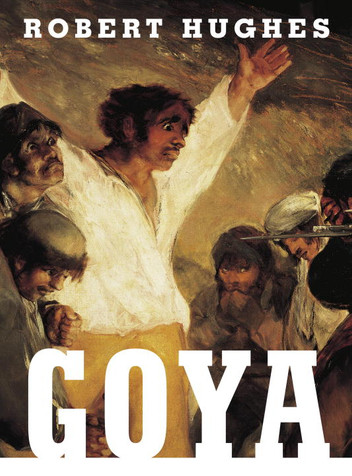
Description
Goya: Robert Hughes’s Masterful Biography of Spain’s Revolutionary Artist
Discover the Definitive Portrait of Francisco Goya
Robert Hughes’s “Goya” stands as the definitive biography of Francisco Goya, Spain’s most revolutionary artist. Moreover, this acclaimed work explores how Goya transformed European art forever. Published by Knopf Doubleday in 2012, Hughes delivers an interpretive masterpiece that captures both artist and era.
Why Read Robert Hughes’s Goya Biography?
A Bridge Between Two Artistic Worlds
Francisco Goya uniquely bridged the 18th-century old masters and 19th-century modern art; consequently, his influence shaped generations of artists who followed. Hughes masterfully traces this artistic evolution throughout the book.
Furthermore, Goya’s work anticipated movements that wouldn’t emerge for decades. His dark visions prefigured Expressionism and Surrealism. Therefore, understanding Goya means understanding the foundations of odern aart
More Than Just Art History
This book transcends a typical art biography. Additionally, it serves as a cultural epic of Spain itself. Hughes weaves together art, history, politics, and personal drama into one compelling narrative.
What Makes This Goya Biography Essential?
Robert Hughes’s Critical Brilliance
Robert Hughes brought unmatched critical fervor to art writing. His insights illuminate Goya’s genius with clarity and passion. Moreover, Hughes writes with accessibility that engages both experts and newcomers.
The author’s reputation as an art critic adds tremendous authority. His previous works established him as one of the greatest art writers. Consequently, this Goya biography benefits from decades of expertise.
Comprehensive Coverage of Goya’s Career
Hughes traces Goya’s complete artistic journey:
- Early church commissions and religious paintings
- Rise to prominence as a Spanish court painter
- Revolutionary portraits of Spanish royalty
- The haunting “Black Paintings” period
- Final exile works in Bordeaux
- Evolution of his printmaking techniques
Goya’s Artistic Evolution Explored
From Court Painter to Dark Visionary
Initially, Goya worked on traditional church commissions throughout Spain. However, his talent quickly attracted royal attention. Therefore, he became the court painter to the Spanish monarchs.
His court portraits revolutionized the genre with psychological depth. Moreover, Goya captured his subjects with unflinching honesty. Even royalty received his penetrating, sometimes unflattering gaze.
The Darkness Descends
Later, Goya’s work took increasingly dark turns. War, illness, and political turmoil transformed his vision. Consequently, his final works explored humanity’s darkest impulses.
The famous “Black Paintings” represent this period’s culmination. Furthermore, these haunting images still disturb viewers today. Hughes explores what drove Goya toward such darkness.
Historical Context: Spain in Turmoil
A Nation in Crisis
Hughes situates Goya within Spain’s turbulent historical moment. The Napoleonic invasion devastated the country. Additionally, political upheaval and social change surrounded the artist.
Goya witnessed and documented these horrors firsthand. His “Disasters of War” series captured unprecedented brutality. Therefore, his art became both historical testimony and artistic achievement.
Cultural Forces Shaping Goya
Spanish culture profoundly influenced Goya’s artistic development. The Inquisition’s shadow still loomed over society. Moreover, Enlightenment ideas clashed with traditional Catholic authority.
Hughes examines how these tensions appear throughout Goya’s work. Consequently, readers gain a deeper understanding of both the artist and the era.
Themes Hughes Explores in Goya’s Life
Art and Ambition
Hughes traces how ambition drove Goya’s career trajectory. The artist strategically cultivated powerful patrons. Furthermore, he navigated court politics with considerable skill.
However, artistic integrity ultimately mattered most to Goya. His later works abandoned commercial considerations entirely. Therefore, his legacy rests on an uncompromising vision.
Love and Relationships
Goya’s personal relationships deeply affected his art. His marriage to Josefa Bayeu provided stability. Additionally, his relationship with the Duchess of Alba sparked speculation.
Hughes examines these connections with nuance and insight. Moreover, he avoids sensationalism while acknowledging their importance. The human Goya emerges alongside the artistic genius.
Rage Against Injustice
Righteous anger fuels much of Goya’s greatest work. He raged against war’s senseless brutality. Furthermore, he attacked superstition, corruption, and human cruelty.
This moral dimension elevates Goya beyond mere technical mastery. Consequently, his art retains urgent relevance today. Hughes captures this passionate engagement brilliantly.
Confronting Death and Mortality
Death haunted Goya throughout his career. Serious illness nearly killed him in 1793. Additionally, war brought death’s reality into sharp focus.
His late works obsessively explore mortality and decay. Moreover, the “Black Paintings” confront death’s inevitability directly. Hughes examines how this preoccupation shaped Goya’s final masterpieces.
Why This Biography Stands Apart
Hughes’s Distinctive Voice
Robert Hughes wrote with unmatched energy and conviction. His prose crackles with intelligence and wit. Furthermore, he never condescends to readers or oversimplifies complexity.
The writing makes complex ideas accessible without dumbing down. Therefore, both casual readers and scholars find value here. Hughes’s passion for his subject proves infectious.
Interpretive Depth
This book offers interpretation, not just biographical facts. Hughes analyzes what Goya’s art means and why it matters. Moreover, he places the work in broader artistic and cultural contexts.
Consequently, readers gain tools for understanding Goya independently. The biography teaches how to see, not just what to see.
Cultural Epic Scope
Hughes presents Goya’s Spain with novelistic richness. The book evokes the era’s sights, sounds, and atmosphere. Additionally, it explains the social forces shaping Spanish life.
This contextual depth makes Goya’s choices and evolution comprehensible. Therefore, the artist emerges as a product of his time. Yet his genius transcends those historical limitations.
Perfect for Multiple Audiences
Art Enthusiasts and Students
Anyone interested in art history needs this book. It illuminates a pivotal figure in Western art. Moreover, it demonstrates how to analyze and appreciate visual art.
Students will find Hughes’s approach both rigorous and engaging. His critical methodology offers valuable lessons. Furthermore, the writing style makes challenging material approachable.
History Buffs
The book provides fascinating insights into Spanish history. Napoleon’s invasion, the Inquisition, and the Enlightenment conflicts all feature prominently. Additionally, Hughes explains how these forces shaped Spanish culture.
Therefore, readers interested in European history will find much to appreciate. Goya’s life intersects with major historical events and movements.
General Readers
You don’t need art expertise to enjoy this biography. Hughes writes for intelligent general readers. Moreover, his storytelling ability makes Goya’s life genuinely compelling.
The book explores universal themes: ambition, love, mortality, and artistic creation. Consequently, it resonates beyond specialized art audiences.
Key Takeaways from Hughes’s Goya
This biography reveals several crucial insights:
- Goya fundamentally changed how artists approached their subjects
- Personal suffering and historical trauma fueled his greatest innovations
- He refused to flatter or idealize, even powerful patrons
- His work anticipated modern art’s psychological depth
- Spanish culture and history profoundly shaped his vision
- Technical mastery served deeper expressive purposes
- His courage in depicting uncomfortable truths remains inspiring
The Legacy Hughes Illuminates
Influence on Modern Art
Hughes demonstrates Goya’s massive influence on subsequent artists. Manet, Picasso, and countless others acknowledged their debt. Moreover, his psychological approach became central to modern art.
The “Black Paintings” particularly influenced Expressionist and Surrealist movements. Therefore, understanding Goya means understanding the foundations of modern art. Hughes traces these connections with scholarly precision.
Enduring Relevance
Goya’s themes remain urgently relevant today. War’s brutality hasn’t diminished since his era. Additionally, his attacks on superstition and corruption still resonate.
Hughes shows why Goya matters beyond historical interest. Consequently, the biography argues for art’s continuing social importance. Great art speaks across centuries to contemporary concerns.
About Author Robert Hughes
Robert Hughes (1938-2012) was arguably the greatest art critic of his generation. His television series “The Shock of the New” reached millions. Moreover, his books combined scholarly depth with accessible prose.
Hughes brought Australian directness to art criticism’s often-pretentious world. He wrote with conviction, humor, and occasional ferocity. Furthermore, his passion for art inspired countless readers and viewers.
This Goya biography represents Hughes’s mature achievement. Published near the end of his career, it synthesizes decades of thinking about art. Therefore, it stands as a fitting capstone to his remarkable body of work.
Publication Details
Publisher: Knopf Doubleday Publishing Group (Penguin Random House)
Publication Date: 2012
ISBN: 9780307809629
Format: E-book
Author: Robert Hughes
Final Thoughts: An Essential Biography
Robert Hughes’s “Goya” stands as the essential English-language biography of this revolutionary artist. Moreover, it offers far more than biographical facts. Hughes provides interpretive depth, cultural context, and passionate engagement with his subject.
The book succeeds on multiple levels simultaneously. It works as art criticism, biography, and cultural history. Furthermore, Hughes’s prose makes it genuinely pleasurable to read.
Anyone interested in art, Spanish history, or biographical writing should read this book. It illuminates not just Goya, but how great art emerges from historical and personal circumstances. Therefore, it offers lessons extending far beyond one artist’s life.
Hughes demonstrates why Goya matters today as much as ever. His unflinching vision and technical brilliance continue to inspire artists worldwide. Moreover, his moral courage in depicting uncomfortable truths remains profoundly relevant.
This biography ensures Goya’s legacy receives the critical attention it deserves. Consequently, readers gain access to one of art history’s most fascinating and important figures. Hughes’s final gift to art lovers everywhere proves truly invaluable.




Reviews
There are no reviews yet.