

Description
Girl, Don’t You Jump Rope: A Powerful Memoir of Survival and Comedy
Introduction: Girl, Don’t You Jump Rope and the Power of Laughter
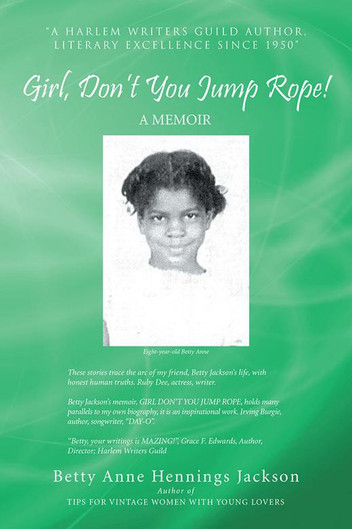
“Girl, Don’t You Jump Rope! A Memoir” by Betty Anne Hennings Jackson tells a remarkable survival story. Furthermore, it reveals how humor became a lifeline through hardship. This powerful memoir chronicles one woman’s journey from Chicago’s housing projects to success. Moreover, it demonstrates how laughter can transform even the darkest circumstances.
Betty Anne Jackson grew up facing challenges most people cannot imagine. However, she refused to let her environment define her future. Instead, she cultivated dreams of becoming a famous comedian. Additionally, she used humor as both shield and weapon against adversity.
The memoir’s title carries deep metaphorical significance for understanding her journey. “Girl, Don’t You Jump Rope” represents the limitations society placed on young Black girls. Furthermore, it symbolizes the boundaries she was expected to accept. Yet Jackson’s story shows how she jumped over every rope placed before her.
This engrossing narrative spans decades of American history and personal transformation. Consequently, readers witness the evolution of one determined woman’s life. The book offers insights into resilience, courage, and the healing power of laughter. Moreover, it provides a window into experiences often overlooked in American literature.
Girl, Don’t You Jump Rope: The Journey Begins in Chicago
Betty Anne Jackson’s early childhood began in a tree-lined Chicago neighborhood. These formative years provided glimpses of stability and normalcy. However, circumstances soon changed dramatically for her family. Additionally, they faced the harsh realities of economic hardship.
The family eventually moved to one of Chicago’s earliest housing projects. This transition marked a significant turning point in young Betty Anne’s life. Furthermore, the south side projects presented challenges unlike anything she had known. The contrast between her two worlds profoundly shaped her perspective.
Growing up in the housing projects meant confronting poverty daily. Violence, discrimination, and limited opportunities surrounded her constantly. Nevertheless, Betty Anne maintained her secret ambition to become a comedian. Moreover, she began developing the humor that would sustain her throughout life.
The projects taught her survival skills that extended far beyond physical safety. She learned to read people, situations, and unspoken social codes quickly. Consequently, these skills became invaluable tools for navigating her future. Additionally, they informed her of her unique comedic perspective on life’s absurdities.
Despite living in the projects, Betty Anne always struggled to be FROM them. She refused to let her zip code determine her destiny or identity. Furthermore, she maintained dreams that extended far beyond her immediate circumstances. This internal resistance became central to her survival and eventual success.
The Harsh Realities Behind Girl, Don’t You Jump Rope
The memoir reveals life experiences that make Jackson’s story truly engrossing. There were no signs that read “colored” in the housing projects. However, invisible barriers existed everywhere for young Black girls like Betty Anne. Moreover, these barriers were often more insidious than explicit segregation signs.
Jackson paints a heartfelt portrait of contrasts throughout her narrative. She vividly describes the tree-lined streets of her very early years. Furthermore, she contrasts them with the harsh realities of ghetto life. These juxtapositions highlight the dramatic shifts she experienced during childhood.
The housing projects presented daily challenges that constantly tested her resilience. Gang violence, drug activity, and poverty created a dangerous environment. Additionally, limited educational resources threatened to trap residents in cycles of despair. Yet Betty Anne found ways to rise above these circumstances.
Discrimination extended beyond the projects into every aspect of American society. Young Black girls faced particular challenges during this era. Consequently, they encountered barriers in education, employment, and social mobility. Furthermore, they were often told what they couldn’t do or become.
The title “Girl, Don’t You Jump Rope” encapsulates these societal restrictions perfectly. It represents all the times Betty Anne was told to stay in her place. Moreover, it symbolizes the expectations that she should accept limited opportunities. However, her memoir demonstrates how she defied every such limitation.
Humor as Survival: The Heart of Girl, Don’t You Jump Rope
Betty Anne Jackson’s secret childhood ambition was to become a famous comedian. This dream seemed impossible given her circumstances and the era. Nevertheless, she pursued it with determination and practiced constantly. Furthermore, humor became her primary tool for surviving difficult situations.
As a teenager, Jackson practiced using humor to navigate challenging social dynamics. She learned to defuse tension with well-timed jokes and observations. Moreover, she discovered that laughter could transform pain into something bearable. Additionally, comedy provided a sense of control in an unpredictable environment.
Her comedic perspective allowed her to see absurdity in everyday hardships. She found humor in situations that might have crushed others’ spirits. Consequently, this ability to laugh became her greatest strength and protection. Furthermore, it attracted people to her and opened unexpected doors.
Jackson’s humor wasn’t escapism but rather a form of truth-telling. She used comedy to highlight injustices and societal contradictions. Moreover, she made people laugh while making them think about serious issues. This combination of entertainment and insight became her signature approach.
The memoir demonstrates how humor served multiple purposes throughout her life. It provided emotional release during traumatic experiences and difficult times. Additionally, it created connections with others who shared similar struggles. Furthermore, it became a professional skill that eventually supported her career.
From Housing Projects to Educator: Girl, Don’t You Jump Rope’s Transformation
Betty Anne Jackson’s journey from the projects to professional success inspires readers. She became a retired educator, writer, poet, and editor. Furthermore, she achieved these accomplishments despite facing enormous obstacles. Her transformation demonstrates the power of determination and education.
Education became Jackson’s pathway out of the limitations imposed by poverty. She recognized that knowledge could open doors that seemed permanently closed. Moreover, she pursued learning with the same determination she applied to comedy. Consequently, she built a career helping others through teaching.
As an educator, Jackson understood the challenges her students faced intimately. She had lived through similar struggles and knew the barriers firsthand. Additionally, she could connect with students others might have written off. Furthermore, her humor made learning accessible and engaging for diverse learners.
Her work as a writer and poet helped her process her experiences. She transformed personal pain into art that resonated with broader audiences. Moreover, she gave voice to experiences often marginalized in mainstream literature. Additionally, her writing preserved important stories for future generations.
Jackson’s editorial work demonstrated her commitment to elevating other voices. She helped other writers refine and share their stories effectively. Consequently, she contributed to a richer, more diverse literary landscape. Furthermore, she mentored emerging writers from backgrounds similar to her own.
Key Themes in Girl, Don’t You Jump Rope:
- The transformative power of humor in overcoming adversity
- Resilience in the face of poverty and discrimination
- The contrast between childhood dreams and harsh realities
- Education as a pathway to opportunity and transformation
- The importance of refusing to accept societal limitations
- Finding strength through laughter during difficult times
- The courage required to pursue seemingly impossible dreams
- How can personal pain become art that heals others?
The Metaphorical Meaning Behind Girl, Don’t You Jump Rope
The memoir’s title carries layers of meaning that unfold throughout the narrative. “Girl, Don’t You Jump Rope” represents the restrictions placed on young Black girls. Furthermore, it symbolizes all the activities, dreams, and opportunities deemed inappropriate. The phrase encapsulates a lifetime of being told “no” and “stay in your place.”
Jumping rope is a simple childhood activity that brings joy and freedom. However, even this innocent pleasure could be restricted or forbidden. Moreover, the prohibition represents larger patterns of control and limitation. Additionally, it symbolizes how society tried to constrain Black girls’ movements and aspirations.
Jackson’s decision to use this phrase as her title demonstrates defiance. She reclaims the prohibition and transforms it into a declaration of independence. Furthermore, the title announces that she jumped every rope placed before her. Moreover, it invites readers to question who has the right to tell anyone what they can’t do.
The metaphor extends beyond childhood games to encompass life’s obstacles. Every barrier Jackson faced was another rope she wasn’t supposed to jump. Nevertheless, she jumped them all—poverty, discrimination, limited opportunities, and low expectations. Consequently, her life became a testament to the power of refusing limitations.
The title also suggests the absurdity of arbitrary restrictions and rules. Why shouldn’t a girl jump rope if she wants to? Furthermore, who benefits from limiting children’s play and adults’ dreams? These questions resonate throughout the memoir, challenging readers to examine their own assumptions.
Courage and Candor in Girl, Don’t You Jump Rope
Betty Anne Jackson writes with remarkable courage throughout this memoir. She doesn’t shy away from painful memories or difficult truths. Furthermore, she presents her experiences with unflinching honesty and vulnerability. Moreover, this candor makes her story deeply relatable and powerful.
The memoir reveals both triumphs and struggles without romanticizing either. Jackson honestly acknowledges mistakes, fears, and moments of doubt. Additionally, she shares victories without diminishing the hard work they required. Consequently, readers receive an authentic portrait of a complex life.
Her candor extends to discussing the psychological impact of poverty. She describes how living in the projects affected her self-perception. Moreover, she explores the internal conflicts between ambition and circumstance. Furthermore, she reveals the emotional toll of constantly fighting against limitations.
Jackson also demonstrates courage in addressing uncomfortable topics directly. She discusses racism, discrimination, and inequality without euphemisms or apologies. Additionally, she names the systems and attitudes that created barriers. Consequently, her memoir becomes both a personal story and a social commentary.
The combination of courage and candor creates a compelling narrative voice. Readers trust Jackson because she doesn’t pretend or perform for them. Furthermore, her honesty invites readers to examine their own lives courageously. Moreover, it demonstrates that truth-telling itself requires tremendous bravery.
Impeccable Comedic Timing in Girl, Don’t You Jump Rope
Despite addressing serious subjects, Jackson maintains her comedic perspective throughout. Her impeccable timing shines through even in written form. Furthermore, she knows exactly when to insert humor to provide relief. Moreover, she balances heavy topics with moments of genuine laughter.
The memoir demonstrates that comedy and tragedy often coexist in life. Jackson finds humor in situations that might seem purely painful. Additionally, she shows how laughter can coexist with tears authentically. Consequently, her narrative feels true to the complexity of human experience.
Her comedic observations illuminate truths that straight reporting might miss. She uses humor to highlight absurdities in social systems and attitudes. Furthermore, she makes readers laugh while simultaneously making them think. Moreover, this approach makes difficult subjects more accessible to diverse audiences.
Jackson’s comedy never minimizes the seriousness of her experiences. Instead, it demonstrates her refusal to be defeated by circumstances. Additionally, it shows how she maintained her humanity through dehumanizing situations. Furthermore, it reveals the intelligence and creativity required to survive with dignity.
The impeccable timing mentioned in the memoir’s reviews proves crucial. Jackson knows when to pause, when to punch, and when to pivot. Consequently, readers experience the full emotional range of her journey. Moreover, they understand how humor functions as both art and a survival strategy.
A Window Into Survival: Girl, Don’t You Jump Rope’s Historical Context
Jackson’s memoir offers a glimpse into mid-twentieth-century America. It documents life in Chicago’s early housing projects during a transformative era. Furthermore, it captures the experiences of Black families navigating systemic racism. Moreover, it preserves stories that might otherwise be lost to history.
The housing projects represented a particular moment in American urban policy. They were created with specific intentions but produced unintended consequences. Additionally, they concentrated poverty and created new challenges for residents. Furthermore, they became symbols of both hope and failure in urban planning.
Jackson’s narrative illuminates what life was actually like for project residents. She moves beyond statistics and stereotypes to show real human experiences. Moreover, she demonstrates the diversity of people and dreams within these communities. Consequently, readers gain a nuanced understanding of a complex historical phenomenon.
The memoir also documents the particular challenges facing Black women. During Jackson’s childhood and young adulthood, opportunities were severely limited. Additionally, Black women faced discrimination based on both race and gender. Furthermore, they were often invisible in mainstream narratives and histories.
By sharing her story, Jackson ensures that these experiences aren’t forgotten. She creates a historical record from a perspective often excluded. Moreover, she demonstrates how individual lives reflect broader social patterns. Additionally, she shows how people maintained dignity despite systemic oppression.
Why Girl, Don’t You Jump Rope Matters Today
Betty Anne Jackson’s memoir remains relevant decades after the events described. The themes of resilience and determination resonate across generations. Furthermore, many of the challenges she faced persist in different forms. Moreover, her strategies for survival offer insights for contemporary readers.
The memoir speaks to anyone who has been told they can’t achieve something. Jackson’s refusal to accept limitations inspires readers facing their own barriers. Additionally, her story demonstrates that circumstances don’t inevitably determine destiny. Consequently, readers find hope and motivation in her example.
The book also contributes to important conversations about poverty and opportunity. It provides firsthand testimony about the impact of housing policy on families. Furthermore, it humanizes statistics and policy debates with real experiences. Moreover, it challenges readers to consider systemic issues through a personal lens.
Jackson’s emphasis on humor as a survival tool offers valuable lessons. In difficult times, maintaining the ability to laugh becomes crucial. Additionally, finding joy despite circumstances represents a form of resistance. Furthermore, her example shows how creativity can flourish even in harsh conditions.
The memoir also fills gaps in American literary and historical records. Stories like Jackson’s have been underrepresented in mainstream publishing. Consequently, her voice adds essential perspective to our collective understanding. Moreover, it paves the way for other marginalized voices to be heard.
The Legacy of Girl, Don’t You Jump Rope
Betty Anne Jackson’s memoir stands as a testament to human resilience. It documents one woman’s journey from poverty to professional accomplishment. Furthermore, it demonstrates the power of refusing to accept societal limitations. Moreover, it shows how humor can transform pain into strength.
The book serves multiple purposes for different readers simultaneously. For some, it provides entertainment through Jackson’s comedic storytelling. Additionally, it offers others inspiration and validation of their experiences. Furthermore, for all readers, it expands understanding of American history and diversity.
Jackson’s decision to share her story required tremendous courage and generosity. She exposed painful memories to help others understand and heal. Moreover, she transformed personal experiences into universal lessons about survival. Consequently, her memoir becomes a gift to readers across backgrounds.
The title “Girl, Don’t You Jump Rope” has become a powerful metaphor. It represents all the ways society tries to limit people’s potential. Furthermore, it symbolizes the courage required to defy those limitations. Moreover, it invites readers to identify and jump over their own ropes.
As a retired educator, writer, poet, and editor, Jackson achieved her dreams. She may not have become the famous comedian she imagined as a child. However, she found ways to use humor professionally and personally throughout her life. Additionally, she made significant contributions to education and literature.
Conclusion: The Enduring Power of Girl, Don’t You Jump Rope
“Girl, Don’t You Jump Rope! A Memoir” by Betty Anne Hennings Jackson offers readers an unforgettable journey. It combines humor, heartbreak, and triumph in a compelling narrative. Furthermore, it demonstrates how one woman refused to let circumstances define her. Moreover, it shows the transformative power of laughter and determination.
Jackson’s story resonates because it perfectly balances specificity and universality. Her experiences were uniquely hers, shaped by specific historical circumstances. However, the themes of resilience and courage transcend any single story. Consequently, readers from diverse backgrounds find meaning in her narrative.
The memoir succeeds on multiple levels simultaneously and impressively. It entertains with Jackson’s impeccable comedic timing and observations. Additionally, it educates about important historical and social realities. Furthermore, it inspires readers to pursue their own dreams courageously.
The contrast between Jackson’s early years and later accomplishments astounds readers. She transformed limitations into launching pads for achievement and growth. Moreover, she used every obstacle as material for both comedy and wisdom. Additionally, she proved that where you start doesn’t determine where you finish.
“Girl, Don’t You Jump Rope” ultimately celebrates the human spirit’s resilience. It honors those who survive and thrive despite overwhelming odds. Furthermore, it reminds readers that laughter can authentically coexist with struggle. Moreover, it demonstrates that sharing our stories creates connections and healing.
Betty Anne Jackson’s memoir invites readers to examine their own lives. What ropes have others told you not to jump over? Furthermore, what limitations have you accepted without questioning their validity? Moreover, how might humor help you navigate your own challenges?
This powerful memoir deserves a place in the American literary canon. It preserves important stories and perspectives often overlooked or marginalized. Additionally, it demonstrates the value of diverse voices in literature. Furthermore, it proves that every life contains lessons worth sharing.
Readers who pick up “Girl, Don’t You Jump Rope” will find themselves laughing and crying. They will recognize universal truths in Jackson’s specific experiences. Moreover, they will close the book feeling inspired and empowered. Consequently, they may find themselves jumping over ropes they previously accepted.
Betty Anne Jackson’s legacy extends beyond her professional accomplishments. Through this memoir, she permits readers to dream big. Furthermore, she demonstrates that humor can be both a survival tool and an art form. Moreover, she proves that one person’s story can illuminate truths for many.
“Girl, Don’t You Jump Rope! A Memoir” stands as a survival story filled with courage. It showcases candor that invites readers into an authentic human experience. Additionally, it features impeccable comedic timing that makes difficult subjects accessible. This memoir truly deserves to be read, discussed, and celebrated widely.






Reviews
There are no reviews yet.