

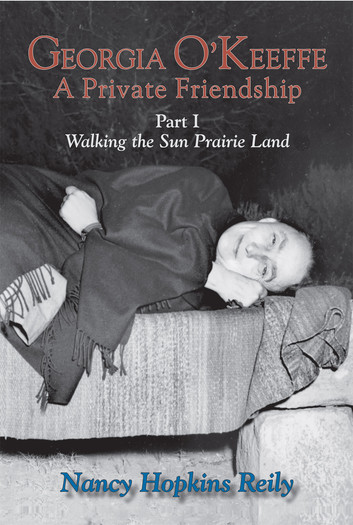
Description
Georgia O’Keeffe Private Friendship: An Intimate Portrait of the Legendary Artist
Introduction to a Remarkable Bond
“Georgia O’Keeffe, A Private Friendship, Part I: Walking the Sun Prairie Land” offers readers an intimate glimpse into the life of America’s most iconic modernist painter. Author Nancy Hopkins Reily chronicles her personal connection with the legendary artist.
This Georgia O’Keeffe private friendship memoir reveals the woman behind the famous paintings. Moreover, it explores the landscapes that shaped O’Keeffe’s artistic vision. Consequently, readers discover a side of the artist rarely seen in traditional biographies.
The book takes its title from O’Keeffe’s Wisconsin birthplace, Sun Prairie. Furthermore, it establishes the geographical and emotional terrain of their relationship. Reily’s narrative voice feels authentic and warm throughout the pages. Additionally, her storytelling captures the essence of genuine human connection.
The Author’s Unique Perspective
Nancy Hopkins Reily brings a fresh perspective to O’Keeffe scholarship. Unlike academic biographers, she writes from personal experience and direct observation. Therefore, her account feels immediate and emotionally resonant. Meanwhile, she maintains respect for O’Keeffe’s privacy and dignity.
Reily first encountered O’Keeffe during the artist’s later years. However, their bond quickly deepened beyond casual acquaintance. The author documents conversations, shared moments, and quiet observations. Subsequently, she creates a portrait that feels three-dimensional and alive.
Walking Through O’Keeffe’s World
The memoir emphasizes the importance of landscape in O’Keeffe’s life and work. Specifically, it explores how place shaped the artist’s creative vision. O’Keeffe’s connection to the American Southwest is well documented. Nevertheless, Reily also examines her Midwestern roots and their lasting influence.
The “walking” metaphor in the title carries multiple meanings. First, it references literal walks the two women shared together. Second, it suggests a journey through memory and artistic legacy. Finally, it evokes the patient, observant approach required to truly know someone.
Key Themes Explored in Part I
This Georgia O’Keeffe private friendship narrative addresses several important themes:
- Artistic inspiration and the creative process
- The relationship between artist and landscape
- Aging, independence, and maintaining dignity
- Female friendship across generational divides
- The tension between public persona and private self
Each theme emerges naturally through anecdotes and shared experiences. Moreover, Reily avoids heavy-handed analysis or interpretation. Instead, she allows O’Keeffe’s words and actions to speak for themselves.
O’Keeffe’s Personality and Character
Reily portrays O’Keeffe as complex, sometimes contradictory, yet always compelling. The artist emerges as fiercely independent and protective of her solitude. However, she also valued meaningful connections with select individuals. Furthermore, O’Keeffe possessed a sharp wit and keen observational skills.
The memoir reveals O’Keeffe’s daily routines and personal habits. Additionally, it shows her dedication to her craft even in advanced age. Consequently, readers understand the discipline behind her artistic achievements. Meanwhile, they also see her vulnerability and human struggles.
The New Mexico Setting
Much of the narrative unfolds in O’Keeffe’s beloved New Mexico. The stark desert landscape becomes almost a character itself. Indeed, Reily describes the light, colors, and vast spaces with poetic precision. Therefore, readers can visualize the environment that captivated O’Keeffe for decades.
The author explores how O’Keeffe’s homes reflected her aesthetic sensibility. Her Abiquiu residence featured clean lines and minimal decoration. Moreover, every object seemed carefully chosen and purposefully placed. Subsequently, the spaces themselves became extensions of her artistic vision.
Conversations and Shared Moments
Reily recounts numerous conversations that reveal O’Keeffe’s thoughts and perspectives. These dialogues cover art, life, relationships, and creative philosophy. Furthermore, they demonstrate O’Keeffe’s directness and occasional bluntness. However, they also show her capacity for warmth and humor.
The memoir includes quiet moments of companionship alongside deeper discussions. Sometimes the women simply sat together, observing the landscape. Other times they engaged in practical activities like preparing meals. Consequently, the friendship feels grounded in everyday reality rather than idealization.
Historical and Cultural Context
While primarily personal, the book also provides historical context. Reily situates O’Keeffe within the broader American art world. Additionally, she addresses the challenges female artists faced during O’Keeffe’s era. Therefore, readers gain appreciation for O’Keeffe’s groundbreaking achievements.
The memoir touches on O’Keeffe’s relationship with photographer Alfred Stieglitz. However, Reily focuses more on O’Keeffe’s independent identity and later years. Meanwhile, she acknowledges Stieglitz’s influence without letting it dominate the narrative.
Writing Style and Approach
Reily writes with clarity, warmth, and restraint. Her prose style mirrors O’Keeffe’s aesthetic: clean, precise, and uncluttered. Moreover, she avoids excessive sentimentality or dramatic embellishment. Instead, she trusts the inherent power of her subject matter.
The narrative moves chronologically while allowing for reflective digressions. Furthermore, Reily balances description with dialogue and personal reflection. Consequently, the pacing feels natural and engaging throughout.
Why This Memoir Matters
“Walking the Sun Prairie Land” offers something traditional biographies cannot provide. Specifically, it presents an insider’s view of O’Keeffe’s private world. Therefore, it complements rather than competes with scholarly works. Additionally, it humanizes an artist often portrayed as distant or austere.
The book appeals to multiple audiences simultaneously. Art enthusiasts gain insights into O’Keeffe’s creative process and inspirations. Meanwhile, general readers enjoy a compelling story about female friendship. Furthermore, anyone interested in aging and independence finds relevant themes.
Conclusion: A Testament to Connection
Nancy Hopkins Reily’s memoir stands as a testament to meaningful human connection. It demonstrates how friendships can bridge generational and experiential divides. Moreover, it shows the value of truly seeing and honoring another person. The Georgia O’Keeffe private friendship documented here enriched both women’s lives profoundly.
This first volume promises more revelations in subsequent installments. However, it also stands complete as its own narrative arc. Ultimately, Reily has created a valuable addition to O’Keeffe literature. She has given readers a gift: access to the private world of an extraordinary artist.







Reviews
There are no reviews yet