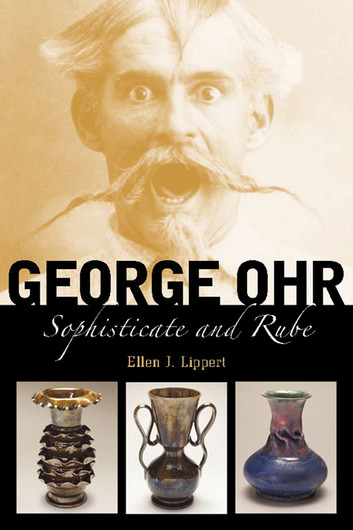
George Ohr Sophisticate and Rube by Ellen J. Lippert

Price range: $8.99 through $29.49

Ellen J. Lippert explores the complex life of “The Mad Potter,” George Ohr. This biography analyzes his eccentric persona and revolutionary ceramics. Readers discover how Ohr bridged the gap between folk art and modernism.

Additional information

Publisher

University Press of Mississippi

Release Date

November 8, 2013

Number of pages

240

Language

English

ISBN

9781628468816

Download options

Epub

Format

Digital Book, Paper Book

SKU: 9781628468816 Categories: , , , , Product ID: 25089

Description

George Ohr: Sophisticate and Rube – A Biography of America’s Mad Potter

Discovering the Genius of George Ohr

George Ohr stands as one of America’s most fascinating ceramic artists. Moreover, his life story reveals extraordinary contradictions and creative brilliance. Ellen J. Lippert’s biography explores this enigmatic figure comprehensively. The book illuminates how Ohr defied every conventional artistic category.

Between 1857 and 1918, Ohr created revolutionary ceramic works. Furthermore, he produced over 20,000 unique pieces during his lifetime. He affectionately called these creations his “mud babies.” However, the art world largely ignored him during his active years.

The Mad Potter’s Contradictory Nature

George Ohr embodied paradoxes that defined his entire existence. He was simultaneously a sophisticate and a self-proclaimed rube. Additionally, he balanced commercial showmanship with pure artistic integrity. These contradictions made him both fascinating and frustrating to contemporaries.

Lippert’s book examines how Ohr navigated these opposing identities. Moreover, she reveals how these tensions fueled his creative output. He promoted himself as a carnival barker would. Nevertheless, he refused to compromise his artistic vision for sales.

Revolutionary Artistic Vision

George Ohr’s ceramic work prefigured modernist movements by decades. His twisted, asymmetrical forms shocked Victorian sensibilities. Furthermore, his experimental glazing techniques broke every traditional rule. Critics dismissed him as eccentric rather than visionary.

Today, museums recognize Ohr as a pioneering genius. His work anticipated Abstract Expressionism and contemporary ceramic art. Therefore, collectors now prize pieces once considered unmarketable oddities. The art world finally vindicated his radical approach.

Political and Personal Philosophy

Ohr’s political beliefs were as contradictory as his art. He identified as both socialist and fierce individualist. Moreover, he championed workers’ rights while celebrating personal freedom. These seemingly incompatible positions coexisted in his worldview.

Lippert explores how these philosophies influenced his creative practice. Additionally, she examines his relationships with family and community. Ohr remained devoted to Biloxi, Mississippi, throughout his life. However, his artistic vision extended far beyond regional boundaries.

The Biloxi Years and Creative Output

George Ohr established his pottery studio in Biloxi, Mississippi. The Gulf Coast location profoundly influenced his artistic development. Furthermore, the local clay became his preferred medium. He transformed humble materials into extraordinary art objects.

His studio became a tourist attraction and performance space. Moreover, Ohr entertained visitors with outrageous stories and demonstrations. He grew an elaborate handlebar mustache for theatrical effect. Nevertheless, serious artistic work continued behind the showmanship.

Key Aspects of Ohr’s Legacy

Ellen J. Lippert’s biography highlights several crucial elements:

  • Artistic Innovation: Ohr pioneered techniques that influenced generations of ceramicists
  • Self-Promotion: He understood marketing decades before modern advertising emerged
  • Preservation Instinct: He stored thousands of pieces, predicting future recognition
  • Regional Identity: His Southern roots shaped both his persona and art
  • Modernist Precursor: His work anticipated artistic movements by fifty years

Commercial Huckster Meets Selfless Artist

George Ohr’s approach to selling art defied conventional wisdom. He promoted himself relentlessly at world’s fairs and exhibitions. However, he often refused to sell pieces he considered important. This contradiction puzzled potential buyers and critics alike.

Lippert analyzes this complex relationship with commerce. Moreover, she reveals how Ohr valued artistic integrity above profit. He priced some works impossibly high to prevent their sale. Therefore, he accumulated vast inventory throughout his career.

The Mud Babies: Ohr’s Ceramic Children

George Ohr referred to his ceramic pieces as “mud babies.” This affectionate term revealed his emotional connection to his work. Furthermore, it demonstrated his view of creation as almost biological. Each piece represented a unique offspring of his imagination.

He treated these objects with parental protectiveness. Moreover, he stored thousands in his studio rather than sell them. This decision preserved his legacy for future generations. Consequently, museums now hold comprehensive collections of his work.

Rediscovery and Modern Recognition

Decades after Ohr’s death, the art world rediscovered his genius. A New Jersey antiques dealer found his stored collection. Moreover, this discovery revolutionized understanding of American ceramic art. Suddenly, Ohr’s reputation transformed from eccentric to visionary.

Major museums began acquiring his work aggressively. Additionally, scholars recognized his influence on modernist movements. Prices for authentic Ohr pieces skyrocketed at auction. Therefore, the “Mad Potter” finally received his due recognition.

Lippert’s Biographical Approach

Ellen J. Lippert brings scholarly rigor to Ohr’s story. Her research draws from extensive archival materials and correspondence. Furthermore, she contextualizes Ohr within broader American art history. The biography balances academic analysis with engaging narrative.

She explores primary sources that previous biographers overlooked. Moreover, Lippert interviews descendants and examines family records. This thorough approach reveals new dimensions of Ohr’s personality. Consequently, readers gain unprecedented insight into his motivations.

The Sophisticate Within the Rube

George Ohr deliberately cultivated his “rube” persona for public consumption. However, his artistic knowledge demonstrated sophisticated understanding of ceramic traditions. He studied European and Asian pottery techniques extensively. Therefore, his seemingly naive approach masked deep technical expertise.

Lippert examines this calculated performance of rustic simplicity. Moreover, she reveals how Ohr manipulated public perception strategically. His wild appearance and eccentric behavior attracted attention. Nevertheless, serious collectors recognized the genius beneath the showmanship.

Technical Innovation and Experimentation

George Ohr pushed ceramic techniques to unprecedented extremes. He threw impossibly thin-walled vessels that defied structural logic. Furthermore, he twisted and manipulated forms while clay remained wet. These techniques required extraordinary skill and timing.

His glazing experiments produced unpredictable, stunning results. Moreover, he embraced accidents and incorporated them into finished pieces. Traditional potters valued control and consistency above all. However, Ohr celebrated spontaneity and unique variation in every work.

Why This Biography Matters Today

Lippert’s book arrives at a crucial moment for ceramic art. Contemporary artists increasingly recognize Ohr’s pioneering influence. Moreover, his story resonates with modern discussions about artistic authenticity. The tension between commerce and art remains perpetually relevant.

His example encourages artists to maintain creative integrity. Additionally, his story demonstrates the importance of self-belief. Ohr persisted despite decades of critical dismissal and commercial failure. Therefore, his eventual vindication inspires contemporary creative practitioners.

Conclusion: Understanding a Complex Legacy

“George Ohr: Sophisticate and Rube” offers definitive insight into American art history. Ellen J. Lippert successfully captures the contradictions that defined this remarkable artist. Furthermore, she demonstrates how those contradictions fueled extraordinary creativity. The biography reveals Ohr as neither simply sophisticate nor rube.

Instead, he emerges as a complex figure who transcended easy categorization. His legacy challenges conventional understanding of artistic development and recognition. Moreover, his story reminds us that true innovation often faces initial rejection. The Mad Potter of Biloxi ultimately proved that artistic vision outlasts contemporary criticism.

Reviews

There are no reviews yet.

Be the first to review “George Ohr Sophisticate and Rube by Ellen J. Lippert”

Your email address will not be published. Required fields are marked *

E-mail
Password
Confirm Password