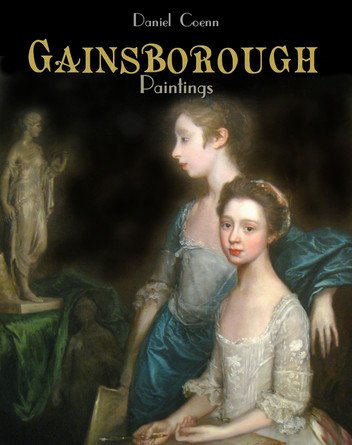
Description
Discover England’s Master of Elegance and Light
Gainsborough Paintings presents a comprehensive digital collection celebrating Thomas Gainsborough, one of England’s most beloved 18th-century artists. This portable gallery showcases works by the painter who revolutionized British portraiture and landscape art with unprecedented grace and naturalism.
Moreover, it provides convenient access to masterpieces that defined Georgian elegance and established the British landscape tradition. The collection honors an artist whose fluid brushwork and luminous palette captured both aristocratic splendor and rural beauty.
Understanding Gainsborough Paintings and Their Enduring Appeal
Thomas Gainsborough lived from 1727 to 1788, becoming the most versatile English painter of his century. He achieved fame through extraordinary skill in both portraiture and landscape painting with equal mastery. Furthermore, he developed a distinctive style that balanced technical brilliance with emotional warmth throughout his career. His paintings radiated elegance, spontaneity, and naturalism that distinguished him from more formal contemporaries.
Gainsborough trained in London under Hubert Gravelot, absorbing Rococo techniques and French artistic sensibilities thoroughly. He studied works by Anthony van Dyck and absorbed influences from Peter Paul Rubens and Dutch landscapists. Additionally, he developed a lighter, more fluid approach than the heavy academic style favored by rivals. Thus, he created a uniquely English aesthetic that emphasized grace over grandeur and feeling over formality.
He worked in Sudbury, Ipswich, Bath, and finally London, building his reputation across four decades. Bath provided abundant commissions from fashionable society seeking elegant portraits in the latest style. Moreover, London brought royal patronage and recognition as one of Britain’s leading artists by the 1770s. Hence, his career exemplifies how artistic excellence combined with social skill could bring remarkable success.
The Blue Boy: Gainsborough’s Most Iconic Masterpiece
Gainsborough painted “The Blue Boy” around 1770, creating what became his most famous work internationally. This full-length portrait shows a young gentleman dressed in shimmering blue Van Dyck costume with extraordinary skill. Furthermore, the painting demonstrates his mastery of color, light, and texture in a single stunning composition. Thus, it became an icon of British art that remains instantly recognizable worldwide today.
The subject wears a blue satin doublet and breeches that shimmer with reflected light throughout the composition. Gainsborough captured the fabric’s texture with loose, confident brushstrokes that suggest rather than describe every detail. Moreover, he set the figure against a moody landscape that enhances the costume’s brilliant blue tones. Hence, the painting achieves a harmony of color and composition that defies traditional academic rules.
A persistent legend claims Gainsborough painted this work to contradict his rival Joshua Reynolds’s color theories. Reynolds had stated that warm colors should dominate paintings while cool blues should remain in backgrounds. Additionally, Reynolds believed that following Old Master examples required strict adherence to established compositional rules. Therefore, Gainsborough’s bold use of blue as the dominant color challenged conventional artistic wisdom dramatically.
However, scholars now know Gainsborough painted “The Blue Boy” before Reynolds made his famous statements. The painting reflects Gainsborough’s admiration for Van Dyck rather than any rivalry with Reynolds specifically. Nevertheless, it demonstrates his willingness to trust his own artistic instincts over academic prescriptions consistently. Thus, the work embodies his innovative spirit and confidence in his unique artistic vision completely.
Portraits of Elegance: Capturing Georgian Society
Gainsborough Paintings reveal his extraordinary ability to capture personality and social status with apparent effortlessness. He painted aristocrats, wealthy merchants, actors, musicians, and royal family members with equal sensitivity. Furthermore, he avoided the heavy symbolism and classical references that Reynolds favored in his portraits. Thus, his subjects appear as real people rather than idealized figures from ancient mythology or history.
His portrait style evolved dramatically from his early Suffolk period through his Bath years. Early works show careful detail and Dutch influence with darker palettes and precise brushwork throughout. Moreover, his Bath portraits demonstrate increasing confidence with looser handling and more elegant compositions consistently. Hence, his mature London portraits achieve a perfect balance of likeness, elegance, and painterly freedom.
“Mr and Mrs Andrews” exemplifies his early style with its combination of portraiture and landscape. The young couple appears in their Suffolk estate with meticulous attention to agricultural details visible. Additionally, the painting celebrates land ownership while capturing the sitters’ personalities with remarkable directness. Therefore, it demonstrates how Gainsborough merged his two great loves—portraiture and landscape—into unified compositions.
“The Morning Walk” shows his mature style at its finest with newlyweds strolling in romantic landscape. The couple’s elegant costumes shimmer with light while feathery brushstrokes animate the surrounding foliage beautifully. Moreover, the painting captures a fleeting moment of fashionable leisure with extraordinary grace and spontaneity. Hence, it exemplifies the refined elegance that made Gainsborough the favorite painter of Georgian high society.
Gainsborough Paintings: Landscapes of the Heart
Despite his success as a portraitist, Gainsborough declared that landscape was his true passion. He painted portraits for money but created landscapes because he loved them with genuine devotion. Furthermore, he became a founder of the British landscape school alongside Richard Wilson in the 18th century. Thus, his landscape paintings established traditions that influenced John Constable and later English landscape artists.
His early landscapes show strong Dutch influence with careful detail and naturalistic observation of Suffolk countryside. He studied works by Jacob van Ruisdael and other 17th-century Dutch masters with great attention. Moreover, he painted directly from nature in his youth, capturing specific locations with topographical accuracy. Hence, works like “Cornard Wood” demonstrate his early commitment to naturalistic landscape representation faithfully.
His mature landscapes became more imaginative and atmospheric with increasing freedom of handling throughout. He often composed landscapes in his studio using models made from cork, moss, and broccoli. Additionally, he painted many landscapes by candlelight to study effects of light and shadow carefully. Therefore, his later works emphasize mood and poetic feeling over topographical accuracy or botanical precision.
“The Watering Place” demonstrates his mature landscape style inspired by Rubens’s pastoral scenes magnificently. Peasants water their horses in a wooded glade painted with rich colors and energetic brushwork. Moreover, the composition creates a sense of rural peace and natural abundance that appealed to urban viewers. Hence, it exemplifies how Gainsborough transformed landscape painting into an expression of feeling and imagination.
The Feathery Touch: Gainsborough’s Revolutionary Technique
Gainsborough developed a distinctive painting technique that contemporaries called his “feathery” or “hatching” manner consistently. He applied thin paint layers with light, rapid brushstrokes that created shimmering, atmospheric effects throughout compositions. Furthermore, he worked quickly with extraordinary confidence, sometimes completing portraits in remarkably short time periods. Thus, his technique gave his paintings a sense of spontaneity and freshness that seemed effortless.
His brushwork varied from precise detail in faces to loose, suggestive strokes in costumes and backgrounds. He painted flesh tones with particular sensitivity, capturing skin’s translucency and warmth with subtle gradations. Moreover, he rendered fabrics with convincing texture while maintaining overall compositional unity and atmospheric coherence consistently. Hence, his technical excellence served expressive purposes rather than mere virtuoso display or academic correctness.
He used long brushes that allowed him to stand back from his canvas while painting. This distance helped him judge overall effects rather than getting lost in minute details unnecessarily. Additionally, he often worked on a dark ground that gave his paintings their characteristic luminosity and depth. Therefore, his technical methods supported his artistic goals of capturing fleeting impressions and atmospheric effects.
His palette emphasized light, luminous colors with subtle harmonies rather than strong contrasts or dramatic effects. He favored silvery blues, soft greens, warm pinks, and golden tones that created gentle, elegant atmospheres. Moreover, he avoided the dark shadows and heavy chiaroscuro that characterized more dramatic Baroque painting styles. Hence, his paintings possess a distinctive lightness and airiness that viewers recognize immediately as characteristically Gainsborough.
Influences and Inspirations: Learning from the Masters
Gainsborough studied and copied works by Old Masters throughout his career with dedicated attention consistently. Anthony van Dyck influenced him most profoundly, providing models for elegant portraiture and fluid brushwork. Furthermore, he admired Van Dyck’s ability to capture aristocratic grace while maintaining naturalism and psychological insight. Thus, he adopted Van Dyck’s approach while developing his own more informal and spontaneous style.
Peter Paul Rubens inspired his landscape paintings and his rich, painterly handling of color and light. He saw Rubens’s “The Watering Place” in London and immediately recognized its greatness with enthusiasm. Moreover, he painted his own version as homage while incorporating his own more delicate sensibility. Hence, he demonstrated how artists could learn from predecessors while maintaining individual artistic identity.
Dutch 17th-century landscapists including Jacob van Ruisdael influenced his early naturalistic landscape approach significantly. He studied their careful observation of nature and atmospheric effects with great interest and attention. Additionally, he learned from their compositional strategies and treatment of light filtering through trees beautifully. Therefore, his early landscapes show clear debts to Dutch traditions while developing distinctly English character.
French Rococo art influenced his elegant compositions and light, decorative approach to subject matter consistently. His teacher Gravelot introduced him to French artistic traditions and Rococo sensibilities in his youth. Moreover, he admired Jean-Antoine Watteau’s fêtes galantes and their combination of figures and landscape settings. Hence, his work synthesized multiple European traditions into a distinctive English style that balanced elegance with naturalism.
The Rivalry with Reynolds: Two Approaches to Art
Gainsborough and Joshua Reynolds dominated British portraiture during the second half of the 18th century. Reynolds served as first president of the Royal Academy and promoted academic principles in his lectures. Furthermore, he emphasized learning from Old Masters and following established rules of composition and color theory. Thus, he represented the academic approach to art that valued intellectual content and classical references.
Gainsborough remained largely aloof from Royal Academy activities despite being a founding member in 1768. He rarely attended meetings and eventually stopped exhibiting there after disputes about hanging his paintings. Moreover, he rejected Reynolds’s emphasis on classical learning and intellectual content in favor of direct observation. Hence, he represented a more intuitive, spontaneous approach that valued feeling over theory and rules.
Their artistic differences reflected contrasting personalities and working methods that contemporaries recognized and discussed frequently. Reynolds painted slowly and deliberately, building up compositions with careful planning and multiple sittings required. Additionally, he employed numerous assistants who helped execute his paintings according to his detailed instructions. Therefore, his portraits often appear more formal and composed than Gainsborough’s more spontaneous works consistently.
Gainsborough worked quickly and alone, trusting his eye and hand rather than theoretical principles. He preferred to paint friends and sympathetic sitters rather than formal state portraits or historical subjects. Moreover, he expressed frustration with portrait commissions that prevented him from painting landscapes he loved. Hence, his work maintains a freshness and immediacy that distinguishes it from Reynolds’s more intellectual approach.
Royal Patronage and Academic Recognition
Gainsborough became a founding member of the Royal Academy when it formed in 1768. This recognition confirmed his status as one of Britain’s leading artists alongside Reynolds and others. Furthermore, it provided opportunities to exhibit his work annually to London’s fashionable society and critics. Thus, Royal Academy exhibitions helped establish his national reputation beyond his Bath clientele significantly.
He received royal commissions in 1780 when he painted portraits of King George III and Queen Charlotte. The royal couple preferred his style to Reynolds’s more formal approach for their personal portraits. Moreover, Queen Charlotte particularly admired his work and owned twenty-two of his drawings and paintings. Hence, royal patronage confirmed his position as Britain’s most fashionable portrait painter during the 1780s.
However, his relationship with the Royal Academy became strained over disputes about exhibition arrangements repeatedly. He withdrew his paintings from exhibitions when the Academy refused to hang them according to his specifications. Additionally, he held private exhibitions at his London studio to maintain control over presentation of his work. Therefore, he demonstrated independence and confidence in his own judgment despite institutional pressures to conform.
His reputation continued growing after his death in 1788 as collectors increasingly valued his work. The 19th century saw him celebrated as quintessentially English in sensibility and subject matter consistently. Moreover, his influence on later British artists including Constable and Turner confirmed his historical importance significantly. Hence, he achieved lasting recognition as one of Britain’s greatest artists and a founder of national traditions.
Key Masterpieces in This Digital Collection
This comprehensive collection features Gainsborough’s most celebrated works spanning his entire career from early to late periods. Multiple portraits demonstrate his evolution from careful early style to fluid mature manner with increasing confidence. Moreover, major landscapes reveal his lifelong passion for rural scenery and atmospheric effects throughout his career. These masterpieces explain why Gainsborough remains one of Britain’s most beloved and admired artists today.
“The Blue Boy” stands as his most iconic work, demonstrating his mastery of color and costume. The shimmering blue satin and elegant pose capture 18th-century aristocratic grace with extraordinary skill and sensitivity. Furthermore, the painting’s fame extends far beyond art historical circles into popular culture worldwide consistently. Thus, it represents Gainsborough’s achievement in creating images that transcend their time and place completely.
“Mr and Mrs Andrews” combines portraiture and landscape in his characteristic early style with remarkable success. The young couple appears in their Suffolk estate with agricultural prosperity visible in carefully painted background. Additionally, the work demonstrates his ability to capture personality while celebrating English countryside and land ownership. Hence, it exemplifies how he merged different genres into unified compositions that satisfied multiple purposes.
Important works featured in this collection include:
- “The Blue Boy” (c. 1770) – his most famous portrait in shimmering blue costume
- “Mr and Mrs Andrews” (c. 1750) – early masterpiece combining portrait and landscape
- “The Morning Walk” (1785) – elegant marriage portrait with romantic landscape setting
- “The Painter’s Daughters Chasing a Butterfly” (c. 1756) – tender family portrait showing his children
- “Mrs. Siddons” (1785) – portrait of the famous actress in elegant pose
- “The Watering Place” (before 1777) – major landscape inspired by Rubens
- “Cornard Wood” (1748) – early naturalistic Suffolk landscape
- “The Market Cart” (1786) – late landscape with rural figures
Gainsborough’s Influence on British Art
Gainsborough helped establish portraiture and landscape as distinctly British artistic traditions during the 18th century. His elegant portraits defined Georgian taste and influenced generations of later portrait painters significantly and permanently. Furthermore, his landscapes inspired the great Romantic landscapists including Constable and Turner in following generations. Thus, his impact extended far beyond his own lifetime into the development of British art.
John Constable particularly admired Gainsborough’s landscapes and studied them carefully throughout his career with dedication. He declared that he saw “Gainsborough in every hedge and hollow tree” of his own paintings. Moreover, Constable adopted Gainsborough’s love of English countryside and naturalistic observation as foundations for his work. Hence, Gainsborough’s landscape tradition continued through Constable into Victorian art and beyond into modern times.
His fluid brushwork and emphasis on capturing fleeting impressions anticipated Impressionist techniques by nearly a century. French Impressionists admired his ability to suggest form and atmosphere with loose, rapid brushstrokes effectively. Additionally, his light palette and interest in atmospheric effects paralleled Impressionist concerns with light and color. Therefore, art historians recognize him as a precursor to modern painting’s emphasis on direct observation.
His influence extended beyond Britain to European and American artists who admired his technical brilliance. American collectors particularly prized his portraits during the 19th and early 20th centuries enthusiastically. Moreover, his work commanded record prices and inspired American portrait painters seeking elegant, naturalistic styles. Hence, his reputation as one of the great European masters remains secure in international art history.
The Distinctive Character of Gainsborough Paintings
Gainsborough Paintings showcase an artist who celebrated elegance, naturalness, and feeling above academic rules consistently. His portraits capture individual personality with sympathy and insight rather than imposing classical formulas artificially. Furthermore, his landscapes express genuine love of nature and rural life rather than following conventional formulas. Thus, his work embodies a humanistic vision that recognized beauty in both aristocratic elegance and natural scenery.
His paintings avoid harsh judgment, moralizing, or heavy symbolism that characterized some 18th-century art significantly. He emphasized grace, beauty, and natural feeling rather than intellectual content or classical learning throughout his career. Moreover, even his portraits of the wealthy avoid ostentation in favor of refined elegance and natural dignity. Hence, his optimistic, graceful worldview distinguishes him from more severe or intellectual contemporaries like Reynolds.
This elegance made his paintings beloved by fashionable society and later collectors who valued refinement. His images functioned effectively as status symbols while maintaining artistic integrity and genuine feeling simultaneously. Additionally, his landscapes provided pleasure and escape without heavy-handed moralizing or social criticism unnecessarily. Therefore, his art succeeded in multiple contexts from aristocratic drawing rooms to public exhibitions and museums.
Technical Mastery of Light, Color, and Atmosphere
Gainsborough demonstrated extraordinary technical skill in creating luminous, atmospheric effects throughout his paintings consistently. He manipulated light and color to create a sense of air and space that envelops his figures. Furthermore, he achieved subtle gradations of tone that suggest depth and atmosphere without harsh contrasts or dramatic effects. Thus, his technical excellence enhanced his paintings’ emotional impact and visual beauty rather than calling attention to itself.
His treatment of fabrics shows particular mastery with convincing textures rendered through loose, suggestive brushwork. He painted silk, satin, velvet, and lace with distinctive textures that viewers can almost feel. Moreover, he captured how light reflects differently from various materials with subtle observation and skilled execution. Hence, his portraits convey both visual beauty and tactile richness that enhance their sense of presence.
His atmospheric effects create a sense of infinite space and luminous air that surrounds his figures convincingly. He dissolved backgrounds into soft focus that suggested depth without distracting from main subjects effectively. Additionally, he used atmospheric perspective to create spatial recession and unite compositions through consistent lighting throughout. Therefore, his technical mastery served compositional clarity and emotional impact rather than mere virtuoso display alone.
Gainsborough’s Approach to Portraiture
Gainsborough approached portraiture with emphasis on capturing likeness and personality rather than imposing classical formulas. He painted his subjects as real people with individual characteristics rather than idealized types from mythology. Furthermore, he avoided the heavy symbolism and classical references that Reynolds favored in his grand manner portraits. Thus, his portraits maintain freshness and immediacy that makes them feel contemporary even today.
He preferred to paint friends, musicians, actors, and sympathetic sitters rather than formal state portraits. His best portraits show genuine engagement with subjects who interested him personally and emotionally consistently. Moreover, he expressed frustration with difficult or unsympathetic sitters who demanded formal, conventional treatments repeatedly. Hence, his portraits vary in quality depending on his relationship with and interest in his subjects.
His portrait compositions evolved from early stiffness to mature fluidity and grace over his career. Early portraits show careful detail and conventional poses influenced by Dutch and French examples primarily. Additionally, his Bath portraits demonstrate increasing confidence with more elegant poses and looser brushwork throughout. Therefore, his mature London portraits achieve perfect balance of likeness, elegance, and painterly freedom consistently.
Landscapes: Gainsborough’s True Passion
Despite his success as a portraitist, Gainsborough repeatedly declared that landscape was his true artistic love. He famously stated that he painted “portraits for money and landscapes because he loved them” throughout his career. Furthermore, he expressed a desire to retire from portraiture and devote himself entirely to landscape painting. Thus, his landscapes represent his most personal artistic expression and deepest creative satisfaction consistently.
His landscapes range from early naturalistic Suffolk scenes to late imaginative compositions with increasing freedom. Early works show specific locations painted with topographical accuracy and careful observation of natural details. Moreover, his mature landscapes become more atmospheric and poetic with emphasis on mood over precise description. Hence, his landscape style evolved from naturalism toward romantic expression of feeling and imagination progressively.
He often painted landscapes as gifts for friends rather than for sale to clients or exhibition. These personal works allowed him freedom to experiment without commercial constraints or patron expectations limiting him. Additionally, he created landscapes in various media including oil, watercolor, and drawing with equal enthusiasm. Therefore, his landscapes reveal his artistic personality more fully than his commissioned portraits often could.
The Portable Gallery: Gainsborough Paintings in Your Pocket
This extensive collection features Gainsborough Paintings from throughout his career spanning four decades of production. It includes his most famous portraits alongside lesser-known masterpieces that demonstrate his range and versatility. Moreover, the collection showcases both portraits and landscapes that reveal his dual mastery and consistent excellence. Thus, viewers gain a complete overview of his artistic achievement and development over time comprehensively.
The collection emphasizes his technical mastery including his fluid brushwork and luminous atmospheric effects throughout works. Viewers will find numerous examples of his skill at rendering fabrics, flesh tones, and landscape details. Furthermore, high-quality digital images allow close examination of his brushwork and surface qualities in detail. Hence, the collection serves both casual appreciation and serious study of his artistic methods effectively.
Gainsborough Paintings provides convenient access to works scattered across British museums and international collections worldwide. Traditional art books are expensive and difficult to transport while traveling or studying in various locations. However, digital collections offer instant access on phones, tablets, and computers anywhere with immediate convenience. Additionally, users can zoom in to examine details that reveal Gainsborough’s technique and compositional choices clearly.
For Students, Art Lovers, and British Culture Enthusiasts
This collection serves diverse audiences interested in British art, Georgian culture, and portrait painting comprehensively. Students gain convenient reference material for courses in British art history, 18th-century studies, and portrait painting. Moreover, scholars appreciate having comprehensive image collections for research and teaching without expensive museum visits. The accessible format supports both casual appreciation and serious academic study effectively and efficiently.
Art enthusiasts discover or rediscover a master whose paintings combine technical excellence with emotional warmth consistently. Gainsborough’s works reward repeated viewing as viewers notice new details and appreciate his sophisticated compositions. Furthermore, the collection allows building personal relationships with specific works through frequent, convenient access over time. Hence, it supports sustained engagement that deepens artistic understanding and appreciation of British art significantly.
Teachers and educators find the portable format ideal for classroom presentations and student assignments across levels. Digital images project clearly for group viewing and discussion of technique, composition, and cultural context. Additionally, students can access the same images for homework and independent study outside class time. Therefore, the collection enhances art education from introductory surveys to advanced graduate seminars in British art.
Gainsborough and Georgian Society
Gainsborough’s paintings embody Georgian elegance and the social world of 18th-century Britain perfectly and completely. His portraits document fashionable society from wealthy merchants to royal family with remarkable comprehensiveness consistently. Furthermore, his landscapes reflect contemporary attitudes toward nature, rural life, and land ownership during the period. Thus, his work provides invaluable visual evidence of Georgian culture, taste, and social values comprehensively.
His portraits show evolution of fashion from 1740s through 1780s with meticulous attention to costume details. He painted the elaborate wigs, silk gowns, and fashionable accessories that defined Georgian elegance with loving care. Moreover, his attention to contemporary fashion makes his portraits valuable documents of changing styles and tastes. Hence, his work interests fashion historians and social historians as much as art historians today.
His landscapes reflect Georgian attitudes toward countryside as source of beauty, prosperity, and national identity. He painted rural scenes that celebrated English landscape while avoiding harsh realities of agricultural labor. Additionally, his landscapes appealed to urban viewers who valued countryside as escape from city life. Therefore, his work embodies complex Georgian attitudes toward nature, land, and rural life that shaped British culture.
The Influence of Van Dyck on Gainsborough Paintings
Anthony van Dyck’s influence on Gainsborough cannot be overstated as it shaped his entire artistic approach. Van Dyck established the grand manner of British portraiture in the 17th century with lasting impact. Furthermore, his elegant compositions and fluid brushwork provided models that Gainsborough studied and emulated throughout his career. Thus, Van Dyck’s legacy lived on through Gainsborough into the Georgian period and beyond.
Gainsborough copied several Van Dyck portraits to understand his technique and compositional strategies in detail. He studied how Van Dyck posed figures, arranged drapery, and created elegant, natural-seeming compositions with great attention. Moreover, he adopted Van Dyck’s practice of painting thinly with fluid brushwork rather than heavy impasto. Hence, he became Van Dyck’s most successful heir in British portraiture during the 18th century.
“The Blue Boy” pays direct homage to Van Dyck through its 17th-century costume and elegant pose. The blue satin doublet and breeches recall Van Dyck’s portraits of aristocratic children with clear intention. Additionally, the painting’s fluid brushwork and elegant composition demonstrate Gainsborough’s mastery of Van Dyck’s techniques. Therefore, it represents both homage to a great predecessor and demonstration of Gainsborough’s own artistic achievement.
Why Gainsborough Paintings Matter Today
Thomas Gainsborough created paintings that continue moving viewers with their beauty, elegance, and technical excellence. His innovative approach to portraiture and landscape established new possibilities for British art with lasting impact. Moreover, his work contributed fundamentally to British cultural identity and artistic traditions during a critical period. Gainsborough Paintings in this convenient digital collection ensures his legacy remains accessible to contemporary audiences worldwide.
His extraordinary ability to combine technical mastery with emotional warmth established new standards for portrait painting. He proved that portraits could capture personality and feeling without heavy symbolism or classical references. Furthermore, his emphasis on natural grace and elegant simplicity anticipated modern preferences for directness over artifice. Thus, his artistic achievements carried both historical significance and continuing relevance for contemporary viewers.
This essential collection belongs in every art lover’s digital library alongside the great British masters. It offers both immediate visual pleasure and opportunities for deeper study and understanding over extended time.
Moreover, it preserves and celebrates an artist whose graceful vision established British painting’s most elegant expression. Hence, Gainsborough Paintings provides lasting value for anyone interested in British art, portrait painting, or the power of beauty and elegance in visual expression.




Reviews
There are no reviews yet.