Description
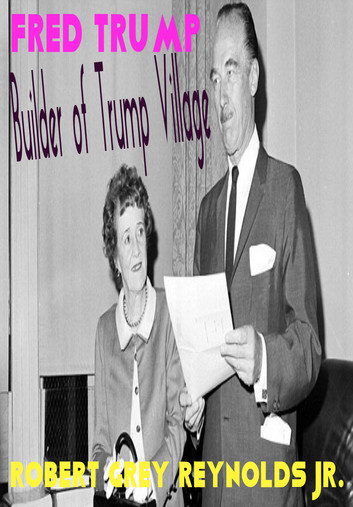
Fred Trump: Builder of Trump Village and New York Real Estate Pioneer
Understanding Fred Trump’s Legacy Through Trump Village
Robert Grey Reynolds Jr.’s “Fred Trump Builder of Trump Village” offers readers an essential exploration of Fred Trump’s remarkable career. This biography examines one of New York’s most influential real estate developers. Moreover, it reveals how Fred Trump shaped modern urban housing and built a business empire.
The book focuses on Trump Village, Fred’s ambitious Brooklyn development project. Furthermore, Reynolds traces Fred’s journey from modest beginnings to real estate magnate. Consequently, readers discover the foundation of the Trump family’s wealth and influence.
The Historical Significance of Fred Trump’s Trump Village
Trump Village stands as Fred Trump’s crowning achievement in affordable housing development. This massive complex transformed Coney Island’s landscape during the 1960s. However, the project also sparked controversy about urban renewal and government subsidies.
Reynolds examines how Fred navigated complex political and financial systems. Therefore, readers understand the strategies behind his success. Additionally, the book reveals Fred’s relationships with city officials and banking institutions.
The development housed thousands of middle-class families affordably. Indeed, Trump Village became a model for large-scale urban housing projects.
Fred Trump’s Real Estate Development Career
Fred Trump began building homes in Queens during the 1920s. His business acumen and construction expertise quickly established his reputation. Moreover, he capitalized on government housing programs during and after World War II.
Reynolds chronicles Fred’s expansion throughout Brooklyn and Queens. Furthermore, the author details specific projects that built Fred’s fortune. Consequently, readers gain insight into mid-century real estate development practices.
Key Aspects of Fred Trump’s Business Empire
Reynolds’s biography covers several critical areas:
- Government partnerships: How Fred leveraged FHA programs for profit
- Construction innovations: Cost-saving techniques that maximized returns
- Political connections: Relationships that facilitated project approvals
- Family business structure: How Fred built a dynasty
- Controversial practices: Investigations and legal challenges Fred faced
Robert Grey Reynolds Jr.’s Research Approach
Reynolds brings meticulous research to this biographical study. His investigation draws from public records and historical documents. Moreover, he contextualizes Fred Trump’s career within broader urban development trends.
The author examines both achievements and controversies objectively. Furthermore, Reynolds explores how Fred’s methods influenced his son Donald’s approach. Consequently, readers understand the Trump family’s business philosophy origins.
Why This Biography Matters Today
Contemporary readers need this historical perspective on the Trump family legacy. Therefore, Reynolds’s book illuminates the foundation of modern Trump enterprises. Additionally, it provides context for understanding current political and business dynamics.
The book serves historians, political observers, and real estate professionals equally. Scholars gain detailed analysis of post-war urban development. However, general readers enjoy accessible storytelling about American ambition and success.
Fred Trump’s Influence on Modern Real Estate
Reynolds demonstrates how Fred Trump pioneered large-scale residential development techniques. His methods became industry standards for affordable housing construction. Moreover, his approach to government programs influenced generations of developers.
The author explores Fred’s impact on New York City’s physical landscape. Furthermore, he examines the social implications of Fred’s housing projects. Consequently, readers appreciate how one developer shaped urban life for millions.
Understanding the Trump Family Business Legacy
Reynolds traces how Fred trained his children in real estate development. His business principles and strategies passed directly to Donald Trump. Therefore, understanding Fred’s career illuminates the Trump Organization’s foundations.
The book also examines Fred’s wealth accumulation and estate planning. His financial success enabled his children’s ventures and political ambitions.
Final Thoughts on This Important Biography
Robert Grey Reynolds Jr.’s “Fred Trump Builder of Trump Village” fills crucial gaps in understanding American real estate history. The book demonstrates why Fred Trump deserves recognition as a significant 20th-century developer. Moreover, it shows how individual ambition shaped urban America.
This detailed study appeals to anyone interested in New York history or real estate development. However, it particularly resonates with readers seeking to understand the Trump family’s origins. Therefore, those exploring American business dynasties will find this book invaluable.
Ultimately, Reynolds’s work ensures that Fred Trump’s complex legacy receives thorough, balanced examination.






Reviews
There are no reviews yet.