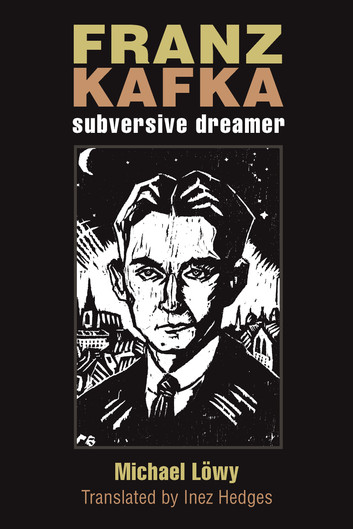
Franz Kafka: Subversive Dreamer by Michael Lowy

Author: Michael Lowy
series Michigan Studies In Comparative Jewish Cultures

Price range: $10.85 through $31.35

Michael Löwy explores the radical essence of Franz Kafka’s literary masterpieces. This biography highlights how his subversive dreams and Jewish identity shaped modern culture. It is a profound and enlightening study.

Additional information

Publisher

University of Michigan Press

Release Date

August 25, 2016

Number of pages

165

Language

English

ISBN

9780472121793

Download options

Epub

Format

Digital Book, Paper Book

SKU: 9780472121793 Categories: , , Product ID: 26098

Description

Franz Kafka: Subversive Dreamer – Understanding the Revolutionary Writer’s Legacy

Franz Kafka: The Writer Who Changed Literature Forever

Franz Kafka stands as one of the twentieth century’s most influential writers. His work transformed how we understand modern literature and human existence. Moreover, his stories continue to captivate readers worldwide today. Michael Lowy’s “Subversive Dreamer” explores the revolutionary nature of Kafka’s vision.

This book reveals Kafka as more than just a novelist. Instead, it shows him as a radical thinker who challenged society. Additionally, Lowy examines Kafka’s deep connection to Jewish culture and identity.

The biography appears in the Michigan Studies in Comparative Jewish Cultures series. Therefore, it offers unique insights into Kafka’s cultural background. Furthermore, it connects his writing to broader Jewish intellectual traditions.

What Makes Franz Kafka a Subversive Dreamer?

The term “subversive dreamer” perfectly captures Kafka’s literary approach. First, he dreamed up surreal worlds that mirrored reality’s absurdities. Second, his stories subverted conventional narrative structures and expectations. Finally, his work challenged political and social authority systems.

Kafka wrote about ordinary people trapped in incomprehensible bureaucracies. However, these weren’t just fantasy stories about strange situations. Instead, they revealed deep truths about power, alienation, and modern life.

His subversive nature emerged through subtle resistance rather than direct confrontation. Because of this approach, his work remains powerfully relevant today. Moreover, readers across cultures recognize themselves in his characters’ struggles.

The Major Works That Define Franz Kafka’s Vision

Kafka’s most famous works include several groundbreaking texts:

  • “The Metamorphosis” – a man transforms into an insect overnight
  • “The Trial” – a man faces prosecution for unknown crimes
  • “The Castle” – a land surveyor cannot reach his destination
  • “In the Penal Colony” – a horrifying execution machine symbolizes justice
  • “A Hunger Artist” – a performer starves himself for public entertainment

Each story explores themes of alienation, powerlessness, and absurdity. Additionally, they reveal how institutions dehumanize individuals systematically. Therefore, Kafka’s fiction serves as both art and social critique.

His writing style was deceptively simple yet profoundly unsettling. Because he described nightmarish situations in matter-of-fact prose, readers felt disoriented. This technique made his subversive messages even more powerful and memorable.

Franz Kafka’s Jewish Identity and Cultural Context

Lowy’s analysis emphasizes Kafka’s complex relationship with Jewish identity. First, Kafka grew up in Prague’s German-speaking Jewish community. However, he felt alienated from mainstream Jewish religious practice. Nevertheless, Jewish culture profoundly influenced his worldview and writing.

Kafka engaged deeply with Yiddish theater and Eastern European Jewish traditions. Moreover, he studied Hebrew and considered moving to Palestine. Additionally, he explored Jewish mysticism and messianic thought in his work.

His Jewish background shaped his understanding of marginalization and persecution. Because Jews faced discrimination in early twentieth-century Europe, Kafka understood oppression intimately. Therefore, his stories resonate with anyone experiencing social exclusion or powerlessness.

Lowy argues that Kafka’s Jewishness wasn’t just biographical background. Instead, it formed the core of his subversive literary vision. Furthermore, it connected him to radical Jewish intellectual movements of his era.

How Franz Kafka Challenged Literary and Social Conventions

Kafka revolutionized literature by rejecting traditional narrative structures and resolutions. First, his stories often lack clear explanations or satisfying conclusions. Second, his protagonists rarely achieve their goals or find redemption. Finally, his worlds operate by incomprehensible rules that defy logic.

This approach challenged readers’ expectations about how stories should work. Moreover, it reflected modern life’s increasing complexity and alienation. Additionally, it questioned whether meaning and justice truly exist in society.

Kafka also subverted conventional power relationships in his narratives. Because his characters cannot understand or resist the systems controlling them, readers feel their helplessness. However, this very helplessness becomes a form of resistance and critique.

His work anticipated many concerns of postmodern literature and philosophy. Therefore, later writers and thinkers frequently cite Kafka as inspiration. Furthermore, terms like “Kafkaesque” entered common language to describe bureaucratic absurdity.

The Enduring Influence of Franz Kafka on Modern Culture

Kafka’s impact extends far beyond literature into philosophy, film, and art. First, existentialist philosophers found validation in his exploration of meaninglessness. Second, filmmakers adapted his visual and narrative techniques extensively. Finally, his themes appear throughout contemporary popular culture.

Writers worldwide acknowledge Kafka’s influence on their own work. Moreover, his stories feel increasingly relevant in our bureaucratic, technological age. Additionally, his exploration of surveillance and control resonates with modern concerns.

Lowy demonstrates how Kafka’s subversive vision remains vital for understanding contemporary society. Because we still face dehumanizing institutions and incomprehensible power structures, Kafka speaks to us. Therefore, reading Kafka becomes an act of cultural and political awareness.

His work also influenced Jewish literature and thought profoundly. However, his appeal transcends any single cultural or religious tradition. Instead, Kafka addresses universal human experiences of alienation and powerlessness.

Michael Lowy’s Unique Perspective on Kafka’s Radicalism

Lowy brings a distinctive approach to understanding Kafka’s work and life. First, he emphasizes Kafka’s connection to libertarian socialism and anarchist thought. Second, he explores Kafka’s engagement with radical Jewish movements. Finally, he reveals Kafka’s critique of capitalism and modernity.

This perspective differs from traditional biographical and literary approaches. Moreover, it shows Kafka as politically engaged rather than merely neurotic. Additionally, it connects his personal struggles to broader social and historical forces.

Lowy argues that Kafka’s dreams weren’t escapist fantasies but revolutionary visions. Because they exposed society’s fundamental injustices and absurdities, they challenged readers profoundly. Therefore, understanding Kafka requires recognizing his subversive political dimensions.

The book draws on extensive research into Kafka’s letters and diaries. Furthermore, it situates Kafka within Prague’s vibrant intellectual and cultural scene. However, it remains accessible to readers without specialized academic background.

Why Franz Kafka Matters More Than Ever Today

Contemporary readers find Kafka’s work eerily prescient about modern life. First, his depictions of surveillance anticipate our digital age. Second, his bureaucratic nightmares mirror our experiences with institutions. Finally, his themes of alienation reflect our increasingly fragmented society.

Kafka understood how systems can crush individual dignity and agency. Moreover, he showed how power operates through confusion and incomprehensibility. Additionally, he revealed how people internalize their own oppression.

His work offers no easy solutions or comforting messages. However, it provides something perhaps more valuable: honest recognition of our condition. Therefore, reading Kafka becomes an act of consciousness and resistance.

Lowy’s “Subversive Dreamer” helps us understand why Kafka remains essential reading. Because it reveals the radical political dimensions of his work, we see him anew. Furthermore, it shows how his Jewish identity informed his revolutionary vision.

Conclusion: Embracing the Subversive Dreams of Franz Kafka

Franz Kafka created a body of work that continues challenging and inspiring readers. His subversive dreams exposed the nightmares lurking within modern civilization. Moreover, his stories offer profound insights into power, identity, and human existence.

Michael Lowy’s biography reveals dimensions of Kafka often overlooked by conventional criticism. Therefore, readers gain deeper appreciation for Kafka’s radical vision and cultural significance. Additionally, they understand how his Jewish identity shaped his literary rebellion.

This book belongs on the shelf of anyone interested in literature and culture. Because it combines scholarly rigor with accessible writing, it serves multiple audiences. Furthermore, it demonstrates why Kafka remains one of literature’s most important voices.

Ultimately, understanding Franz Kafka as a subversive dreamer enriches our reading experience. His work challenges us to question authority, resist dehumanization, and imagine alternatives. Therefore, engaging with Kafka becomes an essential part of cultural and political education.

Reviews

There are no reviews yet.

Be the first to review “Franz Kafka: Subversive Dreamer by Michael Lowy”

Your email address will not be published. Required fields are marked *

E-mail
Password
Confirm Password