

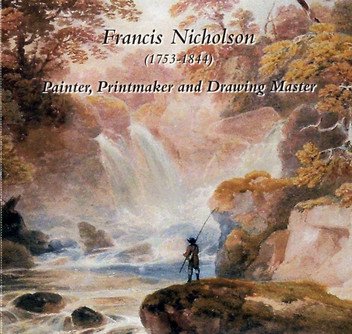
Description
Francis Nicholson (1753-1844): The Father of British Watercolor Painting
Francis Nicholson is among Britain’s most important watercolor artists. His contemporaries called him the “Father of Water Colour painting in this country.” Moreover, his remarkable career spanned an incredible nine decades of artistic achievement. Gordon Bell’s comprehensive biography explores the life and legacy of this pioneering artist. Furthermore, it reveals how Nicholson shaped the development of watercolor painting in Britain.
Early Life and Artistic Development of Francis Nicholson
Francis Nicholson was born in 1753 during the Georgian era in Britain. He showed artistic talent from a young age and pursued his passion relentlessly. Additionally, he trained in traditional painting techniques while developing his unique watercolor style. His early years laid the foundation for a career that would transform British art.
Nicholson’s formative period coincided with growing interest in landscape painting across Europe. He studied the works of earlier masters and eagerly absorbed their techniques. However, he also experimented with new approaches to watercolor, setting him apart. His dedication to the medium would eventually earn him legendary status among artists.
Career as a Painter, Printmaker, and Drawing Master
Francis Nicholson worked in multiple artistic disciplines throughout his long and productive career. He excelled as a painter, creating stunning watercolor landscapes that captured British scenery. Moreover, he produced numerous prints and engravings, making his work accessible to a wider audience. His versatility demonstrated exceptional skill across different artistic mediums and techniques.
As a drawing master, Nicholson taught countless students the fundamentals of watercolor painting. He shared his knowledge generously and helped develop the next generation of artists. Furthermore, his teaching methods emphasized observation, technique, and emotional connection to subject matter. Many of his students went on to become accomplished artists in their own right.
His printmaking work included lithographs and engravings of Georgian Britain between 1790 and 1830. These works beautifully documented the changing landscape and architecture of his era. Additionally, they provided historical records of places and scenes that no longer exist today. Nicholson’s prints remain valuable both as art and as historical documentation of Britain.
Revolutionary Contributions to Watercolor Painting
Nicholson revolutionized watercolor painting through innovative techniques and bold artistic choices. He elevated watercolor from a sketching medium to a respected fine art form. Moreover, he developed methods for achieving greater depth, luminosity, and emotional impact in watercolors. His technical innovations influenced generations of artists who followed in his footsteps.
Before Nicholson’s time, many artists viewed watercolor as inferior to oil painting. However, he demonstrated that watercolors could achieve remarkable sophistication and expressive power. Furthermore, he proved that the medium deserved recognition alongside traditional painting techniques. His advocacy helped establish watercolor as a legitimate and valued art form in Britain.
The artist’s approach to color, light, and composition set new standards for watercolor work. He mastered the delicate balance between control and spontaneity that defines great watercolor painting. Additionally, he understood how to use the medium’s unique properties to create atmospheric effects. His technical mastery, combined with artistic vision, produced works of enduring beauty and significance.
Key Achievements and Artistic Legacy
Francis Nicholson’s contributions to British art history include numerous significant achievements and lasting influences:
- Founded and helped establish the Society of Painters in Water Colours in 1804
- Created hundreds of landscape watercolors depicting British scenery and architecture
- Produced influential prints and engravings that documented Georgian Britain
- Taught drawing and watercolor techniques to multiple generations of students
- Developed innovative methods for achieving depth and luminosity in watercolor paintings
- Elevated watercolor painting from sketching medium to a respected fine art form
- Influenced the development of the British watercolor tradition for decades
- Maintained an active artistic practice for over seventy years
Nicholson’s Artistic Style and Methods
The artist’s distinctive style combined technical precision with emotional sensitivity to natural landscapes. He favored British countryside scenes, coastal views, and architectural subjects for his compositions. Moreover, his work captured the changing light and atmospheric conditions with remarkable subtlety. Nicholson’s paintings evoke both the physical reality and emotional essence of the places he depicted.
His watercolor technique involved careful layering of transparent washes to build depth and complexity. He understood how to preserve the luminosity that makes watercolor paintings so captivating. Furthermore, he knew when to leave areas untouched, allowing the white paper to create highlights. This mastery of the medium’s unique properties distinguished his work from other artists.
Nicholson’s compositions demonstrated a strong understanding of perspective, balance, and visual storytelling principles. He guided viewers’ eyes through his paintings with a skillful arrangement of elements and values. Additionally, he created a sense of space and atmosphere that drew viewers into his scenes. His artistic choices reflected both technical knowledge and an intuitive understanding of visual communication.
The Nine-Decade Career Spanning Multiple Eras
Francis Nicholson’s career lasted an extraordinary nine decades, from the 1770s until his death. He witnessed and participated in dramatic changes in British art and society. Moreover, he adapted to evolving artistic trends while maintaining his distinctive personal style. His longevity allowed him to influence multiple generations of artists and art lovers.
During his lifetime, Britain experienced the Industrial Revolution, the Napoleonic Wars, and the beginning of the Victorian era. Nicholson’s art documented these changing times through landscapes that captured Britain’s evolving character. Furthermore, his work provides visual records of places and ways of life that underwent dramatic transformation. His paintings serve as both artistic achievements and historical documents of his era.
The artist remained productive and relevant throughout his exceptionally long career in the arts. He continued creating new works and teaching students well into his advanced years. Additionally, he maintained his reputation as a leading figure in British watercolor painting. His sustained excellence over such an extended period remains remarkable in art history.
Working with Publishers and Printers
Nicholson collaborated with prominent printers and publishers to distribute his work widely throughout Britain. These partnerships made his artistic vision accessible to audiences beyond wealthy collectors and galleries. Moreover, his prints brought beautiful images of British landscapes into middle-class homes. The collaborations between artist, printer, and publisher proved mutually beneficial for all parties.
His engravings and lithographs required close cooperation with skilled craftsmen who translated his work. He worked with master engravers who could capture the subtlety and detail of his compositions. Furthermore, he maintained quality control to ensure prints faithfully represented his artistic intentions. These professional relationships helped establish his reputation and significantly expand his influence.
The published works included views of scenery throughout Britain from approximately 1790 to 1830. These publications documented the Georgian landscape before industrialization transformed much of the countryside. Additionally, they preserved images of buildings and places that later disappeared or changed dramatically. Nicholson’s published works remain valuable resources for historians and art enthusiasts today.
Influence on British Art and Watercolor Tradition
Francis Nicholson’s impact on British art extended far beyond his individual paintings and prints. He helped establish watercolor painting as a serious and respected artistic medium in Britain. Moreover, his teaching and advocacy inspired countless artists to explore watercolor’s expressive possibilities. The British watercolor tradition that flourished in the 19th century owed much to his pioneering efforts.
His role in founding the Society of Painters in Water Colours proved particularly significant. This organization provided watercolor artists with exhibition opportunities and professional recognition they previously lacked. Furthermore, it helped legitimize watercolor painting in the eyes of critics, collectors, and the public. The society continues to exist today, a testament to Nicholson’s lasting institutional contribution.
Later artists studied Nicholson’s techniques and built upon the foundation he so carefully established. His innovations in handling watercolor influenced the broader development of British landscape painting. Additionally, his emphasis on direct observation of nature aligned with emerging Romantic sensibilities. Nicholson’s legacy shaped the direction of British art for generations after his death.
Gordon Bell’s Biographical Study
Author Gordon Bell provides a comprehensive examination of Francis Nicholson’s life, work, and historical significance. The biography draws on extensive research into primary sources, contemporary accounts, and surviving artworks. Moreover, Bell contextualizes Nicholson’s career within broader developments in British art and society. The book offers both scholarly depth and accessible writing for general readers interested in art history.
Bell explores how Nicholson navigated the changing art world during his extraordinarily long career. He examines the artist’s relationships with patrons, fellow artists, students, and professional organizations. Furthermore, he analyzes Nicholson’s artistic development and the evolution of his style over the decades. The biography presents a complete portrait of the artist as both individual and historical figure.
The book includes an analysis of Nicholson’s major works and their significance in art history. Bell discusses the technical aspects of the artist’s watercolor methods and printmaking processes. Additionally, he considers Nicholson’s influence on subsequent generations of British watercolor painters. This comprehensive study establishes Nicholson’s rightful place among Britain’s most important artists.
Rediscovering a Forgotten Master
Despite his contemporary fame, Francis Nicholson’s reputation faded somewhat in the centuries after his death. Later art historians often overlooked his contributions in favor of more famous Victorian artists. However, recent scholarship has begun rediscovering and reassessing his significant achievements and lasting influence. Bell’s biography contributes to this important process of historical recovery and recognition.
Modern viewers can appreciate Nicholson’s work with fresh eyes and renewed understanding of his innovations. His watercolors demonstrate technical mastery and artistic sensitivity that remain impressive by any standard. Moreover, his role in establishing watercolor painting deserves recognition alongside his individual artistic achievements. Contemporary art lovers are rediscovering the beauty and historical importance of his work.
The biography helps restore Nicholson to his rightful place in narratives of British art history. It demonstrates how his contributions fundamentally shaped the development of watercolor painting. Furthermore, it reveals the remarkable story of an artist who remained creative and influential throughout nine decades. Bell’s work ensures that future generations will remember and appreciate this pioneering artist’s legacy.
The Historical Context of Georgian and Victorian Britain
Nicholson’s career unfolded during a period of dramatic transformation in British society and culture. He began working during the Georgian era, when landscape painting gained popularity among aristocratic patrons. Moreover, he witnessed the rise of a middle class with disposable income for art purchases. These social changes created new opportunities for artists working in accessible mediums like watercolor.
The Industrial Revolution transformed Britain’s landscape during Nicholson’s lifetime, altering both the countryside and the cities. His paintings captured scenes that would soon disappear as factories, railways, and urban development spread. Furthermore, his work documented a way of life that was vanishing even as he painted it. This historical dimension adds poignancy and value to his artistic achievements today.
By the time of his death in 1844, Britain had entered the Victorian era. The art world had changed dramatically from his youth, with new movements and styles emerging. However, Nicholson’s influence persisted through his students, his institutional contributions, and his artistic legacy. His ability to remain relevant across such vast historical changes demonstrates his adaptability and enduring talent.
Why This Biography Matters Today
Gordon Bell’s biography of Francis Nicholson serves multiple important purposes for contemporary readers and scholars. It recovers the story of a significant but underappreciated figure in British art history. Moreover, it illuminates the development of watercolor painting and its elevation to the status of fine art. The book contributes to our understanding of Georgian and Victorian art, culture, and society.
For art enthusiasts, the biography offers insights into watercolor techniques and the creative process. It reveals how one artist’s dedication and innovation transformed an entire artistic medium. Furthermore, it provides inspiration through the example of Nicholson’s sustained creativity over nine decades. His story demonstrates the power of persistence, passion, and continuous artistic development throughout life.
The book also serves historians interested in British cultural history and the evolution of artistic institutions. Nicholson’s career intersected with major social, economic, and cultural changes in Britain. Additionally, his work provides visual documentation of places and ways of life from his era. Bell’s biography thus offers value to diverse audiences interested in art, history, and culture.
Conclusion
Francis Nicholson deserves recognition as one of Britain’s most important and influential watercolor artists. His nine-decade career transformed watercolor from a sketching medium into a respected fine art form. Moreover, his technical innovations, teaching, and institutional contributions shaped British art for generations. Gordon Bell’s comprehensive biography restores this pioneering artist to his rightful place in art history.
The book reveals how Nicholson’s dedication, skill, and vision elevated an entire artistic medium. His work as a painter, printmaker, and drawing master influenced countless artists who followed him. Furthermore, his legacy continues through the British watercolor tradition he helped establish and nurture. This biography ensures that contemporary audiences can discover and appreciate his remarkable achievements.
For anyone interested in British art history, watercolor painting, or Georgian and Victorian culture, this biography proves essential reading. It tells the compelling story of an artist whose long life spanned dramatic historical changes. Additionally, it celebrates the enduring beauty and significance of Nicholson’s artistic contributions. Bell’s work honors a master whose influence deserves recognition alongside Britain’s most celebrated artists.




Reviews
There are no reviews yet.