Description
Discover Italy’s Greatest Romantic Master in Your Pocket
Francesco Hayez Paintings presents a comprehensive digital collection celebrating Italy’s most important Romantic artist of the nineteenth century. This portable gallery showcases masterpieces that defined Italian art during the Risorgimento and transformed historical painting forever. Moreover, it provides convenient access to works that blend political passion with sensual beauty and dramatic storytelling. The collection honors an artist whose paintings became symbols of Italian nationalism and cultural identity.
Understanding Francesco Hayez Paintings and Their Revolutionary Impact
Francesco Hayez lived from 1791 to 1882 and dominated Italian art for over six decades. He was born in Venice but made Milan his artistic home and creative center. Furthermore, he became the leading painter of Italian Romanticism and the Risorgimento independence movement. His long career spanned dramatic political changes as Italy transformed from fragmented states into a unified nation.
Hayez studied at the Venice Academy before moving to Rome, where he absorbed Neoclassical traditions thoroughly. He won the prestigious Rome Prize in 1809, which established his reputation early in his career. Additionally, he studied works by Renaissance masters including Titian, whose rich colors profoundly influenced his style. Thus, he combined classical training with Romantic sensibility to create a distinctively Italian artistic vision.
He settled in Milan in 1820, where he eventually became professor at the Brera Academy. Milan served as the center of Italian cultural and political life during the Risorgimento period significantly. Moreover, Hayez’s position allowed him to influence generations of Italian artists through teaching and example. Hence, his impact extended beyond his own paintings to shape Italian art’s development comprehensively.
The Kiss: Italy’s Most Iconic Romantic Painting
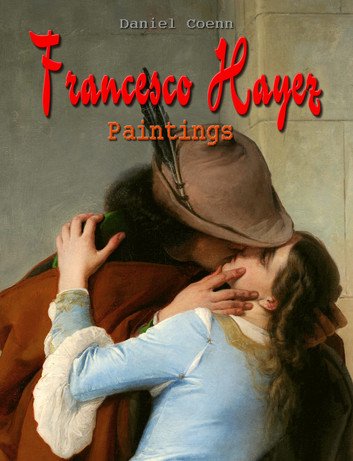
Hayez’s most famous work remains “The Kiss” painted in 1859 during Italy’s struggle for unification. The painting shows two lovers in medieval costume embracing passionately on a shadowy staircase. Furthermore, the work functioned as political allegory celebrating Italian nationalism disguised as a romantic historical scene. Thus, it became one of the most recognizable images in Italian art history permanently.
The painting’s timing coincided with the Second Italian War of Independence against Austrian rule in 1859. Contemporary viewers understood the medieval lovers as symbols of Italy’s passionate desire for freedom and unity. Moreover, the blue and red colors in the man’s costume suggested the French alliance supporting Italian independence. Hence, the painting communicated political messages through seemingly innocent romantic subject matter effectively.
Hayez created multiple versions of “The Kiss” responding to its enormous popularity and symbolic power. Each version featured slight variations in costume details, colors, and compositional elements throughout the decades. Additionally, the painting’s combination of sensuality and patriotism made it the perfect symbol for Risorgimento ideals. Therefore, this masterpiece exemplifies how Hayez merged artistic excellence with political engagement and national sentiment.
Historical Painting and the Risorgimento Movement
Hayez specialized in grand historical paintings that explored Italian history and literary traditions with passion. He depicted scenes from medieval and Renaissance periods when Italian city-states flourished culturally and politically. Furthermore, these historical subjects allowed him to comment on contemporary political situations through allegorical references. Thus, his paintings served both aesthetic and political purposes during Italy’s unification struggle simultaneously.
His historical works often featured dramatic moments of conflict, romance, or moral decision with theatrical intensity. He painted scenes from Italian literature including Dante, Ariosto, and Tasso with scholarly accuracy. Moreover, he depicted biblical and classical subjects that demonstrated his mastery of traditional academic painting. Hence, his versatility allowed him to work across multiple genres while maintaining a distinctive style.
“The Refugees of Parga” from 1831 shows Greek families fleeing Turkish occupation with emotional intensity. The painting resonated with Italian audiences experiencing similar struggles against foreign domination and oppression. Additionally, such works established Hayez as an artist who understood and expressed his generation’s political aspirations. Therefore, his historical paintings functioned as vehicles for contemporary political commentary and nationalist sentiment.
Hayez’s Masterful Portraiture and Society Connections
Hayez achieved equal fame as a portraitist capturing Milan’s aristocratic, intellectual, and artistic elite with precision. He painted politicians, writers, composers, and wealthy patrons who shaped Italian cultural life significantly. Furthermore, his portraits combined psychological insight with technical brilliance and elegant compositional arrangements throughout. Thus, he documented his era’s most important figures while creating artworks of lasting aesthetic value.
His portrait style balanced Romantic idealization with realistic observation of individual character and personality effectively. He captured subjects’ dignity and social status while revealing their inner emotional lives and intelligence. Moreover, his portraits featured rich fabrics, jewelry, and settings that demonstrated his technical mastery completely. Hence, these works satisfied patrons’ desires for impressive images while maintaining artistic integrity and quality.
He painted numerous self-portraits throughout his career that document his aging and changing appearance over the decades. These works reveal his confidence, professional pride, and awareness of his historical importance to Italian art. Additionally, they demonstrate his consistent technical excellence and ability to capture psychological depth in portraiture. Therefore, his self-portraits provide intimate glimpses into the artist’s personality and self-perception over time.
The Influence of Venetian Color and Titian’s Legacy
Hayez’s Venetian origins profoundly influenced his approach to color, which distinguished him from Roman Neoclassicists. He embraced rich, warm color harmonies inspired by Titian and the Venetian Renaissance masters. Furthermore, he used color emotionally and sensually rather than merely descriptively or decoratively throughout his compositions. Thus, his paintings glow with luminous colors that enhance their romantic and emotional impact significantly.
His study of Titian taught him to use color to create atmosphere, mood, and psychological depth. He employed warm flesh tones, rich fabrics, and glowing backgrounds that recalled Venetian painting’s golden age. Moreover, he combined this coloristic approach with Romantic subject matter to create a distinctively Italian style. Hence, he bridged Renaissance traditions and nineteenth-century Romanticism through his sophisticated color technique.
His technical mastery of oil painting allowed him to achieve subtle tonal gradations and luminous effects. He built up layers of transparent glazes over carefully prepared underpaintings with traditional methods. Additionally, he paid meticulous attention to textures including fabrics, metals, and flesh with extraordinary skill. Therefore, his paintings demonstrate both intellectual sophistication and technical excellence that few contemporaries matched.
Sensuality and Beauty in Francesco Hayez Paintings
Hayez celebrated physical beauty and sensual pleasure in ways that distinguished Italian from Northern European Romanticism. His figures possess warmth, vitality, and erotic appeal that reflect Mediterranean artistic traditions and values. Furthermore, he depicted female beauty with appreciation that balanced idealization with naturalistic observation throughout his works. Thus, his paintings appeal to the senses while maintaining dignity and avoiding vulgarity or exploitation.
His depictions of biblical and mythological subjects often emphasized their sensual and emotional dimensions powerfully. He painted Bathsheba, Magdalene, and other female figures with sympathy and psychological complexity beyond stereotypes. Moreover, his male figures display physical beauty and emotional intensity that create romantic and heroic ideals. Hence, his work celebrates human beauty as a reflection of divine creation and natural perfection.
“Ruth” from 1835 shows the biblical heroine in a moment of quiet contemplation with extraordinary grace. The painting demonstrates Hayez’s ability to combine religious subject matter with sensual beauty and emotional depth. Additionally, the rich colors and careful composition create an image of timeless feminine virtue and physical perfection. Therefore, this work exemplifies how he elevated traditional subjects through technical mastery and humanistic vision.
Literary and Theatrical Influences on His Work
Hayez drew inspiration from Italian literature including Dante, Petrarch, Ariosto, and Tasso throughout his career. He painted scenes from these literary masterpieces that brought them to visual life with dramatic intensity. Furthermore, his literary paintings demonstrate his education, cultural sophistication, and engagement with Italian intellectual traditions. Thus, his work appealed to educated audiences who recognized and appreciated these literary references immediately.
His compositions often possess a theatrical quality with dramatic lighting, gestures, and spatial arrangements throughout the scenes. He arranged figures like actors on a stage, creating clear narrative moments that viewers could understand instantly. Moreover, his use of costume, setting, and props demonstrated attention to historical accuracy and visual storytelling. Hence, his paintings function as frozen theatrical moments that capture dramatic climaxes and emotional peaks.
“The Last Kiss of Romeo and Juliet” shows Shakespeare’s tragic lovers in their final moment together. The painting combines literary subject matter with Hayez’s characteristic sensuality and emotional intensity throughout the composition. Additionally, the work demonstrates how he adapted non-Italian literature to his distinctive Italian Romantic style. Therefore, his literary paintings reveal his cosmopolitan culture while maintaining a distinctively Italian artistic character.
Hayez’s Role in Italian Cultural Nationalism
Hayez’s paintings contributed significantly to developing Italian cultural identity during the Risorgimento period crucially. His historical subjects reminded Italians of their glorious past and inspired hopes for a unified future. Furthermore, his work celebrated Italian artistic traditions and demonstrated that contemporary Italian art equaled European standards. Thus, he served the nationalist cause through cultural production as effectively as political activists and military leaders.
His position at the Brera Academy allowed him to train younger artists in Italian artistic traditions. He emphasized studying Renaissance masters and developing a distinctively Italian approach to Romantic painting throughout his teaching. Moreover, he encouraged students to engage with contemporary political and cultural issues through their artwork. Hence, his influence shaped Italian art’s development for generations beyond his own lifetime significantly.
He participated actively in Milan’s intellectual and political circles, associating with nationalist leaders and thinkers. His studio became a gathering place for discussions of art, politics, and Italian cultural identity regularly. Additionally, his paintings were exhibited and discussed as contributions to the nationalist cultural project explicitly. Therefore, he functioned as both artist and cultural activist working toward Italian unification and independence.
Key Masterpieces in This Digital Collection
Francesco Hayez Paintings includes his most celebrated works spanning his six-decade career comprehensively and thoroughly. “The Kiss” appears in multiple versions showing the painting’s evolution and enduring popularity over time. Moreover, major historical paintings demonstrate his narrative skill and technical mastery at their highest levels. These masterpieces reveal why Hayez dominated Italian art throughout the nineteenth century so completely.
“Meditation” from 1851 shows a young woman in Renaissance costume lost in contemplative thought beautifully. The painting exemplifies Hayez’s ability to create psychologically complex portraits within historical settings effectively. Furthermore, the rich colors and careful attention to costume details demonstrate his technical excellence throughout. Thus, this work combines multiple aspects of his artistic achievement in a single compelling image.
“The Destruction of the Temple of Jerusalem” from 1867 shows his skill with large-scale historical compositions. The painting depicts a dramatic biblical scene with multiple figures, complex spatial arrangement, and emotional intensity. Additionally, the work demonstrates his continued vitality and ambition even in his seventies remarkably. Hence, it proves his sustained excellence throughout his extraordinarily long and productive career.
Important works featured in this collection include:
- “The Kiss” (1859 and later versions) – iconic symbol of Italian Romanticism
- “The Refugees of Parga” (1831) – political allegory and humanitarian concern
- “Ruth” (1835) – biblical beauty and virtue
- “The Last Kiss of Romeo and Juliet” (1823) – literary tragedy and young love
- “Meditation” (1851) – psychological depth and historical costume
- “The Destruction of the Temple of Jerusalem” (1867) – large-scale historical drama
- “Portrait of Alessandro Manzoni” (1841) – Italy’s greatest novelist
- “Bathsheba Bathing” (1834) – biblical sensuality and female beauty
Comparing Hayez to European Romantic Contemporaries
Hayez’s Italian Romanticism differed significantly from French, German, and British Romantic painting in important ways. While Northern Romantics emphasized wild nature and Gothic atmosphere, Hayez focused on human drama and beauty. Furthermore, his work maintained a closer connection to Renaissance traditions than most European Romantic artists. Thus, his paintings represent a distinctively Mediterranean approach to the Romantic movement and its ideals.
French Romantic painters like Delacroix emphasized exotic subjects and violent action with dramatic brushwork throughout. Hayez preferred Italian historical subjects and more controlled, classical compositional arrangements instead, consistently. Moreover, his technique remained more traditional and careful than French Romantics’ expressive, loose handling. Hence, Italian Romanticism under Hayez’s leadership developed along a different path from French developments.
German Romantic painters like Friedrich emphasized landscape and spiritual contemplation over human subjects primarily. Hayez rarely painted pure landscapes, focusing instead on human figures and historical narratives throughout his career. Additionally, his sensual celebration of physical beauty contrasted with Northern European Romanticism’s more spiritual emphasis. Therefore, comparing Hayez to European contemporaries reveals Romanticism’s diverse national expressions and cultural variations.
The Brera Academy and Hayez’s Teaching Legacy
Hayez taught at Milan’s prestigious Brera Academy from 1850 until 1882, influencing generations of students. He emphasized rigorous technical training combined with study of Italian Renaissance masters throughout his teaching career. Furthermore, he encouraged students to develop individual styles while maintaining high standards of craftsmanship. Thus, he balanced tradition and innovation in ways that shaped Italian art’s development significantly.
His teaching methods stressed drawing from life and careful observation of nature as foundations. Students learned to construct compositions systematically and handle oil paint with traditional techniques expertly. Moreover, he insisted on understanding anatomy, perspective, and color theory thoroughly before attempting ambitious works. Hence, his pedagogical approach produced technically accomplished artists who could work in various genres.
His most successful students included Giovanni Carnovali, Eleuterio Pagliano, and other important Italian painters significantly. These artists carried forward his emphasis on technical excellence and engagement with Italian cultural traditions. Additionally, they adapted his teachings to changing artistic circumstances as Realism and later movements emerged. Therefore, his teaching legacy extended Italian Romantic traditions well into the late nineteenth century.
Hayez’s Late Career and Continued Productivity
Hayez remained remarkably productive into his eighties, continuing to paint major works until shortly before his death. His late paintings demonstrate sustained technical mastery and undiminished creative ambition throughout his final decades. Furthermore, he adapted to changing artistic tastes while maintaining his distinctive style and vision consistently. Thus, his career exemplifies artistic longevity and continued relevance across multiple generations and changing circumstances.
His late portraits show increasing psychological depth and painterly freedom compared to earlier, more finished works. He allowed brushwork to become more visible and expressive while maintaining structural solidity and accuracy. Moreover, his late self-portraits reveal honest confrontation with aging and mortality without sentimentality or vanity. Hence, these works demonstrate artistic growth and deepening vision rather than mere repetition or decline.
He received numerous honors and official recognition during his final decades from the Italian government and institutions. He was appointed Senator of the Kingdom of Italy in 1879, acknowledging his cultural importance. Additionally, major retrospective exhibitions celebrated his achievements and historical significance during his lifetime already. Therefore, he enjoyed the rare experience of witnessing his own canonization as Italy’s greatest Romantic painter.
The Importance of Costume and Historical Accuracy
Hayez paid meticulous attention to historical costume and setting details throughout his career with scholarly precision. He researched medieval and Renaissance clothing, armor, and accessories to ensure accuracy in historical paintings. Furthermore, he collected costumes, fabrics, and props that he used repeatedly in studio compositions carefully. Thus, his paintings combine imaginative drama with documentary accuracy that satisfied both aesthetic and educational purposes.
His costume details serve multiple functions including historical accuracy, visual richness, and symbolic meaning simultaneously. Rich fabrics and elaborate clothing demonstrate his technical skill while creating sumptuous visual effects throughout. Moreover, specific costume elements often carried symbolic or allegorical meanings that educated viewers recognized immediately. Hence, his attention to costume enhanced both the paintings’ beauty and their intellectual and narrative content.
He often depicted figures in Renaissance costume even when painting contemporary subjects or timeless themes. This practice created aesthetic distance that allowed viewers to contemplate universal human experiences without distraction. Additionally, Renaissance costume connected his work to Italy’s cultural golden age and artistic heritage explicitly. Therefore, his costume choices reinforced his nationalist cultural project while creating visually beautiful and historically evocative images.
Women in Francesco Hayez Paintings
Hayez depicted women with unusual sympathy, complexity, and respect for a nineteenth-century male artist consistently. His female figures possess psychological depth, dignity, and agency rather than serving merely as decorative objects. Furthermore, he portrayed women across social classes and historical periods with individualized characterization throughout his works. Thus, his paintings reveal progressive attitudes toward women that distinguished him from many contemporaries.
His portraits of aristocratic women capture their intelligence, social position, and individual personalities with sensitivity. He painted them as thinking, feeling individuals rather than merely beautiful objects for male viewing. Moreover, his biblical and historical heroines demonstrate courage, virtue, and moral strength in challenging circumstances. Hence, his work presents diverse models of femininity that transcend simple stereotypes or idealization.
“Bathsheba Bathing” shows the biblical figure as a complex individual caught in a difficult moral situation. The painting avoids reducing her to a mere object of desire, instead presenting her psychological complexity. Additionally, the work demonstrates how Hayez balanced sensual beauty with respectful characterization and narrative context. Therefore, his depictions of women reveal a humanistic vision that recognized their full humanity and complexity.
Color Symbolism and Emotional Expression
Hayez used color symbolically and emotionally to enhance his paintings’ narrative and psychological dimensions throughout his career. He employed warm and cool color contrasts to create spatial depth and emotional tension effectively. Furthermore, specific colors carried symbolic associations that reinforced paintings’ meanings for educated viewers consistently. Thus, his sophisticated color usage served both aesthetic and intellectual purposes in complex compositions.
Red frequently appears in his paintings symbolizing passion, danger, violence, or political significance depending on the context. Blue suggests nobility, spirituality, or melancholy according to traditional color symbolism and associations throughout. Moreover, he used golden tones to create a warm, nostalgic atmosphere that evoked Italy’s Renaissance past. Hence, his color choices enhanced paintings’ emotional impact while communicating symbolic meanings simultaneously.
His color harmonies create unified atmospheric effects that establish each painting’s emotional tone immediately. He carefully orchestrated color relationships to guide viewers’ eyes through compositions and emphasize important elements. Additionally, his subtle tonal gradations create a sense of depth, atmosphere, and three-dimensional form convincingly. Therefore, his mastery of color contributed fundamentally to his paintings’ power and lasting aesthetic appeal.
What You’ll Find in This Comprehensive Digital Collection
This extensive collection features Hayez’s paintings from throughout his six-decade career spanning all major periods. It includes his most famous works like “The Kiss” alongside lesser-known masterpieces that demonstrate his range. Moreover, the collection showcases his various subjects including historical scenes, portraits, biblical narratives, and literary illustrations. Thus, viewers gain a complete overview of his artistic achievement and development over time.
The collection emphasizes his technical mastery including his sophisticated color usage and compositional skills throughout. Viewers will find numerous examples of his historical accuracy, costume details, and narrative clarity. Furthermore, high-quality digital images allow close examination of his painting technique and surface qualities. Hence, the collection serves both casual appreciation and serious study of his artistic methods.
Francesco Hayez Paintings provides convenient access to works scattered across Italian museums and international collections worldwide. Traditional art books are expensive and difficult to transport while traveling or studying in various locations. However, digital collections offer instant access on phones, tablets, and computers anywhere with immediate convenience. Additionally, users can zoom in to examine details that reveal Hayez’s technique and symbolic elements clearly.
For Students, Art Lovers, and Italian Culture Enthusiasts
This collection serves diverse audiences interested in Italian art, Romanticism, and nineteenth-century European painting comprehensively. Students gain convenient reference material for courses in Italian art history, Romanticism, and Risorgimento studies. Moreover, scholars appreciate having comprehensive image collections for research and teaching without expensive museum visits. The accessible format supports both casual appreciation and serious academic study effectively and efficiently.
Art enthusiasts discover or rediscover a master whose paintings combine technical excellence with emotional power. Hayez’s works reward repeated viewing as viewers notice new details and appreciate his sophisticated compositions. Furthermore, the collection allows building personal relationships with specific works through frequent, convenient access over time. Hence, it supports sustained engagement that deepens artistic understanding and appreciation of Italian Romanticism significantly.
Teachers and educators find the portable format ideal for classroom presentations and student assignments across levels. Digital images project clearly for group viewing and discussion of technique, symbolism, and historical context. Additionally, students can access the same images for homework and independent study outside class time. Therefore, the collection enhances art education from introductory surveys to advanced graduate seminars in Italian art.
Hayez and the Development of Italian National Identity
Hayez’s paintings contributed to constructing Italian national identity during and after unification in crucial ways. His historical subjects created a shared cultural memory that united Italians from different regions and backgrounds. Furthermore, his work demonstrated that Italian art maintained vitality and relevance in a modern European context. Thus, he helped establish cultural foundations for political unity through artistic production and cultural nationalism.
His emphasis on Italian Renaissance traditions connected contemporary Italy to its glorious cultural past explicitly. He reminded Italians that their ancestors had led European civilization during the Renaissance period significantly. Moreover, his work suggested that a unified Italy could reclaim this cultural leadership in the modern era. Hence, his paintings functioned as arguments for Italian unification and national greatness through cultural achievement.
His success and international recognition proved that Italian artists could compete with French and German contemporaries. He received commissions and honors that established him as a major European artist, not merely a regional figure. Additionally, his work was exhibited internationally and collected by foreign patrons who recognized its quality. Therefore, he enhanced Italy’s cultural prestige and demonstrated the nation’s continuing artistic vitality and creativity.
The Romantic Ideal of Love in His Work
Hayez explored romantic love as a central theme throughout his career with consistent fascination and sensitivity. His lovers display passionate intensity combined with tenderness and psychological complexity in various contexts. Furthermore, he depicted love across different historical periods and literary sources with universal emotional truth. Thus, his paintings celebrate love as a fundamental human experience that transcends specific times and circumstances.
“The Kiss” remains the ultimate expression of romantic love in Italian art with enduring popularity. The painting captures a moment of passionate embrace with sensuality and emotional intensity that viewers recognize. Moreover, the lovers’ complete absorption in each other creates an intimate moment that viewers witness but cannot enter. Hence, the painting balances voyeuristic pleasure with respectful distance that preserves the lovers’ private experience.
His depictions of tragic love including Romeo and Juliet emphasize love’s power to transcend death. These paintings show love as a force stronger than social conventions, family conflicts, or mortality itself. Additionally, they demonstrate Romantic belief in emotion’s supremacy over reason and social constraints throughout. Therefore, his love scenes embody Romantic ideals while maintaining Italian sensibility and Mediterranean warmth.
Technical Innovation and Traditional Mastery
Hayez balanced technical innovation with respect for traditional painting methods throughout his long career successfully. He mastered academic techniques including drawing, composition, and oil painting with complete proficiency early. Furthermore, he adapted these traditional skills to Romantic subject matter and emotional expression without abandoning craftsmanship. Thus, his work demonstrates how innovation and tradition can coexist productively in artistic practice.
His drawing skills provided the foundation for his paintings’ structural solidity and anatomical accuracy throughout. He produced numerous preparatory drawings that worked out compositional problems before beginning paintings carefully. Moreover, his drawings possess independent aesthetic value and demonstrate his mastery of line and form. Hence, his complete artistic process from conception to finished painting maintained the highest standards consistently.
He experimented with lighting effects, atmospheric perspective, and color relationships while maintaining traditional techniques. His innovations served expressive purposes rather than mere novelty or technical display throughout his career. Additionally, he remained open to new ideas while avoiding fashionable trends that contradicted his artistic vision. Therefore, his career exemplifies how artists can evolve while maintaining core principles and technical excellence.
Why Francesco Hayez Paintings Matter Today
Hayez created paintings that defined Italian Romanticism and contributed to Italian national identity fundamentally and permanently. His technical mastery combined with emotional depth established standards for Italian painting throughout the nineteenth century. Furthermore, his work demonstrates how art can serve both aesthetic and political purposes without compromising quality. Thus, his artistic achievements carried both cultural and historical significance that extends beyond purely aesthetic considerations.
His paintings remain visually beautiful and emotionally powerful for contemporary viewers across cultures and generations. The universal themes of love, beauty, heroism, and national identity continue resonating with modern audiences. Moreover, his technical excellence and compositional sophistication reward careful study and repeated viewing over time. Hence, his work maintains relevance beyond historical interest for understanding art’s expressive and communicative possibilities.
The My Pocket Gallery series makes experiencing his masterworks easier than ever before in history. Art lovers can carry his complete works in their pockets and view them anywhere with convenience. Additionally, the digital format allows sharing discoveries with friends and family instantly across any distance. Therefore, technology serves democratic ideals by making great art accessible to everyone interested regardless of location.
Building Your Understanding of Italian Romanticism
Hayez’s work provides an ideal entry point for understanding Italian Romanticism’s distinctive character and cultural context. His clear narrative compositions and beautiful technique make his paintings immediately engaging for all viewers. Moreover, his historical and literary subjects demonstrate Romanticism’s engagement with national culture and identity. Thus, studying his work builds appreciation for both artistic skill and cultural significance simultaneously.
The collection allows comparing different periods and subjects within Hayez’s career development over six decades. Early works show his Neoclassical training while later works reveal his mature Romantic vision and style. Furthermore, viewers can trace how his technique evolved while his commitment to Italian culture remained consistent. Hence, the collection illustrates artistic growth within a coherent vision and distinctive personality over time.
Understanding Hayez enriches appreciation of Italian culture, history, and artistic traditions beyond the visual arts alone. His paintings embody ideas that writers, composers, and political leaders explored through different media and forms. Additionally, recognizing connections between visual arts and Italian nationalism deepens understanding of the Risorgimento’s cultural dimensions. Therefore, studying his work illuminates broader patterns in nineteenth-century Italian culture and political history.
The Convenience of Portable Digital Art Collections
Francesco Hayez Paintings offers unprecedented access to this master’s works through convenient digital technology today. Traditional museum visits require travel, admission fees, and limited viewing time that restrict access significantly. However, digital collections provide unlimited viewing opportunities on personal devices anywhere at any time conveniently. Moreover, users control their viewing experience, spending as much time as desired with individual works.
Digital formats preserve Hayez’s legacy for future generations in durable, easily shareable formats that resist degradation. Physical books deteriorate over time, but digital files can be copied and preserved indefinitely without quality loss. Furthermore, digital collections can be updated with new scholarship, higher-resolution images, and supplementary materials easily. Thus, this format serves both immediate convenience and long-term cultural preservation goals effectively.
The portable format encourages spontaneous viewing and repeated engagement with artworks over extended periods naturally. Users can view paintings during commutes, travel, or quiet moments throughout daily life without planning. Additionally, the collection facilitates comparing multiple works to understand Hayez’s techniques and development comprehensively. Therefore, digital technology democratizes access while supporting serious study and casual appreciation equally well.
Conclusion: The Enduring Legacy of Italy’s Romantic Master
Francesco Hayez created paintings that continue moving viewers with their beauty, passion, and technical excellence today. His innovative approach to historical painting and portraiture established him as Italy’s greatest Romantic artist. Moreover, his work contributed fundamentally to Italian cultural identity during the nation’s formation and unification. Francesco Hayez Paintings in this convenient digital collection ensures his legacy remains accessible to contemporary audiences worldwide.
His extraordinary ability to combine sensual beauty with intellectual depth established new possibilities for Italian painting. He proved that Italian art could maintain its distinctive character while engaging with European Romanticism. Furthermore, his emphasis on Italian cultural traditions anticipated modern concerns with national identity and cultural heritage. Thus, his artistic achievements carried both historical significance and continuing relevance for contemporary viewers.
This essential collection belongs in every art lover’s digital library alongside the great Romantic masters. It offers both immediate visual pleasure and opportunities for deeper study and understanding over extended time. Moreover, it preserves and celebrates an artist whose passionate vision established Italian Romanticism’s foundations permanently. Hence, Francesco Hayez Paintings provides lasting value for anyone interested in Italian art, Romanticism, or the power of beauty and passion in visual expression.





Reviews
There are no reviews yet.