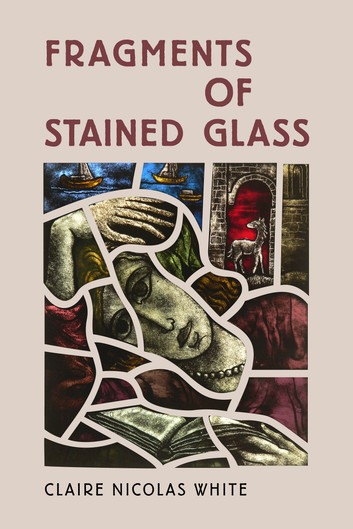
Description
Fragments of Stained Glass by Claire Nicolas White: A Complete Synopsis
Introduction: Understanding Fragments of Stained Glass
Fragments of Stained Glass is a deeply personal memoir by Claire Nicolas White. The book explores her family’s complex history across generations. Moreover, it weaves together stories of love, loss, and resilience. White examines how the past shapes our present identities.
This memoir spans multiple continents and decades. Furthermore, it reveals intimate family secrets and struggles. The author pieces together her heritage like assembling stained glass. Therefore, each fragment contributes to a larger, beautiful picture.
White’s narrative is both poignant and illuminating. Additionally, it offers insights into immigrant experiences. The book resonates with anyone exploring their roots. Consequently, readers discover universal truths about family bonds.
The Author’s Journey in Fragments of Stained Glass
Claire Nicolas White embarked on a quest for understanding. She wanted to know her family’s true story. However, many details had been hidden or forgotten. Therefore, she became a detective of her own history.
Her investigation took years of careful research. Moreover, she interviewed relatives and examined old documents. White traveled to places her ancestors once lived. Additionally, she uncovered surprising revelations along the way.
The writing process itself was transformative. Furthermore, it helped her make sense of fragmented memories. Each discovery added another piece to the puzzle. Consequently, a coherent narrative began to emerge.
White writes with honesty and vulnerability throughout. She doesn’t shy away from difficult truths. Moreover, she acknowledges gaps in her knowledge. This authenticity makes her story deeply compelling.
Family Secrets and Hidden Histories
The memoir reveals long-buried family secrets. White’s ancestors guarded certain information carefully. However, these secrets profoundly affected subsequent generations. Therefore, understanding them became essential for healing.
Some revelations challenged White’s previous assumptions. Moreover, they forced her to reconsider family narratives. She discovered that official stories often masked deeper truths. Additionally, silence itself carried significant meaning.
The author explores why families keep secrets. Furthermore, she examines the cost of such concealment. Secrets can protect, but they can also damage relationships. Consequently, White advocates for greater openness and honesty.
Her discoveries weren’t always comfortable or pleasant. Yet, she pursued the truth regardless of discomfort. Moreover, she believed understanding was worth the pain. This courage defines her entire project.
Immigration and Cultural Identity in Fragments of Stained Glass
Immigration forms a central theme throughout the book. White’s family crossed borders in search of a better life. However, they left behind homes and loved ones. Therefore, their stories reflect universal immigrant experiences.
The memoir captures the complexity of cultural identity. Moreover, it shows how immigrants navigate multiple worlds. White’s ancestors struggled to maintain their heritage. Additionally, they worked to assimilate into new societies.
Language barriers created significant challenges for her family. Furthermore, cultural misunderstandings led to painful conflicts. Yet, they persevered through determination and resilience. Consequently, they built new lives despite obstacles.
White herself grapples with her multicultural heritage. She feels connected to multiple places simultaneously. Moreover, she doesn’t fit neatly into single categories. This complexity enriches her perspective and storytelling.
The Metaphor of Stained Glass
The title Fragments of Stained Glass carries deep symbolic meaning. Stained glass windows are made from broken pieces. However, these fragments create something beautiful together. Therefore, the metaphor perfectly captures White’s approach.
Each family story represents a colored glass fragment. Moreover, individual memories seem incomplete when isolated. Yet, assembled, they form a coherent picture. Additionally, light shines through, revealing hidden patterns.
The metaphor also acknowledges imperfection and brokenness. Furthermore, it suggests that damage doesn’t destroy beauty. Cracks and breaks become part of the design. Consequently, flaws contribute to the overall aesthetic.
White uses this imagery throughout her narrative. She carefully arranges her discovered fragments deliberately. Moreover, she allows readers to see the assembly process. This transparency makes the memoir particularly engaging.
Generational Trauma and Healing
The book explores how trauma can be passed down through generations. White’s ancestors experienced significant hardships and losses. However, they rarely discussed these painful experiences. Therefore, unprocessed trauma affected their descendants unconsciously.
White identifies patterns repeating across generations. Moreover, she sees how silence perpetuates suffering. Family members struggled with unexplained anxieties and fears. Additionally, they carried burdens they didn’t fully understand.
The author believes that understanding enables healing. Furthermore, she demonstrates this through her own journey. By uncovering and acknowledging past traumas, she finds peace. Consequently, she breaks destructive cycles for future generations.
Her approach combines research with emotional processing. She doesn’t just collect facts intellectually. Moreover, she allows herself to feel deeply. This holistic method proves transformative and therapeutic.
Key Themes in Fragments of Stained Glass
Several major themes emerge throughout White’s memoir. Moreover, these ideas interconnect and reinforce each other. The author weaves them skillfully into her narrative.
Primary themes include:
- The power of memory and storytelling
- Identity formation across cultures and generations
- The impact of family secrets on descendants
- Immigration experiences and cultural displacement
- Resilience in the face of adversity
- The healing potential of truth-telling
- Connection between past and present
- The complexity of belonging and home
Each theme receives thoughtful, nuanced exploration. Furthermore, White avoids simplistic conclusions or easy answers. She embraces complexity and ambiguity throughout. Therefore, readers encounter authentic human experiences.
The themes resonate beyond White’s specific story. Additionally, they speak to universal human concerns. Anyone with a family history will recognize these patterns. Consequently, the memoir has a broad appeal.
Writing Style and Narrative Structure
White employs a lyrical, reflective writing style. Her prose is elegant yet accessible. Moreover, she balances emotion with intellectual insight. The writing draws readers into her world.
The narrative structure is deliberately fragmented. Furthermore, this mirrors the book’s central metaphor. White moves fluidly between time periods and locations. Additionally, she skillfully weaves multiple storylines together.
She uses vivid sensory details throughout. Moreover, she brings historical periods to life authentically. Readers can visualize the places she describes. Consequently, the past feels immediate and present.
The pacing varies intentionally throughout the book. Some sections move quickly through events. However, others slow down for deeper reflection. This rhythm keeps readers engaged.
Historical Context and Research
White grounds her personal story in a historical context. She researched the eras her ancestors lived through. Moreover, she explains political and social circumstances clearly. This context helps readers understand family choices.
Her research was extensive and meticulous. Furthermore, she consulted archives, letters, and official records. She carefully verified facts whenever possible. Additionally, she acknowledges when certainty isn’t achievable.
The historical backdrop enriches the personal narrative. Moreover, it shows how larger forces shaped individual lives. Wars, migrations, and economic changes affected her family. Therefore, their story reflects broader historical patterns.
White makes history accessible to general readers. She avoids academic jargon and excessive detail. However, she maintains accuracy and depth throughout. Consequently, the book educates while entertaining.
Relationships and Family Dynamics
The memoir closely examines complex family relationships. White explores the bonds between parents and children. Moreover, she investigates sibling dynamics and extended family connections. These relationships shaped her ancestors profoundly.
Love and conflict coexist throughout family stories. Furthermore, White doesn’t romanticize or demonize anyone. She presents family members as fully human. Additionally, she shows how circumstances influenced their behavior.
Communication patterns receive particular attention in the book. Some family members were open and expressive. However, others maintained strict emotional boundaries. Therefore, misunderstandings and distance often resulted.
White also reflects on her own family relationships. She considers how ancestral patterns affected her life. Moreover, she works to create healthier dynamics. This personal growth journey inspires readers.
The Role of Memory and Storytelling
Memory plays a crucial role in Fragments of Stained Glass. White examines how memories are constructed and preserved. Moreover, she questions the reliability of recollection. Memory is both essential and problematic.
Different family members remember events differently. Furthermore, their perspectives sometimes contradict each other. White doesn’t always resolve these discrepancies. Instead, she acknowledges multiple truths can coexist.
Storytelling becomes a way of preserving identity. Moreover, it connects generations across time and space. The stories we tell shape who we become. Therefore, White takes storytelling seriously and reverently.
She also explores what happens when stories aren’t told. Furthermore, she examines the impact of silence. Untold stories don’t disappear but haunt descendants. Consequently, speaking truth becomes an act of liberation.
Cultural Heritage and Tradition
White’s family maintained cultural traditions across generations. These practices connected them to their origins. However, traditions also evolved in new contexts. Therefore, cultural identity remained dynamic rather than static.
Food, language, and rituals carried special significance. Moreover, they provided comfort in unfamiliar environments. White describes these traditions with loving detail. Additionally, she explains their deeper meanings.
Younger generations sometimes rejected ancestral traditions. Furthermore, they wanted to assimilate and fit in. This created tension between old and new. Yet, many eventually returned to their roots.
White herself reclaims aspects of her heritage. She learns languages and practices what her ancestors knew. Moreover, she teaches these traditions to her children. Consequently, the cultural chain remains unbroken.
Loss, Grief, and Resilience
Loss permeates the pages of this memoir. White’s ancestors experienced profound losses repeatedly. Moreover, they grieved loved ones, homes, and ways of life. Yet, they continued forward despite devastation.
The author examines different responses to loss. Some family members expressed grief openly and fully. However, others suppressed their emotions and soldiered on. Therefore, unprocessed grief affected them in various ways.
Resilience emerges as a defining family characteristic. Furthermore, White marvels at her ancestors’ strength. They repeatedly rebuilt their lives after catastrophic losses. Additionally, they found joy despite ongoing hardships.
White connects historical losses to present experiences. She recognizes inherited grief in her own life. Moreover, she works to process what wasn’t processed before. This healing work honors her ancestors’ struggles.
The Search for Belonging
Belonging is a central concern throughout the book. White’s ancestors sought places to call home. However, they often felt like outsiders everywhere. Therefore, belonging remained elusive and complicated.
Immigrants face unique challenges regarding belonging. Furthermore, they’re caught between multiple worlds simultaneously. They’re too foreign in new lands yet changed for old ones. Consequently, they exist in liminal spaces.
White herself struggles with questions of belonging. She has connections to multiple countries and cultures. Moreover, she doesn’t fully belong to any one of them. This complexity shapes her identity profoundly.
The memoir suggests that belonging is ultimately internal. Furthermore, it comes from accepting one’s complete story. White finds peace by embracing all her fragments. Therefore, she creates a sense of belonging within herself.
Why Read Fragments of Stained Glass?
This memoir offers valuable insights for many readers. Moreover, it speaks to anyone interested in family history. White’s story is both specific and universal. Therefore, it resonates across different backgrounds.
The writing is beautiful and deeply moving. Furthermore, White’s honesty creates a genuine connection with readers. You’ll laugh, cry, and reflect as you read. Additionally, you’ll think about your own family differently.
The book provides a model for genealogical research. Moreover, it shows how to approach family mysteries. White demonstrates methods for uncovering hidden histories. Consequently, readers gain practical guidance alongside inspiration.
It’s ultimately a story about healing and wholeness. Furthermore, it shows that understanding our past liberates us. We can break destructive patterns and create better futures. Therefore, the memoir offers hope and empowerment.
Critical Reception and Impact
Fragments of Stained Glass has received positive critical attention. Reviewers praise White’s lyrical prose and emotional depth. Moreover, they appreciate her honest, nuanced approach. The book has profoundly touched many readers.
Readers particularly connect with the memoir’s universal themes. Furthermore, they see their own families reflected in White’s story. Many have been inspired to research their own histories. Consequently, the book has sparked important conversations.
The memoir makes a significant contribution to immigrant literature. Moreover, it adds depth to discussions about cultural identity. White’s perspective enriches ongoing dialogues about belonging. Additionally, it validates complex, multicultural experiences.
Some readers find the fragmented structure challenging initially. However, most come to appreciate its artistic purpose. The structure ultimately enhances the book’s meaning. Therefore, form and content work together beautifully.
Lessons from Fragments of Stained Glass
White’s memoir teaches important lessons about family and identity. Moreover, it demonstrates the value of pursuing truth. Understanding where we come from helps us know ourselves. Therefore, genealogical work has deep psychological benefits.
The book shows that families are complex and contradictory. Furthermore, it reminds us that ancestors were fully human. They made mistakes and faced impossible choices. Consequently, we should approach family history with compassion.
White illustrates that healing is possible at any age. Moreover, it’s never too late to understand your story. Even partial knowledge can bring significant peace. Additionally, the search itself has inherent value.
The memoir emphasizes that our stories matter profoundly. Furthermore, sharing them creates connection and understanding. Silence perpetuates pain while truth-telling enables healing. Therefore, we should speak our truths courageously.
Conclusion: The Beauty of Assembled Fragments
Fragments of Stained Glass is a remarkable achievement in memoir writing. Claire Nicolas White has created something truly beautiful. Moreover, she’s assembled her family’s fragments into coherent art. The result is both moving and meaningful.
Her journey from confusion to clarity inspires readers. Furthermore, it demonstrates that understanding is achievable with persistence. White proves that even scattered fragments can form pictures. Therefore, hope exists for anyone seeking their story.
The memoir reminds us that we’re all connected to the past. Moreover, it shows how history lives within us. Our ancestors’ experiences shape us in countless ways. Consequently, knowing their stories helps us understand ourselves.
White’s book is ultimately about love and connection. Furthermore, it celebrates the human capacity for resilience. Despite everything, her ancestors survived and even thrived. Additionally, they passed down their strength to future generations.
This memoir deserves a wide and appreciative audience. Moreover, it offers something valuable to every reader. Whether you’re interested in genealogy, immigration, or simply good writing, this book delivers. Therefore, Fragments of Stained Glass comes highly recommended for thoughtful readers everywhere.






Reviews
There are no reviews yet.