

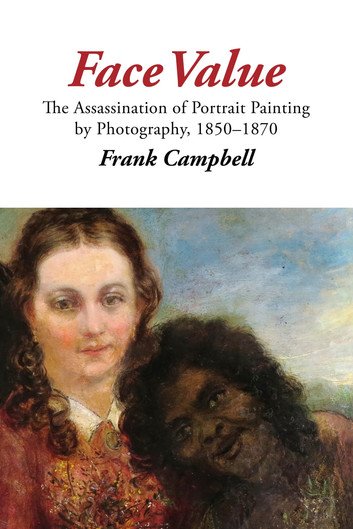
Description
A Threat to Tradition
Frank Campbell explores a turbulent era in the history of art. Between 1850 and 1870, the rise of photography changed everything. For centuries, portrait painters held a monopoly on capturing the human face. However, the new camera technology offered a faster and cheaper alternative. Consequently, the traditional art world faced a sudden and terrifying crisis. This book examines the direct conflict between the brush and the lens.
The Death of the Commission
The narrative focuses on the economic collapse of the middle-class portrait market. Professional painters once relied on steady work from local families. Suddenly, the public flocked to photography studios for portraits. These new images were more accurate and much less expensive. Moreover, the speed of the process made sitting for a painting seem tedious. Thus, many artists lost their primary source of income almost overnight.
The Battle for Truth
Campbell analyzes the heated debates regarding the meaning of “likeness.” Photographers claimed their work provided a scientific and objective truth. In contrast, painters argued that only the human hand could capture the soul. They believed the camera was a soulless machine that recorded mere surface details. Furthermore, critics debated whether photography could ever truly be considered a fine art. Therefore, the period became a philosophical battlefield for creators.
Impacts of the Technological Shift
The book identifies several key ways that photography altered the art world:
The Rise of Realism: Painters adopted more realistic styles to compete with cameras.
Studio Closures: Many minor artists had to abandon their craft entirely.
New Artistic Roles: Some painters transitioned into “photo-coloring” to survive.
Portrait Accessibility: The lower classes could finally afford to own their own images.
A New Path Forward
Ultimately, Face Value illustrates how this “assassination” actually sparked a revolution. While photography killed certain types of painting, it pushed others toward abstraction. Artists realized they no longer needed to record exact reality. This freedom eventually led to the birth of the Impressionist movement. Additionally, the book provides a fascinating look at the early pioneers of the daguerreotype. In conclusion, the struggle between these media redefined modern creativity.



Reviews
There are no reviews yet.