Description
—
Japanese Business Entrepreneur: The Story Behind “Entrepreneur and Gentleman”
Understanding the Japanese Business Entrepreneur Through Akira Sueno’s Memoir
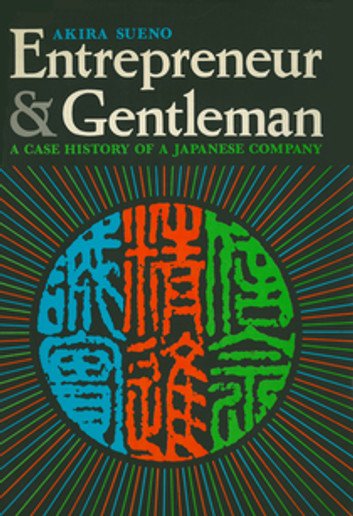
“Entrepreneur and Gentleman: A Case History of a Japanese Company” offers unprecedented insight into the mind of a Japanese business entrepreneur. Written by Akira Sueno, founder and president of Showa Boeki, this memoir reveals the inner workings of Japanese corporate culture. Furthermore, it provides a firsthand account of building a successful enterprise in post-war Japan.
This remarkable book became a bestseller in Japan before its English translation. Translator Neal Donner brought Sueno’s story to Western audiences through Charles E. Tuttle Company. Consequently, readers worldwide gained access to this invaluable business case study.
Akira Sueno represents the quintessential Japanese business entrepreneur of his generation. His journey from startup founder to industry leader exemplifies Japanese business philosophy. Moreover, his story illuminates the unique challenges of post-war Japanese commerce.
The Birth of Showa Boeki: A Japanese Business Entrepreneur’s Vision
Founding a Packaging Empire
Akira Sueno founded Showa Boeki during a transformative period in Japanese history. Post-war Japan presented both enormous challenges and unprecedented opportunities. Nevertheless, Sueno recognized the potential in the packaging industry.
The packaging sector was emerging as crucial to Japan’s economic recovery. Additionally, consumer goods required innovative packaging solutions. Sueno positioned his company to meet this growing demand.
Starting a business in post-war Japan required exceptional determination and resourcefulness. Furthermore, entrepreneurs faced significant material shortages and economic uncertainty. However, Sueno’s vision and persistence overcame these obstacles.
Early Challenges and Growth
The early years tested Sueno’s resolve and business acumen repeatedly. He navigated complex supply chain issues and fierce competition. Moreover, he built relationships with suppliers and customers simultaneously.
Showa Boeki grew steadily through Sueno’s careful management and strategic planning. He reinvested profits into expanding production capabilities. Additionally, he prioritized quality and customer satisfaction above short-term gains.
The company’s growth reflected broader trends in Japanese industrial development. Therefore, Showa Boeki’s story mirrors Japan’s economic miracle. Sueno’s success demonstrates the power of strategic thinking and perseverance.
Japanese Business Philosophy: The Entrepreneur’s Approach
Core Principles of a Japanese Business Entrepreneur
Sueno’s management philosophy blends traditional Japanese values with modern business practices. He emphasizes harmony, loyalty, and long-term thinking throughout his operations. Furthermore, he balances profit motives with social responsibility.
The concept of “wa” (harmony) permeates Sueno’s business approach. He cultivates cooperative relationships with employees, suppliers, and customers. Moreover, he views business as a network of mutual obligations.
Sueno’s principles reflect broader Japanese business culture:
- Prioritize long-term relationships over short-term profits
- Maintain harmony within the organization and with partners
- Demonstrate loyalty to employees and expect reciprocal commitment
- Balance individual achievement with collective success
- Emphasize continuous improvement and quality excellence
- Respect hierarchy while encouraging input from all levels
These principles guided Showa Boeki’s development for decades. Additionally, they contributed to the company’s sustained success and reputation.
The Gentleman Entrepreneur Concept
The book’s title reflects Sueno’s dual identity as entrepreneur and gentleman. He believes business success requires both commercial acumen and personal integrity. Furthermore, he demonstrates that profit and principles can coexist harmoniously.
Sueno treats employees with respect and dignity consistently. He views them as partners rather than mere workers. Consequently, he fosters exceptional loyalty and dedication throughout his organization.
His gentlemanly approach extends to all business relationships. Therefore, suppliers and customers become long-term partners. This philosophy creates a stable, sustainable business ecosystem.
Post-War Japanese Business Environment
Rebuilding from the Ashes
Post-war Japan faced unprecedented economic devastation and social upheaval. The country’s industrial infrastructure lay in ruins. Nevertheless, entrepreneurs like Sueno saw opportunities amid the destruction.
The American occupation brought new business practices and democratic reforms. Additionally, it opened Japan to international trade and ideas. These changes created a unique environment for entrepreneurship.
Japanese business entrepreneurs adapted Western concepts to Japanese cultural contexts. They created hybrid systems that leveraged both traditions. Moreover, this synthesis produced remarkably effective business models.
Economic Miracle and Industrial Growth
Japan’s rapid economic growth during the 1950s and 1960s astonished the world. The packaging industry participated fully in this expansion. Furthermore, companies like Showa Boeki became engines of economic development.
Government policies supported industrial growth through strategic investments and protections. Additionally, businesses cooperated in ways unfamiliar to Western observers. This collaborative approach accelerated Japan’s recovery and growth.
Sueno’s memoir provides insider perspective on this transformative period. He explains how entrepreneurs navigated government relationships and market dynamics. Therefore, readers gain unique historical insights.
Sueno’s Management Style and Leadership
Building a Corporate Family
Sueno views his company as an extended family rather than a mere business. He takes personal interest in employees’ lives and well-being. Moreover, he expects employees to demonstrate similar commitment to the company.
This paternalistic approach characterizes many Japanese business entrepreneurs of his generation. Employees receive job security and comprehensive benefits. In return, they dedicate themselves to the company’s success.
Sueno invests heavily in employee training and development. He believes skilled, loyal workers create competitive advantages. Additionally, he promotes from within whenever possible.
Decision-Making and Consensus
Japanese business culture emphasizes consensus-building over individual decision-making. Sueno describes his company’s “ringi” system in detail. Furthermore, he explains how this process balances efficiency with inclusivity.
The ringi system circulates proposals through various organizational levels. Each manager provides input and approval. Consequently, final decisions reflect collective wisdom and commitment.
This approach takes longer than autocratic decision-making. However, it ensures thorough consideration and strong implementation support. Moreover, it reinforces organizational harmony and shared responsibility.
Quality and Continuous Improvement
Sueno embraces the Japanese concept of “kaizen” (continuous improvement). He constantly seeks ways to enhance products and processes. Additionally, he encourages employees to identify improvement opportunities.
Quality control receives paramount attention throughout Showa Boeki’s operations. Sueno believes superior quality creates lasting competitive advantages. Furthermore, he views quality as a moral obligation to customers.
This commitment to excellence became a hallmark of Japanese manufacturing. Therefore, Sueno’s practices exemplify broader national trends. His success validates the effectiveness of quality-focused strategies.
Inside Japanese Corporate Culture
Lifetime Employment and Loyalty
The memoir illuminates the lifetime employment system that characterized post-war Japanese business. Sueno explains both the benefits and challenges of this approach. Moreover, he demonstrates how it creates organizational stability.
Employees who join Showa Boeki expect to remain until retirement. This expectation shapes their commitment and career development. Additionally, it influences company training and succession planning.
The system creates deep organizational knowledge and cultural continuity. However, it also limits flexibility during economic downturns. Nevertheless, Sueno considers the trade-offs worthwhile.
Hierarchical Relationships and Respect
Japanese business culture maintains clear hierarchical structures and protocols. Sueno describes how seniority and position determine interactions and decision-making. Furthermore, he explains the importance of proper respect and deference.
Junior employees defer to senior colleagues in meetings and discussions. However, this hierarchy doesn’t prevent upward communication. Moreover, good leaders actively seek input from all levels.
The system provides clarity and reduces conflict over authority. Additionally, it creates mentorship opportunities between senior and junior staff. Therefore, knowledge and culture transfer effectively across generations.
Work Ethic and Dedication
Japanese business entrepreneurs like Sueno expect extraordinary dedication from employees. Long working hours and personal sacrifice for the company are normal. Furthermore, employees take pride in their commitment and contributions.
This intense work ethic contributed to Japan’s economic miracle. However, it also created social costs and personal challenges. Nevertheless, Sueno views dedication as essential to competitive success.
The memoir honestly addresses both positive and negative aspects of this culture. Sueno acknowledges the personal sacrifices required. Moreover, he explains why he believes these sacrifices serve greater purposes.
Insights for Western Business Readers
Understanding Japanese Business Practices
Western readers gain invaluable insights into Japanese business thinking through Sueno’s memoir. He explains practices that often puzzle Western observers. Additionally, he provides cultural context that makes these practices comprehensible.
The book demystifies Japanese corporate decision-making and relationship-building. Furthermore, it reveals the logic behind seemingly inefficient processes. Therefore, Western businesspeople can engage more effectively with Japanese partners.
Sueno’s explanations help bridge cultural gaps in international business. He shows how Japanese and Western approaches can complement each other. Moreover, he suggests ways to adapt Japanese practices to different contexts.
Lessons in Long-Term Thinking
Japanese business entrepreneurs typically prioritize long-term sustainability over short-term profits. Sueno exemplifies this approach throughout his career. Furthermore, he demonstrates the competitive advantages of patient capital.
Western businesses often face pressure for quarterly results and immediate returns. Conversely, Japanese companies like Showa Boeki plan across decades. This difference creates distinct strategic approaches and competitive dynamics.
Sueno’s success validates the long-term approach for certain industries and markets. Additionally, his story challenges Western assumptions about optimal business strategies. Therefore, readers gain perspective on alternative business models.
Relationship-Based Business Models
The memoir highlights the central role of relationships in Japanese business. Sueno invests years building trust with partners and customers. Moreover, he maintains these relationships through consistent, ethical behavior.
Western business culture often emphasizes transactions over relationships. However, Sueno demonstrates the power of relationship-based commerce. Furthermore, he shows how trust reduces costs and creates opportunities.
These insights prove valuable for anyone conducting business in Japan. Additionally, they suggest relationship strategies applicable in other contexts. Therefore, the book offers practical wisdom beyond cultural education.
The Book’s Historical and Educational Value
A Primary Source on Japanese Business History
“Entrepreneur and Gentleman” serves as a primary historical document. It provides firsthand testimony about post-war Japanese business development. Furthermore, it captures the mindset of a successful Japanese business entrepreneur.
Historians and business scholars value such insider accounts highly. They reveal details and perspectives unavailable in secondary sources. Moreover, they preserve voices and experiences that might otherwise be lost.
Sueno’s memoir complements academic studies of Japanese economic development. It adds human dimension to statistical and theoretical analyses. Therefore, it enriches our understanding of this important historical period.
Educational Resource for Business Students
Business schools use this memoir to teach Japanese business practices and culture. Students gain concrete examples of concepts discussed in textbooks. Additionally, they develop cultural competence for international business careers.
The case study format makes the book particularly valuable pedagogically. Professors can analyze Sueno’s decisions and their outcomes. Furthermore, students can debate alternative approaches and strategies.
The memoir also teaches broader lessons about entrepreneurship and leadership. Sueno’s experiences illustrate universal business principles. Moreover, his story inspires students pursuing their own entrepreneurial dreams.
Cross-Cultural Business Understanding
In our globalized economy, cross-cultural competence becomes increasingly essential. This memoir develops readers’ understanding of Japanese business culture. Furthermore, it cultivates appreciation for different business philosophies and practices.
The book helps prevent misunderstandings in Japanese business relationships. It explains behaviors and expectations that might otherwise seem puzzling. Therefore, it facilitates more effective international collaboration.
Beyond Japan specifically, the memoir encourages cultural humility and curiosity. It demonstrates that multiple valid approaches to business exist. Moreover, it shows how cultural context shapes business practices profoundly.
Translation and Publication History
From Japanese Bestseller to English Edition
The original Japanese version of this memoir achieved bestseller status in Japan. Japanese readers connected deeply with Sueno’s story and philosophy. Furthermore, the book sparked national conversations about business ethics and practices.
Translator Neal Donner undertook the challenging task of bringing Sueno’s voice to English readers. Translation requires more than linguistic conversion. Additionally, it demands cultural interpretation and contextual explanation.
Donner’s translation successfully preserves Sueno’s authentic voice and perspective. He provides necessary cultural context without overwhelming the narrative. Moreover, he makes Japanese business concepts accessible to Western readers.
Charles E. Tuttle Company’s Role
Charles E. Tuttle Company specialized in publishing books about Asian culture and business. The company recognized the value of Sueno’s memoir for Western audiences. Furthermore, they committed to high-quality production and distribution.
Tuttle’s expertise in cross-cultural publishing ensured the book’s success. They understood both Japanese and Western markets. Additionally, they positioned the book effectively for business and academic audiences.
The publisher’s commitment helped establish this memoir as a classic. It remains in print decades after initial publication. Therefore, new generations continue discovering Sueno’s insights and wisdom.
Why Read “Entrepreneur and Gentleman” Today
Timeless Business Wisdom
Despite changes in technology and markets, Sueno’s core principles remain relevant. His emphasis on relationships, quality, and long-term thinking transcends specific eras. Furthermore, his ethical approach to business addresses perennial challenges.
Modern entrepreneurs face different tools but similar fundamental questions. How do you build sustainable businesses? How do you balance profit and principles? Moreover, how do you create organizations that endure?
Sueno’s answers to these questions offer valuable guidance today. His experiences provide tested wisdom applicable across contexts. Therefore, contemporary readers gain practical insights from his story.
Understanding Modern Japan
Japan remains a major economic power and business partner globally. Understanding Japanese business culture continues to matter for international commerce. Furthermore, Sueno’s memoir provides foundational knowledge for this understanding.
While Japanese business practices have evolved since Sueno’s era, core cultural values persist. The emphasis on harmony, loyalty, and quality continues shaping Japanese commerce. Moreover, relationship-based business models remain central to Japanese corporate culture.
Reading this memoir prepares businesspeople for Japanese partnerships and negotiations. It develops cultural intelligence that facilitates effective collaboration. Additionally, it prevents costly misunderstandings and cultural missteps.
Inspiration for Aspiring Entrepreneurs
Sueno’s journey from startup founder to industry leader inspires entrepreneurial ambition. He overcame enormous obstacles through determination and strategic thinking. Furthermore, he built success without compromising his values or integrity.
His story demonstrates that business success and ethical behavior can coexist. Moreover, it shows how principled leadership creates sustainable competitive advantages. Therefore, aspiring entrepreneurs find both inspiration and practical guidance.
The memoir also provides realistic perspective on entrepreneurial challenges. Sueno honestly discusses failures, setbacks, and difficult decisions. Additionally, he explains how he learned from mistakes and adapted strategies.
Conclusion: A Must-Read Business Memoir
“Entrepreneur and Gentleman: A Case History of a Japanese Company” stands as essential reading for anyone interested in Japanese business or entrepreneurship. Akira Sueno’s memoir provides unprecedented insider access to Japanese corporate culture. Furthermore, it offers timeless wisdom about building sustainable, ethical businesses.
The book successfully bridges Japanese and Western business cultures. It explains Japanese practices in ways Western readers can understand and appreciate. Moreover, it suggests how different business philosophies can learn from each other.
Whether you’re a business student, practicing manager, or aspiring Japanese business entrepreneur, this memoir offers valuable insights. It combines historical documentation with practical business wisdom. Additionally, it tells a compelling human story of determination and success.
Pick up “Entrepreneur and Gentleman” today. Discover how a Japanese business entrepreneur built a packaging empire through principle and perseverance. Furthermore, gain insights that will enhance your business acumen and cultural understanding. This memoir will transform how you think about business, leadership, and success.






Reviews
There are no reviews yet.