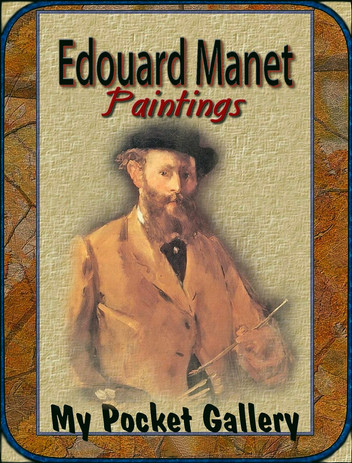
Description
Edouard Manet Paintings: A Complete Annotated Guide in Your Pocket
Discover the revolutionary world of Edouard Manet paintings through this comprehensive digital guide. Daniel Coenn’s “My Pocket Gallery” series brings you an expertly curated collection of Manet’s most iconic works. This e-book offers detailed annotations, historical context, and artistic insights. Furthermore, it provides art lovers with an accessible way to explore French Impressionism’s founding father.
Why Edouard Manet Paintings Changed Art History Forever
Manet broke every rule of traditional French painting in the 1860s. His bold brushwork shocked the Paris Salon judges and critics alike. However, his innovative approach laid the groundwork for modern art movements. Consequently, artists like Monet, Renoir, and Degas followed his revolutionary path. This e-book explores how Manet’s controversial style transformed European art.
The artist challenged academic conventions with startling directness and honesty. Moreover, he painted contemporary life instead of mythological or historical scenes. His subjects included café scenes, street life, and everyday Parisians. Therefore, Manet became the bridge between Realism and Impressionism.
What You’ll Find Inside This Annotated Collection
This comprehensive e-book delivers more than just beautiful reproductions. Each Edouard Manet painting receives detailed commentary and expert analysis. Additionally, you’ll discover the stories behind his most famous and controversial works. The annotations reveal hidden meanings, artistic techniques, and historical significance.
Daniel Coenn provides context that brings each painting to life. Furthermore, he explains why critics initially rejected many of these masterpieces. You’ll understand the social and political climate of 19th-century Paris. Consequently, you’ll appreciate how radical Manet’s vision truly was.
Key Features of This Digital Art Guide
This e-book offers exceptional value for art enthusiasts and students:
- High-quality reproductions of Manet’s most important paintings
- Detailed annotations explaining composition, technique, and symbolism
- Historical context for each work and its reception
- Biographical information about Manet’s life and artistic development
- Easy navigation designed for mobile devices and tablets
- Portable format perfect for museum visits or casual browsing
- Affordable access to museum-quality art education
Moreover, the “My Pocket Gallery” format makes art history accessible anywhere. You can explore masterpieces during your commute or while traveling. Therefore, building your art knowledge becomes convenient and enjoyable.
Exploring Manet’s Most Iconic Masterpieces
Olympia and Le Déjeuner sur l’herbe: Scandal and Innovation
These two paintings caused enormous controversy at the Paris Salon. “Le Déjeuner sur l’herbe” depicted a nude woman picnicking with clothed men. Critics called it vulgar and offensive to public morality. However, Manet simply painted modern life with unflinching honesty.
“Olympia” provoked even greater outrage when exhibited in 1865. The painting showed a nude courtesan staring directly at viewers. Furthermore, her confident gaze challenged traditional representations of female subjects. Consequently, the painting sparked debates about art, morality, and social class.
This e-book examines both paintings in extraordinary detail. Additionally, you’ll learn about the models, the symbolism, and the public reaction. The annotations help you understand why these works remain revolutionary today.
A Bar at the Folies-Bergère: Manet’s Final Masterpiece
This complex painting showcases Manet’s mature style and technical brilliance. The composition features a barmaid standing before a mirror. However, the reflection creates puzzling spatial contradictions that still intrigue scholars. Moreover, the painting captures the atmosphere of Parisian nightlife perfectly.
The work demonstrates Manet’s mastery of light, color, and psychological depth. Furthermore, it reveals his ability to portray modern urban alienation. The barmaid’s detached expression speaks volumes about contemporary society. Therefore, this painting remains endlessly fascinating to viewers and critics.
Understanding Manet’s Revolutionary Painting Techniques
Bold Brushwork and Flattened Perspective in Edouard Manet Paintings
Manet rejected the smooth, polished finish of academic painting. Instead, he applied paint in visible, energetic brushstrokes. This technique gave his works immediacy and vitality. Consequently, his paintings looked unfinished to conservative critics.
He also flattened perspective and reduced modeling in his figures. Moreover, he used strong contrasts between light and dark areas. These choices created a modern, graphic quality in his compositions. Therefore, his style influenced generations of avant-garde artists.
This e-book explains these techniques in accessible language. Additionally, close-up details help you see Manet’s brushwork clearly. You’ll understand how technical choices created revolutionary visual effects.
Color, Light, and Composition
Manet used color in bold, unconventional ways throughout his career. He placed pure blacks directly against bright whites and vivid colors. Furthermore, he eliminated subtle tonal transitions favored by academic painters. His compositions often featured cropped figures and unusual viewpoints.
These choices reflected the influence of Japanese prints and photography. Moreover, they anticipated the compositional experiments of later Impressionists. Consequently, Manet’s innovations opened new possibilities for modern painting. His approach to light emphasized surface rather than atmospheric depth.
The Historical Context Behind the Paintings
Paris in the Second Empire: Manet’s World
Manet lived during a period of dramatic transformation in Paris. Baron Haussmann redesigned the city with wide boulevards and modern buildings. Furthermore, cafés, theaters, and entertainment venues flourished throughout the capital. This vibrant urban culture provided subjects for Manet’s paintings.
The Second Empire under Napoleon III brought prosperity and social change. However, it also created new class tensions and moral anxieties. Manet’s paintings captured both the glamour and the contradictions. Therefore, his work provides a window into this fascinating historical period.
The Paris Salon and Academic Art Establishment
The official Paris Salon controlled artistic success in 19th-century France. Academic judges favored historical subjects, mythological themes, and polished technique. Moreover, they expected paintings to convey clear moral messages. Manet’s modern subjects and loose brushwork violated these expectations.
Consequently, the Salon repeatedly rejected or criticized his submissions. However, these rejections only increased his notoriety and influence. Younger artists admired his courage and independence. Therefore, Manet became the reluctant leader of artistic rebellion.
How This E-Book Enhances Your Art Appreciation
Perfect for Museum Visits and Self-Guided Study
This portable guide transforms how you experience Edouard Manet paintings. You can reference it while visiting museums with Manet collections. Furthermore, the detailed annotations deepen your understanding of each work. The e-book format allows instant access to information whenever needed.
Students will find the historical context and technical analysis invaluable. Moreover, casual art lovers will appreciate the engaging, accessible writing style. The book requires no prior art history knowledge. Therefore, anyone can enjoy and learn from this comprehensive resource.
Building Your Art Knowledge Systematically
The “My Pocket Gallery” series offers a structured approach to art education. This volume covers Manet’s complete artistic development chronologically. Additionally, it explains connections between different works and periods. You’ll see how his style evolved throughout his career.
Furthermore, the book places Manet within broader art historical movements. You’ll understand his relationship to Realism, Impressionism, and Modernism. Consequently, you’ll gain a comprehensive understanding of 19th-century art. This knowledge enhances appreciation of other artists and periods.
Who Should Read This Annotated Guide?
Art Students and Educators
This e-book serves as an excellent educational resource for courses. Art history students will find the detailed analysis particularly valuable. Moreover, the accessible explanations make complex concepts understandable. Teachers can use it to supplement lectures and museum visits.
The comprehensive coverage includes both famous and lesser-known works. Furthermore, it addresses technical, historical, and cultural aspects of each painting. Therefore, it provides a well-rounded foundation for academic study.
Museum Visitors and Art Enthusiasts
Anyone who loves visiting art museums will treasure this guide. It enhances your experience of Manet’s paintings in major collections. Additionally, it helps you notice details you might otherwise miss. The historical context makes each work more meaningful and memorable.
Casual art lovers will appreciate the engaging, jargon-free writing style. Moreover, the portable format makes it convenient for travel and reference. You don’t need expertise to enjoy and learn from this book. Therefore, it welcomes newcomers to art appreciation.
Collectors and Art Professionals
Even experienced collectors will discover new insights in these annotations. The book provides provenance information and exhibition history for major works. Furthermore, it discusses Manet’s influence on the art market. Consequently, it offers valuable context for understanding his enduring importance.
Art dealers, curators, and gallery professionals will find it useful. Moreover, it serves as a quick reference for client conversations. The comprehensive scope makes it an essential resource for professionals.
The My Pocket Gallery Series Advantage
Affordable Access to Expert Art Knowledge
Traditional art books often cost hundreds of dollars and occupy shelf space. However, this digital format provides the same quality at a fraction of the price. Moreover, you can carry an entire art library on your device. Therefore, building your art education becomes affordable and practical.
Daniel Coenn brings scholarly expertise without academic stuffiness to the series. Furthermore, his writing makes art history engaging and accessible. Each volume maintains high standards of accuracy and insight. Consequently, readers receive exceptional value for their investment.
Designed for Modern Digital Reading
The e-book format offers advantages over traditional print books. You can adjust text size for comfortable reading on any device. Additionally, you can search for specific paintings or topics instantly. Bookmarks and highlights help you organize your learning.
Moreover, the digital format allows for high-quality color reproductions. You can zoom in to examine details of brushwork and composition. Therefore, the reading experience rivals or exceeds physical art books. The portable convenience means you’ll actually use this resource regularly.
Manet’s Lasting Influence on Modern Art
From Impressionism to Contemporary Painting
Manet’s innovations directly influenced the Impressionist movement that followed. Monet, Renoir, and others adopted his bright palette and modern subjects. Furthermore, his bold brushwork inspired their plein-air painting techniques. However, Manet himself never fully joined the Impressionist group.
His influence extended far beyond Impressionism into 20th-century art. Consequently, artists from Picasso to Francis Bacon acknowledged their debt. His flattened perspective anticipated modernist abstraction. Therefore, understanding Manet helps you appreciate subsequent art movements.
Why Manet Remains Relevant Today
Contemporary viewers still find Manet’s paintings fresh and provocative. His honest portrayal of modern life resonates across centuries. Moreover, his technical innovations continue to inspire working artists. The psychological complexity of his portraits remains compelling.
Furthermore, debates about his work continue in academic circles. Scholars still discover new interpretations and meanings in his paintings. Therefore, Manet’s art rewards repeated viewing and study. This e-book provides the foundation for lifelong engagement with his work.
Getting the Most from Your Reading Experience
Tips for Using This Annotated Guide
Start by reading the biographical introduction to understand Manet’s life. Then explore paintings chronologically to see his artistic development. However, you can also jump to specific works that interest you. The comprehensive index makes navigation easy and intuitive.
Take time to examine each reproduction carefully before reading annotations. Moreover, try forming your own impressions first. Then compare your observations with the expert commentary. Therefore, you’ll develop your own analytical skills while learning.
Combining Digital Study with Museum Visits
This e-book works perfectly as a companion for museum trips. Research paintings in the collection before your visit. Additionally, review annotations while standing before the actual works. This combination creates a powerful learning experience.
Furthermore, revisit the e-book after museum visits to reinforce memories. The annotations will help you recall specific details and insights. Consequently, your museum experiences become more meaningful and lasting. Therefore, this guide enhances both preparation and reflection.
Conclusion: Your Gateway to Understanding Manet’s Genius
“Edouard Manet Annotated Paintings” by Daniel Coenn offers comprehensive access to artistic genius. This “My Pocket Gallery” volume combines scholarly expertise with accessible presentation. Moreover, it provides everything needed to understand and appreciate Manet’s revolutionary contributions. The detailed annotations, historical context, and high-quality reproductions create exceptional value.
Whether you’re a student, enthusiast, or casual admirer, this guide enriches your experience. Furthermore, the affordable digital format makes art education accessible to everyone. You’ll gain insights that transform how you see not just Manet but all art. Therefore, this e-book represents an investment in lifelong cultural enrichment and enjoyment.
Start your journey into the world of French Impressionism’s founding father today. Discover why Manet’s bold vision changed art history forever. Moreover, learn to see the world through the eyes of a revolutionary artist. This comprehensive guide awaits to transform your understanding and appreciation of masterful painting.


Reviews
There are no reviews yet.