Description
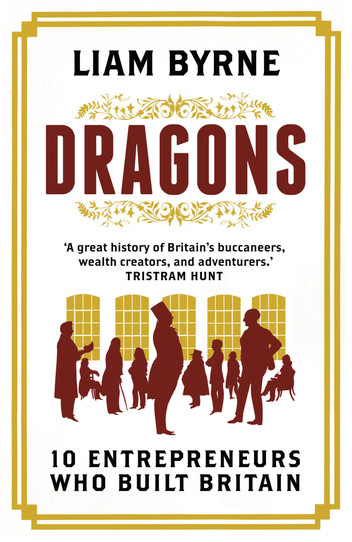
Dragons Ten Entrepreneurs Who Built Britain: A Comprehensive Guide to Liam Byrne’s Business History Masterpiece
Dragons Ten Entrepreneurs Who Built Britain by Liam Byrne MP offers a captivating journey through centuries of British entrepreneurial excellence. This remarkable book examines how ten visionary business leaders transformed Britain into an economic powerhouse. Furthermore, it reveals the strategies, innovations, and determination that built an empire of commerce.
Understanding Dragons Ten Entrepreneurs Who Built Britain
Liam Byrne’s Dragons Ten Entrepreneurs Who Built Britain spans an impressive timeline from Tudor merchants to modern business titans. The book meticulously chronicles how these entrepreneurs shaped Britain’s economic destiny. Moreover, it demonstrates the enduring principles that drive successful enterprise across generations.
The narrative begins with Tudor-era merchants who laid the foundations for British commerce. Subsequently, it progresses through the Industrial Revolution’s transformative period. Finally, it reaches into contemporary times, connecting historical lessons with modern business challenges.
The Ten Entrepreneurial Titans Featured
The book profiles an extraordinary collection of business pioneers who changed Britain forever. Each entrepreneur represents a crucial chapter in the nation’s economic evolution. Additionally, their stories provide invaluable insights for today’s business leaders.
Key Entrepreneurs Explored:
- Matthew Boulton – Industrial Revolution pioneer and manufacturing innovator
- Nathan Rothschild – Financial genius who revolutionized banking
- George Cadbury – Chocolate magnate and social reformer
- William Lever – Soap empire builder and marketing visionary
- John Spedan Lewis – Retail revolutionary and employee ownership advocate
- Robert Rich – Business leader who exemplified entrepreneurial excellence
These titans didn’t merely build businesses; they constructed the infrastructure of British economic dominance. Consequently, their influence extends far beyond their individual enterprises.
The Industrial Revolution and Economic Transformation
Dragons Ten Entrepreneurs Who Built Britain dedicates substantial attention to the Industrial Revolution’s pivotal role. This period witnessed unprecedented innovation and economic expansion. Therefore, understanding these entrepreneurs’ contributions becomes essential for grasping Britain’s rise.
Matthew Boulton exemplifies the Industrial Revolution’s entrepreneurial spirit perfectly. He partnered with James Watt to manufacture steam engines that powered Britain’s factories. Furthermore, his Soho Manufactory became a model for modern industrial production methods.
The book illustrates how these entrepreneurs leveraged technological advances strategically. They combined innovation with shrewd business acumen. As a result, Britain became the world’s leading industrial power during this era.
Financial Innovation and the British Empire
Nathan Rothschild’s story demonstrates how financial innovation fueled Britain’s imperial expansion. He revolutionized international banking and government financing. Moreover, his methods established London as the world’s financial capital for generations.
The Rothschild banking dynasty financed governments, wars, and massive infrastructure projects. Their intelligence network provided unparalleled market advantages. Consequently, they accumulated wealth and influence that shaped European politics and economics.
Byrne explores how entrepreneurial vision extended beyond manufacturing into sophisticated financial services. These innovations enabled Britain to project economic power globally. Thus, the British Empire’s commercial dominance rested on entrepreneurial foundations.
Social Reform Through Entrepreneurship
George Cadbury and William Lever represent a fascinating dimension of British entrepreneurship. They built massive commercial empires while championing workers’ welfare. Additionally, they demonstrated that profit and social responsibility could coexist harmoniously.
Cadbury created Bournville, a model village providing quality housing for factory workers. He invested in education, healthcare, and recreational facilities for employees. Similarly, Lever built Port Sunlight, offering workers unprecedented living standards.
These entrepreneurs understood that treating workers well enhanced productivity and loyalty. Their progressive approaches challenged prevailing Victorian attitudes toward labor. Therefore, they pioneered corporate social responsibility long before the term existed.
Retail Revolution and Employee Ownership
John Spedan Lewis transformed British retail through his revolutionary partnership model. He believed employees should share in the profits they helped generate. Furthermore, his vision created one of Britain’s most beloved retail institutions.
The John Lewis Partnership remains unique in British commerce today. Employees are partners who receive annual bonuses based on company performance. This model fosters exceptional customer service and employee commitment.
Byrne examines how this entrepreneurial innovation challenged conventional business wisdom. Lewis proved that alternative ownership structures could succeed commercially. Moreover, his legacy demonstrates the enduring power of treating employees as stakeholders.
Marketing Innovation and Brand Building
William Lever pioneered modern marketing techniques that revolutionized consumer goods industries. He understood that branding and advertising could create powerful competitive advantages. Consequently, Sunlight Soap became one of the world’s first global brands.
Lever invested heavily in advertising when most manufacturers considered it wasteful. He created memorable campaigns that built emotional connections with consumers. Additionally, he established distribution networks that made his products universally available.
The book reveals how these marketing innovations transformed commerce fundamentally. Entrepreneurs learned to create demand rather than simply meeting existing needs. Thus, modern consumer culture emerged from these pioneering efforts.
Lessons for Contemporary Entrepreneurs
Byrne extracts timeless principles from these historical entrepreneurs’ experiences. These lessons remain remarkably relevant for today’s business leaders. Furthermore, they provide guidance for navigating contemporary challenges and opportunities.
The entrepreneurs profiled shared several common characteristics despite their different eras. They demonstrated vision, persistence, and willingness to challenge conventional thinking. Moreover, they understood that building lasting enterprises requires more than short-term profit maximization.
Contemporary entrepreneurs can learn from their strategic thinking and adaptability. These historical figures navigated technological disruption, economic crises, and intense competition. Therefore, their experiences offer valuable perspectives on modern business challenges.
Why Read Dragons Ten Entrepreneurs Who Built Britain
This book offers far more than historical biography or business history. It provides a comprehensive framework for understanding entrepreneurial success across centuries. Additionally, it connects Britain’s past economic achievements with present-day opportunities.
Liam Byrne MP brings unique insights as both historian and politician. His perspective illuminates how entrepreneurship shapes national prosperity and social progress. Furthermore, his engaging writing style makes complex economic history accessible and compelling.
Readers gain understanding of how individual entrepreneurs can transform entire societies. The book demonstrates that business leadership involves more than financial success. Consequently, it inspires readers to consider their own potential for creating meaningful impact.
The Author’s Perspective
Liam Byrne MP combines political experience with deep historical knowledge throughout this work. His position provides unique insights into how entrepreneurship influences policy and governance. Moreover, his research reveals connections between historical patterns and contemporary economic challenges.
Byrne argues that understanding entrepreneurial history is essential for shaping Britain’s economic future. He believes these stories offer guidance for rebuilding British competitiveness. Therefore, the book serves both educational and inspirational purposes for diverse audiences.
His writing balances academic rigor with narrative accessibility effectively. Complex economic concepts become understandable through compelling storytelling. Thus, the book appeals to business professionals, students, and general readers alike.
Conclusion: The Enduring Legacy of British Entrepreneurship
Dragons Ten Entrepreneurs Who Built Britain ultimately celebrates the transformative power of entrepreneurial vision. These ten titans built more than successful businesses—they constructed Britain’s economic foundation. Their innovations in manufacturing, finance, retail, and marketing created lasting institutional frameworks.
The book reminds us that entrepreneurship drives not just economic growth but social progress. These entrepreneurs created employment, improved living standards, and expanded human possibilities. Furthermore, their legacies continue influencing how we conduct business today.
For anyone interested in business history, entrepreneurship, or British economic development, this book is essential reading. It offers inspiration, practical lessons, and historical perspective that enriches our understanding of commerce. Moreover, it demonstrates that individual vision and determination can indeed change the world.






Reviews
There are no reviews yet.