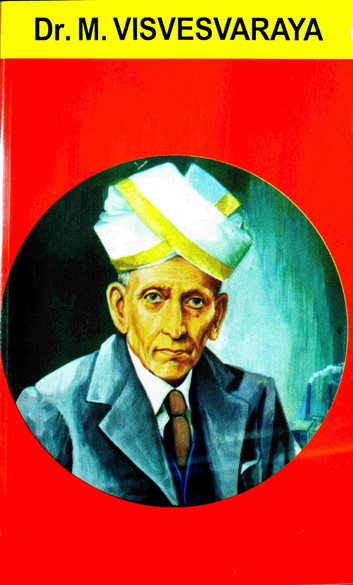
Description
Comprehensive Synopsis: “Dr. M. Visvesvaraya” by L.S. Sheshagiri Rao
Introduction: The Visionary Engineer Who Built Modern India
Dr. M. Visvesvaraya stands as one of India’s greatest engineers and nation-builders. This biography by L.S. Sheshagiri Rao captures his extraordinary journey. Furthermore, it reveals how one man’s vision transformed India’s infrastructure landscape. The book belongs to the prestigious Indian Scientists series (ISBN: 1230000013964). Moreover, it offers readers an intimate look at engineering excellence and administrative brilliance.
India’s modernization owes much to this remarkable individual. His contributions span engineering, economics, and public administration. Therefore, understanding his life provides valuable lessons for contemporary readers. Additionally, his story inspires future generations of engineers and leaders.
Early Life and Formative Years
Humble Beginnings in Karnataka
Visvesvaraya was born on September 15, 1861, in Muddenahalli village. His family belonged to a modest background in Karnataka. However, his parents valued education deeply and encouraged academic excellence. Consequently, young Visvesvaraya developed a passion for learning early in life.
His father passed away when he was still young. Nevertheless, his mother ensured he received quality education. She made significant sacrifices to support his academic pursuits. Therefore, Visvesvaraya never forgot the importance of determination and hard work.
Educational Excellence and Academic Achievements
The biography details his outstanding academic record throughout his schooling. He attended primary school in Chikkaballapur before moving to Bangalore. Furthermore, he enrolled in Central College, Bangalore, for his undergraduate studies. His performance consistently ranked among the top students in his class.
Subsequently, he joined the College of Engineering in Pune. This institution shaped his engineering mindset and technical skills. Moreover, he graduated with first-class honors in 1883. His academic excellence opened doors to remarkable career opportunities ahead.
Engineering Career and Revolutionary Projects
Initial Years in Public Works Department
Dr. M. Visvesvaraya began his career with the Bombay Government. He joined the Public Works Department as an assistant engineer. Initially, he worked on various irrigation and water supply projects. However, his innovative approach quickly distinguished him from his peers.
He demonstrated exceptional problem-solving abilities in challenging situations. Furthermore, he introduced new techniques that improved project efficiency. His superiors recognized his talent and dedication early on. Consequently, he received increasingly complex and important assignments.
Groundbreaking Dam Projects
The book extensively covers his revolutionary contributions to dam engineering. He designed and implemented several innovative irrigation systems across India. Moreover, his work on flood protection systems saved countless lives. His engineering solutions combined technical excellence with practical wisdom.
Krishna Raja Sagara Dam
His most celebrated achievement remains the Krishna Raja Sagara (KRS) dam. This massive project transformed agriculture in Karnataka and neighboring regions. Furthermore, it provided reliable water supply to millions of people. The dam’s design incorporated cutting-edge engineering principles of that era.
Construction began in 1911 and faced numerous technical challenges. However, Visvesvaraya’s expertise ensured successful completion in 1931. Additionally, the project created extensive irrigation networks across the region. Today, it stands as a testament to his engineering genius.
Other Major Dam Projects
He also designed the flood protection system for Hyderabad city. This innovative system prevented devastating floods in the Musi River. Moreover, he worked on irrigation projects in Gwalior, Mysore, and Baroda. Each project showcased his ability to adapt solutions to local conditions.
His engineering philosophy emphasized sustainability and long-term benefits. Therefore, many of his projects continue functioning efficiently even today. Furthermore, they serve as case studies in engineering colleges worldwide.
Administrative Excellence as Diwan of Mysore
Appointment and Initial Reforms
In 1912, Visvesvaraya became the Diwan of Mysore State. This position gave him unprecedented authority to implement his vision. Furthermore, he used this opportunity to modernize the entire state. His administrative reforms touched every aspect of governance and development.
He immediately focused on industrial development and economic growth. Moreover, he established several educational institutions to promote technical education. His policies attracted investments and created employment opportunities. Consequently, Mysore became one of India’s most progressive states.
Industrial Development Initiatives
The biography highlights his remarkable contributions to industrialization. He established the Mysore Soap Factory, which became highly successful. Additionally, he founded the Mysore Iron and Steel Works. These industries provided employment and boosted the state’s economy significantly.
He also established the Bangalore Polytechnic to train skilled workers. Furthermore, he created the Bank of Mysore to support entrepreneurs. His vision extended beyond immediate gains to long-term economic sustainability. Therefore, his policies laid the foundation for Karnataka’s industrial growth.
Educational and Social Reforms
Visvesvaraya believed education was crucial for national progress. He established numerous schools and colleges across Mysore State. Moreover, he promoted women’s education and vocational training programs. His reforms made education accessible to previously marginalized communities.
He introduced compulsory primary education in several districts. Furthermore, he established scholarships for deserving students from poor families. His policies emphasized practical skills alongside theoretical knowledge. Consequently, literacy rates improved dramatically during his tenure.
Contributions to India’s Modernization
Infrastructure Development Vision
His vision for India extended far beyond individual projects. He advocated for comprehensive infrastructure development across the nation. Moreover, he wrote extensively about economic planning and industrial growth. His writings influenced policymakers and future generations of administrators.
He emphasized the importance of scientific temper in governance. Furthermore, he promoted evidence-based decision-making in public policy. His approach combined technical expertise with administrative wisdom. Therefore, his recommendations remained relevant for decades after his retirement.
Key Areas of Contribution
His modernization efforts covered multiple sectors simultaneously:
- Transportation: Railway expansion and road network development
- Water Resources: Irrigation systems and flood control measures
- Industry: Factory establishment and manufacturing promotion
- Education: Technical institutions and vocational training centers
- Urban Planning: City development and sanitation improvements
- Agriculture: Modern farming techniques and crop diversification
Each initiative demonstrated his holistic approach to national development. Moreover, they reflected his understanding of interconnected economic systems.
Economic Philosophy and Planning
The book explores his economic theories and planning methodologies. He advocated for balanced development between agriculture and industry. Furthermore, he emphasized self-reliance and indigenous manufacturing capabilities. His economic vision prioritized sustainable growth over short-term gains.
He wrote several influential books on economic development. “Reconstructing India” and “Planned Economy for India” became essential readings. Moreover, these works influenced India’s post-independence planning strategies. His ideas shaped the thinking of early economic planners.
Legacy and National Recognition
Bharat Ratna and Other Honors
In 1955, India honored Visvesvaraya with the Bharat Ratna. This highest civilian award recognized his exceptional contributions to the nation. Furthermore, he became the first engineer to receive this prestigious honor. The recognition came when he was 94 years old.
He received numerous other awards throughout his distinguished career. Moreover, universities conferred honorary doctorates upon him for his achievements. International engineering societies also recognized his innovative contributions. Therefore, his reputation extended far beyond India’s borders.
Engineer’s Day Celebration
India celebrates Engineer’s Day on September 15, his birthday. This annual observance honors his contributions to engineering and nation-building. Furthermore, it inspires young engineers to pursue excellence and innovation. Educational institutions organize special programs and competitions on this day.
The celebration reminds people of engineering’s crucial role in development. Moreover, it encourages students to consider engineering careers seriously. His life serves as a powerful example of dedication and achievement.
Enduring Impact on Modern India
His influence continues shaping India’s development trajectory even today. Many of his projects remain operational and beneficial to millions. Furthermore, his administrative reforms established templates for good governance. His emphasis on technical education created generations of skilled professionals.
Modern engineers study his projects as exemplary case studies. Moreover, his problem-solving approaches remain relevant in contemporary contexts. His life demonstrates how individual excellence can transform entire nations. Therefore, his legacy transcends his lifetime and specific achievements.
Why This Biography Matters
Comprehensive Coverage by L.S. Sheshagiri Rao
L.S. Sheshagiri Rao’s biography provides exhaustive coverage of Visvesvaraya’s life. The author meticulously researched primary sources and historical documents. Furthermore, the narrative balances technical details with engaging storytelling. Readers gain deep insights into both personal and professional aspects.
The book belongs to the Indian Scientists series. This series highlights India’s scientific and technological pioneers systematically. Moreover, it makes complex achievements accessible to general readers. The writing style maintains academic rigor while ensuring readability.
Lessons for Contemporary Readers
This biography offers valuable lessons for today’s professionals and leaders. It demonstrates the importance of integrity in public service. Furthermore, it shows how technical expertise can drive social transformation. Readers learn about balancing innovation with practical implementation.
The book inspires readers to pursue excellence in their fields. Moreover, it emphasizes the importance of continuous learning and adaptation. Visvesvaraya’s life proves that dedication and hard work yield extraordinary results. Therefore, the biography serves as both inspiration and practical guide.
Relevance to Modern Engineering and Administration
Contemporary engineers find numerous applicable lessons in this biography. His project management approaches remain relevant in modern contexts. Furthermore, his emphasis on sustainability anticipates current environmental concerns. His administrative methods offer templates for efficient governance.
The book helps readers understand India’s developmental challenges and solutions. Moreover, it provides historical context for current infrastructure debates. His vision for industrialization continues influencing economic policy discussions. Therefore, the biography contributes to ongoing national conversations.
Target Audience and Reading Experience
Who Should Read This Book
This biography appeals to diverse reader categories:
- Engineering Students: Learn from a master engineer’s career trajectory
- History Enthusiasts: Understand India’s modernization journey
- Public Administrators: Study effective governance and reform implementation
- General Readers: Discover an inspiring life story of achievement
- Educators: Find teaching material about Indian scientific heritage
Each reader category finds unique value in this comprehensive biography. Moreover, the accessible writing style accommodates various reading levels.
What Readers Will Gain
Readers develop comprehensive understanding of Visvesvaraya’s multifaceted contributions. The biography provides technical knowledge about his engineering innovations. Furthermore, it offers insights into administrative excellence and leadership qualities. Readers also learn about early 20th-century Indian history and society.
The book inspires readers to pursue their goals with determination. Moreover, it demonstrates how individual initiative can create lasting impact. Readers gain appreciation for engineering’s role in national development. Therefore, the reading experience proves both educational and motivational.
Conclusion: A Must-Read Biography
“Dr. M. Visvesvaraya” by L.S. Sheshagiri Rao stands as definitive biography. It comprehensively covers the life of India’s greatest engineer-administrator. Furthermore, it makes his achievements accessible to contemporary audiences effectively. The book successfully balances technical details with engaging narrative storytelling.
This biography deserves a place in every library and educational institution. It preserves the legacy of a remarkable nation-builder for future generations. Moreover, it continues inspiring readers to pursue excellence and serve society. Dr. M. Visvesvaraya’s life story remains eternally relevant and profoundly inspiring.
The Indian Scientists series provides valuable service by documenting such lives. This particular volume stands out for its comprehensive coverage and engaging presentation. Therefore, readers seeking inspiration, knowledge, or historical understanding should explore this biography. It offers timeless lessons about dedication, innovation, and transformative leadership.






Reviews
There are no reviews yet.