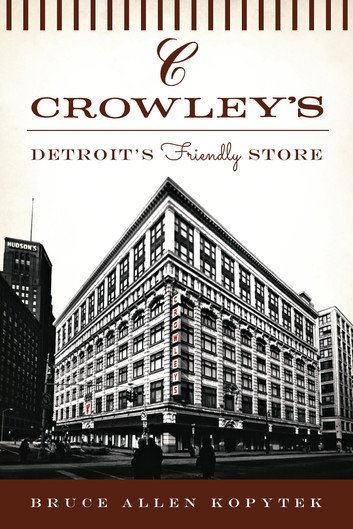
Description
Crowley’s Detroit: The Definitive History of Michigan’s Beloved Friendly Store
Crowley’s Detroit stands as one of Michigan’s most cherished retail memories. Founded in 1909, this iconic department store captured hearts across generations. Bruce Allen Kopytek’s comprehensive e-book chronicles the remarkable journey of Detroit’s friendly store. Moreover, readers discover the rich heritage that made Crowley’s a shopping destination unlike any other.
The Birth of Crowley’s Detroit: A Retail Revolution Begins
In 1909, entrepreneurs Daniel Crowley and Joseph J. Milner launched an ambitious venture. They established Crowley, Milner and Company in downtown Detroit. Furthermore, their vision was clear: create a department store emphasizing customer service and quality merchandise. The timing proved perfect for Detroit’s rapidly growing population.
The store’s early success exceeded all expectations. Within just ten years, Crowley’s became Michigan’s largest department store. This remarkable achievement demonstrated the founders’ business acumen. Additionally, it reflected Detroit’s booming economy during the automotive industry’s golden age.
Crowley’s Detroit vs. J.L. Hudson: The Great Retail Rivalry
Detroit’s retail landscape featured intense competition between two giants. Crowley’s Detroit faced off against the formidable J.L. Hudson Company. However, rather than diminishing either store, this rivalry elevated Detroit’s shopping experience. Both retailers pushed boundaries to attract discerning customers.
Crowley’s distinguished itself through its warm, welcoming atmosphere. The store earned its nickname “Detroit’s Friendly Store” through genuine customer care. Meanwhile, Hudson’s pursued grandeur and scale. Nevertheless, Crowley’s loyal customer base remained steadfast throughout the decades.
Revolutionary Innovations at Crowley’s Detroit
The Layaway System: Making Dreams Accessible
In 1920, Crowley’s Detroit introduced a groundbreaking customer service innovation. The store implemented the layaway system for shoppers. This program allowed customers to reserve merchandise with small deposits. Consequently, families could afford quality goods during economically challenging times.
The layaway system reflected Crowley’s commitment to serving all Detroit residents. Furthermore, it demonstrated the store’s understanding of working-class needs. This customer-first approach strengthened community bonds. Therefore, Crowley’s became more than just a store—it became a trusted partner.
Expansion Through Strategic Acquisition
That same transformative year brought another significant development. Crowley’s Detroit acquired the Goldberg Brothers store. This strategic purchase expanded the company’s footprint. Moreover, it positioned Crowley’s for continued growth throughout the roaring twenties.
The Golden Era of Crowley’s Detroit: 1920s Glamour
Architectural Marvels: The Famous Wooden Escalators
In 1928, Crowley’s Detroit unveiled an extraordinary feature. The store installed magnificent wooden escalators. These weren’t ordinary escalators—they were masterpieces of craftsmanship. Additionally, they became one of Detroit’s most photographed retail attractions.
The wooden escalators symbolized elegance and sophistication. Shoppers marveled at the smooth, quiet operation. Furthermore, the warm wood tones created an inviting atmosphere. These escalators remained functional for decades, becoming beloved landmarks themselves.
The Mezzanine Tea Room: Where Detroit Society Gathered
Alongside the escalators came another 1928 addition. Crowley’s Detroit opened an elegant mezzanine tea room. This refined space offered shoppers a respite from browsing. Moreover, it became a popular meeting place for Detroit’s social circles.
The tea room featured impeccable service and delicious refreshments. Ladies enjoyed afternoon tea while discussing the latest fashions. Meanwhile, the tea room generated additional revenue and enhanced customer loyalty. Thus, it exemplified Crowley’s holistic approach to retail experience.
Crowley’s Detroit at Its Peak: The 1940s-1950s
Massive Scale and Employment
By 1946, Crowley’s Detroit had reached impressive proportions. The downtown flagship store encompassed 800,000 square feet of retail space. Furthermore, the company employed approximately 1,450 workers. These numbers reflected Detroit’s post-war prosperity and consumer confidence.
The store’s size allowed for unprecedented merchandise variety. Shoppers found everything from fine jewelry to household appliances. Additionally, specialized departments catered to specific customer needs. Therefore, Crowley’s became a one-stop destination for Detroit families.
Market Position in Metro Detroit
By 1950, Crowley’s Detroit held a distinguished position. The store ranked as the second-largest department store in metropolitan Detroit. However, this ranking didn’t diminish its reputation or customer devotion. Nevertheless, Crowley’s maintained its unique identity and loyal following.
What Made Crowley’s Detroit Special: The Friendly Store Difference
Crowley’s Detroit distinguished itself through several key characteristics:
- Fine Merchandise Selection: Carefully curated products representing quality and value
- Exceptional Customer Service: Staff trained to provide personalized, attentive assistance
- Friendly Atmosphere: Warm, welcoming environment that made shopping enjoyable
- Community Connection: Deep roots in Detroit neighborhoods and genuine local commitment
- Innovative Programs: Forward-thinking services like layaway that serve customer needs
- Special Events: Memorable experiences including the beloved Breakfast with Santa tradition
These elements combined to create something truly special. Crowley’s Detroit wasn’t merely a place to shop. Instead, it was a cherished community institution where memories were made.
Suburban Expansion: Crowley’s Detroit Reaches New Neighborhoods
The Westborn Shopping Center Pioneer
In 1959, Crowley’s Detroit made a strategic decision. The company opened its first suburban location at Westborn Shopping Center in Dearborn. This expansion reflected changing residential patterns across metropolitan Detroit. Moreover, it demonstrated Crowley’s commitment to serving customers wherever they lived.
The Dearborn location brought Crowley’s friendly service to suburban families. Furthermore, it maintained the quality and atmosphere of the downtown flagship. Therefore, customers enjoyed consistent experiences across all locations. This suburban strategy would continue throughout subsequent decades.
Balancing Downtown Heritage with Suburban Growth
Crowley’s Detroit faced a delicate balancing act. The company needed to honor its downtown roots while embracing suburban opportunities. However, management successfully navigated this challenge. Nevertheless, the downtown store remained the company’s symbolic heart.
Bruce Allen Kopytek’s Comprehensive Chronicle
Inside Crowley’s Detroit: A Guided Tour
Author Bruce Allen Kopytek provides readers with an intimate exploration. His e-book takes audiences through the legendary downtown store’s departments. Furthermore, he documents the suburban branches that extended Crowley’s reach. Each page reveals fascinating details about daily operations and special features.
Kopytek’s research brings Crowley’s Detroit back to life. Readers virtually walk the aisles alongside shoppers from decades past. Additionally, the narrative captures the sights, sounds, and atmosphere. Therefore, even those who never visited experience the store’s magic.
The Landmarks Series: Preserving Detroit’s Retail Heritage
This e-book belongs to the prestigious Landmarks series. The series documents significant places in American cultural history. Moreover, Crowley’s Detroit certainly deserves this recognition. The store shaped shopping experiences for generations of Michigan residents.
Published with ISBN 9781625857583, this e-book edition ensures accessibility. Furthermore, e-book distribution allows wider audience reach. Thus, Crowley’s story can inspire nostalgia across geographical boundaries.
Nostalgic Memories: Why Crowley’s Detroit Still Matters
A Beloved Institution Remembered
Decades after its closure, Crowley’s Detroit remains beloved. Former customers share fond memories with younger generations. Moreover, these stories keep the store’s spirit alive. The emotional connection transcends mere retail transactions.
People remember specific purchases made at Crowley’s Detroit. They recall helpful salespeople who became familiar faces. Additionally, they treasure memories of special occasions celebrated there. Therefore, the store occupies a unique place in Detroit’s collective memory.
Special Events That Created Lasting Bonds
Crowley’s Detroit excelled at creating memorable experiences. The annual Breakfast with Santa became a cherished tradition. Families returned year after year to this magical event. Furthermore, children’s faces lit up meeting Santa in Crowley’s festive setting.
These special events demonstrated Crowley’s community commitment. Moreover, they generated goodwill that transcended commercial relationships. Thus, Crowley’s became woven into Detroit’s cultural fabric.
The Legacy of Crowley’s Detroit: Lessons for Modern Retail
Customer Service as Competitive Advantage
Crowley’s Detroit proved that friendliness matters in retail. The store’s emphasis on personal service created loyal customers. Furthermore, this approach generated positive word-of-mouth advertising. Modern retailers can learn from this customer-first philosophy.
Today’s impersonal shopping experiences contrast sharply with Crowley’s approach. However, some retailers are rediscovering personalized service’s value. Nevertheless, few match the genuine warmth that defined Crowley’s Detroit.
Community Connection in the Digital Age
Crowley’s Detroit maintained deep community roots throughout its existence. The store participated in local events and supported Detroit institutions. Additionally, employees often lived in neighborhoods they served. Therefore, authentic connections flourished naturally.
Contemporary retailers struggle to replicate this community integration. Moreover, online shopping further distances businesses from local contexts. Thus, Crowley’s example offers valuable insights for building meaningful customer relationships.
Why Read “Crowley’s Detroit” by Bruce Allen Kopytek
For Detroit History Enthusiasts
This e-book offers essential reading for anyone interested in Detroit’s past. Crowley’s Detroit played a significant role in the city’s commercial development. Furthermore, the store’s story intertwines with broader Detroit history. Therefore, understanding Crowley’s enhances understanding of Detroit itself.
Kopytek’s thorough research provides authoritative information. Moreover, his engaging writing style makes history accessible and enjoyable. Thus, readers gain knowledge while experiencing genuine entertainment.
For Nostalgia Seekers and Former Customers
Former Crowley’s Detroit shoppers will treasure this nostalgic journey. The e-book resurrects memories of beloved shopping experiences. Additionally, it validates the special feelings people associate with the store. Therefore, reading becomes an emotional homecoming.
Even those too young to remember Crowley’s find value here. Moreover, the book illustrates how retail once fostered community connections. Thus, younger readers gain perspective on changing commercial landscapes.
For Retail History Students
Students of American retail history need this comprehensive resource. Crowley’s Detroit exemplifies mid-twentieth-century department store culture. Furthermore, the store’s innovations influenced broader retail practices. Therefore, academic researchers will find substantial material.
The book documents specific business strategies and their outcomes. Additionally, it provides context for understanding retail evolution. Thus, “Crowley’s Detroit” serves both scholarly and popular audiences.
Conclusion: Preserving the Memory of Crowley’s Detroit
Bruce Allen Kopytek’s “Crowley’s Detroit: Detroit’s Friendly Store” performs an invaluable service. This comprehensive e-book preserves the memory of Michigan’s beloved department store. Moreover, it ensures future generations can appreciate Crowley’s significance. The detailed narrative brings the store back to life through vivid descriptions and careful research.
From its 1909 founding by Daniel Crowley and Joseph J. Milner through suburban expansion, Crowley’s Detroit maintained its friendly character. The store’s innovations—including the layaway system and famous wooden escalators—demonstrated customer-focused thinking. Furthermore, special events like Breakfast with Santa created lasting family memories. These elements combined to make Crowley’s more than just a store.
Today, Crowley’s Detroit exists only in memories and historical records. However, Kopytek’s work ensures these memories remain accessible. Moreover, the lessons from Crowley’s customer service excellence remain relevant. Therefore, this e-book serves both nostalgic and educational purposes.
For anyone who remembers shopping at Crowley’s Detroit, this book offers a treasured journey home. For those discovering the store’s story for the first time, it reveals a remarkable chapter in Detroit’s commercial history. Furthermore, it demonstrates how retail establishments can become beloved community institutions. Thus, “Crowley’s Detroit” stands as both memorial and inspiration—a fitting tribute to Detroit’s friendly store.





Reviews
There are no reviews yet.