

Description
Community Architect: Clarence S. Stein’s Revolutionary Vision for American Urban Planning
Discovering the Community Architect Who Changed America
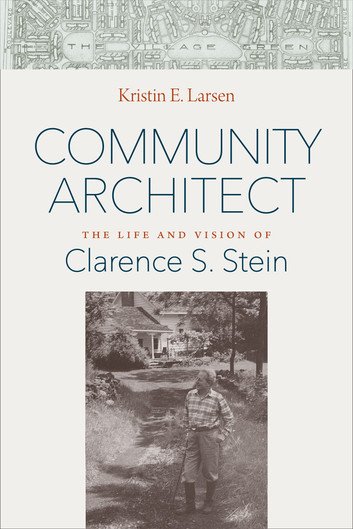
Clarence S. Stein stands as one of America’s most influential community architects. His groundbreaking work transformed how we design neighborhoods and cities. Moreover, his vision continues to shape modern urban planning today. This comprehensive biography by Kristin E. Larsen reveals the man behind the movement.
Stein believed communities should serve people, not just buildings. Therefore, he championed designs that prioritized human connection and quality of life. His innovative approach created spaces where families could thrive together.
The Vision of a Community Architect
Clarence S. Stein pioneered the Garden City movement in America. First, he studied European urban planning models extensively. Then, he adapted these concepts for American communities. Additionally, he collaborated with other visionaries to create lasting change.
His philosophy centered on several key principles:
- Separating pedestrian and vehicle traffic for safety
- Creating green spaces within residential areas
- Designing neighborhoods as complete, self-contained communities
- Prioritizing affordable housing for working families
- Integrating schools, shops, and parks into residential zones
- Building homes that fostered social interaction
Because of these innovations, Stein earned recognition as a true community architect. His designs went beyond aesthetics to address social needs.
Revolutionary Projects That Defined Community Architecture
Stein’s most famous project was Radburn, New Jersey. This planned community became a model for suburban development nationwide. Furthermore, it introduced the “superblock” concept that many cities still use today.
Radburn featured homes facing inward toward parks and walkways. Meanwhile, cars accessed properties from the rear. This design kept children safe while encouraging neighborhood connections.
Next, Stein worked on Sunnyside Gardens in Queens, New York. This project demonstrated that quality housing could be affordable. Moreover, it proved that thoughtful design improved residents’ daily lives significantly.
The Lasting Impact of Community Architect Clarence S. Stein
Stein’s influence extends far beyond his completed projects. However, his greatest legacy lies in changing how architects think about communities. Today, urban planners worldwide study his principles and methods.
His work inspired the New Urbanism movement of recent decades. Additionally, sustainable development advocates cite his environmentally conscious designs. Because he prioritized walkability and green spaces, modern eco-friendly communities follow his template.
Larsen’s biography explores how Stein balanced idealism with practical constraints. Therefore, readers gain insight into both his successes and challenges. The book reveals a complex figure who never stopped innovating.
Why This Community Architect Matters Today
Contemporary cities face many challenges Stein addressed decades ago. First, urban sprawl continues to separate people from essential services. Second, car-dependent suburbs isolate residents and harm the environment. Finally, affordable housing remains critically scarce in most American cities.
Stein’s solutions remain remarkably relevant for these modern problems. His community-centered approach offers alternatives to conventional development patterns. Moreover, his emphasis on social equity resonates with today’s planning priorities.
Understanding Stein’s Collaborative Approach
Stein never worked alone on his visionary projects. Instead, he partnered with talented colleagues like Henry Wright. Together, they developed innovative site planning techniques. Additionally, they advocated for government support of quality housing.
His collaborative spirit extended to residents as well. Because Stein valued community input, his designs reflected actual needs. This participatory approach was revolutionary for his era.
Furthermore, Stein wrote extensively about his philosophy and methods. His books and articles educated generations of planners. Therefore, his intellectual contributions matched his built achievements.
The Personal Journey Behind the Professional Success
Larsen’s biography doesn’t just chronicle Stein’s professional accomplishments. Instead, it reveals the personal experiences that shaped his vision. Readers discover how his values influenced his architectural philosophy.
Stein grew up witnessing rapid urbanization and its social costs. Consequently, he dedicated his career to creating healthier communities. His commitment to social justice informed every project he undertook.
Moreover, the book explores Stein’s relationships with other reform-minded professionals. These connections helped him advance progressive planning ideas. However, he also faced opposition from conventional developers and politicians.
Key Lessons from a Community Architect’s Life
This biography offers valuable insights for contemporary readers. First, it demonstrates how individual vision can transform society. Second, it shows that good design requires understanding human needs deeply. Finally, it proves that persistence matters when pursuing meaningful change.
Stein’s career spanned decades of American urban development. Therefore, his story illuminates major shifts in planning philosophy. Additionally, it provides context for current debates about housing and community design.
Because Larsen conducted extensive research, the book includes previously unpublished materials. These documents reveal Stein’s thought process and creative evolution. Furthermore, they show how his ideas developed through practice and reflection.
The Relevance of Community Architecture Now
Today’s housing crisis demands innovative solutions like Stein’s. However, many developers still prioritize profit over community well-being. Therefore, revisiting Stein’s principles could guide better development practices.
His emphasis on mixed-income neighborhoods addresses current segregation concerns. Moreover, his pedestrian-friendly designs align with climate change mitigation efforts. Additionally, his focus on public spaces supports mental health and social cohesion.
Urban planners increasingly recognize that car-centric development has failed communities. Consequently, they’re returning to walkable, human-scale neighborhood designs. This shift validates Stein’s vision from nearly a century ago.
A Must-Read Biography for Design Professionals and Beyond
Kristin E. Larsen’s comprehensive study appeals to multiple audiences. First, architecture and planning professionals gain historical perspective on their field. Second, students discover foundational concepts that remain essential today. Finally, general readers interested in cities find an engaging, accessible narrative.
The book balances scholarly rigor with readable prose. Therefore, it works equally well as academic reference and popular history. Moreover, Larsen’s clear writing makes complex planning concepts understandable.
Because the biography includes numerous illustrations and photographs, readers visualize Stein’s projects clearly. These images bring his innovative designs to life. Additionally, they demonstrate how his communities functioned in practice.
Conclusion: Honoring a Visionary Community Architect
Clarence S. Stein deserves recognition as one of America’s most important community architects. His innovative designs improved countless lives during his lifetime. Moreover, his principles continue guiding progressive urban development today.
Larsen’s biography ensures Stein’s legacy reaches new generations of planners and citizens. Therefore, readers gain both historical knowledge and contemporary inspiration. The book reminds us that thoughtful design can create more equitable, sustainable communities.
Ultimately, Stein’s life demonstrates architecture’s power to address social challenges. His work proves that buildings and neighborhoods shape human flourishing. Because of visionaries like this community architect, we can imagine and build better cities for everyone.




Reviews
There are no reviews yet.