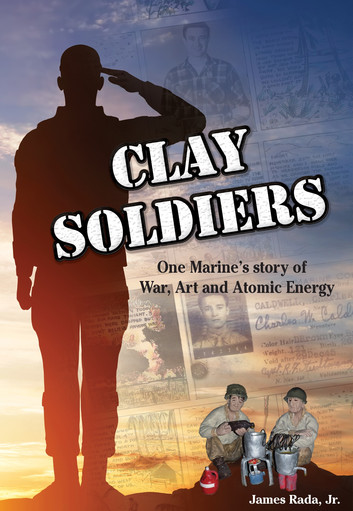
Clay Soldiers: One Marine’s Story of War, Art and Atomic Energy

Price range: $3.99 through $24.49

James Rada Jr. chronicles the life of Chuck Zeller. This biography follows a Marine from the Pacific front to his career in atomic research. Zeller’s journey blends war and science.

Additional information

Publisher

James Rada Jr

Release Date

June 6, 2016

Number of pages

219

Language

English

ISBN

9781310323355

Download options

Epub

Format

Digital Book, Paper Book

SKU: 9781310323355 Categories: , , Product ID: 26041

Description

Clay Soldiers: A Marine’s Journey Through War, Art, and Atomic Energy

“Clay Soldiers” by James Rada Jr. tells the true story of a Marine whose life spans World War II and the subsequent atomic age. The memoir closely follows his journey, tracing the interconnected themes of war, artistic expression, and atomic energy, offering a distinct and focused perspective on American history through his eyes.

About Author James Rada Jr.

James Rada Jr. is an accomplished author known for historical narratives and biographies. Focused on forgotten stories, he brings them to light with meticulous research. Building on his previous works about American history and remarkable individuals, Rada’s writing style makes complex historical events accessible to general readers.
Rada discovered this Marine’s story through extensive interviews and archival research. Over the years, he pieced together the details of an extraordinary life. As a result, “Clay Soldiers” blends thorough scholarship with compelling storytelling, and the author’s dedication ensures this important story reaches modern audiences.

The Marine Behind Clay Soldiers

The memoir centers on a young man who enlisted in the Marines during World War II and fought in the Pacific. He witnessed the toll of war on soldiers and civilians, shaping his life and artistic vision.
After the war, this Marine did not simply return to civilian life unchanged. Instead, he channeled his wartime experiences into unexpected creative outlets. As his journey continued, he also became involved in the early atomic energy industry during America’s nuclear age. His story represents the experiences of countless veterans who rebuilt their lives after traumatic challenges.

Connecting War, Art, and Atomic Energy

“Clay Soldiers” deliberately focuses on how war, art, and atomic energy intertwined to shape the Marines’ lives. The memoir deeply explores how these three major forces influenced his personal journey and the era in which he lived.
The war experiences provided raw material for artistic exploration and personal healing. As the Marine turned to art, it became a way to process trauma and communicate unspeakable experiences. Subsequently, his involvement with atomic energy represented America’s postwar technological transformation. These three threads—war, art, and technology—weave together to create a comprehensive life portrait.

The Significance of Clay in the Story

Clay serves as both literal material and powerful metaphor throughout the narrative. During his postwar years, the Marine used clay to create sculptures that expressed his wartime memories. Additionally, clay represented malleability and the ability to reshape one’s life, symbolizing transformation. This artistic medium allowed him to give tangible form to formless trauma.
His clay sculptures captured soldiers’ humanity beyond words. Each piece told stories of courage and loss. Sculpting provided therapeutic benefits and helped him stay grounded.

Key Themes Explored in Clay Soldiers

The book addresses several profound themes that resonate with contemporary readers:
Major themes include:
  • The lasting psychological impact of combat on veterans
  • Art as a tool for healing and processing trauma
  • America’s transition from wartime to the atomic age
  • The struggle to maintain humanity amid technological progress
  • Finding purpose and meaning after life-altering experiences.
  • The intersection of personal history and national transformation
  • Memory, loss, and the power of creative expression
These central themes of war, art, and atomic energy give “Clay Soldiers” lasting relevance. Readers today confront ongoing questions about conflict, innovation, and healing. The memoir’s focus connects the Marine’s journey to universal human concerns.

The Pacific Theater Experience

The book vividly describes combat in the Pacific during World War II. Rada depicts harsh conditions and the psychological cost of island and jungle battles, giving readers insights into American history.
The Marine saw death, destruction, and suffering. He lost friends and endured battles that tested the limits of endurance. He survived and honored those who did not return.

Postwar Adjustment and Artistic Discovery

Returning home after the war presented unexpected challenges for many veterans. Like others, the Marine struggled to reintegrate into civilian society after his traumatic experiences. Eventually, he discovered that artistic expression provided an outlet for his emotions. Clay sculpting became his primary means of communication and healing, guiding his journey toward recovery.
His artwork depicted soldiers in action and contemplation. Each sculpture preserved memories from war. Through art, he created a lasting tribute to his generation.

The Atomic Energy Connection

“Clay Soldiers” also explores the Marines’ involvement in America’s atomic energy industry. After the war, he worked in facilities related to nuclear power development. This career choice reflected the era’s optimism about the peaceful applications of atomic energy. Moreover, it connected him to another transformative aspect of postwar American life.
His work in atomic energy symbolized hope for progress, but also raised questions about new technologies. This part of his story adds complexity, showing his navigation of postwar changes.

Why This Memoir Matters Today

“Clay Soldiers” preserves an important firsthand account of twentieth-century American history. By documenting experiences that shaped an entire generation of veterans and citizens, the memoir also demonstrates how individuals process collective trauma through personal creativity. The book reminds us that history consists of individual human stories, each intersecting with larger historical forces.
Modern readers can learn from this Marine’s resilience. His story shows how pain can be transformed into something meaningful and highlights the importance of supporting veterans’ transitions to civilian life.

Historical and Personal Significance

James Rada Jr.’s “Clay Soldiers” blends memoir and historical record. It places one man’s life amid major events and demonstrates how ordinary people influence extraordinary times. This enhances our view of personal and collective history.
The book adds to our knowledge of World War II’s Pacific Theater and the early atomic age from a participant’s perspective. It also explores art therapy’s role in veteran rehabilitation, making it valuable to historians and general readers alike.

Impact on Readers

Readers praise “Clay Soldiers” for its honesty and authenticity. The book resonates with veterans, artists, history fans, and those seeking to understand earlier generations. Rada’s clear style engages a wide audience.
Many readers report gaining a new appreciation for veterans’ sacrifices and postwar struggles. The book humanizes historical events through the detailed account of one man. Consequently, it fosters empathy and understanding across generational divides. This emotional connection makes history feel immediate and relevant.

Conclusion: A Story Worth Remembering

“Clay Soldiers” by James Rada Jr. offers readers an unforgettable journey through the extraordinary life of one Marine. It skillfully weaves together themes of war, artistic expression, and technological transformation. Moreover, it demonstrates how individuals can find healing and purpose after traumatic experiences.
This memoir preserves important history and tells a deeply human story. It honors a veteran’s service and highlights the role of creativity in processing difficult memories.
For anyone interested in World War II, veterans, or American history, this book is essential. It reminds us that real people lived behind every event. James Rada Jr. offers readers a valuable story to preserve.

Reviews

There are no reviews yet.

Be the first to review “Clay Soldiers: One Marine’s Story of War, Art and Atomic Energy”

Your email address will not be published. Required fields are marked *

E-mail
Password
Confirm Password