Description
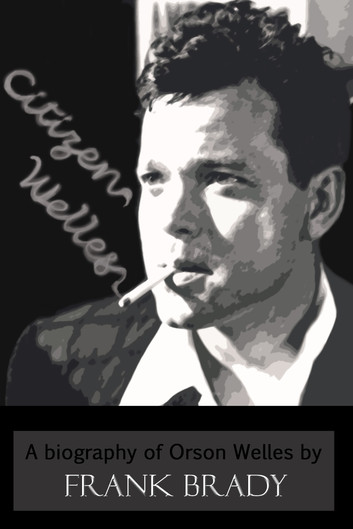
Citizen Welles: A Biography of Orson Welles – A Comprehensive Look at Cinema’s Rebel Genius
Introduction: Understanding Orson Welles Through Frank Brady’s Biography
Orson Welles revolutionized American cinema with his groundbreaking vision and talent. Moreover, he remains one of the most fascinating figures in film history. Frank Brady’s “Citizen Welles” offers an exhaustive portrait of this complex artist. Furthermore, the biography spans Welles’ entire life from childhood prodigy to troubled genius. Brady spent decades researching and interviewing those who knew Welles personally.
This definitive biography reveals both triumphs and failures in Welles’ remarkable career. Additionally, it explores his personal relationships, creative struggles, and lasting legacy. Brady provides unprecedented access to Welles’ private world and artistic process. Therefore, readers gain insight into what drove this extraordinary filmmaker and performer. The book stands as the most complete account of Welles’ life.
Who Was Orson Welles and Why He Matters
Orson Welles burst onto the cultural scene as a teenage prodigy. Moreover, he mastered theater, radio, and film before turning 30. His 1938 “War of the Worlds” radio broadcast caused nationwide panic. Furthermore, it demonstrated his genius for dramatic storytelling and media manipulation. He understood how to captivate audiences across different media brilliantly.
At age twenty-five, Welles directed “Citizen Kane” for RKO Pictures. Additionally, he co-wrote, produced, and starred in this revolutionary film. Many critics consider it the greatest movie ever made. However, its controversial portrayal of William Randolph Hearst created powerful enemies. The newspaper magnate worked to destroy the film’s commercial prospects.
Welles pioneered innovative techniques that changed filmmaking forever and influenced generations. Meanwhile, he introduced deep focus cinematography, unconventional narrative structures, and bold lighting. His visual style influenced directors from Kubrick to Spielberg to Fincher. Therefore, modern cinema owes an enormous debt to his creative innovations. His influence extends far beyond his own filmography and achievements.
Despite his genius, Welles struggled with Hollywood throughout his entire career. Furthermore, studios rarely gave him the creative control he demanded. He fought constant battles over the final cut and artistic vision. Consequently, many of his projects remained unfinished or were re-edited without permission. This tension between art and commerce defined his professional life.
What Frank Brady’s Biography Reveals About Welles
Frank Brady conducted extensive research over many years for this biography. Moreover, he interviewed hundreds of Welles’ colleagues, friends, and family members. He accessed private letters, unpublished manuscripts, and personal documents never seen before. Additionally, he examined financial records, contracts, and studio correspondence in detail. This thorough approach creates an incredibly detailed and nuanced portrait.
The biography reveals Welles as brilliant yet deeply flawed and contradictory. Furthermore, Brady doesn’t shy away from his subject’s less admirable qualities. Welles could be charming, generous, and inspiring to those around him. However, he also regularly displayed arrogance, manipulation, and self-destructive behavior. Brady presents these contradictions honestly without judgment or excessive criticism.
Brady explores Welles’ complicated relationships with women throughout his long life. Additionally, he examines three marriages and numerous affairs with famous actresses. Rita Hayworth, his second wife, suffered greatly from his infidelities and neglect. Meanwhile, Welles maintained a long relationship with Croatian actress Oja Kodar. These personal relationships often influenced his creative work and artistic choices.
The book details Welles’ constant financial struggles despite his fame and talent. Moreover, he spent decades scrambling for funding to complete his projects. He took acting jobs in bad movies to finance his films. Furthermore, he appeared in commercials and talk shows to raise money. This financial desperation shaped his later career and limited his options.
Brady also reveals Welles’s political activism and progressive values throughout his life. Additionally, he fought against racism, fascism, and censorship during the 1940s. His radio commentaries courageously criticized injustice and defended civil rights causes. However, this activism made him a target of FBI surveillance and denunciation. The book documents how politics significantly affected his career opportunities.
Major Themes Explored in Citizen Welles
Brady’s biography examines several interconnected themes throughout Welles’ complex life and career. First, it explores the burden of early genius and impossible expectations. Second, it analyzes the conflict between artistic vision and commercial demands. Third, it investigates how fame and talent don’t guarantee success.
Key themes include:
- The price of being a child prodigy and early success
- Hollywood’s resistance to true artistic independence and innovation
- The relationship between genius and self-destruction in creative people
- How personal demons undermined professional achievements repeatedly
- The role of the ego in both creating and destroying careers
- Financial mismanagement and its impact on artistic output
- The struggle to maintain relevance across changing cultural landscapes
- Legacy versus contemporary recognition and commercial success
The biography emphasizes Welles’ lifelong battle for creative control over projects. Moreover, this struggle defined his relationship with Hollywood studios and producers. He refused to compromise his vision even when it hurt him. Furthermore, this stubbornness cost him opportunities and damaged important relationships. Brady shows how this pattern repeated throughout his entire career.
Another major theme involves Welles’ relationship with his own mythology and legend. Additionally, he cultivated a larger-than-life persona that sometimes overshadowed his work. He told elaborate stories about his past that weren’t always true. Meanwhile, he struggled with the gap between his reputation and reality. This self-mythologizing became both an asset and a liability over time.
The book also explores how Welles’ physical appearance affected his career trajectory. Furthermore, his weight gain limited the roles available to him as an actor. He was frequently typecast as a villain, a corrupt politician, and a grotesque character. However, he used his imposing presence to deliver memorable performances. Brady honestly examines how Welles felt about these physical changes.
Orson Welles’ Major Accomplishments and Career Milestones
Welles achieved extraordinary success across multiple artistic media throughout his career. Moreover, his accomplishments span theater, radio, film, and television over the course of five decades. Brady documents each phase of his career with meticulous detail and research.
Notable career achievements include:
- Founding the Mercury Theatre at age twenty-two with John Houseman
- Creating the legendary “War of the Worlds” radio broadcast in 1938
- Directing and starring in “Citizen Kane” at age twenty-five
- Making “The Magnificent Ambersons,” later butchered by RKO studio executives.
- Directing the noir masterpiece “Touch of Evil” in 1958
- Creating “Chimes at Midnight,” his personal favorite among his films
- Directing innovative Shakespeare adaptations, including “Othello” and “Macbeth.”
- Working in European cinema when Hollywood rejected him repeatedly
- Appearing in dozens of films to finance his own projects
- Receiving an honorary Academy Award in 1971 for lifetime achievement
The biography details the making of “Citizen Kane” with fascinating behind-the-scenes information. Additionally, Brady reveals the political pressure Hearst applied to suppress the film. He documents how the controversy dramatically affected Welles’ subsequent career opportunities. Furthermore, he explains why the film failed commercially despite critical acclaim. This section provides essential context for understanding Welles’s later struggles.
Brady also examines Welles’ unfinished projects, including “The Other Side of Wind.” Moreover, he explains why so many films remained incomplete at his death. Financial problems, studio interference, and perfectionism all played roles in this. Additionally, Welles sometimes lost interest in projects before completing them fully. The book catalogs these abandoned works and their potential significance.
His work in European cinema receives substantial attention in the biography. Furthermore, Brady shows how exile from Hollywood actually liberated Welles creatively. He made some of his best work while living in Europe. Meanwhile, he enjoyed greater artistic freedom than American studios ever allowed. These years proved both productive and personally fulfilling for the director.
The Controversies and Struggles That Defined Welles
Welles’ career was marked by constant conflict with studios and producers. Moreover, his reputation for being difficult preceded him throughout Hollywood circles. Studios feared giving him control after early budget overruns and conflicts. Furthermore, his perfectionism and unconventional methods scared conservative executives away. This reputation became a self-fulfilling prophecy that limited his opportunities.
The “Magnificent Ambersons” disaster particularly damaged his career and professional reputation. Additionally, RKO re-edited the film while Welles was in Brazil. They cut over forty minutes and added a happy ending. Meanwhile, Welles never recovered from the studio’s betrayal. Brady details this painful episode and its lasting psychological impact thoroughly.
His relationship with William Randolph Hearst created lifelong professional problems for Welles. Furthermore, Hearst’s newspapers attacked him viciously for years after “Citizen Kane.” They published false stories that damaged his reputation. Additionally, Hearst pressured studios not to hire Welles for future projects. This vendetta permanently significantly limited his career options in Hollywood.
Welles’ financial irresponsibility created constant crises throughout his adult life. Moreover, he spent money recklessly on lavish meals, gifts, and travel. He owed back taxes to multiple governments for decades. Furthermore, he borrowed money from friends and never repaid them. Brady documents these financial disasters without excusing Welles’ poor judgment.
His drinking also affected his work and relationships with colleagues negatively. Additionally, alcohol contributed significantly to health problems in his later years. He gained enormous amounts of weight, partly due to excessive drinking. However, Brady notes that Welles rarely drank while actually working. The biography presents a balanced view of his substance use.
Why Frank Brady’s Biography Matters Today
“Citizen Welles” stands as the definitive account of this filmmaker’s extraordinary life. Moreover, Brady’s exhaustive research provides unmatched depth and detail throughout. No other biography comes close to this level of thoroughness. Furthermore, Brady knew Welles personally, which adds a valuable insider perspective. His access to private materials makes this book uniquely authoritative.
The biography helps readers understand how the Hollywood system treats artists. Additionally, it shows how studios consistently prioritize profit over artistic excellence. Welles’ struggles remain relevant to independent filmmakers today, who face similar challenges. Therefore, his story serves as both an inspiration and a cautionary tale. The book clearly illuminates the ongoing tensions between art and commerce.
Brady’s work also corrects many myths and misconceptions about Welles’ life. Furthermore, it separates fact from the legends that Welles himself deliberately created. The book provides accurate information based on documentary evidence and research. Meanwhile, it preserves the complexity and contradictions that made Welles fascinating. This balanced approach serves both scholarship and general readers well.
The biography demonstrates how genius alone doesn’t guarantee success or happiness. Moreover, it shows how personal flaws can undermine even extraordinary talent. Welles possessed gifts that come along once in a generation. However, his inability to work within systems significantly limited his output. Brady explores this tragedy with empathy and insight throughout.
Welles’ Lasting Impact on Cinema and Culture
Orson Welles transformed how filmmakers approach their craft and artistic vision. Moreover, his innovations in cinematography, sound, and narrative structure remain influential today. Directors still study “Citizen Kane” to learn fundamental filmmaking techniques. Furthermore, his bold visual style continues to inspire new generations of artists. His legacy extends far beyond his own completed films alone.
His career also illustrates the importance of artistic independence and creative control. Additionally, Welles showed that compromise doesn’t always serve the final product. He fought for his vision even when it cost him dearly. Therefore, he became a symbol of artistic integrity against corporate interests. Many filmmakers cite him as an inspiration for their own battles.
The biography shows how Welles anticipated modern media and celebrity culture. Furthermore, he understood how to manipulate public perception and create buzz. His “War of the Worlds” broadcast demonstrated the media’s power to shape reality. Meanwhile, he cultivated his own image as carefully as any contemporary star. Brady thoroughly explores this prescient understanding of media dynamics.
Welles’ influence extends beyond cinema into theater, radio, and television as well. Moreover, he proved that artists could work successfully across multiple media. His Mercury Theatre productions revolutionized American theater in the 1930s. Additionally, his radio work set standards for dramatic broadcasting that endure to this day. The book documents these broader cultural contributions in detail.
The Personal Cost of Genius
Brady doesn’t romanticize the personal toll of Welles’ driven, chaotic lifestyle. Moreover, he shows how ambition and ego repeatedly damaged important relationships. Welles’ children suffered from his absence and emotional unavailability as a father. Furthermore, his wives endured infidelity, neglect, and emotional manipulation from him. The biography honestly addresses these painful aspects of his character.
His later years brought increasing isolation despite continued creative output and work. Additionally, younger generations didn’t always appreciate his earlier achievements and innovations. He struggled with feeling forgotten and irrelevant in changing times. Meanwhile, he continued working on projects that might restore his reputation. Brady portrays these final decades with compassion and understanding.
The book also examines Welles’ complicated relationship with his own legacy. Furthermore, he worried constantly about how history would judge his work. He knew he never fulfilled his early promise completely or satisfactorily. However, he also recognized that circumstances beyond his control limited him. This self-awareness adds poignancy to his later interviews and statements.
Despite everything, Welles never stopped creating or dreaming of new projects. Moreover, he worked until the days before his death in 1985. His passion for filmmaking never diminished despite decades of frustration. Therefore, his story ultimately celebrates artistic dedication and perseverance in the face of obstacles. Brady honors this indomitable spirit throughout the biography’s pages.
Conclusion: A Complete Portrait of a Complex Artist
Frank Brady’s “Citizen Welles” succeeds as both scholarly biography and engaging narrative. Moreover, it presents Orson Welles as a fully human figure with strengths and weaknesses. The book avoids hagiography while still celebrating his genuine achievements. Furthermore, it provides a context for honestly understanding his failures and disappointments. This balanced approach makes the biography both credible and compelling.
Readers finish with a deep appreciation for Welles’ contributions to cinema and culture. Additionally, they understand the personal and professional costs of his choices. The biography shows how talent alone isn’t enough without discipline and compromise. However, it also demonstrates the value of uncompromising artistic vision. These lessons remain relevant for anyone pursuing creative work today.
Brady’s exhaustive research ensures this biography will remain the standard reference work. Moreover, future scholars will rely on this book for accurate information. The level of detail satisfies academics while remaining accessible to general readers. Therefore, it effectively serves multiple audiences with different interests and backgrounds. This versatility makes it an essential addition to film literature.
“Citizen Welles” ultimately celebrates a life lived in pursuit of artistic excellence. Furthermore, it honors Welles’ refusal to accept mediocrity or compromise unnecessarily. His story inspires while also cautioning against self-destructive behavior patterns. Meanwhile, it preserves the memory of one of cinema’s true originals. Brady has given us a gift with this comprehensive, honest biography.
The book reminds us that great artists are rarely simple or easy people. Moreover, it shows how genius and dysfunction often coexist in creative individuals. Welles embodied these contradictions more dramatically than any other artist in history. Therefore, his story fascinates us decades after he died in 1985. This biography ensures his legacy will endure for future generations to discover.


Reviews
There are no reviews yet.