Description
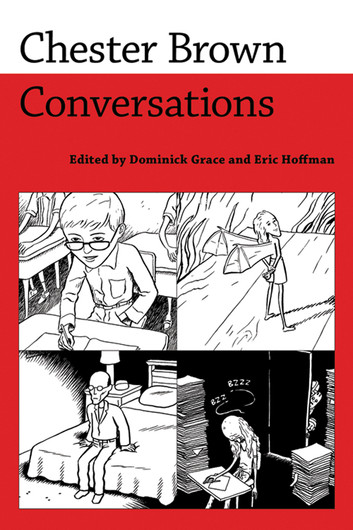
Chester Brown Conversations: Essential Interviews with a Comics Visionary – Edited by Dominick Grace and Eric Hoffman
Discover the Mind Behind Revolutionary Comics Through Chester Brown Interviews
Chester Brown stands as one of alternative comics’ most influential voices. Moreover, his work has challenged conventions and pushed boundaries for decades. This collection gathers essential Chester Brown interviews spanning his entire career. Furthermore, it offers unprecedented access to his creative process and artistic philosophy. Therefore, readers gain deep insight into one of comics’ most fascinating minds.
The conversations reveal Chester Brown’s evolution from underground cartoonist to acclaimed graphic novelist. Additionally, they document his willingness to tackle controversial subjects fearlessly throughout his career. Editors Dominick Grace and Eric Hoffman curated these interviews with scholarly care and precision. Consequently, the collection provides casual readers and serious scholars valuable perspectives.
Who Is Chester Brown?
Chester Brown emerged from Canada’s alternative comics scene in the 1980s. However, he quickly distinguished himself from his contemporaries through bold subject choices. His work combines minimalist artistic style with unflinching autobiographical honesty and historical rigor. Therefore, he has earned recognition as a true innovator in sequential art.
Early Career and Yummy Fur
Brown originally launched his career with the groundbreaking comic series Yummy Fur. Moreover, this series showcased his willingness to explore taboo subjects without compromise. He published surreal stories, biblical adaptations, and raw autobiographical material in its pages. Furthermore, Yummy Fur established his reputation for fearless creative expression and artistic integrity. The series became essential reading for alternative comics fans during its run.
Major Works That Changed Comics
Chester Brown created several landmark works that redefined graphic novel possibilities. Moreover, each project demonstrated his growth as both artist and storyteller. His graphic novel “Louis Riel” brought Canadian history to life with meticulous research. Additionally, “Paying For It” documented his experiences with sex workers with controversial honesty. These works sparked important conversations about comics’ potential as serious literature.
What This Interview Collection Offers
The Chester Brown conversations compiled here span multiple decades of his career. Moreover, they capture his thinking at different stages of artistic development and maturity. Readers encounter Brown discussing his creative process, influences, and controversial choices. Furthermore, the interviews reveal how his ideas evolved over time through changing circumstances. Therefore, the collection functions as both biography and artistic philosophy.
Insights Into Creative Process
Brown discusses his distinctive artistic approach throughout these conversations in fascinating detail. Moreover, he explains his minimalist style and its relationship to storytelling clarity. He describes his research methods for historical projects like “Louis Riel.” Additionally, he reveals how he decides which personal experiences warrant autobiographical treatment. These insights prove invaluable for aspiring cartoonists and curious readers alike.
Controversial Subjects and Artistic Freedom
The interviews address Brown’s most controversial work with remarkable candor and thoughtfulness. Furthermore, he explains his decision to document his experiences with sex workers. He discusses the backlash he received and his responses to critics. Moreover, he articulates his belief in artistic freedom and honest self-expression. These conversations illuminate the courage required to create truly personal art.
Key Themes Across the Chester Brown Conversations
Several important themes emerge repeatedly throughout this collection of interviews and discussions. Moreover, these recurring subjects reveal Brown’s core values and artistic commitments. Readers will encounter consistent concerns that have driven his work for decades:
- Artistic integrity and creative freedom
- The relationship between autobiography and fiction
- Sex work, relationships, and unconventional life choices
- Historical accuracy in graphic novels
- Minimalism in visual storytelling
- The business and economics of independent comics
- Religious themes and biblical interpretation
- The role of controversy in art
Autobiography and Truth-Telling
Brown’s commitment to autobiographical honesty appears throughout these conversations as a central concern. Moreover, he discusses the ethics of depicting real people in his work. He explains how he balances truth-telling with respect for others’ privacy. Furthermore, he addresses criticism that his self-portraits are too unflattering or revealing. These discussions raise important questions about memoir and artistic responsibility.
Sex Work and Relationships
The interviews extensively cover Brown’s decision to visit sex workers exclusively. Moreover, they explore his philosophical justifications for this controversial lifestyle choice. He discusses how this decision affected his friendships and professional relationships. Additionally, he explains why he felt compelled to document these experiences publicly. These conversations remain among the collection’s most provocative and thought-provoking sections.
Brown’s Artistic Philosophy and Approach
Chester Brown articulates a clear artistic vision throughout these interviews consistently. Moreover, his philosophy emphasizes honesty, simplicity, and emotional truth above commercial considerations. He rejects mainstream comics conventions in favor of personal expression and authenticity. Therefore, his approach has influenced countless alternative cartoonists who followed him.
Minimalism and Visual Storytelling
Brown explains his distinctive minimalist style and its storytelling advantages in these conversations. Furthermore, he discusses how simplicity can enhance rather than diminish narrative power. He describes eliminating unnecessary details to focus readers’ attention on essential elements. Moreover, he explains how his style evolved from early experimentation to mature confidence. These insights illuminate the relationship between form and content in comics.
Research and Historical Accuracy
The interviews reveal Brown’s meticulous approach to historical graphic novels like “Louis Riel.” Additionally, he discusses his research process and commitment to factual accuracy. He explains how he balances historical truth with narrative requirements and pacing. Furthermore, he addresses the challenges of depicting real historical figures in comics form. These conversations demonstrate that comics can serve as serious historical documentation.
Why Chester Brown Matters to Comics
Brown’s influence on alternative and literary comics cannot be overstated or ignored. Moreover, he helped establish that comics could address serious subjects with sophistication. His work demonstrated that graphic novels could function as legitimate autobiography and history. Therefore, he paved the way for contemporary graphic novelists working in similar territories.
Pioneer of Autobiographical Comics
Brown helped establish autobiography as a major genre in alternative comics significantly. Furthermore, his unflinching honesty raised the bar for personal storytelling in the medium. He showed that cartoonists could examine their own lives with novelistic depth. Additionally, he proved that readers would embrace challenging, uncomfortable autobiographical material. His influence appears in countless contemporary memoir comics and graphic novels.
Expanding Comics’ Subject Matter
The conversations document how Brown expanded what comics could address as subjects. Moreover, he tackled religion, politics, sex work, and mental health before others. He demonstrated that no subject was inherently unsuitable for comics treatment or exploration. Furthermore, he showed that controversial topics could be handled with intelligence and nuance. This expansion of possibilities benefited the entire comics medium immeasurably.
The Editors’ Contribution
Dominick Grace and Eric Hoffman bring scholarly expertise to this collection admirably. Moreover, they selected interviews that represent Brown’s career comprehensively and fairly. Their introductions provide context that enhances understanding of each conversation’s significance. Additionally, they organized the material chronologically to show Brown’s evolution over time. Therefore, the collection succeeds as both entertainment and serious scholarship.
Contextualizing the Conversations
The editors provide helpful background information for each interview included in this volume. Furthermore, they explain the circumstances surrounding each conversation and its original publication. They note significant events in Brown’s career that inform his responses. Moreover, they highlight connections between different interviews and recurring themes throughout. This editorial framework makes the collection more accessible and valuable to readers.
What Readers Will Learn
This collection offers comprehensive understanding of Chester Brown’s artistic vision and personal philosophy. Moreover, readers gain insight into the alternative comics scene’s development over decades. The conversations reveal the practical realities of creating independent comics professionally. Furthermore, they illuminate the relationship between art and life in Brown’s work. Therefore, the book functions as education in both comics craft and artistic courage.
Understanding Brown’s Major Works
The interviews provide essential context for appreciating Brown’s most important graphic novels. Moreover, they explain his intentions and the controversies surrounding each major work. Readers learn about the creation of “Louis Riel” from initial concept to completion. Additionally, they discover what motivated “Paying For It” and Brown’s expectations for reception. This background enriches the experience of reading his actual comics significantly.
The Business of Independent Comics
Brown discusses the economic realities of alternative comics throughout these conversations candidly. Furthermore, he explains how he supports himself while maintaining artistic integrity. He describes his relationship with publishers and his approach to self-publishing. Moreover, he addresses the financial challenges facing independent cartoonists in changing markets. These practical discussions will interest anyone considering a comics career seriously.
Critical Reception and Controversy
The interviews address critical responses to Brown’s work throughout his career extensively. Moreover, they reveal how he processes both praise and harsh criticism. He discusses specific controversies and his reactions to public backlash with honesty. Additionally, he explains how criticism has or hasn’t influenced his subsequent work. These conversations demonstrate the resilience required for controversial artistic expression.
Defending Artistic Choices
Brown articulates his positions on controversial subjects with clarity and conviction throughout. Furthermore, he refuses to apologize for choices he believes were artistically necessary. He explains his reasoning while acknowledging others’ right to disagree with him. Moreover, he distinguishes between legitimate criticism and misunderstanding of his intentions. These defenses illuminate his core values and unwavering commitment to honesty.
The Conversations with Comic Artists Series
This volume belongs to the respected Conversations with Comic Artists Series. Moreover, the series documents important voices in comics through collected interviews. Each volume provides a comprehensive overview of a significant cartoonist’s career and philosophy. Therefore, the series serves as an essential resource for comics scholars and enthusiasts. Brown’s inclusion confirms his status among comics’ most important creators.
Scholarly Value and Academic Use
The series maintains high scholarly standards while remaining accessible to general readers. Furthermore, each volume includes helpful editorial apparatus and contextual information. Professors use these books in courses on comics, literature, and visual culture. Additionally, researchers rely on them as primary sources for studying comics history. This Chester Brown volume will prove equally valuable for academic purposes.
Who Should Read This Book
This collection appeals to diverse audiences with different interests and backgrounds. Moreover, it offers something valuable to anyone curious about comics or creative process. You don’t need extensive comics knowledge to appreciate these conversations and insights. Therefore, both longtime Brown fans and newcomers will find the book rewarding.
Perfect for These Readers
Comics enthusiasts will treasure the detailed discussions of Brown’s creative process and techniques. Meanwhile, students of autobiography will appreciate his thoughts on truth-telling and self-representation. Artists and writers can learn from his commitment to personal vision over commercial concerns. Additionally, anyone interested in controversial art will value his defense of creative freedom. Scholars will find essential primary source material for research on alternative comics.
Aspiring Cartoonists and Writers
The conversations offer practical advice and inspiration for emerging creators in any medium. Moreover, Brown’s example demonstrates the importance of developing a distinctive personal voice. He discusses the challenges of building a career in independent comics honestly. Furthermore, he explains how to maintain artistic integrity while earning a living. These lessons apply beyond comics to any creative field or endeavor.
Brown’s Influence on Contemporary Comics
The interviews document Brown’s impact on younger cartoonists and the medium’s evolution. Moreover, they reveal how his work opened doors for subsequent generations. Contemporary graphic novelists cite Brown as a major influence on their own work. Therefore, understanding his contributions helps readers appreciate current comics landscape better.
Legacy and Ongoing Relevance
Brown’s work remains relevant to contemporary discussions about art and autobiography. Furthermore, his controversial choices continue sparking debate among readers and critics. New generations discover his comics and find them surprisingly current and provocative. Moreover, his artistic techniques influence cartoonists working today in various styles. The conversations help readers understand this enduring influence and continuing relevance.
The Evolution of Brown’s Thinking
Reading these interviews chronologically reveals how Brown’s ideas developed over decades. Moreover, you can trace changes in his thinking about art, relationships, and life. Early interviews show different concerns than later conversations after major life changes. Furthermore, you witness his growing confidence in defending controversial artistic choices. This evolution makes the collection fascinating as an intellectual and personal biography.
Consistency and Change
Despite evolution, certain core values remain constant throughout Brown’s career remarkably. Moreover, his commitment to honesty and artistic freedom never wavers across decades. However, his understanding of these principles deepens with experience and maturity. Additionally, his willingness to examine his own motivations grows over time. These patterns reveal a thoughtful artist engaged in ongoing self-examination.
Technical Aspects of Brown’s Comics
The conversations include detailed discussions of Brown’s artistic techniques and storytelling methods. Moreover, he explains his panel layouts, pacing decisions, and visual storytelling strategies. He discusses his drawing process from thumbnails to finished pages in detail. Furthermore, he addresses how his style changed over his career and why. These technical discussions will fascinate anyone interested in comics craft specifically.
The Relationship Between Style and Content
Brown articulates how his minimalist style serves his storytelling goals throughout these interviews. Moreover, he explains why elaborate artwork would undermine his narrative intentions. He discusses the emotional impact of simple, direct visual presentation on readers. Additionally, he addresses criticism that his style is too simple or crude. These explanations demonstrate sophisticated understanding of visual communication and reader psychology.
Preparing to Read Brown’s Work
This interview collection serves as an excellent introduction to Chester Brown’s comics. Moreover, it provides context that enhances appreciation of his major works significantly. Readers can approach his controversial material with better understanding of his intentions. Furthermore, they’ll recognize the courage and integrity behind his artistic choices. Therefore, this book makes an ideal companion to Brown’s actual graphic novels.
Recommended Reading Order
After finishing these conversations, readers should explore Brown’s major works chronologically. Moreover, starting with “Yummy Fur” selections shows his early development and experimentation. Then “Louis Riel” demonstrates his mature historical storytelling at its finest. Finally, “Paying For It” reveals his most controversial and personal work. This progression allows readers to trace his evolution as these interviews document.
The Value of Interview Collections
This volume demonstrates why interview collections matter for understanding artists and their work. Moreover, conversations reveal insights that formal criticism often misses or overlooks. Artists explain their intentions, influences, and working methods in their own words. Therefore, these primary sources prove invaluable for scholars and enthusiasts alike. The Chester Brown conversations exemplify the genre’s potential and importance.
Direct Access to the Artist
Interviews provide unmediated access to Brown’s thinking about his work and life. Furthermore, they capture his voice and personality in ways criticism cannot. Readers encounter Brown directly rather than through others’ interpretations and analyses. Moreover, they can evaluate his explanations and decide whether they find them convincing. This directness makes interview collections uniquely valuable resources for understanding creative work.
Begin Your Journey with Chester Brown Today
This essential collection opens the door to Chester Brown’s fascinating artistic world. Moreover, it introduces you to one of comics’ most important and controversial voices. You’ll discover a creator who values honesty above popularity or commercial success. Therefore, the reading experience proves both challenging and deeply rewarding for thoughtful readers.
Brown’s courage, integrity, and artistic vision shine through every conversation in this volume. Furthermore, his willingness to examine difficult subjects will inspire your own thinking. He demonstrates that art can address any subject with intelligence and sensitivity. Additionally, he shows that controversy can result from honesty rather than mere provocation.
Start reading today and discover why Chester Brown matters to comics history. Moreover, understand why his work continues influencing new generations of cartoonists. These conversations reveal an artist committed to truth regardless of personal cost. Therefore, prepare yourself for an encounter with uncompromising artistic integrity and vision.
The Chester Brown conversations await your discovery and will reward your attention richly. Furthermore, they’ll change how you think about autobiography, comics, and artistic freedom. This is more than a collection of interviews or promotional material alone. Instead, it’s essential documentation of a major artist’s development and philosophy. Don’t miss this opportunity to understand one of alternative comics’ most significant voices.





Reviews
There are no reviews yet.