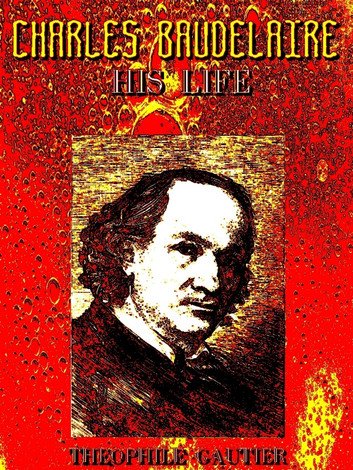
Description
Charles Baudelaire: His Life: The Definitive Biography by Théophile Gautier and Guy Thorne
Introduction: Discovering the Poet Behind Les Fleurs du Mal
Charles Baudelaire: His Life offers readers an intimate portrait of France’s most controversial poet. Théophile Gautier, a close friend and contemporary, wrote this compelling biography. Moreover, the book provides firsthand accounts of Baudelaire’s complex personality and artistic genius. Therefore, readers gain unique insights unavailable in modern biographies.
First published in 1915, this English edition remains essential reading today. Furthermore, it combines Gautier’s biographical narrative with Baudelaire’s own writings. Guy Thorne translated selected poems into beautiful English verse. Additionally, the book includes prose poems and personal letters from Baudelaire himself.
Charles Baudelaire lived from 1821 to 1867 during France’s turbulent 19th century. He revolutionized poetry with his groundbreaking collection Les Fleurs du Mal. Moreover, he worked as an influential art critic and essayist. His controversial life and work repeatedly shocked Parisian society.
Gautier knew Baudelaire personally for many years before his death. Consequently, this biography contains details no other writer could provide. The intimate memoirs reveal the man behind the scandalous reputation. Furthermore, Gautier defends his friend’s artistic vision with passion and understanding.
The Authors: Gautier’s Friendship and Thorne’s Translation
Théophile Gautier was himself a celebrated French poet and novelist. He belonged to the same Romantic literary circle as Baudelaire. Moreover, the two men shared similar artistic philosophies about beauty and art. Therefore, Gautier understood Baudelaire’s work on a profound level.
Gautier wrote this biography shortly after Baudelaire died in 1867. However, the English translation didn’t appear until 1915. Furthermore, Gautier’s personal knowledge makes this account invaluable to scholars. He witnessed Baudelaire’s struggles, triumphs, and tragic decline firsthand.
Guy Thorne handled the English translation with skill and sensitivity. Moreover, he selected and translated key poems to accompany the biography. His verse translations capture Baudelaire’s dark beauty and musical language. Additionally, Thorne’s work made Baudelaire accessible to English-speaking audiences.
The collaboration between Gautier’s prose and Thorne’s poetry creates something special. Consequently, readers experience both biography and poetry in one volume. The book serves multiple purposes for different types of readers. Furthermore, it works as both a scholarly resource and a literary introduction.
What Makes Charles Baudelaire’s Life Essential Reading
This biography stands apart from modern Baudelaire studies in several ways. Therefore, it remains relevant despite being over a century old. The book offers perspectives impossible to find in contemporary scholarship. Moreover, Gautier’s firsthand observations carry unique authority and authenticity.
The intimate memoirs reveal Baudelaire’s daily life and personal habits. Furthermore, Gautier describes the poet’s appearance, mannerisms, and conversation style. Readers learn about Baudelaire’s relationships with other artists and writers. Additionally, the book explores his complicated family dynamics and financial struggles.
Gautier examines the forces that shaped Baudelaire’s artistic vision. Consequently, readers understand how his experiences influenced his revolutionary poetry. The biography traces Baudelaire’s development from young dandy to mature artist. Moreover, it explains his obsession with beauty, death, and urban decay.
The book includes crucial literary criticism of Baudelaire’s major works. Therefore, readers gain a deeper appreciation for poems like Les Fleurs du Mal. Gautier analyzes Baudelaire’s innovative techniques and controversial themes. Furthermore, he defends the poet against charges of immorality and obscenity.
Inside the Book: Content and Structure
Charles Baudelaire: His Life combines several types of content in one volume. The main text consists of Gautier’s biographical narrative and personal reminiscences. Moreover, the book includes Guy Thorne’s English translations of selected poems. Additionally, readers find prose poems and excerpts from Baudelaire’s personal letters.
The biography covers Baudelaire’s entire life from birth to death. Furthermore, Gautier pays special attention to the poet’s most productive years. He describes Baudelaire’s creative process and working methods in detail. Additionally, the book examines his relationships with publishers and critics.
Key features of this essential volume include:
- Intimate biographical narrative by Baudelaire’s close friend Théophile Gautier
- Selected poems translated into English verse by Guy Thorne
- Prose poems showcasing Baudelaire’s experimental writing style
- Personal letters revealing the poet’s private thoughts and struggles
- Literary criticism analyzing Baudelaire’s revolutionary contributions to poetry
- Historical context explaining 19th-century Parisian literary culture
- Firsthand observations of Baudelaire’s personality and daily life
The book runs approximately 66-164 pages, depending on the edition. Therefore, it provides substantial content without overwhelming casual readers. The combination of biography and poetry makes it accessible and engaging. Moreover, the relatively short length encourages readers to finish the entire work.
Baudelaire’s Revolutionary Impact on Poetry
Charles Baudelaire transformed French poetry and influenced writers worldwide. His collection Les Fleurs du Mal shocked readers with its dark themes. Moreover, he wrote about urban life, decay, and forbidden desires. Therefore, authorities prosecuted him for offending public morals in 1857.
Baudelaire pioneered the prose poem as a legitimate literary form. Furthermore, he championed the concept of “art for art’s sake.” His work rejected traditional moral lessons in favor of pure beauty. Additionally, he explored the darker aspects of human psychology and experience.
Gautier’s biography explains how Baudelaire developed these revolutionary ideas. Consequently, readers understand the intellectual and social context of his work. The book traces influences from Edgar Allan Poe and other writers. Moreover, it shows how Baudelaire synthesized various influences into something new.
The poet’s art criticism also changed how people viewed painting and sculpture. Furthermore, he championed modern artists like Édouard Manet and Constantin Guys. Baudelaire argued that art should capture contemporary life and experience. Additionally, he wrote influential essays on beauty, modernity, and artistic creation.
The Tragic Life Behind the Poetry
Baudelaire’s personal life was marked by constant struggle and disappointment. Therefore, understanding his biography illuminates his dark, melancholic poetry. Gautier reveals the financial problems that plagued the poet throughout his life. Moreover, he describes Baudelaire’s complicated relationship with his mother and stepfather.
The poet never achieved financial stability or widespread recognition during his lifetime. Furthermore, he suffered from syphilis and other health problems for years. His addiction to opium and hashish worsened his physical and mental condition. Additionally, he endured harsh criticism from conservative critics and moralists.
Gautier portrays Baudelaire’s romantic relationships with sympathy and discretion. Consequently, readers learn about the women who inspired his poetry. The biography discusses his long relationship with Jeanne Duval, his mixed-race mistress. Moreover, it explores how these relationships influenced his artistic output.
The book chronicles Baudelaire’s final years of decline and suffering. Furthermore, it describes his stroke and subsequent paralysis in 1866. Gautier witnessed his friend’s tragic deterioration with deep sadness. Additionally, the biography honors Baudelaire’s courage and dignity during his final illness.
Baudelaire as Art Critic and Essayist
Beyond poetry, Baudelaire made significant contributions to art criticism and theory. Therefore, Gautier’s biography examines this important aspect of his career. The poet wrote groundbreaking essays on painting, sculpture, and aesthetics. Moreover, he developed influential theories about beauty and modern art.
Baudelaire’s Salon reviews revolutionized how critics wrote about visual art. Furthermore, he championed controversial artists rejected by the conservative establishment. His essay “The Painter of Modern Life” became a foundational modernist text. Additionally, he translated and promoted Edgar Allan Poe’s works in France.
Gautier explains how Baudelaire’s criticism reflected his poetic philosophy. Consequently, readers see connections between his various artistic activities. The biography shows how he applied similar principles across different art forms. Moreover, it reveals his consistent vision of beauty and artistic purpose.
The book includes discussions of Baudelaire’s most important critical essays. Therefore, readers gain a comprehensive understanding of his intellectual contributions. Gautier analyzes the poet’s theories about imagination, memory, and creativity. Furthermore, he shows how these ideas influenced later artistic movements.
The Scandal of Les Fleurs du Mal
Baudelaire’s masterpiece Les Fleurs du Mal caused enormous controversy upon publication. Therefore, Gautier devotes significant attention to this scandal in his biography. The 1857 collection contained poems about lesbianism, death, and decay. Moreover, it openly challenged conventional morality and religious beliefs.
French authorities prosecuted Baudelaire for offending public morals and religion. Furthermore, the court ordered six poems removed from the collection. The poet paid a fine and suffered public humiliation. Additionally, the scandal damaged his already fragile reputation and finances.
Gautier vigorously defends his friend’s artistic vision against these charges. Consequently, the biography serves as an important early defense of Baudelaire’s work. He argues that the poems honestly explore universal human experiences. Moreover, he insists that art should not be judged by conventional morality.
The book explains how the scandal eventually increased Baudelaire’s fame. Therefore, readers understand the complex legacy of this prosecution. The banned poems became legendary among literary circles. Furthermore, the controversy established Baudelaire as a martyr for artistic freedom.
Selected Poems in English Translation
Guy Thorne’s translations make Baudelaire’s poetry accessible to English readers. Therefore, the book serves as both a biography and a poetry anthology. Thorne selected poems that showcase Baudelaire’s range and innovation. Moreover, his translations capture the musical quality of the original French.
The included poems demonstrate Baudelaire’s major themes and techniques. Furthermore, readers encounter his famous explorations of beauty and decay. The translations preserve the dark, melancholic atmosphere of the originals. Additionally, they reveal Baudelaire’s mastery of imagery and symbolism.
Thorne’s verse translations maintain the formal structure of Baudelaire’s poetry. Consequently, English readers experience the poems’ rhythmic and sonic qualities. The translations avoid excessive modernization or simplification. Moreover, they respect the complexity and ambiguity of the original texts.
Reading the poems alongside Gautier’s biography deepens understanding. Therefore, readers see connections between Baudelaire’s life and artistic output. The combination illuminates how personal experience shaped his revolutionary poetry. Furthermore, it demonstrates the unity of his life and work.
Prose Poems and Personal Letters
The book includes examples of Baudelaire’s experimental prose poems. Therefore, readers encounter his innovations beyond traditional verse forms. These “little poems in prose” broke new ground in French literature. Moreover, they influenced countless later writers and poets worldwide.
Baudelaire’s prose poems capture fleeting moments and urban experiences. Furthermore, they demonstrate his ability to create poetry without traditional meter. The pieces range from brief sketches to longer meditative works. Additionally, they showcase his distinctive voice and vision in different forms.
The included personal letters reveal Baudelaire’s private thoughts and struggles. Consequently, readers gain intimate access to the poet’s inner life. The letters discuss his creative process, financial problems, and relationships. Moreover, they show his wit, intelligence, and vulnerability in equal measure.
These primary sources make the biography especially valuable for scholars. Therefore, researchers can study Baudelaire’s own words alongside Gautier’s observations. The letters provide evidence for understanding the poet’s intentions and beliefs. Furthermore, they reveal aspects of his personality that are hidden in his public writings.
Why Modern Readers Need This Biography
Charles Baudelaire’s life remains essential despite its age and origin. Therefore, contemporary readers benefit from Gautier’s unique perspective and knowledge. Modern biographies cannot replicate the intimacy of a friend’s firsthand account. Moreover, this book captures the 19th-century context that shaped Baudelaire’s work.
The biography helps readers understand Baudelaire’s revolutionary impact on literature. Furthermore, it explains why his work shocked and fascinated contemporary audiences. Gautier’s defense of his friend’s artistic vision remains powerful and relevant. Additionally, the book illuminates the courage required to challenge conventional morality.
Literature students find this biography invaluable for research and understanding. Consequently, it appears on reading lists for French literature courses worldwide. The combination of biography and primary texts makes it especially useful. Moreover, it provides historical context often missing from modern critical studies.
Poetry enthusiasts appreciate Gautier’s insights into Baudelaire’s creative process. Therefore, the book appeals to readers interested in artistic development. The intimate details about daily life and working methods fascinate creative people. Furthermore, the book demonstrates how personal struggle can fuel artistic achievement.
The Book’s Historical and Literary Significance
This biography is an important document in literary history. Therefore, scholars study it not just for information about Baudelaire. Gautier’s work influenced how later generations understood and interpreted the poet. Moreover, it helped establish Baudelaire’s reputation as a major literary figure.
The 1915 English translation brought Baudelaire to wider international audiences. Furthermore, it contributed to his growing influence on English-language poetry. Writers like T.S. Eliot and Ezra Pound read and admired Baudelaire. Additionally, this translation helped spread his revolutionary ideas about poetry.
The book demonstrates the importance of personal testimony in literary biography. Consequently, it reminds readers that great writers were real people. Gautier’s intimate portrait humanizes Baudelaire without diminishing his genius. Moreover, it shows how friendship and artistic community supported creative work.
Modern biographers still reference Gautier’s account for basic facts and details. Therefore, the book remains a primary source for Baudelaire scholarship. Its observations about the poet’s personality and habits cannot be found elsewhere. Furthermore, it preserves memories that would otherwise have been lost forever.
Understanding Baudelaire’s Artistic Philosophy
Gautier explains Baudelaire’s complex theories about beauty and artistic creation. Therefore, readers gain insight into the intellectual foundations of his poetry. The poet believed that beauty could be found in unexpected places. Moreover, he argued that art should explore all aspects of human experience.
Baudelaire rejected the idea that poetry must teach moral lessons. Furthermore, he championed “art for art’s sake” as a legitimate philosophy. His work celebrated beauty for its own sake without ulterior purpose. Additionally, he believed that artists should pursue their vision regardless of public opinion.
The biography explores Baudelaire’s fascination with correspondences between different senses. Consequently, readers understand his use of synesthesia in poetry. He believed that colors, sounds, and scents could evoke each other. Moreover, this theory influenced his innovative use of imagery and symbolism.
Gautier discusses Baudelaire’s concept of the “painter of modern life.” Therefore, readers learn about his commitment to contemporary subjects and themes. The poet argued that artists should capture the beauty of modern urban existence. Furthermore, he believed that modernity itself possessed unique aesthetic qualities.
The Influence on Symbolism and Modernism
Baudelaire’s work directly influenced the Symbolist movement in French poetry. Therefore, Gautier’s biography helps readers trace this important literary development. Poets like Stéphane Mallarmé and Paul Verlaine built on Baudelaire’s innovations. Moreover, they adopted his emphasis on suggestion and musical language.
The biography shows how Baudelaire pioneered techniques later called modernist. Furthermore, his fragmented urban imagery profoundly influenced 20th-century poetry. Writers worldwide recognized him as a crucial precursor to modernism. Additionally, his exploration of alienation and urban experience resonated with later generations.
Gautier’s account helps readers understand why Baudelaire remained so influential. Consequently, the book illuminates the origins of modern poetry itself. His revolutionary approach to subject matter and form changed literature permanently. Moreover, his courage in challenging conventions inspired countless later artists.
The book demonstrates Baudelaire’s impact beyond poetry into other art forms. Therefore, readers see his influence on painting, music, and criticism. His theories about beauty and modernity affected how artists approached their work. Furthermore, his example encouraged others to pursue radical artistic visions.
Practical Information About This Edition
The English edition of Charles Baudelaire: His Life remains widely available today. Therefore, readers can easily obtain copies in various formats. Print editions range from 66 to 164 pages, depending on the publisher. Moreover, digital versions are available through major e-book retailers.
The book appears in the public domain due to its publication date. Consequently, free versions exist through Project Gutenberg and similar sources. However, modern editions often include helpful introductions and annotations. Additionally, some versions feature improved formatting and supplementary materials.
The ISBN 1230000273407 identifies one specific digital edition of this work. Furthermore, multiple publishers have released their own versions over the years. Readers should compare editions to find the most suitable version. Moreover, some editions include more extensive selections of poems and letters.
The relatively short length makes this biography accessible to busy readers. Therefore, it works well as an introduction to Baudelaire’s life and work. Students can read it quickly while still gaining substantial knowledge. Additionally, the combination of biography and poetry provides a comprehensive overview.
How to Use This Book for Study and Research
Literature students should read this biography alongside Baudelaire’s complete works. Therefore, they gain context for understanding his poetry and criticism. The book illuminates references and allusions that might otherwise remain obscure. Moreover, it explains the personal experiences behind specific poems.
Researchers can use Gautier’s observations as primary source material. Furthermore, the included letters and prose poems provide valuable evidence. Scholars should compare this account with other contemporary sources when possible. Additionally, the book helps reconstruct the intellectual atmosphere of 19th-century Paris.
Poetry enthusiasts can use the book to deepen their appreciation of Baudelaire. Consequently, they understand the revolutionary nature of his artistic choices. The biography reveals the courage required to write such controversial poetry. Moreover, it shows how personal suffering can transform into great art.
Teachers can assign this book in courses on French literature or poetry. Therefore, students encounter both biographies and primary texts in a single volume. The accessible length and clear prose make it suitable for undergraduates. Furthermore, it provides an excellent foundation for discussing Baudelaire’s influence and legacy.
Conclusion: A Timeless Portrait of Genius
Charles Baudelaire: His Life by Théophile Gautier remains an essential literary biography. Moreover, it offers insights unavailable in any modern scholarly work. Gautier’s personal friendship with Baudelaire gives his account unique authority. Therefore, readers encounter the poet through the eyes of someone who knew him.
The combination of biography, poetry, and letters creates a comprehensive portrait. Furthermore, Guy Thorne’s translations make Baudelaire accessible to English readers. The book serves multiple purposes for different audiences simultaneously. Additionally, it works as both a scholarly resource and a general introduction.
Baudelaire’s revolutionary impact on poetry cannot be overstated or ignored. Consequently, understanding his life helps readers appreciate his artistic achievements. Gautier’s biography reveals the man behind the scandalous reputation. Moreover, it demonstrates how personal struggle fueled extraordinary creative output.
This book belongs on the shelf of every serious poetry lover. Therefore, it deserves continued attention from new generations of readers. The intimate portrait of Baudelaire remains moving and relevant today. Furthermore, it reminds us that great art often emerges from difficult circumstances.
Whether you’re a student, scholar, or casual reader, this biography offers value. Consequently, it continues to illuminate one of literature’s most important figures. Gautier’s loving tribute to his friend preserves Baudelaire’s memory for posterity. Moreover, it ensures that future generations can know the man behind the masterpieces.





Reviews
There are no reviews yet.