

Description
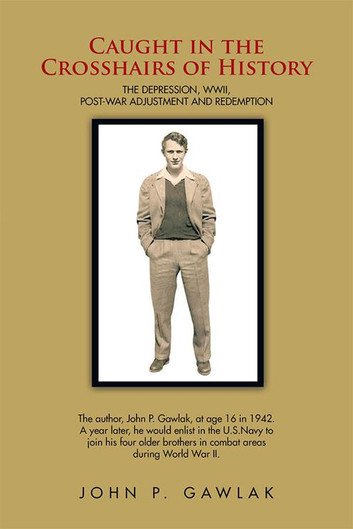
Caught in the Crosshairs of History: A Memoir of Survival, War, and Redemption
Introduction: One Man’s Journey Through America’s Darkest Hours
Caught in the Crosshairs of History tells the remarkable personal story of John P. Gawlak. Moreover, this memoir chronicles his life through America’s most challenging decades. The book spans the Great Depression, World War II, and the difficult post-war years. Additionally, it explores themes of survival, trauma, and ultimate redemption through faith.
John P. Gawlak lived through events that profoundly shaped the twentieth century. Furthermore, his experiences reflect those of millions of ordinary Americans during extraordinary times. The memoir provides intimate details about poverty, combat, and psychological struggles afterward. Consequently, readers gain insight into how historical forces directly impact individual lives.
Caught in the Crosshairs of History offers more than just historical documentation and facts. Moreover, it presents a deeply personal account of one man’s search for meaning. Gawlak shares his struggles with post-traumatic stress and spiritual emptiness honestly. Therefore, the book resonates with veterans and anyone facing life’s overwhelming challenges.
This autobiography stands as both a historical record and an inspirational testament to human resilience. Furthermore, it demonstrates how faith and determination can overcome seemingly insurmountable obstacles. Gawlak’s journey from despair to redemption offers hope to readers facing difficulties. Thus, the memoir serves multiple purposes for diverse audiences and reading interests.
Growing Up in the Crosshairs: Depression-Era Hardships and Family Struggles
The memoir begins with Gawlak’s childhood during the Great Depression’s darkest years. Moreover, he describes the poverty that affected his family and the entire community. His parents struggled to provide food, shelter, and necessities for the children. Additionally, the economic collapse created uncertainty and fear that permeated daily life.
Gawlak recounts how his family made sacrifices to survive the harsh realities of the Depression. Furthermore, he details the creative ways people found to stretch limited resources. Children wore hand-me-down clothes and went without luxuries that seem basic today. Consequently, this generation learned resilience and resourcefulness that served them throughout life.
The book explores how economic hardship significantly affected family dynamics and childhood development. Moreover, it shows how financial stress created tension between parents and children. Gawlak witnessed his parents’ struggles and felt helpless to improve their situation. However, these experiences taught him valuable lessons about perseverance and family loyalty.
Depression-era experiences shaped Gawlak’s character and prepared him for future challenges ahead. Furthermore, the hardships instilled values of hard work, frugality, and gratitude. He learned that material possessions matter less than family bonds and personal integrity. Therefore, his childhood became the foundation for his later strength and determination.
The memoir provides vivid descriptions of 1930s American life from a child’s perspective. Moreover, it captures the era’s emotional fear and uncertainty. Gawlak remembers neighbors helping each other despite having almost nothing to share. Additionally, he recalls how communities pulled together during the nation’s worst crisis.
Combat and Trauma: Caught in the Crosshairs of World War II
Gawlak’s military service during World War II forms the memoir’s emotional and narrative core. Moreover, he describes his training, deployment, and combat experiences with brutal honesty. The book details the fear, chaos, and violence that soldiers faced daily. Additionally, it explores the psychological toll that warfare takes on young men.
The memoir recounts specific battles and incidents that left lasting scars on Gawlak’s psyche. Furthermore, he describes losing friends and witnessing horrors that haunted him for decades. Combat exposed him to death and destruction on a scale he couldn’t imagine. Consequently, these experiences fundamentally changed his worldview and sense of safety forever.
Gawlak shares how soldiers coped with constant danger and the threat of death. Moreover, he explains the bonds that form between men who face combat together. These friendships provided crucial emotional support during the war’s darkest moments and hours. However, losing comrades created grief that compounded the trauma of battle itself.
The book doesn’t glorify war but presents it as a necessary evil. Furthermore, it acknowledges the courage and sacrifice of those who served their country. Gawlak expresses pride in his service while recognizing war’s devastating human cost. Therefore, the memoir offers a balanced perspective on military service and patriotic duty.
Caught in the Crosshairs of History authentically captures the complexity of combat. Moreover, it shows how war simultaneously affects soldiers physically, emotionally, and spiritually. Gawlak’s accounts ring true because he doesn’t hide his fear or vulnerability. Thus, readers gain a genuine understanding of what soldiers endure during wartime service.
The Invisible Wounds: Post-War Adjustment and Mental Health Struggles
Returning home after the war presented unexpected challenges for Gawlak and fellow veterans. Moreover, he struggled to readjust to civilian life after years of combat. The memoir describes symptoms we now recognize as post-traumatic stress disorder clearly. Additionally, it reveals how little support existed for veterans’ mental health needs.
Gawlak experienced nightmares, flashbacks, and difficulty connecting with family members and friends. Furthermore, he felt isolated because civilians couldn’t understand what he had witnessed. The gap between his wartime experiences and peacetime reality seemed impossible to bridge. Consequently, he withdrew emotionally and struggled with depression and anger for years.
The book explores how untreated trauma affected his relationships, career, and overall well-being. Moreover, it shows how veterans often turned to alcohol or other destructive coping mechanisms. Gawlak admits his own struggles with these issues and the pain they caused. However, he also describes the shame that prevented many veterans from seeking help.
Post-war America expected veterans to move on and resume normal lives immediately. Furthermore, society didn’t acknowledge or understand the psychological wounds soldiers carried home. The memoir criticizes this lack of support while recognizing the era’s limitations. Therefore, Gawlak’s story highlights how far mental health treatment has progressed since then.
The author’s honesty about his struggles makes this section particularly powerful and moving. Moreover, it validates the experiences of countless veterans who suffered in silence. Gawlak’s willingness to share his pain helps break the stigma surrounding PTSD. Thus, the memoir serves an important purpose beyond simple historical documentation and storytelling.
Finding Faith: The Path to Redemption and Healing
The memoir’s final section describes Gawlak’s spiritual journey toward redemption and inner peace. Moreover, it explains how faith became the key to overcoming his trauma. He discovered that human effort alone couldn’t heal the wounds he carried inside. Additionally, he learned that surrendering to a higher power brought the relief he sought.
Gawlak details the process of finding faith and how it transformed his life. Furthermore, he describes specific moments when he clearly felt divine intervention and guidance. His spiritual awakening didn’t happen overnight; it developed gradually over years of searching. Consequently, his redemption story feels authentic rather than simplistic or preachy to readers.
The book explores how faith helped him forgive himself for wartime actions. Moreover, it shows how spiritual healing addressed wounds that therapy alone couldn’t reach. Gawlak found community, purpose, and peace through his religious practice and beliefs. However, he acknowledges that each person’s path to healing is unique.
Redemption brought Gawlak the ability to reconnect with family and find joy again. Furthermore, it allowed him to make peace with his past and embrace life. The memoir shows how healing is possible even after decades of suffering. Therefore, it offers hope to readers struggling with their own trauma and pain.
Caught in the Crosshairs of History ultimately becomes a testament to human resilience and faith. Moreover, it demonstrates that no one is beyond redemption, regardless of their struggles. Gawlak’s transformation from broken veteran to healed man inspires readers facing difficulties. Thus, the memoir fulfills its promise of showing the path from darkness to light.
Key Themes and Life Lessons from Caught in the Crosshairs of History
This powerful memoir explores several important themes that resonate across generations and experiences:
- Survival and Resilience: How ordinary people endure extraordinary hardships through determination and adaptability
- The Cost of War: The physical and psychological toll that combat takes on soldiers
- Generational Trauma: How Depression and war experiences affected families for decades afterward
- Mental Health Awareness: The importance of recognizing and treating PTSD and other conditions
- Faith and Redemption: The role of spirituality in healing deep psychological wounds
- Family Bonds: How relationships sustain people through the darkest times and challenges
- Historical Memory: The importance of preserving personal stories from significant historical periods
- Hope and Healing: The possibility of recovery and transformation regardless of past suffering
- Service and Sacrifice: The courage of those who served their country during a crisis
- Personal Growth: How adversity can ultimately lead to wisdom and spiritual development
These themes make the memoir relevant to contemporary readers facing their own challenges. Moreover, they connect Gawlak’s specific experiences to universal human struggles and triumphs. The lessons he learned apply to anyone dealing with trauma or seeking meaning. Consequently, the book transcends its historical setting to offer timeless wisdom and guidance.
Historical Context: Understanding the Era Through Personal Experience
Gawlak’s memoir provides a valuable historical perspective on mid-twentieth-century American life and culture. Moreover, it illustrates how major events affected ordinary citizens in concrete ways. The book brings history to life through personal anecdotes and detailed descriptions. Additionally, it helps readers understand the human dimension of historical events and periods.
The Depression section captures the economic desperation that defined the 1930s for millions of people. Furthermore, it shows how poverty affected every aspect of daily life and survival. Gawlak’s memories preserve details about this era that statistics alone cannot convey. Therefore, the memoir serves as important primary source material for historians and researchers.
The World War II chapters document combat experiences from a soldier’s direct perspective. Moreover, they provide insight into military life, training, and the realities of warfare. Gawlak’s accounts complement official histories with personal observations and emotional truth. Thus, readers gain a more complete understanding of the war’s human impact.
The post-war section reveals the challenges veterans faced as America transitioned to peace. Furthermore, it documents the lack of mental health resources and social support. This historical context helps explain why so many veterans struggled silently for decades. Consequently, the memoir contributes to our understanding of this often-overlooked aspect of history.
Caught in the Crosshairs of History bridges the gap between academic history and lived experience. Moreover, it reminds readers that history consists of individual stories and personal struggles. Gawlak’s life intersected with major historical events, profoundly shaping him. Therefore, his memoir enriches our collective understanding of this transformative period in history.
Writing Style and Narrative Approach
Gawlak writes in a straightforward, accessible style that prioritizes clarity over literary flourishes. Moreover, his prose reflects the direct, no-nonsense approach of his generation and background. The memoir avoids pretension and speaks honestly about difficult subjects and painful memories. Additionally, this authenticity makes the narrative more powerful and emotionally resonant for readers.
The book follows a chronological structure that traces Gawlak’s life from childhood through redemption. Furthermore, this linear approach helps readers understand how experiences build on one another. Each chapter focuses on a specific period or theme within his life journey. Consequently, the narrative flows logically and maintains reader engagement throughout the entire book.
Gawlak balances historical detail with personal reflection and emotional honesty throughout the memoir. Moreover, he provides enough context for readers unfamiliar with the era’s specifics. The writing never becomes dry or overly academic despite covering significant historical events. However, it maintains the gravity of the subjects it addresses.
The author’s willingness to share vulnerabilities and failures makes the memoir particularly compelling. Furthermore, he doesn’t present himself as a hero but as an ordinary man. This humility allows readers to connect with his story and see themselves reflected in it. Therefore, the memoir effectively and powerfully serves both educational and inspirational purposes.
The Memoir’s Relevance for Contemporary Readers
Caught in the Crosshairs of History remains highly relevant despite its focus on events from decades past. Moreover, its themes of trauma, healing, and redemption resonate strongly with modern audiences. Veterans from recent conflicts face many of the same challenges Gawlak describes. Additionally, anyone dealing with trauma can find validation and hope in his story.
The memoir contributes to ongoing conversations about mental health and veteran support services. Furthermore, it demonstrates why adequate resources for PTSD treatment are essential. Gawlak’s struggles highlight the consequences of ignoring psychological wounds from combat or trauma—consequently, the book advocates for better care without being explicitly political or preachy.
Contemporary readers can learn from the resilience and values of the Greatest Generation. Moreover, the memoir shows how people survived hardships without modern conveniences or support. Gawlak’s generation faced challenges primarily with determination, faith, and community support. Therefore, their example offers lessons for people facing today’s challenges, which are different but equally daunting.
The book also serves as a reminder of the sacrifices made by previous generations. Furthermore, it helps younger readers understand the historical events that shaped modern America. Gawlak’s personal story makes abstract historical concepts concrete and emotionally accessible to audiences. Thus, the memoir serves as both a tribute and an educational tool.
Impact and Legacy of Gawlak’s Story
This memoir preserves one man’s experiences for future generations to study and appreciate. Moreover, it ensures that the struggles and triumphs of his generation aren’t forgotten. Gawlak’s decision to share his story took courage, given its personal nature. Additionally, his honesty paves the way for others to share their own stories.
The book contributes to the growing body of veteran memoirs that document the impact of war. Furthermore, it adds a voice to discussions about mental health and spiritual healing. Gawlak’s perspective enriches our understanding of how people cope with extreme trauma. Consequently, the memoir has value for therapists, historians, and general readers alike.
Caught in the Crosshairs of History demonstrates the power of personal narrative to educate. Moreover, it shows how individual stories clearly illuminate larger historical and social patterns. Gawlak’s experiences reflect those of countless others who lived through similar circumstances. However, his willingness to share makes their collective story accessible and preserved permanently.
The memoir’s message of hope and redemption offers comfort to those facing difficulties. Furthermore, it proves that healing is possible even after years of suffering and pain. Gawlak’s transformation inspires readers to seek their own path to peace and wholeness. Therefore, the book’s impact extends beyond historical documentation to provide genuine help today.
Conclusion: A Testament to Survival and the Human Spirit
Caught in the Crosshairs of History stands as a powerful testament to human resilience. Moreover, John P. Gawlak’s memoir authentically captures the struggles of an entire generation. His journey from Depression-era poverty through war to eventual redemption inspires and educates. Additionally, the book preserves important historical memories while offering timeless wisdom about healing.
This memoir succeeds because it effectively balances historical documentation with deeply personal storytelling. Furthermore, Gawlak’s honesty about his struggles makes the narrative emotionally powerful and authentic. He doesn’t shy away from difficult topics or present himself as perfect. Consequently, readers connect with his humanity and find hope in his eventual transformation.
The book serves multiple audiences simultaneously, including veterans, history enthusiasts, and spiritual seekers. Moreover, it offers something valuable to anyone interested in stories of survival and redemption. Gawlak’s experiences during pivotal historical moments provide context for understanding modern America better. Therefore, the memoir has both educational and inspirational value for diverse readers today.
Ultimately, Caught in the Crosshairs of History reminds us that individual lives matter profoundly. Furthermore, it shows how ordinary people navigate extraordinary circumstances with courage and determination. Gawlak’s story honors his generation while offering lessons for ours and future ones. Thus, this memoir deserves recognition as an important contribution to American autobiography and history.
The path Gawlak describes from trauma to healing offers hope to all readers. Moreover, his faith-based redemption demonstrates one powerful approach to overcoming psychological wounds and pain. The memoir proves that no one is beyond help, regardless of their struggles. Consequently, it stands as an enduring message of hope, resilience, and the possibility of transformation through faith and perseverance in life’s darkest moments.




Reviews
There are no reviews yet.