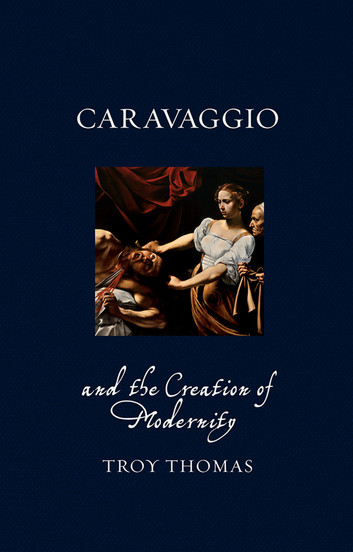
Description
Caravaggio and the Creation of Modernity: A Comprehensive Synopsis
Introduction to Caravaggio’s Revolutionary Impact
“Caravaggio and the Creation of Modernity” by Troy Thomas explores a pivotal artistic figure. This book examines how one painter transformed Western art forever. Caravaggio’s revolutionary techniques shaped modern visual culture in profound ways. Therefore, understanding his contributions helps us grasp contemporary artistic expression.
The Renaissance Lives series presents this compelling biography. Troy Thomas offers fresh insights into Caravaggio’s tumultuous life. Moreover, the book connects historical context with lasting cultural influence. Readers discover why this artist remains relevant today.
Who Was Caravaggio?
Michelangelo Merisi da Caravaggio lived from 1571 to 1610. He was born in Milan during Italy’s late Renaissance period. However, his career flourished primarily in Rome. Caravaggio became famous for his dramatic, realistic paintings.
His personal life was equally dramatic and controversial. Furthermore, he frequently found himself in legal trouble. Violence marked many episodes throughout his short life. Nevertheless, his artistic genius never diminished despite personal chaos.
Caravaggio revolutionized painting through his distinctive style. He rejected idealized beauty in favor of raw realism. Additionally, he painted religious figures as ordinary people. This approach shocked and captivated audiences simultaneously.
Caravaggio’s Contribution to Modern Art
The book examines how Caravaggio created modernity through innovative techniques. His use of chiaroscuro—dramatic light and shadow—was groundbreaking. Therefore, this technique influenced countless artists for centuries afterward. Modern cinema and photography still employ his lighting principles.
Thomas argues that Caravaggio invented psychological realism in painting. His subjects display genuine human emotions and imperfections. Moreover, he captured moments of intense drama and tension. These qualities make his work feel contemporary even today.
The artist challenged traditional religious iconography boldly and deliberately. He portrayed sacred scenes with unprecedented naturalism and humanity. Consequently, his paintings sparked both admiration and controversy. Church officials sometimes rejected his works as too provocative.
Key Themes in Thomas’s Biography
Troy Thomas explores several interconnected themes throughout this scholarly work. The relationship between art and modernity forms the central argument. Furthermore, the author examines how innovation emerges from cultural disruption.
Major themes include:
- The connection between personal turmoil and artistic creativity
- How Caravaggio’s realism challenged Renaissance idealism
- The influence of his techniques on Baroque art
- His lasting impact on modern visual culture
- The relationship between violence and artistic expression
- How patronage shaped his controversial career
Thomas also investigates Caravaggio’s influence on subsequent art movements. Rembrandt, Velázquez, and Rubens all studied his techniques carefully. Additionally, modern filmmakers like Martin Scorsese acknowledge his influence. The book traces these connections across four centuries.
The Revolutionary Technique of Tenebrism
Caravaggio perfected tenebrism, an extreme form of chiaroscuro lighting. This technique uses stark contrasts between light and darkness. Therefore, subjects emerge dramatically from shadowy backgrounds. The effect creates intense focus and emotional power.
Thomas explains how this innovation transformed European painting fundamentally. Other artists quickly adopted and adapted his methods. Moreover, the Caravaggisti movement spread throughout Europe. His influence reached Spain, France, and the Netherlands.
The book details specific paintings that exemplify this revolutionary approach. “The Calling of Saint Matthew” demonstrates his mastery brilliantly. Furthermore, “Judith Beheading Holofernes” showcases his dramatic intensity. Each analysis reveals technical and emotional sophistication.
Caravaggio’s Scandalous Life and Death
The biography doesn’t shy away from Caravaggio’s violent tendencies. He killed a man during a brawl in 1606. Consequently, he fled Rome and became a fugitive. His final years involved constant movement and danger.
Thomas examines how exile affected his artistic output significantly. The later paintings grew darker and more introspective. However, they also achieved greater emotional depth. Suffering seemed to deepen his artistic vision.
The circumstances of his death remain somewhat mysterious even today. He died at age 38 on a beach in Porto Ercole. Moreover, recent research suggests lead poisoning may have contributed. The book explores various theories about his final days.
Why This Book Matters for Modern Readers
“Caravaggio and the Creation of Modernity” offers crucial insights for contemporary audiences. Understanding his innovations helps us appreciate modern visual culture. Furthermore, his story illustrates how genius and dysfunction often coexist.
Thomas writes accessibly without sacrificing scholarly rigor or depth. The book balances biographical narrative with art historical analysis. Therefore, both casual readers and specialists find value here. Complex ideas become clear through excellent writing.
The Renaissance Lives series provides perfect context for this biography. Each volume examines how historical figures shaped our world. Additionally, the series emphasizes continuing relevance over mere historical interest. Caravaggio’s story fits this mission perfectly.
What Readers Will Learn
This book teaches readers about Baroque art’s origins and development. You’ll understand how one artist revolutionized painting techniques fundamentally. Moreover, you’ll discover connections between Renaissance and modern art.
The biography reveals how social context influences artistic innovation. Caravaggio worked during the Catholic Counter-Reformation period. Therefore, religious themes dominated his commissions and subject matter. Yet he transformed these traditional subjects into something radically new.
Readers also learn about patronage systems in Renaissance Italy. Powerful cardinals and nobles commissioned Caravaggio’s greatest works. However, his difficult personality often complicated these relationships. The book explores this dynamic tension thoroughly.
The Book’s Structure and Approach
Troy Thomas organizes the material both chronologically and thematically. Early chapters establish historical and cultural context effectively. Furthermore, middle sections analyze major works in detail. Final chapters trace his lasting influence comprehensively.
The author incorporates recent scholarship and archival discoveries throughout. New research has revealed previously unknown details about Caravaggio’s life. Additionally, technical analysis of paintings provides fresh insights. Thomas synthesizes this material expertly.
High-quality reproductions accompany the text throughout the volume. These images allow readers to examine Caravaggio’s techniques closely. Moreover, detailed captions provide additional context and analysis. The visual component enhances understanding significantly.
Caravaggio’s Influence on Modern Cinema
Thomas makes compelling arguments about Caravaggio’s cinematic influence. His dramatic lighting anticipates film noir aesthetics directly. Furthermore, his compositional choices resemble modern cinematography. Directors consciously reference his visual style frequently.
The book examines specific films that employ Caravaggesque lighting. Francis Ford Coppola’s “The Godfather” uses similar chiaroscuro effects. Additionally, Ridley Scott’s historical epics reference his compositions. These connections demonstrate his continuing relevance.
Modern photographers also draw inspiration from his revolutionary techniques. Portrait photographers especially study his use of light carefully. Therefore, his influence extends far beyond traditional painting. He essentially created a visual language for modernity.
Who Should Read This Book
Art history students will find this biography essential reading. It provides comprehensive analysis of a pivotal artistic figure. Moreover, it demonstrates how to connect historical and contemporary perspectives.
Ideal readers include:
- Art historians and students studying Baroque painting
- Anyone interested in Renaissance culture and society
- Readers fascinated by creative genius and personal tragedy
- Film enthusiasts exploring visual storytelling techniques
- Those curious about how art shapes modern culture
General readers interested in biography will also appreciate this work. Thomas tells a compelling human story alongside art historical analysis. Furthermore, the writing remains accessible despite scholarly depth. No specialized knowledge is required to enjoy it.
The Book’s Critical Reception
“Caravaggio and the Creation of Modernity” has received widespread critical acclaim. Reviewers praise Thomas’s fresh perspective on a well-studied subject. Moreover, scholars appreciate his synthesis of recent research. The book advances our understanding significantly.
Critics highlight the author’s ability to balance multiple perspectives. He examines Caravaggio as both artist and historical figure. Additionally, he considers psychological and social dimensions. This multifaceted approach enriches the biography considerably.
The Renaissance Lives series has established an excellent reputation. Each volume meets high standards for scholarship and readability. Therefore, this book benefits from the series’ editorial excellence. It represents biographical writing at its finest.
Conclusion: A Masterful Portrait of Artistic Revolution
Troy Thomas’s “Caravaggio and the Creation of Modernity” succeeds brilliantly. The book illuminates how one troubled genius transformed Western art. Furthermore, it demonstrates why Caravaggio remains vitally important today. His innovations continue shaping how we see the world.
The biography balances scholarly analysis with engaging narrative effectively. Readers gain deep understanding of both the man and artist. Moreover, they discover connections between past and present. This synthesis makes the book genuinely valuable.
Anyone interested in art, history, or creativity should read this book. It offers profound insights into the nature of innovation. Additionally, it tells a gripping human story. “Caravaggio and the Creation of Modernity” deserves a place on every art lover’s shelf.


Reviews
There are no reviews yet.