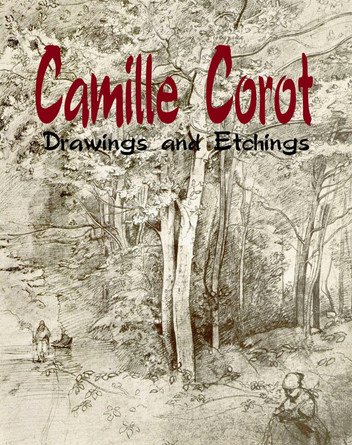
Description
Discover the Intimate World of Camille Corot’s Drawings and Etchings
Camille Corot stands as one of the most influential French landscape painters of the 19th century. His delicate touch and poetic vision transformed the way artists approached nature.
Moreover, Camille Corot served as a crucial bridge between classical landscape painting and modern Impressionism. This e-book from the My Pocket Gallery series offers art enthusiasts an accessible entry point into his lesser-known works. Furthermore, it reveals the intimate creative process behind his celebrated paintings through drawings and etchings.
Who Was Camille Corot?
A Pioneer of the Barbizon School
Jean-Baptiste-Camille Corot (1796-1875) emerged as a forerunner of the Barbizon School movement. This revolutionary group rejected studio conventions and painted directly from nature. Consequently, they established a new relationship between artist and landscape. Corot’s approach combined classical training with fresh observational techniques. Therefore, his work resonated with both traditional academicians and progressive young painters.
The Barbizon School took its name from the village near the Forest of Fontainebleau. Additionally, this location became sacred ground for plein-air painters seeking authentic natural subjects. Corot frequently worked in this forest, capturing its changing moods and atmospheric effects.
His Lasting Influence on Impressionism
Camille Corot profoundly influenced the Impressionist movement that followed him. His loose brushwork and attention to light effects anticipated their innovations. Moreover, artists like Monet, Pissarro, and Renoir acknowledged their debt to his pioneering vision. However, Corot maintained a more structured approach than his Impressionist successors would adopt.
His teaching emphasized direct observation over academic formulas. Consequently, he encouraged younger artists to trust their own perceptions. Furthermore, his generous mentorship helped shape an entire generation of landscape painters.
The Significance of Corot’s Drawings and Etchings
Windows into the Creative Process
Drawings and etchings reveal an artist’s thinking in ways finished paintings cannot. These preliminary works capture spontaneous responses to nature and experimental compositions. Therefore, they offer invaluable insights into Corot’s artistic development. Additionally, they demonstrate his technical mastery across multiple media.
Corot’s drawings range from quick sketches to highly finished studies. Moreover, each serves a different purpose in his creative workflow. Some capture fleeting light effects, while others work out compositional problems. Furthermore, his etchings allowed him to explore tonal relationships through line and shadow.
Visual Symbols and Artistic Language
Corot developed a distinctive visual vocabulary in his preparatory works. He frequently used circles to indicate sources of light in his compositions. Additionally, squares appeared in his sketches as structural elements and spatial markers. These geometric symbols helped him organize complex natural scenes into coherent compositions.
However, these symbols never appear rigid or mechanical in application. Instead, they serve as flexible tools for capturing nature’s essence. Therefore, studying these marks reveals how Corot translated observation into art.
What This Pocket Gallery Collection Offers
A Curated Selection of Masterworks
Daniel Coenn has assembled a carefully chosen collection of Corot’s drawings and etchings. This e-book presents works that span the artist’s career and demonstrate his range. Moreover, the selection emphasizes pieces that reveal his working methods and artistic evolution. Consequently, readers gain comprehensive understanding of his graphic achievements.
The collection includes:
- Landscape studies from the Forest of Fontainebleau
- Figure drawings demonstrating his classical training
- Architectural sketches from his Italian travels
- Experimental etchings exploring atmospheric effects
- Compositional studies for major paintings
- Quick observational sketches capturing fleeting moments
Expert Context and Analysis
Each work receives thoughtful commentary that illuminates its significance. Furthermore, the text explains technical aspects without overwhelming casual readers. Therefore, both art students and general enthusiasts will find valuable insights. Additionally, the analysis connects individual works to broader themes in Corot’s oeuvre.
The book contextualizes Corot’s graphic work within 19th-century art history. Moreover, it traces connections between his drawings and finished paintings. Consequently, readers understand how these “minor” works contributed to major masterpieces.
The Forest of Fontainebleau Connection
A Sacred Landscape for Artists
The Forest of Fontainebleau held special significance for Corot throughout his career. This ancient woodland southeast of Paris offered endless subjects for study. Moreover, its varied terrain provided diverse compositional challenges and atmospheric conditions. Therefore, Corot returned repeatedly to capture its essence in different seasons and lights.
The forest’s rocky outcrops, dense groves, and open glades appear throughout his work. Additionally, specific locations became favorite subjects he revisited over decades. However, Corot never merely copied nature; he interpreted and poeticized what he saw. Furthermore, his Fontainebleau works influenced countless artists who followed his footsteps.
Plein-Air Innovation
Working directly in the forest, Corot developed techniques that revolutionized landscape painting. He learned to capture transient effects of light and weather quickly. Consequently, his drawings from nature possess remarkable freshness and immediacy. Moreover, this direct approach contrasted sharply with studio-bound academic practices of his era.
These outdoor sessions required portable materials and rapid execution. Therefore, Corot’s forest drawings often display economical mark-making and selective detail. Additionally, they demonstrate his ability to suggest complex forms with minimal means.
The Value of the Pocket Gallery Format
Art Appreciation in Your Pocket
The My Pocket Gallery series makes fine art accessible to modern digital readers. This compact e-book format allows art enthusiasts to carry masterworks wherever they go. Moreover, the digital presentation enables close examination of details often invisible in printed reproductions. Therefore, readers can study Corot’s technique with unprecedented intimacy.
The e-book format offers several distinct advantages over traditional art books. High-resolution images can be zoomed for detailed inspection. Additionally, the portable nature encourages frequent revisiting and sustained engagement. Furthermore, the affordable price point removes barriers to art education and appreciation.
Perfect for Busy Art Lovers
Contemporary life leaves little time for museum visits or heavy art book study. However, this pocket gallery fits seamlessly into modern routines. Readers can explore Corot’s drawings during commutes, lunch breaks, or quiet evening moments. Consequently, art appreciation becomes an integrated part of daily life rather than a special occasion.
The concise format respects readers’ time while delivering substantial content. Moreover, the focused scope allows deeper engagement with a specific aspect of Corot’s work. Therefore, this approach often proves more rewarding than superficial surveys of entire careers.
Why Drawings and Etchings Matter
The Intimacy of Graphic Works
Drawings and etchings offer a more personal connection to artists than finished paintings. These works often capture unguarded moments of exploration and discovery. Moreover, they reveal hesitations, corrections, and experimental approaches that polished paintings conceal. Therefore, they humanize artistic genius and make it more approachable.
Corot’s graphic works demonstrate that great art emerges from practice and process. Additionally, they show how observation, memory, and imagination combine in creative work. Furthermore, studying these pieces helps viewers develop their own visual literacy and appreciation.
Technical Mastery on Display
The drawings and etchings in this collection showcase Corot’s extraordinary technical skills. His confident line work demonstrates years of disciplined practice and acute observation. Moreover, his tonal control in etchings reveals sophisticated understanding of light and form. Consequently, these works deserve recognition as masterpieces in their own right, not merely preparatory studies.
Different media reveal different aspects of Corot’s abilities. Pencil drawings show his delicate touch and precise observation. Additionally, charcoal works demonstrate his ability to create atmospheric effects through tonal gradation. Furthermore, etchings display his mastery of linear description and compositional structure.
Learning from a Master
Lessons for Contemporary Artists
Modern artists can learn invaluable lessons from studying Corot’s drawings and etchings. His approach to composition remains relevant across changing styles and technologies. Moreover, his emphasis on direct observation counters today’s tendency toward secondhand image-making. Therefore, his work offers antidotes to contemporary artistic challenges.
Corot’s drawings teach the importance of sustained looking and patient study. Additionally, they demonstrate how simplification and selection strengthen artistic statements. Furthermore, his example encourages artists to maintain regular sketchbook practices and outdoor work.
Developing Visual Literacy
Art enthusiasts without artistic ambitions also benefit from studying these works. Close examination of drawings develops visual literacy and perceptual skills. Moreover, understanding artistic process deepens appreciation for finished masterworks. Consequently, this collection serves educational purposes beyond mere aesthetic pleasure.
Learning to read an artist’s marks and symbols enhances museum experiences. Additionally, it enables more sophisticated engagement with all visual culture. Therefore, time spent with this pocket gallery yields returns across many areas of life.
The Enduring Appeal of Corot’s Vision
Timeless Beauty and Relevance
Corot’s landscapes speak to contemporary viewers despite their 19th-century origins. His poetic interpretation of nature transcends historical specificity. Moreover, his emphasis on light, atmosphere, and mood resonates with modern sensibilities. Therefore, his work remains perpetually fresh and engaging.
The drawings and etchings possess particular immediacy that connects across centuries. Additionally, their intimate scale and informal character feel accessible to contemporary audiences. Furthermore, they demonstrate that profound artistic statements need not require monumental scale or elaborate execution.
A Bridge Between Eras
Corot’s unique position between classical and modern approaches gives his work special significance. He honored tradition while embracing innovation and personal vision. Moreover, he demonstrated that respect for the past and openness to the future can coexist productively. Consequently, his example remains relevant for artists navigating today’s complex cultural landscape.
His influence extends beyond landscape painting into broader artistic philosophy. Additionally, his generous spirit and dedication to craft offer models for contemporary practice. Therefore, engaging with his work provides both aesthetic pleasure and ethical inspiration.
Conclusion: Your Personal Art Gallery Awaits
“Camille Corot Drawings and Etchings” by Daniel Coenn offers an exceptional opportunity to engage with a master’s work. This My Pocket Gallery e-book delivers museum-quality art appreciation in an accessible, portable format. Moreover, it focuses on works that reveal Corot’s creative process and technical brilliance. Therefore, it serves both as introduction for newcomers and deeper study for established enthusiasts.
The collection illuminates Corot’s role as Barbizon School forerunner and Impressionist influence. Additionally, it demonstrates the enduring value of his drawings and etchings as independent masterworks. Furthermore, the Forest of Fontainebleau connection grounds his work in specific places while revealing universal truths about nature and perception.
Whether you’re an art student, practicing artist, or simply someone who loves beautiful images, this e-book rewards attention. The compact format makes regular engagement easy and natural. Consequently, Corot’s vision can become a constant companion rather than an occasional museum encounter. Discover how this 19th-century master’s drawings and etchings continue speaking to 21st-century viewers with undiminished power and relevance.





Reviews
There are no reviews yet.