Description
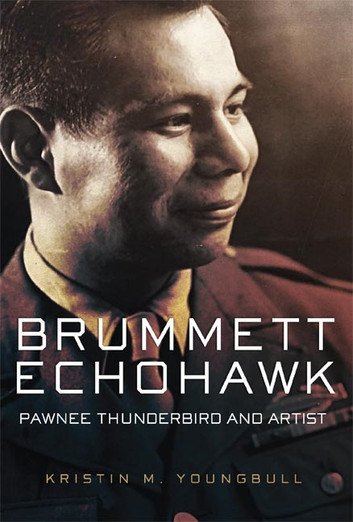
Brummett Echohawk: Pawnee Thunderbird and Artist – A Biography of War, Art, and Heritage
Introduction: The Remarkable Life of Brummett Echohawk
Brummett Echohawk stands as one of America’s most fascinating cultural figures. This Pawnee warrior-artist documented World War II through powerful combat sketches. Dr. Kristin M. Youngbull’s biography reveals his extraordinary journey. Moreover, it celebrates his contributions to both military history and Native American art.
In 1940, eighteen-year-old Echohawk joined the Oklahoma National Guard. He became part of the legendary 45th Infantry Division. The unit earned the nickname “Thunderbirds” for their fierce fighting spirit. Additionally, they became one of WWII’s most decorated divisions.
A Pawnee Warrior’s Heritage
Brummett Echohawk grew up immersed in Pawnee traditions and values. His heritage shaped every aspect of his identity. The Pawnee people have a long warrior tradition. Consequently, military service felt like a natural calling for young Brummett.
He attended Pawnee boarding school during his formative years. There, he discovered and developed his artistic talents. Furthermore, he learned to blend traditional Pawnee perspectives with contemporary artistic techniques. This unique combination would later define his wartime art.
The Pawnee warrior spirit lived strongly within Echohawk. His ancestors had served as scouts for the U.S. Army. Therefore, joining the military honored his family’s legacy. He carried this proud heritage into battle.
Joining the Thunderbirds: The 45th Infantry Division
The 45th Infantry Division welcomed Echohawk in 1940. This Oklahoma-based unit included many Native American soldiers. Moreover, the division’s shoulder patch featured a Thunderbird symbol. This sacred Native American icon represented power and protection.
Echohawk felt an immediate connection to the Thunderbird insignia. It linked his military service to his spiritual heritage. Additionally, it reminded him of his cultural identity. The symbol became deeply meaningful throughout his service.
The division trained rigorously for the coming war. Young soldiers prepared for combat they could barely imagine. Meanwhile, Echohawk continued sketching and drawing whenever possible. His artistic eye captured fellow soldiers and training exercises.
Combat Art: Documenting War Through Pawnee Eyes
Brummett Echohawk’s battlefield sketches became historically invaluable. He documented combat scenes with remarkable detail and emotion. Furthermore, his Pawnee perspective offered unique insights into the war. His art showed both the horror and humanity of battle.
He sketched during lulls in fighting and behind the lines. His drawings captured exhausted soldiers, destroyed landscapes, and moments of camaraderie. Additionally, he portrayed the psychological toll of combat. Each sketch told stories that photographs couldn’t convey.
Echohawk’s combat art served multiple purposes:
- Documented historical events for future generations
- Provided emotional outlet during traumatic experiences
- Preserved Native American perspectives on WWII
- Captured the reality of frontline combat
- Honored fallen comrades through visual memory
- Connected his warrior heritage to modern warfare
The Thunderbirds in World War II
The 45th Infantry Division fought across multiple theaters. They participated in the invasion of Sicily in 1943. Subsequently, they fought through Italy’s brutal mountain campaigns. The division also landed in Southern France.
Echohawk witnessed some of the war’s fiercest battles. The Thunderbirds fought at Anzio, one of WWII’s bloodiest campaigns. Moreover, they helped liberate concentration camps in Germany. These experiences profoundly affected Echohawk’s worldview and art.
The division earned numerous commendations for bravery. They spent 511 days in combat. Furthermore, they suffered heavy casualties throughout the war. Echohawk survived when many comrades did not.
Artistic Evolution During Wartime
War transformed Echohawk’s artistic style and subjects. His early sketches showed technical skill and observation. However, combat added emotional depth to his work. Additionally, his art became more urgent and raw.
He drew on whatever materials he could find. Scraps of paper, pencil stubs, and charcoal became his tools. Nevertheless, he created powerful images that captured the essence of war. His resourcefulness reflected both artistic dedication and Pawnee adaptability.
Echohawk’s Pawnee heritage influenced his artistic perspective. He saw connections between traditional warfare and modern combat. Moreover, he understood the warrior’s spiritual journey. This cultural lens made his art uniquely valuable.
Life After War: Continuing the Artistic Journey
Brummett Echohawk returned home forever changed by war. However, he channeled his experiences into creative expression. He became a professional painter after the war. Additionally, he explored other artistic media and storytelling forms.
His post-war paintings often depicted Native American subjects. He celebrated Pawnee culture, history, and traditions. Furthermore, he documented contemporary Native American life. His work bridged traditional and modern Native experiences.
Echohawk also became a writer and humorist. He shared stories about Pawnee life with wit and wisdom. Moreover, he used humor to address serious cultural issues. His writing complemented his visual art beautifully.
Echohawk as Cultural Ambassador
Brummett Echohawk became an important voice for Native Americans. He represented Pawnee culture to broader audiences. Additionally, he educated people about Native American contributions to American history. His military service gave him credibility with diverse audiences.
He spoke at schools, museums, and cultural events. His presentations combined storytelling, humor, and historical education. Furthermore, he challenged stereotypes about Native Americans. He showed the complexity and diversity of indigenous experiences.
Echohawk’s acting career also promoted Native American representation. He appeared in films and television shows. Moreover, he insisted on authentic portrayals of Native characters. He refused roles that perpetuated harmful stereotypes.
The Pawnee Perspective on Modern Warfare
Dr. Youngbull’s biography explores Echohawk’s unique cultural perspective. He understood war through both Pawnee and American lenses. This dual perspective enriched his understanding of combat. Additionally, it made his artistic documentation more nuanced.
Traditional Pawnee warriors fought to protect their people. They valued courage, sacrifice, and community above individual glory. Echohawk carried these values into WWII. Consequently, he saw his service as protecting future generations.
His Pawnee spirituality sustained him through combat trauma. Traditional beliefs helped him process the horrors he witnessed. Moreover, they gave meaning to his survival. This spiritual foundation proved essential for his post-war healing.
Artistic Legacy and Historical Importance
Brummett Echohawk’s combat art holds tremendous historical value. His sketches provide firsthand documentation of WWII battles. Furthermore, they offer rare Native American perspectives on the war. Historians and art scholars recognize their significance.
His work appears in museums and collections nationwide. The Gilcrease Museum houses many of his pieces. Additionally, military history institutions preserve his combat sketches. His art educates new generations about WWII.
Echohawk’s legacy extends beyond his artwork. He inspired other Native American artists and veterans. Moreover, he demonstrated how cultural heritage strengthens rather than conflicts with American identity. His life proved that indigenous people could honor both traditions.
Dr. Youngbull’s Biographical Approach
Dr. Kristin M. Youngbull conducted extensive research for this biography. She interviewed Echohawk, his family, and fellow veterans. Additionally, she examined his artwork, writings, and personal papers. Her thorough scholarship brings Echohawk’s story to life.
The biography depicts Echohawk as multifaceted and complex. He was simultaneously a warrior, an artist, a humorist, and a cultural ambassador. Furthermore, he navigated multiple worlds with grace and authenticity. Dr. Youngbull captures all these dimensions.
This first book-length biography fills an important gap. Previously, Echohawk’s contributions received insufficient recognition. However, Dr. Youngbull’s work ensures his legacy endures. She positions him properly within American and Native American history.
Themes of Identity and Belonging
The biography explores Echohawk’s navigation of multiple identities. He was proudly Pawnee and proudly American. These identities complemented rather than contradicted each other. Moreover, his military service strengthened both aspects of his identity.
Echohawk faced challenges that many Native American veterans experienced. They served their country with distinction. Yet they returned to face discrimination and marginalization. Nevertheless, Echohawk used his platform to advocate for change.
His art became a bridge between cultures. It helped non-Native audiences understand indigenous perspectives. Additionally, it validated Native American experiences for indigenous communities. His work fostered cross-cultural understanding and respect.
The Thunderbird Symbol’s Significance
The Thunderbird held deep meaning for Echohawk throughout his life. This powerful spiritual symbol represented his division. Moreover, it connected his military service to Pawnee spirituality. The Thunderbird appears frequently in his artwork.
In Native American traditions, the Thunderbird brings both destruction and renewal. It represents the warrior spirit and divine protection. Consequently, the symbol perfectly embodied the 45th Division’s character. Echohawk embraced this connection fully.
The Thunderbird became a personal totem for Echohawk. It reminded him of his purpose and heritage. Furthermore, it symbolized the synthesis of his identities. The Thunderbird united his roles as Pawnee warrior and American soldier.
Humor as Survival and Resistance
Brummett Echohawk used humor strategically throughout his life. His wit helped him withstand the psychological toll of combat. Additionally, humor became a tool for cultural commentary. He made people laugh while making them think.
His humorous writings addressed serious issues facing Native Americans. He critiqued government policies and social injustices. However, he did so with gentle humor rather than anger. This approach made his messages more accessible.
Echohawk’s humor reflected traditional Pawnee storytelling methods. Indigenous cultures often use humor to teach important lessons. Moreover, laughter builds community and resilience. Echohawk understood humor’s power to heal and educate.
Why This Biography Matters Today
Dr. Youngbull’s biography arrives at a crucial time. Native American veterans’ contributions often go unrecognized. Furthermore, indigenous perspectives on American history remain underrepresented. This book addresses both gaps.
The biography provides readers with an overview of the 45th Infantry Division’s history. It highlights Native American participation in WWII. Additionally, it showcases how indigenous soldiers served with distinction. These stories deserve wider recognition.
Echohawk’s life offers lessons for contemporary audiences. He demonstrated how to honor heritage while embracing change. Moreover, he showed that art can powerfully document history. His example inspires artists, veterans, and cultural advocates today.
Key Contributions Documented in the Biography
Dr. Youngbull’s comprehensive research reveals Echohawk’s many achievements:
- Created invaluable combat art documenting WWII battles
- Served honorably with the decorated 45th Infantry Division
- Promoted Pawnee culture through painting and storytelling
- Advocated for accurate Native American representation in media
- Educated audiences about indigenous contributions to American history
- Inspired future generations of Native American artists
- Bridged cultural divides through art and humor.
The Intersection of Art and Military Service
Echohawk’s dual roles as soldier and artist created unique tensions. Combat demanded focus on survival and mission completion. Meanwhile, artistic observation required emotional openness and sensitivity. Balancing these roles proved challenging.
Yet Echohawk managed both responsibilities admirably. His art didn’t interfere with his military duties. Instead, it enhanced his ability to process experiences. Furthermore, it gave him purpose beyond mere survival.
His fellow soldiers respected his artistic work. They understood he was documenting their shared history. Additionally, his sketches provided morale during difficult times. Art became a gift he shared with his unit.
Preserving Pawnee Heritage Through Art
Brummett Echohawk dedicated much of his post-war career to cultural preservation. He painted scenes from Pawnee history and daily life. Moreover, he documented traditional ceremonies and practices. His art became an archive of Pawnee culture.
Many indigenous traditions faced extinction during the twentieth century. Government policies actively suppressed Native American cultures. However, artists like Echohawk fought to preserve their heritage. His paintings kept Pawnee traditions alive for future generations.
He also mentored younger Native American artists. He encouraged them to explore their cultural identities through art. Furthermore, he taught them that indigenous and contemporary art could coexist. His mentorship extended his impact beyond his own work.
The Book’s Research and Methodology
Dr. Youngbull employed rigorous historical research methods. She consulted military records, personal correspondence, and archival materials. Additionally, she conducted oral history interviews with people who knew Echohawk. This multi-source approach ensures accuracy and depth.
The biography includes an analysis of Echohawk’s artwork. Dr. Youngbull examines his artistic development and influences. Moreover, she contextualizes his work within broader art history. This analysis reveals new insights about his creative process.
The book also explores the historical context of Echohawk’s era. It examines Native American policies, WWII history, and cultural movements. Consequently, readers understand the challenges Echohawk navigated. This context makes his achievements even more impressive.
Impact on Native American Representation
Brummett Echohawk challenged stereotypical portrayals of indigenous people. He showed Native Americans as modern, complex individuals. Furthermore, he demonstrated that indigenous identity evolves without disappearing. His life contradicted the “vanishing Indian” myth.
His military service proved Native American patriotism and capability. He, along with thousands of other indigenous soldiers, served honorably. Moreover, they did so while maintaining their cultural identities. Echohawk’s example helped change public perceptions.
Through his acting and public speaking, he educated mainstream audiences. He explained Pawnee culture with patience and humor. Additionally, he corrected misconceptions about Native American history. His advocacy work complemented his artistic contributions.
Lessons for Contemporary Artists and Veterans
Echohawk’s life offers valuable lessons for today’s artists. He proved that art can document history as effectively as photography. Moreover, he showed that a cultural perspective enriches artistic work. Contemporary artists can learn from his example.
Veterans also find inspiration in Echohawk’s story. He transformed combat trauma into creative expression. Furthermore, he found purpose and healing through art. His journey offers hope for veterans struggling with post-war adjustment.
The biography demonstrates how individuals can bridge cultural divides. Echohawk honored his Pawnee heritage while contributing to American society. Additionally, he showed that multiple identities can coexist harmoniously. This lesson remains relevant in our diverse society.
The Thunderbirds’ Lasting Legacy
The 45th Infantry Division’s legacy lives on through veterans like Echohawk. The Thunderbirds fought with exceptional courage and determination. Moreover, they included soldiers from diverse backgrounds working together. Their unity demonstrated American ideals at their best.
Native American soldiers played crucial roles in the division’s success. They brought unique skills and perspectives to combat. Furthermore, they served with distinction despite facing discrimination at home. Their contributions deserve greater recognition.
Echohawk’s documentation of the Thunderbirds preserves their history. His sketches capture moments that might otherwise be forgotten. Additionally, his art humanizes the soldiers who fought. Future generations can understand their sacrifice through his eyes.
Conclusion: A Life Worth Remembering
“Brummett Echohawk: Pawnee Thunderbird and Artist” fills a critical gap in American history. Dr. Kristin M. Youngbull has crafted a comprehensive, engaging biography. Moreover, she honors Echohawk’s memory while educating contemporary readers. This book deserves a wide readership.
Brummett Echohawk lived an extraordinary life that bridged multiple worlds. He served his country with honor and distinction. Furthermore, he preserved and promoted Pawnee culture through his art. His contributions enriched both Native American and American history.
The biography reveals a complex, talented, and dedicated individual. Echohawk was simultaneously a warrior, artist, writer, humorist, and cultural ambassador. Additionally, he was a loving family member and community leader. Dr. Youngbull captures all these dimensions beautifully.
Readers will find inspiration in Echohawk’s resilience and creativity. He faced combat trauma, cultural marginalization, and personal challenges. Nevertheless, he created beauty and meaning from difficult experiences. His life demonstrates the human capacity for growth and contribution.
This book matters to multiple audiences. Military history enthusiasts will appreciate the combat documentation. Art lovers will admire Echohawk’s creative achievements. Moreover, anyone interested in Native American history will find valuable insights.
Dr. Youngbull’s scholarship ensures Echohawk’s legacy endures. His combat sketches, paintings, and stories will continue inspiring future generations. Furthermore, his example of cultural pride and artistic excellence remains relevant. Brummett Echohawk deserves his place among America’s most important cultural figures.
The Pawnee Thunderbird flew high throughout Echohawk’s remarkable journey. His warrior spirit never diminished despite war’s horrors. Additionally, his artistic vision never wavered despite life’s challenges. He remained true to his heritage while embracing his American identity.
This biography invites readers to discover an American hero. Brummett Echohawk’s story deserves to be widely known and celebrated. Moreover, it offers lessons about courage, creativity, and cultural pride. Dr. Youngbull has given us an invaluable gift through this comprehensive work.




Reviews
There are no reviews yet.