Description
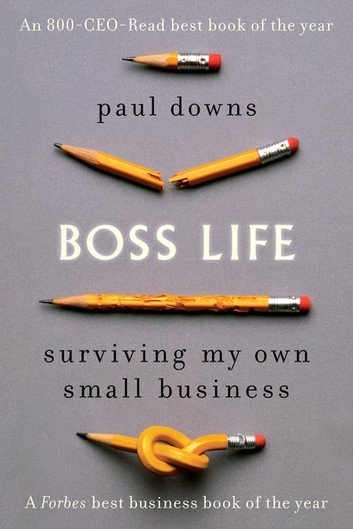
Boss Life: Surviving My Own Small Business – Paul Downs’ Journey
Running a small business tests every entrepreneur’s limits and resilience. Paul Downs shares his raw, honest story in “Boss Life.” This memoir chronicles his struggles managing a custom furniture company. Moreover, it reveals the daily challenges that small business owners face. Downs holds nothing back about his mistakes and victories.
Paul Downs and His Small Business Journey
Paul Downs founded his custom furniture business in 1986 after college. He started with passion but little business knowledge or experience. Furthermore, he learned through trial and error over the course of decades. His company specialized in high-end conference tables for corporate clients. The small business grew slowly but steadily through the 1990s and 2000s.
Downs built his reputation on craftsmanship and attention to detail. However, running a small business required more than woodworking skills. He struggled with cash flow, employee management, and marketing challenges. Additionally, he faced constant pressure to meet payroll and deadlines. The reality of entrepreneurship proved far harder than he imagined.
The 2008 Financial Crisis Hits Hard
The 2008 recession nearly destroyed Downs’ small business completely. Orders dried up almost overnight as companies stopped spending. Meanwhile, he still had employees to pay and bills mounting. The financial crisis exposed every weakness in his business model. Consequently, Downs faced the real possibility of bankruptcy and failure.
Paul Downs describes this period with brutal honesty and vulnerability. He made desperate attempts to find new clients and cut costs. Moreover, he had to make painful decisions about layoffs and expenses. Every day brought new crises and impossible choices. Therefore, survival became his only goal during those dark months.
Daily Struggles of Small Business Ownership
“Boss Life” details the unglamorous reality of running a small business. Downs manages everything from accounting to customer service to production. Furthermore, he handles difficult clients, unreliable suppliers, and equipment failures. The book shows how small business owners wear countless hats daily. Each problem demands immediate attention and creative solutions.
Cash flow emerges as the constant, overwhelming concern throughout the memoir. Downs obsesses over accounts receivable and payment schedules every single day. Additionally, he carefully manages credit lines and vendor payments. One late payment could trigger a catastrophic chain reaction. Thus, financial anxiety becomes his permanent companion.
Key Challenges Paul Downs Faced
The memoir highlights several critical obstacles that threatened his small business:
- Managing cash flow during economic downturns and slow payment cycles
- Finding and retaining skilled craftsmen in a competitive labor market
- Competing against cheaper overseas manufacturers and mass-produced furniture
- Balancing quality standards with profitability and customer price expectations
- Maintaining employee morale during layoffs and financial uncertainty
- Adapting traditional business models to changing market conditions
Each challenge required different skills and strategies to overcome successfully. However, Downs often felt unprepared for the problems he encountered. The learning curve never seemed to end for him.
Leadership Lessons from Boss Life
Paul Downs learned hard lessons about leadership through his experiences. He discovered that being a good craftsman differs from being a good boss. Moreover, he had to develop management skills he never knew he needed. The book honestly examines his failures and growth as a leader. Consequently, readers see authentic transformation rather than easy answers.
Downs explores the loneliness of small-business ownership throughout the memoir. He makes final decisions that affect employees’ lives and livelihoods. Furthermore, he cannot share his deepest fears with his team. The weight of responsibility becomes crushing during difficult times. Nevertheless, he finds strength in his commitment to his craft and people.
Surviving and Adapting
The memoir shows how Downs’ small business eventually survived the recession. He adapted his marketing strategies and pursued new customer segments. Additionally, he embraced technology and online presence more effectively. The company streamlined operations and significantly reduced overhead costs. Therefore, the business emerged leaner but more resilient than before.
Paul Downs emphasizes that survival requires constant flexibility and innovation. He abandoned assumptions about how his small business should operate. Moreover, he learned to ask for help from advisors and mentors. Pride nearly destroyed him, but humility helped him survive. Thus, adaptation became the key to his continued existence.
Real-World Business Insights
“Boss Life” offers practical wisdom for anyone running a small business. Downs shares specific numbers, decisions, and outcomes without sugarcoating results. Furthermore, he explains financial concepts in accessible, straightforward language. The book serves as both a cautionary tale and a survival guide. Readers gain realistic expectations about the demands and rewards of entrepreneurship.
The memoir stands out for its unflinching honesty about failure. Downs repeatedly admits mistakes in hiring, pricing, and strategic planning. However, he also shows how learning from errors builds resilience. His transparency helps other small business owners feel less alone. Likewise, his story validates the struggles that entrepreneurs rarely discuss publicly.
The Human Cost of Entrepreneurship
Paul Downs explores how his small business affected his personal life. The stress strained his marriage and family relationships over the years. Additionally, he sacrificed hobbies, health, and friendships for the company. The book honestly addresses the toll that business ownership takes. Consequently, readers understand the full price of entrepreneurial ambition.
Despite the hardships, Downs never regrets starting his small business. He finds meaning in creating beautiful furniture and employing skilled craftsmen. Moreover, he values the independence and creative control entrepreneurship provides. The journey shaped his identity and taught him invaluable lessons. Therefore, he considers the struggle worthwhile despite the costs.
Conclusion: The Reality of Boss Life
“Boss Life” presents an unvarnished portrait of small business ownership in America. Paul Downs proves that success requires more than passion and skill. Furthermore, survival demands financial literacy, adaptability, and relentless determination. His story resonates with anyone who has built something from nothing. The memoir ultimately celebrates the courage required to keep going forward.






Reviews
There are no reviews yet.