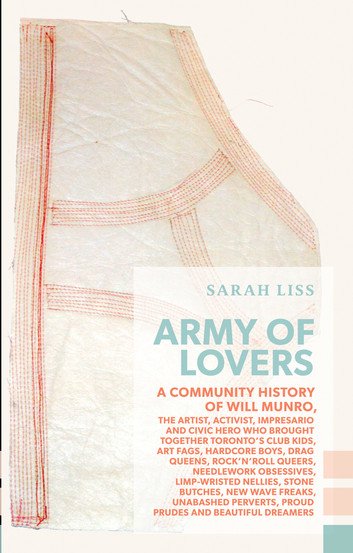
Description
Army of Lovers: A Community History of Will Munro – A Revolutionary Portrait of Toronto’s Queer Cultural Icon
Army of Lovers A Community History of Will Munro by Sarah Liss celebrates an extraordinary cultural force. This groundbreaking book chronicles Will Munro’s transformative impact on Toronto’s queer, punk, and arts communities. Moreover, Liss employs oral history to let Munro’s community tell his story collectively. The Exploded Views series presents this essential portrait of inclusivity, creativity, and radical community building.
Will Munro: The Party Promoter Who Changed Toronto
Will Munro (1975–2010) revolutionized Toronto’s nightlife and cultural landscape through legendary, inclusive parties. He created spaces where queer people, punks, artists, and misfits gathered without judgment. Furthermore, his events broke down barriers between scenes that rarely mixed in early 2000s Toronto. Consequently, Munro built a community that transcended traditional boundaries and social divisions completely.
His most famous creation, Vazaleen, transformed Toronto’s legendary El Mocambo venue every month. The party combined punk rock, queer culture, drag performances, and indie music seamlessly. Moreover, Munro welcomed everyone regardless of sexual orientation, gender identity, or subcultural affiliation. Therefore, Vazaleen became a cultural phenomenon that defined an era in Toronto’s nightlife.
Creating Radical Inclusivity Through Nightlife
Munro’s parties operated on principles of radical acceptance and joyful rebellion against exclusion. He believed nightlife could build community rather than simply provide entertainment or escapism. Additionally, he used his platform to support emerging artists, musicians, and performers generously. Furthermore, his events raised funds for AIDS organizations and other community causes consistently.
His approach challenged Toronto’s segregated nightlife scene, where different communities rarely interacted meaningfully. Moreover, he proved that punk kids and drag queens could dance together happily. Consequently, his parties created lasting friendships and collaborations across previously divided cultural scenes.
Sarah Liss’s Community History Approach
Army of Lovers A Community History of Will Munro employs innovative oral history methodology throughout. Sarah Liss interviewed dozens of people whose lives Munro touched and transformed profoundly. Moreover, she lets these voices tell Munro’s story collectively rather than imposing one narrative. Therefore, the book becomes a community project reflecting Munro’s collaborative spirit and inclusive values.
Liss gathered memories from artists, musicians, drag performers, friends, lovers, and party attendees. Furthermore, she includes photographs, flyers, and ephemera that document Munro’s creative output visually. Additionally, she contextualizes his work within Toronto’s cultural history and broader queer movements. Consequently, readers experience both intimate personal memories and larger historical significance simultaneously.
Why Oral History Matters for This Story
The oral history format perfectly suits Munro’s legacy as community builder and connector. His impact lived in relationships, experiences, and spaces he created rather than traditional achievements. Moreover, multiple perspectives reveal his complexity and the diverse communities he touched deeply. Additionally, this approach honors his belief in collective action over individual stardom.
Furthermore, letting community members speak preserves voices that might otherwise disappear from history. Therefore, the book becomes an act of community preservation and collective memory-making. Additionally, it demonstrates how cultural change happens through relationships and grassroots organizing consistently.
Munro’s Legendary Parties and Creative Vision
Vazaleen represented Munro’s vision in its most fully realized and culturally impactful form. The monthly party ran from 2001 to 2009 at Toronto’s historic El Mocambo. Moreover, it featured live punk bands, DJs, drag performances, and art installations simultaneously. Additionally, Munro decorated the venue elaborately with handmade props and thematic elements each month.
He also organized numerous other events, including Peroxide, Trouble, and various benefit shows. Furthermore, each party had distinctive character while maintaining his signature inclusive, creative approach. Additionally, he collaborated with other promoters and artists to amplify community-building efforts. Consequently, Toronto’s nightlife landscape transformed dramatically during his active years as cultural organizer.
The Art of Party Promotion as Community Building
Munro approached party promotion as artistic practice and political action combined seamlessly together. His flyers became collectible art pieces featuring his distinctive collage and illustration style. Moreover, he hand-delivered flyers throughout Toronto neighborhoods, building personal connections with potential attendees. Additionally, he used parties to introduce people across different scenes and foster collaboration.
Furthermore, his events provided safe spaces for queer expression during challenging political times. Therefore, his parties served social, political, and artistic functions simultaneously and powerfully. Additionally, they demonstrated that nightlife could be transformative rather than merely entertaining or commercial.
What Army of Lovers Explores and Reveals
This community history covers multiple dimensions of Munro’s life, work, and lasting cultural impact:
- Toronto’s queer nightlife evolution from the 1990s through 2010 and beyond
- DIY punk culture’s intersection with queer communities and artistic experimentation
- AIDS activism and awareness in Toronto’s LGBTQ+ community during critical years
- Drag performance and gender expression as political and artistic statements combined
- Community organizing strategies that built inclusive spaces across social divisions
- Visual art and graphic design in Munro’s flyers, installations, and creative output
- The El Mocambo’s cultural significance as Toronto’s legendary music venue and gathering place
- Personal relationships and love in Munro’s life and their influence on his work
- His battle with brain cancer and the community’s response to his illness
- Legacy and ongoing influence on Toronto’s cultural scene and beyond city limits
Moreover, Liss explores how Munro’s vision emerged from specific Toronto contexts and histories. Furthermore, she examines his influences, including punk rock, queer activism, and visual art traditions. Additionally, she documents how his community continues his work after his death in 2010.
Munro’s Impact Beyond the Dance Floor
Will Munro’s influence extended far beyond nightlife into Toronto’s broader cultural and political landscape. He mentored emerging artists and provided platforms for experimental creative work consistently. Moreover, he demonstrated how cultural work could advance social justice and community empowerment. Therefore, his legacy encompasses artistic, political, and social dimensions that continue inspiring people today.
His visual art practice included collage, illustration, installation, and performance art across mediums. Furthermore, he exhibited work in galleries while maintaining commitment to accessible, community-based creativity. Additionally, he taught art to children and remained connected to educational and mentorship work. Consequently, his impact reached multiple generations and diverse communities throughout Toronto and beyond.
Building Bridges Across Communities
Munro excelled at connecting people from different backgrounds, scenes, and identities into cohesive community. His parties brought together queer people, straight allies, punks, indie kids, and mainstream clubbers. Moreover, he created environments where these diverse groups felt welcome and valued equally. Additionally, he fostered collaborations that wouldn’t have happened without his connective vision and energy.
Furthermore, he challenged the segregation that characterized Toronto’s nightlife and arts scenes historically. Therefore, his work demonstrated that inclusivity strengthened rather than diluted cultural movements and communities. Additionally, his approach influenced how subsequent generations of organizers and artists approached community building.
The Context: Toronto in the 2000s
Army of Lovers A Community History of Will Munro situates his work within specific Toronto contexts. The city’s queer community was navigating post-AIDS crisis realities and changing political landscapes. Moreover, Toronto’s arts scene was experiencing gentrification pressures and venue closures increasingly. Additionally, the city’s nightlife faced regulatory challenges and neighborhood opposition to cultural spaces.
Munro worked during a transitional period when Toronto was becoming more internationally recognized culturally. Furthermore, the city’s music scene was gaining attention through bands like Broken Social Scene. Additionally, queer culture was becoming more visible while facing ongoing discrimination and violence. Consequently, Munro’s inclusive spaces provided crucial refuge and community during uncertain times.
The AIDS Crisis Legacy
Munro came of age during the AIDS crisis’s devastating impact on queer communities worldwide. His commitment to fundraising and awareness reflected this generation’s experiences and losses profoundly. Moreover, he understood nightlife’s role in building resilience and joy amid ongoing tragedy. Additionally, his work honored those lost while creating spaces for survivors and younger generations.
Furthermore, his parties raised significant funds for AIDS organizations through benefit events and donations. Therefore, his cultural work directly supported community health and survival during critical years. Additionally, he kept AIDS awareness central even as mainstream attention shifted elsewhere problematically.
Sarah Liss: The Author Behind This Community History
Sarah Liss brings journalistic rigor and deep community knowledge to Army of Lovers. She has written extensively about music, culture, and nightlife for major Canadian publications. Moreover, she knew Munro personally and attended his parties, providing insider perspective and understanding. Therefore, she approaches this history with both professional skill and genuine community connection.
Liss spent years conducting interviews and gathering materials for this comprehensive community portrait. Furthermore, she earned trust from Munro’s community through respectful, collaborative approach to storytelling. Additionally, she balanced personal memories with journalistic objectivity throughout the narrative effectively. Consequently, the book achieves both intimacy and critical distance necessary for meaningful history.
The Exploded Views Series
Army of Lovers appears in Coach House Books’ Exploded Views series, exploring Canadian cultural history. The series examines overlooked stories and figures that shaped Canada’s cultural landscape significantly. Moreover, each book employs innovative approaches to biography and cultural documentation creatively. Therefore, this series provides perfect home for Munro’s unconventional story and Liss’s collaborative methodology.
Furthermore, Exploded Views emphasizes visual elements, including photographs, ephemera, and design throughout each volume. Additionally, the series champions Canadian cultural production and community-based artistic practices consistently. Consequently, Munro’s story joins other essential Canadian cultural histories in this acclaimed series.
Why Munro’s Vision Remains Urgently Relevant
Will Munro’s inclusive, community-centered approach offers vital lessons for contemporary cultural and political organizing. His model demonstrates how to build coalitions across differences without erasing distinct identities. Moreover, his work shows that joy and celebration can be powerful political tools. Therefore, his legacy speaks directly to current movements for justice and inclusion worldwide.
Contemporary organizers face similar challenges around gentrification, commercialization, and community fragmentation that Munro navigated. Furthermore, his strategies for creating safe, inclusive spaces remain applicable across different contexts. Additionally, his emphasis on accessibility and radical welcome provides blueprint for inclusive organizing. Consequently, new generations continue discovering and applying his approaches to current challenges.
DIY Culture and Grassroots Organizing
Munro embodied DIY punk ethics applied to community building and cultural production consistently. He created opportunities rather than waiting for institutions to provide platforms or resources. Moreover, he demonstrated that individuals could transform cultural landscapes through persistent, creative effort. Therefore, his example inspires people to take action rather than waiting for permission.
Furthermore, his handmade aesthetic and personal approach challenged corporate nightlife’s slick commercialism effectively. Additionally, he proved that authenticity and community connection mattered more than production budgets. Consequently, his work validates grassroots organizing and DIY approaches to cultural change today.
Who Should Read Army of Lovers
This community history offers valuable insights and inspiration for diverse readers seeking understanding:
- LGBTQ+ readers exploring queer history, nightlife culture, and community organizing strategies
- Toronto residents and culture enthusiasts interested in the city’s artistic and nightlife evolution
- Music historians and nightlife scholars studying party promotion, venue culture, and scene development
- Community organizers seeking models for inclusive, coalition-based organizing across differences
- Artists and cultural workers interested in DIY approaches and community-engaged creative practice
- Punk and indie music fans exploring these scenes’ intersections with queer culture
- Students of Canadian culture examining overlooked figures who shaped national cultural landscape
- Anyone interested in oral history and collaborative approaches to biography and documentation
Additionally, the book appeals to readers seeking inspiring stories of creativity and community resilience. Moreover, it offers historical context for understanding contemporary queer culture and nightlife evolution. Furthermore, it provides intimate portrait of extraordinary individual whose vision transformed communities profoundly.
The Power of Community Memory
Army of Lovers A Community History of Will Munro demonstrates collective memory’s importance for preservation. Munro’s legacy lives primarily in memories, relationships, and ongoing community practices he inspired. Moreover, Liss’s oral history approach ensures these memories are documented and shared widely. Therefore, the book becomes an act of community preservation against forgetting and erasure.
Furthermore, the multiple voices create richer, more complex portrait than single-author biography could achieve. Additionally, this approach honors Munro’s collaborative spirit and community-centered values throughout the narrative. Consequently, the book’s form reflects its subject’s philosophy and approach to cultural work.
Preserving Ephemeral Culture
Nightlife and party culture leave few traditional historical records despite profound cultural impact. Flyers get thrown away, venues close, and memories fade without documentation and preservation. Moreover, queer culture faces particular erasure risks due to ongoing marginalization and discrimination. Therefore, projects like Army of Lovers perform crucial cultural preservation work for communities.
Furthermore, Liss includes visual documentation that captures Munro’s aesthetic and the parties’ atmosphere effectively. Additionally, she preserves stories that might otherwise disappear as community members age and scatter. Consequently, the book ensures future generations can learn from Munro’s vision and achievements.
The Personal and Political Combined
Munro’s work exemplified the feminist principle that the personal is political in practice. His parties created spaces where people could express authentic selves without fear or judgment. Moreover, these personal expressions of identity became collective political statements against oppression and conformity. Therefore, his cultural work advanced social justice through joy, creativity, and community building.
Furthermore, he understood that marginalized people needed spaces for celebration and connection, not just protest. Additionally, he demonstrated that pleasure and politics could coexist and reinforce each other. Consequently, his approach offers alternative model to traditional activism that emphasizes struggle over joy.
Love and Loss in Community
Army of Lovers explores how Munro’s community responded to his brain cancer diagnosis and death. The community rallied with benefits, support, and collective care during his illness courageously. Moreover, his death at age 35 devastated Toronto’s cultural scene and left profound void. Additionally, the community’s grief response demonstrated the deep connections he had fostered throughout his life.
Furthermore, the book examines how his legacy continues through people he mentored and inspired. Therefore, it becomes meditation on mortality, memory, and community continuity across generations. Additionally, it shows how cultural work creates lasting impact beyond individual lifetimes through relationships.
Visual Elements and Design
The book features extensive visual documentation of Munro’s work and the communities he built. Photographs capture the energy, diversity, and creativity of his legendary parties and events. Moreover, reproductions of his flyers showcase his distinctive collage aesthetic and graphic design skills. Additionally, personal photographs reveal intimate moments and relationships that shaped his life and work.
Furthermore, the book’s design reflects Munro’s DIY aesthetic and punk sensibilities throughout its pages. Therefore, the physical book becomes artifact that honors his creative vision and approach. Additionally, visual elements make the history accessible to readers who learn through images effectively.
Critical Reception and Cultural Impact
Army of Lovers A Community History of Will Munro received widespread acclaim upon publication. Critics praised Liss’s innovative oral history approach and respectful handling of Munro’s complex legacy. Moreover, the book won recognition for its contribution to Canadian cultural history and LGBTQ+ documentation. Therefore, it established itself as essential text for understanding Toronto’s cultural evolution significantly.
Furthermore, the book inspired renewed interest in Munro’s work and ongoing influence on communities. Additionally, it sparked conversations about cultural preservation, queer history, and community organizing strategies. Consequently, Army of Lovers achieved impact beyond documentation to active cultural intervention and inspiration.
Awards and Recognition
The book received nominations and awards from literary and cultural organizations recognizing its significance. Moreover, it appeared on year-end best books lists from major Canadian publications consistently. Additionally, it became required reading in courses on Canadian culture, queer studies, and oral history. Therefore, the book achieved both popular success and scholarly recognition simultaneously and deservedly.
Furthermore, community members praised the book for accurately capturing Munro’s spirit and impact authentically. Additionally, it introduced Munro’s legacy to audiences beyond Toronto and Canada internationally. Consequently, his vision reached broader audiences and inspired new generations of cultural organizers worldwide.
Lessons for Contemporary Cultural Workers
Munro’s approach offers practical lessons for anyone building community through cultural work today. His emphasis on inclusivity without compromising distinct identities provides model for coalition building. Moreover, his DIY ethic demonstrates that limited resources need not limit impact or ambition. Therefore, contemporary organizers can apply his strategies to current challenges and contexts effectively.
Furthermore, his integration of fundraising with cultural events shows how to sustain community organizations. Additionally, his mentorship of emerging artists demonstrates the importance of intergenerational knowledge transfer. Consequently, his legacy provides blueprint for sustainable, impactful cultural organizing across different contexts.
Building Inclusive Spaces Today
Creating truly inclusive spaces remains challenging despite increased awareness and good intentions often. Munro’s success came from genuine commitment to welcome and active work to break barriers. Moreover, he understood that inclusivity requires ongoing effort rather than one-time declarations or policies. Therefore, his example teaches that building community demands sustained attention and authentic relationship building.
Furthermore, his parties demonstrated that inclusivity strengthens rather than dilutes cultural movements and communities. Additionally, he showed that different scenes and identities can coexist without homogenization or erasure. Consequently, his vision offers hope and practical guidance for contemporary inclusion efforts worldwide.
Conclusion: An Essential Community History
Army of Lovers A Community History of Will Munro preserves an extraordinary legacy for future generations. Sarah Liss has created definitive portrait of cultural innovator whose vision transformed communities profoundly. Moreover, her oral history approach honors Munro’s collaborative spirit and community-centered values throughout. Therefore, this book stands as essential reading for anyone interested in queer culture, nightlife, or community organizing.
Munro’s story reminds us that individuals can create meaningful change through creativity and commitment. His parties built community, advanced social justice, and brought joy to thousands of people. Additionally, his legacy continues inspiring new generations of cultural workers and community organizers worldwide. Furthermore, his vision of radical inclusivity remains urgently relevant for contemporary movements and struggles.
Discover why Will Munro became legendary figure in Toronto’s cultural history through this powerful book. Experience the voices of people whose lives he touched and transformed through inclusive parties. Moreover, understand how one person’s vision can create lasting impact through community building and cultural work. Therefore, read Army of Lovers A Community History of Will Munro and connect with inspiring legacy today.
The Exploded Views series makes this essential history accessible through Coach House Books’ commitment. Sarah Liss provides the context, voices, and documentation needed for deep understanding and appreciation. Consequently, readers gain both historical knowledge and practical inspiration for their own community-building efforts. Add this vital book to your collection and discover the transformative power of inclusive cultural work.




Reviews
There are no reviews yet.