Description
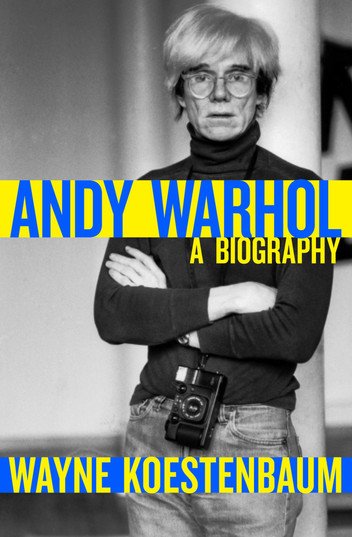
Book Synopsis: Andy Warhol: A Biography by Wayne Koestenbaum
Understanding the Pop Art Revolutionary
Andy Warhol: A Biography by Wayne Koestenbaum offers an intimate portrait of America’s most enigmatic artist. This scholarly work explores the contradictions that defined Warhol’s extraordinary life. Koestenbaum, a distinguished critic and poet, penetrates the myths surrounding this cultural icon.
Moreover, he reveals the complex man behind the platinum wig and dark sunglasses. The biography examines how Warhol revolutionized art and popular culture forever. And it shows why his influence continues to resonate in contemporary society today.
Warhol remains one of the most misunderstood figures in modern art history. He cultivated an image of detachment and superficiality throughout his career. However, his work reveals profound insights about American culture and human nature. Therefore, understanding the real Warhol requires looking beyond the carefully constructed persona. Koestenbaum’s biography accomplishes this task with intelligence and sensitivity throughout. Plus, it provides context for Warhol’s groundbreaking contributions to art and film.
This biography stands out significantly from other accounts of Warhol’s life. Koestenbaum brings a scholar’s rigor and a poet’s sensitivity to his subject. He doesn’t shy away from the contradictions that made Warhol fascinating. Instead, he embraces them as essential to understanding this complex artist. Moreover, he explores themes of sexuality, identity, and celebrity with remarkable depth. The result is a portrait that feels both comprehensive and deeply personal.
The Contradictions at the Heart of Andy Warhol: A Biography
Warhol embodied contradictions that seemed impossible to reconcile in one person. He was a famous partygoer who lived with his mother, Julia. Also, he appeared inarticulate in interviews yet regularly produced brilliant aphorisms. His art sizzled with sexual themes while he maintained an asexual public image. Therefore, understanding these paradoxes is essential to fully understanding Warhol himself. Koestenbaum explores each contradiction with nuance and careful analysis throughout.
The biography reveals how Warhol deliberately used contradictions as an artistic strategy. His apparent superficiality masked profound observations about American consumer culture. Moreover, his silence in social situations made his words more powerful. He understood that mystery creates fascination and maintains public interest. And he cultivated an enigmatic persona that kept people guessing constantly. This strategic ambiguity became central to his artistic brand and legacy.
Koestenbaum examines Warhol’s relationship with his mother, Julia, in particular depth. She lived with him for most of his adult life, surprisingly. Also, she influenced his work in ways that scholars often overlook. Their bond was both tender and complex in equal measure. However, Warhol rarely discussed this relationship publicly with anyone outside. The biography illuminates how this connection shaped his art and worldview.
Warhol’s approach to language reveals another fascinating contradiction about him. He distrusted words and claimed not to understand grammar’s unfolding. Yet he produced memorable quotes that captured cultural truths perfectly. Therefore, his apparent inarticulation was another carefully constructed performance. Koestenbaum explores how Warhol communicated through images rather than words. And he shows how this visual focus revolutionized artistic expression.
Warhol’s Revolutionary Approach to Art and Culture
Andy Warhol: A Biography examines how Warhol transformed the art world forever. He challenged the boundary between high art and everyday commercial culture. His Campbell’s Soup Cans and Brillo Boxes elevated ordinary objects to art. Moreover, he questioned what art could be and who could create it. This democratic approach to art-making changed everything that came after him. Plus, it made art accessible to audiences who had previously felt excluded.
Warhol’s Factory became the epicenter of New York’s avant-garde scene. He surrounded himself with artists, musicians, drag queens, and socialites there. Also, the Factory produced art, films, and cultural moments that defined an era. It was both a studio and a social experiment in equal measure. Therefore, the Factory represents Warhol’s vision of collaborative artistic creation. And it demonstrated his genius for bringing diverse talents together productively.
The biography extensively explores Warhol’s fascination with celebrity and fame. He understood that celebrity was becoming America’s new religion and currency. Moreover, he predicted how fame would evolve in the media age. His famous prediction about fifteen minutes of fame proved remarkably prescient. Therefore, Warhol wasn’t just documenting celebrity culture but predicting its future. And his work anticipated the impact of social media on fame and identity.
Koestenbaum carefully analyzes Warhol’s use of repetition as an artistic technique. The repeated images in his silkscreens created hypnotic visual effects. Also, repetition reflected the mass production that defined American consumer culture. Warhol showed how repetition both numbs and intensifies our responses. However, each repeated image contained subtle variations that rewarded close observation. This technique became one of his most influential contributions to art.
The Provocative Films in Andy Warhol: A Biography
Warhol’s films remain among his most challenging and misunderstood works. He created experimental cinema that deliberately tested audiences’ patience and expectations. Moreover, his films explored sexuality, boredom, and the nature of watching. They ranged from static shots lasting hours to provocative narratives. Therefore, understanding Warhol’s complete artistic vision requires engaging with his films. And Koestenbaum provides essential context for these often-overlooked works throughout.
Films like “Sleep” and “Empire” pushed cinema to its conceptual limits. “Sleep” showed a man sleeping for over five hours continuously. Also, “Empire” consisted of eight hours of the Empire State Building. These films challenged what cinema could be and what audiences would tolerate. However, they also explored time, attention, and the act of watching. Plus, they influenced generations of experimental filmmakers who followed Warhol.
Warhol’s narrative films explored sexuality with unprecedented frankness for their time. Works like “Blow Job” and “Chelsea Girls” shocked conservative audiences. Moreover, they gave voice to marginalized communities and alternative sexualities openly. The films featured drag queens, hustlers, and outcasts from mainstream society. Therefore, they represented a radical democratization of who could appear on screen. And they challenged conventional morality with their explicit content and themes.
Koestenbaum examines how Warhol’s films influenced his other artistic work. The films’ exploration of time and repetition informed his paintings. Also, his interest in celebrity found expression in screen tests. These short portraits captured famous and unknown subjects with equal attention. However, the screen tests revealed something essential about each person filmed. They demonstrated Warhol’s ability to see beyond surface appearances always.
Key Themes Explored in the Biography
Andy Warhol: A Biography addresses the major themes that defined Warhol’s life and work. Koestenbaum brings scholarly rigor to the examination of these complex subjects throughout. Moreover, he effectively connects Warhol’s personal experiences to his artistic output. The biography reveals how Warhol’s background completely shaped his unique perspective. And it shows how his work continues to influence contemporary art and culture.
Central themes Koestenbaum explores include:
- Sexuality and identity: How Warhol navigated being gay in mid-century America
- Consumer culture: His fascination with mass production and commercial imagery
- Celebrity worship: The intersection of fame, art, and American values
- Death and mortality: Recurring themes of violence and death in his work
- Class and aspiration: His working-class background and social climbing
- Authenticity versus performance: The constructed nature of identity and persona
These themes consistently interconnect in fascinating ways throughout Warhol’s work. His exploration of sexuality informed his approach to celebrity and fame. Also, his working-class origins shaped his fascination with wealth and glamour. The biography shows how personal experience became a universal artistic statement. Therefore, understanding Warhol’s life illuminates the deeper meanings of his art. And it reveals the humanity behind the carefully constructed public image.
Koestenbaum pays particular attention to Warhol’s Catholic upbringing and faith. This aspect of his life often gets overlooked in other accounts. However, Catholicism influenced his imagery and worldview profoundly throughout his career. The themes of suffering, martyrdom, and transcendence recur throughout his work. Moreover, his religious background shaped his relationship with sexuality and identity. The biography explores these connections with sensitivity and insight throughout.
Warhol’s Cultural Impact and Enduring Legacy
The biography examines how Warhol changed American culture beyond the art world. He significantly and permanently influenced fashion, music, advertising, and popular entertainment. Moreover, he anticipated how visual culture would dominate communication in the coming decades. His influence appears everywhere in contemporary media and celebrity culture today. Therefore, understanding Warhol helps us better understand our current cultural moment. And his work remains remarkably relevant to contemporary issues and concerns.
Warhol’s Factory model influenced how artists approach collaboration and community building. He showed that art could emerge from collective creative energy. Also, he demonstrated that the artist’s role could include curation and facilitation. This approach anticipated how contemporary artists work with assistants and teams. However, it also raised questions about authorship and authenticity that persist to this day. Plus, it challenged romantic notions of the solitary artistic genius.
The biography explores Warhol’s business acumen and entrepreneurial approach to art. He famously said that making money was art and working was art. Moreover, he embraced commercial success rather than pretending to disdain it. This honesty about art’s relationship to commerce was revolutionary then. Therefore, Warhol paved the way for artists to engage openly with markets. And he showed that commercial success and artistic integrity weren’t mutually exclusive.
Koestenbaum examines how Warhol’s work predicted social media and selfie culture. His interest in self-presentation and image-making seems remarkably contemporary now. Also, his exploration of fame’s democratization anticipated Instagram and TikTok. The fifteen minutes of fame concept describes our current moment perfectly. However, Warhol also understood the emptiness that can accompany constant visibility. His work simultaneously contains both celebration and critique of image culture.
Why Andy Warhol: A Biography Matters Today
This biography arrives at a moment when Warhol’s relevance feels stronger than ever. Our culture has become exactly what he predicted and documented decades ago. Moreover, issues of authenticity, celebrity, and image dominate contemporary discourse constantly. Therefore, returning to Warhol helps us understand our current cultural landscape. And Koestenbaum’s analysis provides tools for thoughtfully navigating these complex issues.
The book offers insights into how artists can maintain integrity while achieving success. Warhol navigated the tension between art and commerce with remarkable skill. Also, he showed that popularity doesn’t necessarily mean selling out completely. His example remains instructive for contemporary artists facing similar pressures today. However, the biography also examines the costs of fame and constant visibility. Plus, it explores how Warhol’s persona sometimes obscured his genuine artistic achievements.
Koestenbaum’s scholarly approach makes this biography essential for serious Warhol students. He draws on extensive research and careful analysis throughout the work. Moreover, he situates Warhol effectively within broader cultural and artistic contexts. The biography engages with critical theory while remaining accessible to general readers. Therefore, it serves both academic and popular audiences equally well. And it provides a foundation for understanding Warhol’s complex legacy in its entirety.
The biography also addresses Warhol’s influence on LGBTQ+ culture and representation. He created space for queer artists and subjects in mainstream culture. Moreover, his work consistently challenged heteronormative assumptions about art and beauty. The Factory welcomed people marginalized by conventional society with genuine openness. Therefore, Warhol’s legacy includes expanding who could participate in art-making. And his influence on queer culture continues to resonate powerfully today.
Koestenbaum’s Unique Perspective and Approach
Wayne Koestenbaum brings distinctive qualifications to writing about Warhol’s life and work. As both scholar and poet, he understands art from multiple perspectives. Moreover, his own work explores similar themes of identity and sexuality. Therefore, he approaches Warhol with both critical distance and personal understanding. This combination creates a biography that feels both rigorous and empathetic. And it allows Koestenbaum to see aspects that other biographers might miss.
The biography’s prose style reflects Koestenbaum’s background as a poet and writer. He writes with elegance and precision about complex artistic concepts. Also, he makes scholarly analysis accessible without dumbing it down. His sentences capture Warhol’s contradictions in their very structure and rhythm. However, he never sacrifices clarity for stylistic flourishes or academic jargon. Plus, his writing makes even familiar Warhol stories feel fresh and new.
Koestenbaum doesn’t attempt to resolve Warhol’s contradictions into simple explanations. Instead, he allows the complexity to remain and even celebrates it. This approach respects both Warhol and the readers’ intelligence throughout the biography. Moreover, it acknowledges that some mysteries about Warhol will remain forever. Therefore, the biography invites ongoing engagement rather than providing definitive answers. And it encourages readers to form their own interpretations and conclusions.
The book balances biographical detail with cultural analysis exceptionally well throughout. Koestenbaum provides context for Warhol’s life without getting lost in minutiae. Also, he connects personal experiences to broader artistic and cultural movements. This approach shows how individual lives constantly intersect with historical forces. However, he never reduces Warhol to merely a product of his times. Plus, he highlights Warhol’s agency in shaping his own destiny and legacy.
Conclusion: Discovering the Real Warhol
Andy Warhol: A Biography by Wayne Koestenbaum offers an essential portrait of this enigmatic artist. The book moves beyond surface-level accounts to reveal Warhol’s complexity and depth. Moreover, it shows how his contradictions were central to his genius.
Koestenbaum’s scholarly approach provides insights that casual accounts miss completely. Therefore, this biography becomes indispensable for anyone seeking to truly understand Warhol. And it demonstrates why his work continues to matter in contemporary culture.
Readers will finish this biography with a transformed understanding of Warhol. The man behind the wig emerges as more interesting than the persona. Also, his artistic achievements appear even more impressive when properly contextualized. Koestenbaum reveals the intelligence and intention behind apparently simple works. However, he also acknowledges the genuine mysteries that remain about Warhol. Plus, he shows how these mysteries contribute to Warhol’s enduring fascination.
This biography serves multiple audiences equally effectively and accessibly throughout. Art historians will appreciate the scholarly rigor and careful research presented. Also, general readers will find the prose engaging and the insights illuminating. Students of American culture will discover essential context for understanding our times. Therefore, the book works on multiple levels simultaneously and rewards rereading. And it establishes itself as a definitive account of Warhol’s life.
Andy Warhol: A Biography ultimately reveals why Warhol remains culturally relevant today. His exploration of fame, identity, and image speaks directly to contemporary concerns. Moreover, his work anticipated the visual culture that now dominates our lives. Koestenbaum’s biography helps us see Warhol with fresh eyes and understanding. And it invites us to reconsider what we think we know. The real Andy Warhol awaits discovery in these pages for everyone.


Reviews
There are no reviews yet.