

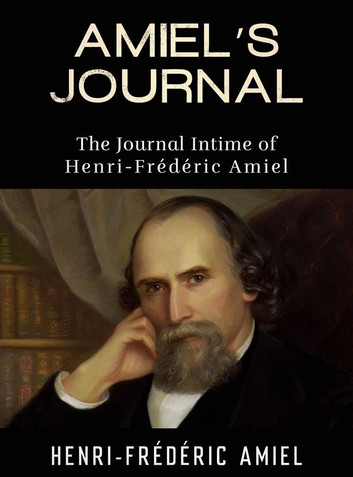
Description
AMIEL’S JOURNAL – The Journal Intime of Henri-Frédéric Amiel
“AMIEL’S JOURNAL – The Journal Intime of Henri-Frédéric Amiel” offers readers an intimate window into one of the 19th century’s most profound philosophical minds. This remarkable personal journal spans decades of deep introspection, philosophical reflection, and spiritual exploration.
Moreover, Amiel’s journal intime reveals the inner struggles of a brilliant thinker grappling with life’s fundamental questions. Consequently, readers encounter raw honesty and intellectual depth rarely found in published works of any era.
Henri-Frédéric Amiel was a Swiss philosopher, poet, and critic who kept this extraordinary journal throughout his adult life. He wrote thousands of pages documenting his thoughts, feelings, observations, and philosophical insights with remarkable candor. Furthermore, his journal intime became a literary landmark after his death when selections were published. Therefore, this work stands as one of the most important personal journals in Western literature and philosophy.
The journal explores themes of identity, self-knowledge, spirituality, creativity, and the human condition with unflinching honesty. Amiel examines his own psychology, motivations, fears, and aspirations in meticulous detail throughout the entries. Additionally, he reflects on art, literature, religion, society, and the nature of existence itself. However, the journal’s power lies in its deeply personal perspective rather than abstract philosophical arguments alone.
Why Henri-Frédéric Amiel’s Journal Intime Remains Essential Reading Today
Amiel’s personal journal continues to resonate with modern readers because it addresses timeless questions about human existence. His struggles with self-doubt, purpose, and meaning feel remarkably contemporary despite the 19th-century context. Moreover, his introspective approach offers a model for self-examination and personal growth that remains relevant today. Consequently, readers find both historical insight and practical wisdom for their own lives within these pages.
The journal intime format allows readers to witness Amiel’s intellectual and spiritual development over many years. Unlike polished philosophical treatises, this work captures thoughts in their raw, unfiltered form as they emerged. Furthermore, the chronological structure reveals how his ideas evolved, deepened, and sometimes contradicted earlier positions. Therefore, readers experience philosophy as a living process rather than a fixed system of beliefs.
Amiel’s journal explores several profound themes throughout its extensive entries:
- The nature of self-knowledge and the challenges of truly understanding one’s own character and motivations
- Spiritual seeking and the quest for meaning beyond material existence and conventional religious frameworks
- The relationship between thought and action, contemplation and engagement with the world around us
- The role of solitude in intellectual and creative development versus the need for human connection
- The tension between idealism and reality, between aspirations and actual achievements in life
- The experience of melancholy, doubt, and existential questioning as paths to deeper understanding
- The connection between personal psychology and philosophical insight, between inner life and universal truths
These themes interweave throughout the journal, creating a rich tapestry of philosophical and personal reflection. Amiel returns to certain questions repeatedly, examining them from different angles as his perspective shifts. Moreover, his willingness to document his failures and weaknesses alongside his insights makes the work profoundly human.
How Amiel’s Journal Intime Influenced Literature and Philosophy
The publication of Henri-Frédéric Amiel’s personal journal had a significant impact on both literary and philosophical traditions. It helped establish the journal intime as a serious literary form worthy of critical attention. Furthermore, it influenced later writers and thinkers who adopted similar introspective approaches to their own work. Consequently, Amiel’s legacy extends far beyond his own pages to shape how we think about self-examination.
Many prominent writers and philosophers acknowledged the influence of Amiel’s journal on their own development and thinking. The work demonstrated that personal reflection could achieve philosophical depth without sacrificing emotional authenticity or human vulnerability. Additionally, it showed how sustained self-observation over time could yield genuine insights into human nature. Therefore, the journal became a model for combining intellectual rigor with personal honesty in writing.
The journal intime also offers valuable historical perspective on 19th-century intellectual life and cultural attitudes. Amiel’s observations about society, politics, art, and religion illuminate the concerns of his era vividly. Moreover, his personal struggles reflect broader tensions between tradition and modernity during a period of rapid change. However, the universal human experiences he documents transcend their specific historical context to speak across generations.
Who Should Read This Profound Journal Intime and Why
“AMIEL’S JOURNAL” appeals to readers interested in philosophy, psychology, literature, and the art of introspection. Philosophy enthusiasts will appreciate Amiel’s rigorous examination of fundamental questions about existence, knowledge, and meaning. Moreover, his approach demonstrates how philosophical inquiry can emerge from personal experience rather than abstract theory alone. Consequently, the work bridges academic philosophy and lived human experience in compelling ways.
Literary scholars and memoir enthusiasts will find the journal intime fascinating as both historical document and literary achievement. Amiel’s prose combines poetic beauty with analytical precision, creating a unique voice that rewards careful reading. Furthermore, his self-awareness about the act of journal-keeping itself adds meta-textual layers of interest. Therefore, the work functions simultaneously as philosophy, literature, and commentary on both forms of expression.
Readers seeking personal growth and self-understanding will discover practical wisdom within Amiel’s introspective explorations and reflections. His honest examination of his own psychology offers a model for self-reflection that remains applicable today. Additionally, his struggles with common human challenges like doubt, loneliness, and purpose provide comfort and insight. However, readers should approach the journal with patience, as its depth rewards sustained engagement over time.
Conclusion: The Enduring Power of Amiel’s Personal Journal
“AMIEL’S JOURNAL – The Journal Intime of Henri-Frédéric Amiel” stands as a masterpiece of introspective literature. Henri-Frédéric Amiel created a work of remarkable honesty, depth, and philosophical insight through decades of dedication. Moreover, his willingness to document both his intellectual achievements and personal struggles makes the journal profoundly human.
This journal intime deserves attention from anyone interested in the examined life and the pursuit of self-knowledge. It offers both historical perspective on 19th-century thought and timeless wisdom about the human condition. Therefore, it remains essential reading for philosophers, writers, scholars, and thoughtful readers of all backgrounds today.
Ultimately, Amiel’s personal journal reminds us that the deepest questions about existence require sustained attention and courage. By sharing his inner life so completely, he invites readers to undertake their own journeys of self-discovery. Consequently, this remarkable work continues to inspire and challenge readers more than a century after its publication.








Reviews
There are no reviews yet