

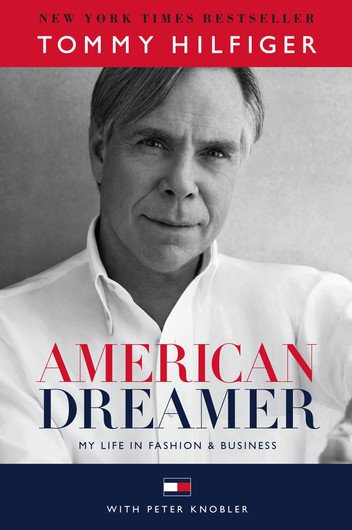
Description
American Dreamer: A Complete Synopsis of Tommy Hilfiger’s Fashion Empire Memoir
Introduction: The Story Behind American Dreamer
American Dreamer tells the remarkable story of Tommy Hilfiger’s rise from small-town beginnings to global fashion icon. This autobiography reveals how a dyslexic kid from Elmira, New York, built one of the world’s most recognizable brands. Moreover, the book offers invaluable insights into entrepreneurship, creativity, and perseverance. Hilfiger shares both triumphs and failures with refreshing honesty. Therefore, readers gain authentic lessons about building a business from scratch.
The memoir spans decades of fashion history. Furthermore, it provides a behind-the-scenes look at the industry’s evolution. Hilfiger’s journey embodies the classic rags-to-riches narrative. However, his path was far from smooth or predictable.
Early Years: From Elmira to Fashion Entrepreneur
Tommy Hilfiger grew up in a working-class Irish-Catholic family. His parents struggled financially to support nine children. Nevertheless, young Tommy showed entrepreneurial spirit early on. He customized bell-bottom jeans and sold them to classmates. This small venture sparked his passion for fashion design.
At age eighteen, Hilfiger opened his first store called People’s Place. He drove to New York City to buy trendy clothes. Then, he sold them back in Elmira at marked-up prices. The store became incredibly popular with local youth. However, Hilfiger lacked business experience and financial management skills.
People’s Place eventually expanded to multiple locations. But poor financial decisions led to bankruptcy in 1977. This failure taught Hilfiger crucial lessons about business operations. Moreover, it humbled him and prepared him for future success.
Building the Tommy Hilfiger Brand: The American Dreamer Vision Takes Shape
After bankruptcy, Hilfiger moved to New York City. He worked as a designer for various companies. Furthermore, he honed his skills and built industry connections. In 1985, Hilfiger met Mohan Murjani, an Indian textile magnate. Murjani believed in Hilfiger’s vision for preppy American fashion.
Together, they launched the Tommy Hilfiger brand. The controversial billboard campaign announced Hilfiger alongside fashion legends. Critics called it arrogant and presumptuous. However, the bold marketing generated massive publicity and brand awareness.
American Dreamer details the brand’s core philosophy: accessible luxury with classic American style. Hilfiger wanted to create clothes that felt both aspirational and attainable. Therefore, he focused on quality fabrics at reasonable prices. The brand combined preppy aesthetics with streetwear influences.
Key Elements of the Tommy Hilfiger Brand Strategy:
- Democratic Fashion: Creating designer clothes accessible to middle-class consumers
- Color Innovation: Using bold primary colors in unexpected combinations
- Hip-Hop Connection: Embracing urban culture when other designers ignored it
- Logo Prominence: Making the brand name a visible status symbol
- American Heritage: Celebrating red, white, and blue patriotic themes
Hip-Hop Culture and Fashion Revolution
One of American Dreamer’s most fascinating sections covers hip-hop’s influence. Hilfiger noticed rappers wearing his oversized clothes in music videos. Other luxury brands rejected this association with urban culture. However, Hilfiger embraced it wholeheartedly and authentically.
He formed relationships with artists like Snoop Dogg and Aaliyah. Moreover, he sponsored concerts and music events. This strategy revolutionized fashion marketing forever. Hip-hop artists became powerful brand ambassadors organically.
The partnership proved mutually beneficial for both parties. Rappers gained legitimacy in mainstream fashion circles. Meanwhile, Hilfiger’s brand exploded in popularity among young consumers. This cross-cultural collaboration changed the fashion industry permanently.
Business Challenges: Lessons from American Dreamer
Hilfiger candidly discusses major business setbacks throughout the memoir. In 2000, the company went public with great fanfare. However, overexpansion and market saturation damaged the brand’s exclusivity. Sales declined dramatically as the logo became too ubiquitous.
The brand faced a difficult period of reinvention. Hilfiger had to scale back operations significantly. Furthermore, he needed to rebuild the brand’s prestige and desirability. This required painful decisions about licensing agreements and distribution channels.
In 2006, a private equity firm purchased the company. Then, in 2010, Phillips-Van Heusen (now PVH Corp) acquired it. These transitions were emotionally difficult for Hilfiger. Nevertheless, they provided necessary capital and operational expertise.
American Dreamer emphasizes the importance of adapting to change. Hilfiger learned that brands must evolve with consumer preferences. Moreover, he discovered that letting go of control sometimes enables growth.
Personal Life and Overcoming Dyslexia
The memoir explores Hilfiger’s personal struggles with learning disabilities. Dyslexia made traditional education extremely challenging for him. However, it also fostered creative problem-solving skills and visual thinking. Hilfiger believes his dyslexia contributed to his design talents.
He discusses his first marriage and subsequent divorce honestly. Balancing family life with business demands proved incredibly difficult. Furthermore, he admits to making mistakes as a father. His second marriage to Dee Ocleppo brought greater stability and happiness.
American Dreamer reveals Hilfiger’s battles with self-doubt and insecurity. Despite outward success, he often felt like an impostor. Therefore, he constantly worked to prove himself to critics. This vulnerability makes the memoir particularly relatable and human.
Design Philosophy and Creative Process
Hilfiger explains his approach to fashion design throughout the book. He draws inspiration from classic American sportswear and preppy style. Moreover, he studies vintage clothing and historical fashion trends. His designs celebrate optimism, youth, and American cultural heritage.
The creative process involves extensive research and collaboration. Hilfiger works closely with design teams worldwide. Furthermore, he travels constantly seeking inspiration from different cultures. He believes great design balances innovation with timeless appeal.
American Dreamer emphasizes the importance of staying true to brand identity. Hilfiger resisted pressure to chase every passing trend. Instead, he focused on refining his signature aesthetic. This consistency helped build lasting brand recognition and loyalty.
Global Expansion and International Success
The book chronicles Tommy Hilfiger’s transformation into a global brand. European markets initially embraced the American aesthetic enthusiastically. Asian markets, particularly Japan and China, followed soon after. However, each region required cultural adaptation and localized marketing.
Hilfiger learned to respect cultural differences while maintaining brand consistency. He opened flagship stores in major cities worldwide. Moreover, he adapted product lines to suit regional preferences. This global strategy dramatically increased revenue and brand awareness.
American Dreamer highlights the challenges of managing international operations. Different markets have varying fashion sensibilities and business practices. Therefore, Hilfiger needed local partners who understood regional nuances. Building these relationships required patience, trust, and cultural sensitivity.
Collaborations and Celebrity Partnerships
Throughout his career, Hilfiger has collaborated with numerous celebrities. The memoir details partnerships with models, musicians, and athletes. These collaborations generated publicity and expanded brand reach. Moreover, they kept the brand relevant to younger generations.
Hilfiger dressed countless celebrities for red carpet events. He formed particularly close relationships with certain stars. Furthermore, he launched capsule collections with various collaborators. Each partnership brought fresh energy and perspective to the brand.
American Dreamer explains how celebrity endorsements evolved over decades. Early partnerships were often transactional and superficial. However, modern collaborations involve genuine creative input and shared vision. Hilfiger values authentic relationships over mere promotional arrangements.
Philanthropy and Giving Back
The book discusses Hilfiger’s commitment to charitable causes. He supports autism research through various foundations and initiatives. Moreover, he funds programs for underprivileged youth interested in fashion. Giving back has become increasingly important to him personally.
Hilfiger believes successful entrepreneurs have social responsibilities. Therefore, he uses his platform to advocate for important causes. He also mentors young designers and businesspeople. American Dreamer emphasizes that success means nothing without positive impact.
His philanthropic work extends to environmental sustainability efforts. The fashion industry faces criticism for wasteful practices. Consequently, Hilfiger has implemented more sustainable production methods. He acknowledges there’s still much work to be done.
Business Wisdom and Entrepreneurial Lessons
American Dreamer offers valuable advice for aspiring entrepreneurs and designers. Hilfiger emphasizes the importance of persistence despite repeated failures. Moreover, he stresses the value of learning from mistakes. Every setback contains lessons that inform future decisions.
He advises young people to follow their passions authentically. However, passion alone isn’t sufficient for business success. Entrepreneurs must also develop financial literacy and management skills. Furthermore, they need to build strong teams and delegate effectively.
Hilfiger believes in taking calculated risks and trusting instincts. But he also warns against reckless decisions without proper research. Therefore, successful entrepreneurship requires balancing intuition with data-driven analysis. This wisdom comes from decades of experience and hard-earned lessons.
The American Dream Realized
The memoir’s title reflects Hilfiger’s embodiment of American opportunity. He started with nothing but ambition and creativity. Through hard work and determination, he built a billion-dollar empire. Moreover, he achieved this despite learning disabilities and limited formal education.
American Dreamer celebrates the possibility of upward mobility through entrepreneurship. Hilfiger’s story inspires readers to pursue their own dreams. However, he’s honest about the sacrifices and challenges involved. Success requires unwavering commitment and resilience through difficult times.
The book ultimately argues that the American Dream remains achievable. But it looks different for each individual pursuing it. Furthermore, success means different things to different people. For Hilfiger, it meant creative freedom and building something lasting.
Why Read American Dreamer?
This memoir offers something for everyone interested in fashion or business. Aspiring entrepreneurs gain practical insights from Hilfiger’s experiences. Fashion enthusiasts learn about industry evolution over four decades. Moreover, general readers enjoy an engaging rags-to-riches story.
American Dreamer stands out for its honesty and vulnerability. Hilfiger doesn’t sugarcoat his failures or present himself as perfect. Instead, he shares authentic struggles with self-doubt and business challenges. This transparency makes the book both educational and inspiring.
The writing style is accessible and conversational throughout. Peter Knobler’s collaboration ensures the narrative flows smoothly and engagingly. Furthermore, the book includes fascinating anecdotes about celebrities and industry figures. These stories provide entertainment alongside valuable business lessons.
Conclusion: The Lasting Impact of American Dreamer
American Dreamer is more than just a fashion industry memoir. It’s a testament to perseverance, creativity, and entrepreneurial spirit. Tommy Hilfiger’s journey from small-town bankruptcy to global success inspires readers. Moreover, his willingness to share failures alongside triumphs provides authentic wisdom.
The book demonstrates how passion combined with business acumen creates success. Hilfiger’s story proves that unconventional paths can lead to extraordinary destinations. Furthermore, it shows how embracing cultural diversity strengthens brands and businesses. His openness to hip-hop culture revolutionized fashion marketing forever.
Readers finish American Dreamer with practical knowledge and renewed motivation. The memoir reminds us that setbacks are temporary and learning opportunities. Therefore, anyone pursuing ambitious goals will find value in these pages. Tommy Hilfiger’s American Dream continues inspiring new generations of dreamers.






Reviews
There are no reviews yet.