

Description
How a book became a legend. The Making of the English Working Class — E.P. Thompson’s monumental 1963 history — didn’t just change how historians wrote about workers; it changed what history itself could be. This critical appreciation traces the book’s creation, its explosive reception, and its half-century of influence across the humanities.
Thompson’s great achievement was to rescue ordinary people — weavers, artisans, radicals, Methodists, machine-breakers — from what he called “the enormous condescension of posterity,” showing how England’s working class made itself through struggle, culture, and consciousness between 1780 and 1832. The book’s moral passion and literary brilliance made it a touchstone far beyond academia, inspiring generations of social historians worldwide and reshaping how universities teach the industrial revolution.
Essential for students of history and ideas — the story of how one furious, brilliant book redefined an entire discipline and gave the voiceless a permanent, dignified place in the historical record.
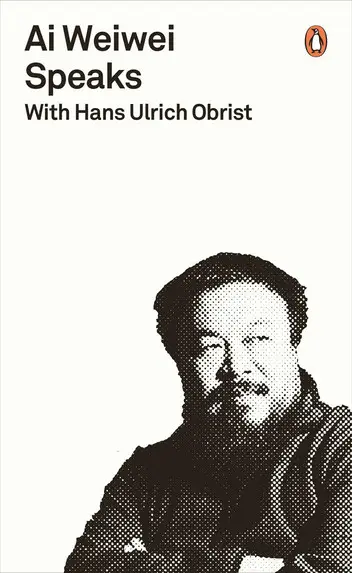
Few artists of our time have been as courageous — or as consequential — as Ai Weiwei. In Ai Weiwei Speaks, published in 2011 as a Penguin Special, renowned curator Hans Ulrich Obrist gathers a series of conversations with the Chinese artist conducted over several years, capturing his thinking at a moment of extraordinary international attention.
Moving fluidly between art, architecture, and activism, the interviews reveal how Ai Weiwei links his creative work to his fight for human rights: his use of the internet and social media to bypass censorship, his belief in art as a form of civic participation, and his insistence that personal expression can be a political act.
Obrist, one of the most influential curators working today, draws out the artist’s dry wit and steely clarity, asking the questions that matter and letting Ai Weiwei’s distinctive voice carry the argument.
Compact, provocative, and remarkably readable, this is an essential document of contemporary art and dissent — a portrait of an artist who refused to be silent, and a reminder of what courage looks like in public life.


Reviews
There are no reviews yet