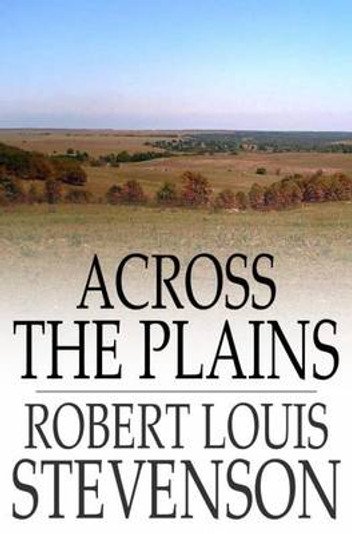
Description
Across the Plains by Robert Louis Stevenson: A Complete Synopsis of His American Journey
Introduction to Stevenson’s Travel Memoir
“Across the Plains” chronicles Robert Louis Stevenson’s remarkable train journey through America. This travel memoir captures his 1879 cross-country expedition from New York to California. Furthermore, Stevenson documents the American landscape with vivid detail. The plains journey reveals both the beauty and harshness of frontier life. Additionally, he shares intimate portraits of fellow travelers he encounters along the way.
Stevenson embarked on this journey to reunite with Fanny Osbourne in California. However, he traveled in immigrant trains rather than luxurious first-class accommodations. Therefore, his account provides an authentic view of working-class travel conditions. The memoir showcases his keen eye for social observation and natural description. Moreover, it demonstrates his ability to find poetry in ordinary experiences.
The American Landscape and Frontier Life
Stevenson’s descriptions of the American plains remain strikingly beautiful and haunting. He captures the vast emptiness and overwhelming scale of the landscape. Furthermore, he contrasts these wide-open spaces with Scotland’s intimate, rolling hills. The endless horizons both fascinate and unsettle the Scottish writer profoundly.
The frontier towns he passes through reveal America’s raw, developing character. Additionally, Stevenson observes the mixture of hope and desperation among settlers. These communities struggle to establish civilization in harsh, unforgiving environments. Yet, he admires their resilience and pioneering spirit throughout his journey.
The natural world captivates Stevenson despite the difficult travel conditions he endures. He describes prairies, mountains, and deserts with poetic precision and wonder. Moreover, he notes how the landscape shapes the people who inhabit it. Consequently, his observations reveal deep insights about American identity and character.
Fellow Travelers and Social Observations
Stevenson’s fellow passengers provide rich material for his observant, compassionate eye. He travels among immigrants, workers, and families seeking better lives out west. Furthermore, he engages them in conversation and listens to their stories. These encounters reveal the diversity and complexity of American society at the time.
The immigrant train conditions are cramped, uncomfortable, and often degrading for passengers. Additionally, Stevenson experiences hunger, exhaustion, and illness during the arduous journey. However, he maintains his curiosity and empathy for those around him. Therefore, his account humanizes people often ignored by society and literature.
He notes the stark class divisions visible even on trains. Moreover, Stevenson criticizes the treatment of poorer passengers by railway companies. The contrast between immigrant and first-class accommodations appalls him deeply. Consequently, his memoir contains subtle but powerful social commentary throughout.
Key Themes in Across the Plains
The memoir explores several interconnected themes that resonate with readers today:
- The contrast between European and American landscapes and cultures
- The harsh realities of immigrant life and working-class travel
- The tension between romantic ideals and practical frontier realities
- Human resilience and adaptability in challenging circumstances
- The transformative power of travel and new experiences
- Social inequality and class divisions in American society
- The relationship between landscape and human character development
Literary Significance and Enduring Appeal
“Across the Plains” stands as an important work in the history of travel literature. Stevenson’s honest, unsentimental approach distinguishes it from romanticized travel accounts. Furthermore, his literary skill transforms mundane details into compelling narrative moments. The memoir significantly influenced subsequent generations of travel writers and journalists.
His willingness to travel among ordinary people provides valuable historical documentation. Additionally, the work reveals Stevenson’s character and values beyond his fiction. Modern readers appreciate his empathy, humor, and keen observational powers throughout. Moreover, his descriptions of 19th-century America preserve a vanishing world.
The plains journey tested Stevenson physically but enriched him artistically and spiritually. His experiences informed his later fiction and deepened his understanding of humanity. Therefore, “Across the Plains” remains essential reading for Stevenson enthusiasts everywhere. Consequently, it continues to inspire travelers and writers seeking authentic experiences today.
Conclusion
Robert Louis Stevenson’s “Across the Plains” offers readers an intimate, honest portrait of American frontier life. His journey across the vast American landscape reveals both beauty and hardship. Furthermore, his compassionate observations of fellow travelers provide timeless insights into human nature.
The memoir stands as a testament to travel’s transformative power and literature’s ability to preserve experience. Additionally, it reminds us that great writing can emerge from even the most difficult circumstances.





Reviews
There are no reviews yet.