

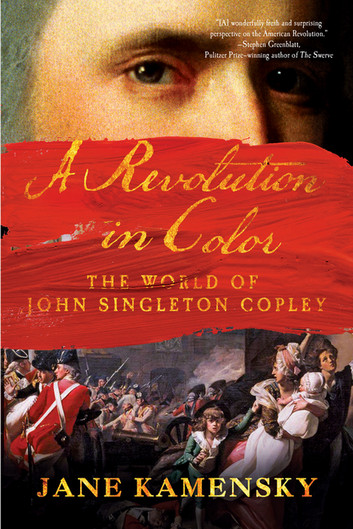
Description
A Revolution in Color: Complete Synopsis of Jane Kamensky’s Biography of John Singleton Copley
Introduction to John Singleton Copley and His Revolutionary Art
“A Revolution in Color: The World of John Singleton Copley” by Jane Kamensky explores America’s greatest colonial painter. This comprehensive biography reveals how John Singleton Copley transformed portrait painting forever. Furthermore, it shows how one artist created a revolution in color and technique. The book brings Copley’s extraordinary world to life through meticulous research.
Jane Kamensky, a distinguished historian, spent years researching this groundbreaking biography. She examined thousands of letters, documents, and paintings to understand Copley fully. Moreover, she reveals the man behind the masterpieces with unprecedented depth. Therefore, readers gain intimate access to Copley’s thoughts, struggles, and triumphs.
This book represents the definitive account of Copley’s life and artistic achievements. Kamensky combines rigorous scholarship with engaging storytelling throughout the narrative. Additionally, she places Copley within the broader context of revolutionary America. The result is both scholarly and accessible to general readers.
Who Was John Singleton Copley?
John Singleton Copley was born in Boston in 1738 to modest circumstances. His stepfather, an engraver, introduced him to art at a young age. However, Copley taught himself most of his painting techniques through observation. Therefore, he became a largely self-taught genius in colonial America.
By his twenties, Copley had become Boston’s most sought-after portrait painter. Wealthy merchants, politicians, and their families commissioned his work regularly. Furthermore, his portraits captured not just faces but entire personalities and social positions. His technical skill surpassed any other artist working in the colonies.
Copley married Susanna Clarke, daughter of a wealthy merchant, in 1769. This marriage elevated his social standing and connected him to elite circles. Moreover, it provided financial security that allowed him to focus on art. Additionally, the couple had six children who appear in several paintings.
The artist lived through one of history’s most turbulent periods in America. Revolutionary tensions divided Boston and threatened his livelihood and family safety. However, Copley tried to remain neutral despite pressure from both sides. Therefore, his position became increasingly difficult as conflict approached inevitably.
Understanding the Revolution in Color
The phrase “revolution in color” refers to Copley’s innovative painting techniques. He used color in ways no American artist had attempted before. Furthermore, his palette brought unprecedented vibrancy and realism to colonial portraiture. Therefore, his work stood apart from anything produced in America previously.
Copley studied European masters through prints and copies available in Boston. He learned to layer colors to create depth and luminosity. Moreover, he developed techniques for rendering different textures convincingly on canvas. Additionally, his understanding of light transformed how subjects appeared in paintings.
His use of color went beyond mere technical skill to convey meaning. Rich fabrics, gleaming silver, and glowing skin tones demonstrated wealth and status. Furthermore, color choices revealed personality traits and social positions of his subjects. Therefore, each portrait became a complex statement about identity and power.
The revolution also involved how Copley approached his subjects as individuals. He spent considerable time with each person to understand their character. Moreover, he insisted on painting from life rather than memory or imagination. Additionally, this commitment to realism set new standards for American portraiture.
Copley’s Masterful Painting Technique
Copley’s technical abilities astonished both colonial patrons and European critics alike. He could render silk, velvet, wood, metal, and flesh with equal mastery. Furthermore, his attention to detail bordered on obsessive in the best way. Therefore, his paintings feel almost photographic in their precision and clarity.
He built up layers of paint slowly to achieve his signature effects. This painstaking process meant each portrait took weeks or months to complete. However, the results justified the time investment for both artist and patron. Moreover, his finished works possessed a three-dimensional quality that seemed miraculous.
Light played a crucial role in Copley’s revolutionary approach to painting. He studied how light fell on different surfaces and materials carefully. Additionally, he used highlights and shadows to create volume and presence. Therefore, his subjects seemed to emerge from the canvas into reality.
Key elements of Copley’s technique included:
- Meticulous attention to fabric textures and how light interacts with materials
- Careful observation of skin tones and subtle color variations in faces
- Precise rendering of reflective surfaces like silver, glass, and polished wood
- Strategic use of light and shadow to create depth and dimension
- Patient layering of paint to achieve luminosity and richness
- Commitment to painting from life rather than relying on conventions
These technical innovations made Copley’s work immediately recognizable and highly valued. Furthermore, they influenced generations of American artists who followed him. Therefore, his impact on American art history cannot be overstated or ignored.
Life in Colonial Boston
Copley’s Boston was a bustling port city filled with merchants and craftsmen. The city’s wealth came from trade, shipbuilding, and commerce with Britain. However, political tensions grew as Britain imposed new taxes and restrictions. Therefore, Boston became the center of revolutionary ferment and resistance activities.
As an artist, Copley depended on wealthy patrons for his livelihood. Many of these patrons held opposing political views about British rule. Furthermore, some were loyalists while others supported independence from Britain actively. Therefore, Copley found himself caught between conflicting factions and dangerous politics.
He painted both patriots like Samuel Adams and loyalists like Thomas Hutchinson. This neutrality allowed him to continue working but made both sides suspicious. Moreover, as tensions escalated, maintaining neutrality became increasingly impossible and dangerous. Additionally, the artist worried constantly about his family’s safety and future.
The Boston Tea Party in 1773 marked a turning point for Copley. His father-in-law’s tea sat on the ships that patriots dumped into the harbor. Furthermore, the incident brought revolutionary conflict directly into his family circle. Therefore, Copley began seriously considering leaving America for England and safety.
The Move to England and European Success
In 1774, Copley sailed to England, leaving his family temporarily behind. He intended to study European masters and expand his artistic horizons. Moreover, he hoped the trip would be temporary before returning home. However, the outbreak of revolution made return impossible for many years.
Copley reunited with his family in London after they fled Boston. He established himself in England’s competitive art world with remarkable speed. Furthermore, his American reputation preceded him and opened important doors quickly. Therefore, he gained access to prestigious exhibitions and wealthy British patrons.
In England, Copley expanded beyond portraiture into historical and religious paintings. These large-scale works depicted dramatic moments from history and contemporary events. Moreover, they demonstrated his versatility and ambition as an artist significantly. Additionally, they brought him fame throughout Europe and critical acclaim.
His painting “Watson and the Shark” became a sensation in London. The dramatic scene showed a shark attacking a swimmer in Havana Harbor. Furthermore, the work’s emotional intensity and technical brilliance impressed critics and audiences. Therefore, Copley established himself as more than just a portrait painter.
How Copley Changed Portrait Painting Forever
Before Copley, American portraits followed rigid European conventions and formulas stiffly. Subjects posed formally with standard props and backgrounds that signified status. However, Copley brought psychological depth and individual personality to his portraits. Therefore, he transformed portraiture from mere documentation into genuine art form.
He insisted that portraits should reveal character, not just record appearances. His subjects seem to think, feel, and exist as real people. Furthermore, viewers sense the personality and inner life of each individual. Therefore, his portraits feel like encounters with actual historical figures today.
Copley also revolutionized how artists depicted material wealth and social status. He painted objects with such precision that viewers could identify specific items. Moreover, these objects told stories about the subject’s life, work, and values. Additionally, this approach influenced how later artists thought about portraiture’s purpose.
His influence extended far beyond his lifetime into American art’s future. Artists studied his techniques and tried to emulate his mastery. Furthermore, his work set standards that defined American portraiture for generations. Therefore, understanding American art history requires understanding Copley’s revolutionary contributions thoroughly.
The Book’s Unique Approach to Biography
Jane Kamensky brings fresh perspective to Copley’s well-documented life and career. She uses his extensive correspondence to reveal his thoughts and feelings. Moreover, she analyzes his paintings as historical documents that reveal colonial society. Therefore, the book works as both biography and cultural history simultaneously.
Kamensky explores how Copley navigated the dangerous politics of revolutionary America. She shows his struggles to remain neutral while maintaining his livelihood. Furthermore, she reveals how political tensions affected his art and personal life. Additionally, she examines how exile shaped his later work and identity.
The author also investigates Copley’s complex relationship with color and technique. She explains how he developed his revolutionary methods through experimentation. Moreover, she connects his artistic choices to broader cultural and social contexts. Therefore, readers understand both the how and why of his innovations.
Kamensky writes with clarity and elegance that makes history come alive. She avoids academic jargon while maintaining scholarly rigor throughout the narrative. Furthermore, she includes vivid descriptions of paintings that help readers visualize them. Therefore, the book appeals to both specialists and general readers equally.
What Readers Will Discover
Readers will discover the man behind some of America’s most iconic paintings. The book reveals Copley’s ambitions, insecurities, and relentless drive for perfection. Furthermore, it shows how he balanced artistic integrity with commercial necessity. Therefore, readers gain insight into the artist’s life and creative process.
The biography illuminates colonial American society through Copley’s eyes and experiences. His portraits provide windows into how people lived, dressed, and saw themselves. Moreover, the book explains the social meanings embedded in his paintings. Additionally, readers learn about colonial Boston’s culture, politics, and daily life.
Kamensky explores how revolution disrupted Copley’s life and forced difficult choices. She shows the personal cost of political neutrality during revolutionary times. Furthermore, she reveals how exile affected his identity and artistic development. Therefore, readers understand revolution’s human dimension through one family’s experience.
The book also examines Copley’s later career in England and Europe. It shows how he adapted to new audiences and artistic challenges. Moreover, it reveals his struggles to maintain relevance in a changing world. Additionally, readers see how his American origins shaped his European work.
Copley’s Most Famous Works
“Paul Revere” remains one of Copley’s most recognizable and celebrated portraits. The painting shows the silversmith in his work clothes holding a teapot. Furthermore, it depicts Revere as a thoughtful craftsman rather than a gentleman. Therefore, the portrait broke conventions by showing a tradesman at work.
“Watson and the Shark” demonstrated Copley’s ability to paint dramatic historical scenes. The painting’s emotional intensity and technical brilliance shocked London audiences positively. Moreover, it established him as a serious history painter in England. Additionally, the work influenced how artists depicted contemporary events in paint.
His portrait of Samuel Adams shows the revolutionary leader in a moment of confrontation. Adams points to colonial charters while his face shows determination and anger. Furthermore, the painting captures the revolutionary spirit perfectly through gesture and expression. Therefore, it remains an iconic image of American independence and resistance.
“The Copley Family” shows the artist with his wife and four children. The intimate group portrait reveals his personal life and family relationships. Moreover, it demonstrates his ability to compose complex multi-figure paintings successfully. Additionally, it shows the warmth and affection within his family circle.
The Revolutionary Context
Copley lived through the American Revolution’s most dramatic and dangerous years. His Boston home sat at the center of colonial resistance to Britain. However, his social position and family connections complicated his political stance. Therefore, he struggled to navigate between patriot and loyalist factions constantly.
Many of his patrons became leading figures in the revolutionary movement. Samuel Adams, John Hancock, and other patriots sat for his portraits. Furthermore, these men expected Copley to support their cause against Britain. However, his father-in-law remained a committed loyalist throughout the conflict.
The artist genuinely tried to remain neutral and focus on his art. He believed politics should not interfere with artistic relationships and commissions. Moreover, he hoped the conflict would resolve peacefully without destroying his world. However, events proved his neutrality impossible to maintain as violence approached.
The decision to leave America was painful but necessary for Copley. Revolutionary violence threatened his family’s safety and his ability to work. Furthermore, his loyalist connections made him suspect to patriot leaders increasingly. Therefore, exile became the only viable option for survival and continued success.
Kamensky’s Research and Sources
Jane Kamensky conducted exhaustive research in archives across America and England. She examined Copley’s letters, account books, and personal papers meticulously. Furthermore, she studied contemporary documents to understand his world completely. Therefore, the biography rests on solid documentary evidence throughout every chapter.
The author also analyzed Copley’s paintings as primary historical sources themselves. She examined brushwork, color choices, and compositional decisions for meaning and significance. Moreover, she consulted with art conservators and technical experts about his methods. Additionally, she visited museums to study original paintings in person carefully.
Kamensky draws on recent scholarship in art history, colonial history, and Atlantic studies. She places Copley within broader historical contexts and intellectual currents. Furthermore, she connects his work to contemporary debates about art and society. Therefore, the biography reflects current historical understanding and interpretive approaches.
The book includes extensive notes and a comprehensive bibliography for interested readers. These scholarly apparatuses allow readers to explore topics further independently. Moreover, they demonstrate the depth of research underlying the narrative. Additionally, they provide resources for students and scholars studying Copley or colonial art.
Who Should Read This Book
Art lovers will find this biography essential for understanding American painting’s development. Copley’s work represents a crucial moment in American art history. Furthermore, the book explains his techniques and innovations in accessible language. Therefore, readers gain appreciation for his genius and lasting influence significantly.
History enthusiasts will appreciate the book’s vivid portrait of revolutionary America. Kamensky brings colonial Boston to life through Copley’s experiences and observations. Moreover, she shows how ordinary people experienced extraordinary historical events. Additionally, the book illuminates the revolution’s personal and social dimensions effectively.
Ideal readers include:
- Students of American art history seeking comprehensive understanding of colonial painting
- Biography readers who enjoy well-researched, engagingly written life stories
- Revolutionary War enthusiasts interested in the period’s cultural and social aspects
- Museum visitors wanting deeper knowledge about colonial American portraits
- Artists interested in historical painting techniques and artistic development
- Anyone curious about how art and politics intersect during revolutionary times
The book appeals to both academic and general audiences equally well. Kamensky’s clear writing makes complex ideas accessible without oversimplification. Furthermore, her narrative skill keeps readers engaged throughout the lengthy biography. Therefore, the book works as both scholarly resource and compelling story.
The Book’s Critical Reception
“A Revolution in Color” received widespread critical acclaim upon publication immediately. Reviewers praised Kamensky’s meticulous research and engaging narrative style consistently. Furthermore, many called it the definitive biography of Copley for our time. Therefore, the book established itself as essential reading about colonial American art.
The biography won the prestigious Bancroft Prize for American history and diplomacy. This recognition confirmed the book’s importance to historical scholarship and understanding. Moreover, it appeared on numerous “best books” lists across multiple publications. Additionally, it received praise from both historians and art critics alike.
Scholars appreciated Kamensky’s fresh interpretation of familiar material and new archival discoveries. She challenged previous assumptions about Copley’s motivations and artistic development. Furthermore, she placed him within Atlantic world contexts more effectively than earlier biographies. Therefore, the book advanced scholarly understanding of colonial art significantly.
General readers praised the book’s readability and vivid historical recreation. Kamensky makes eighteenth-century Boston come alive through descriptive prose and careful detail. Moreover, she helps readers understand paintings without requiring specialized art knowledge. Additionally, her character portraits make historical figures feel real and relatable.
Copley’s Legacy in American Art
John Singleton Copley established standards for American portraiture that lasted for generations. His technical mastery and psychological insight influenced countless later artists directly. Furthermore, he proved that American artists could equal European masters in skill. Therefore, he gave American art credibility and confidence it previously lacked.
His work preserved images of revolutionary America’s most important figures permanently. Without Copley, we would not know what Samuel Adams or Paul Revere looked like. Moreover, his portraits provide invaluable historical documentation of colonial society and culture. Additionally, they reveal how Americans saw themselves during the revolutionary era.
Copley’s influence extended beyond portraiture into history painting and artistic ambition. He showed American artists they could tackle grand subjects and complex compositions. Furthermore, his success in England proved Americans could compete internationally in art. Therefore, he opened doors for future generations of American artists abroad.
Today, Copley’s paintings hang in major museums throughout America and England. They remain among the most valuable and studied works of American art. Moreover, they continue to inspire contemporary artists and delight museum visitors worldwide. Additionally, they serve as touchstones for understanding American identity and history.
The Meaning of Revolution in Copley’s Life
Revolution shaped Copley’s life in multiple ways beyond just political upheaval. His artistic innovations represented a revolution in how Americans approached portrait painting. Furthermore, his personal journey from colonial craftsman to international artist was revolutionary. Therefore, revolution defined both his art and his life trajectory completely.
The political revolution forced Copley to choose between his homeland and his family’s safety. This painful decision haunted him for the rest of his life. Moreover, exile changed his art by exposing him to new influences and subjects. Additionally, it transformed his identity from American to Atlantic world artist.
Copley’s revolution in color changed how artists thought about painting’s possibilities. He showed that careful observation and technical skill could create unprecedented realism. Furthermore, he demonstrated that American artists need not accept inferior status. Therefore, his artistic revolution paralleled America’s political revolution in important ways.
The book’s title captures these multiple meanings of revolution in Copley’s world. Political, artistic, and personal revolutions intersected in his life and work. Moreover, Kamensky explores how these revolutions shaped each other and American culture. Therefore, the biography illuminates revolution’s complexity through one extraordinary life story.
Conclusion: Why This Biography Matters
“A Revolution in Color: The World of John Singleton Copley” stands as the definitive biography. Jane Kamensky has created a masterpiece of historical writing and artistic analysis. Furthermore, she brings Copley to life as never before through meticulous research. Therefore, this book belongs on every serious reader’s shelf without question.
The biography matters because Copley matters to American art and history profoundly. His paintings provide irreplaceable windows into colonial American society and revolutionary politics. Moreover, his artistic innovations established foundations for American art’s future development. Additionally, his life story illuminates the human cost of political revolution.
Kamensky’s book also matters because it demonstrates how biography should be written. She combines rigorous scholarship with accessible prose and compelling narrative throughout. Furthermore, she uses art as historical evidence while explaining artistic techniques clearly. Therefore, the book serves as a model for how to write about artists.
Readers will finish this book with deeper understanding of American art’s origins. They will appreciate Copley’s genius and the revolutionary world he inhabited. Moreover, they will understand how one artist’s vision transformed an entire nation’s culture. “A Revolution in Color” is essential reading for anyone interested in American history or art.








Reviews
There are no reviews yet