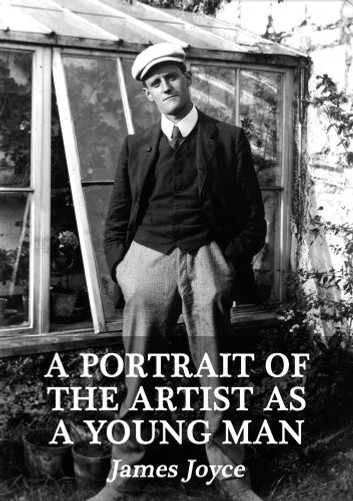
Description
A Portrait of the Artist as a Young Man by James Joyce: A Complete Synopsis of Stephen Dedalus’s Journey
Introduction to Joyce’s Masterpiece
“A Portrait of the Artist as a Young Man” follows Stephen Dedalus through his formative years. This groundbreaking novel explores one young artist’s struggle to find his voice. James Joyce published this semi-autobiographical work in 1916. Furthermore, it revolutionized modern literature with its innovative narrative style. The story traces Stephen’s journey from childhood through early adulthood in Ireland.
Joyce employs stream-of-consciousness techniques throughout the narrative. Additionally, the language evolves as Stephen matures and develops intellectually. This stylistic choice mirrors the protagonist’s growing awareness and sophistication. Therefore, readers experience Stephen’s world through his changing perspective. The novel remains a cornerstone of modernist literature today.
Stephen’s Childhood and Education
Stephen Dedalus begins his journey as a sensitive young boy. He attends Clongowes Wood College, a prestigious Jesuit boarding school. However, he struggles to fit in with his peers there. The young artist feels isolated and misunderstood by other students. Moreover, he experiences bullying and physical discomfort at the strict institution.
His early education profoundly shaped his intellectual and spiritual development. The Jesuit priests instill rigorous academic discipline in their students. Additionally, they constantly emphasize Catholic doctrine and moral instruction. Stephen absorbs these teachings but also begins questioning them internally. Consequently, seeds of doubt take root in his impressionable mind.
Family financial troubles force Stephen to temporarily leave Clongowes. His father’s declining fortunes significantly affect the entire Dedalus household. Meanwhile, Stephen transfers to Belvedere College in Dublin for continued education. There, he excels academically and wins several prizes for his work. Yet, he remains emotionally distant from those around him.
Religious Crisis and Spiritual Awakening
Stephen experiences intense religious fervor during his teenage years. A powerful sermon about hell terrifies him into temporary devotion. Furthermore, he briefly confesses his sins and embraces extreme piety. The young artist considers becoming a priest to serve God. However, this phase proves short-lived as doubts resurface gradually.
He realizes that religious life would stifle his creative spirit. Additionally, Stephen recognizes his need for personal and artistic freedom. The constraints of Catholic doctrine feel increasingly oppressive to him. Therefore, he begins rejecting the church’s authority over his life. This rebellion marks a crucial turning point in his development.
Stephen’s crisis of faith extends beyond mere religious questioning. He grapples with questions of identity, purpose, and artistic calling. Moreover, he struggles with guilt over his physical desires and urges. The conflict between spiritual ideals and earthly reality torments him. Consequently, he must forge his own path forward independently.
Artistic Development and Intellectual Growth
Stephen discovers his true calling as an artist and writer. He develops aesthetic theories about beauty, art, and creative expression. Furthermore, he regularly engages in philosophical debates with his university friends. These discussions help him refine his ideas about art’s purpose. Additionally, he begins seeing himself as a creator rather than a follower.
His intellectual awakening coincides with growing political awareness as well. Stephen closely observes Ireland’s struggle for independence from British rule. However, he refuses to limit his art to nationalist causes. He believes true art transcends political and religious boundaries completely. Therefore, he rejects pressure to serve any particular ideology exclusively.
The young artist formulates his famous aesthetic philosophy during this period. He distinguishes between proper and improper art based on effect. Moreover, Stephen argues that true art produces aesthetic arrest rather than desire. This theory becomes central to his identity as an artist. Consequently, he commits himself fully to pursuing artistic excellence on his own.
Key Themes in A Portrait of the Artist as a Young Man
The novel explores several interconnected themes throughout Stephen’s journey:
- The conflict between individual freedom and social/religious conformity
- The development of artistic consciousness and creative identity
- The struggle between physical desire and spiritual aspiration
- Irish nationalism versus cosmopolitan artistic independence
- The role of language in shaping thought and reality
- Family loyalty versus personal ambition and self-realization
- The search for authentic selfhood in a restrictive society
Breaking Free from Irish Society
Stephen increasingly feels trapped by Dublin’s provincial atmosphere and limitations. His family expects him to pursue practical career paths instead. Additionally, friends pressure him to actively join nationalist political movements. The Catholic Church demands his obedience and submission to doctrine. However, Stephen recognizes these forces would destroy his artistic vision.
He famously declares his intention to forge his own path. Stephen vows to use “silence, exile, and cunning” as weapons. Furthermore, he plans to leave Ireland to pursue art freely. This decision marks his final break from completely constraining traditions. Therefore, the novel ends with Stephen preparing to depart for Europe.
His departure symbolizes the artist’s necessary separation from limiting origins. Additionally, it reflects Joyce’s own biographical experience of temporarily leaving Ireland. The young artist must escape to create authentic, meaningful work. Moreover, he accepts loneliness as the price of artistic integrity. Consequently, Stephen embraces his destiny despite its inherent difficulties and the sacrifices it entails.
Literary Significance and Legacy
“A Portrait of the Artist as a Young Man” transformed modern fiction. Joyce’s innovative narrative techniques profoundly influenced countless writers after him. Furthermore, the novel pioneered the use of stream-of-consciousness as a literary device. Its exploration of consciousness remains groundbreaking even today.
The book serves as a bridge between traditional and modernist literature. Additionally, it established the “künstlerroman” or artist-novel as a genre. Joyce’s portrayal of Stephen Dedalus inspired generations of young artists. Moreover, the novel’s themes remain relevant to contemporary readers everywhere. Therefore, it continues to be studied worldwide.
Conclusion
James Joyce’s “A Portrait of the Artist as a Young Man” chronicles one young artist’s journey toward self-discovery. Stephen Dedalus’s struggle against religious, social, and familial constraints resonates universally. Furthermore, his commitment to artistic freedom inspires readers to pursue authenticity. The novel remains essential for understanding the development of modernist literature. Consequently, Joyce’s masterpiece endures as a timeless exploration of artistic consciousness.



Reviews
There are no reviews yet.