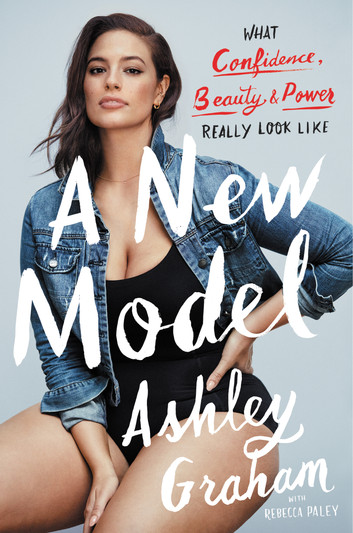
Description
A New Model: What Confidence, Beauty, and Power Really Look Like by Ashley Graham
Introduction: Ashley Graham’s Revolutionary New Model for Confidence and Beauty
Ashley Graham presents a new model for understanding confidence, beauty, and power in modern society. This groundbreaking memoir challenges conventional beauty standards that have dominated the fashion industry for decades. Moreover, Graham shares her personal journey from insecure teenager to internationally recognized supermodel and activist. Her story proves that true beauty comes from self-acceptance, not conforming to unrealistic expectations.
The new model Ashley Graham advocates rejects narrow definitions of attractiveness and worth completely. Instead, it celebrates diverse body types, authentic self-expression, and inner strength as true beauty. Furthermore, Graham’s message resonates with millions who have felt excluded by traditional fashion standards. Her book offers practical wisdom for building genuine confidence regardless of size or appearance.
As the first plus-size model to appear on Sports Illustrated’s swimsuit cover, Graham broke barriers. She transformed the modeling industry by proving that curves belong on magazine covers and runways. Additionally, her success opened doors for countless models who don’t fit conventional size requirements. This book reveals the struggles, triumphs, and lessons that shaped her revolutionary career.
Graham co-wrote this memoir with Rebecca Paley to share her authentic story with readers. The book combines personal anecdotes, professional insights, and empowering advice for building self-confidence. Therefore, readers gain both inspiration and practical tools for embracing their own unique beauty. A new model for self-acceptance becomes possible when we reject limiting beliefs about ourselves.
Ashley Graham’s Early Life and Journey to Modeling
Ashley Graham grew up in Nebraska, facing body image struggles from a young age. She developed curves early, making her feel different from peers and media representations. Moreover, she experienced bullying and criticism about her appearance throughout childhood and adolescence. These painful experiences later fueled her passion for promoting body positivity and self-acceptance.
At age twelve, Graham was discovered by a modeling scout in a shopping mall. This chance encounter launched her modeling career, though success didn’t come immediately or easily. Furthermore, she faced constant rejection from agencies that considered her too large for fashion. The industry’s narrow standards nearly crushed her dreams before they truly began developing.
Graham moved to New York City at seventeen to pursue modeling professionally and seriously. She struggled financially, emotionally, and professionally while trying to break into the competitive industry. Additionally, she endured countless rejections and hurtful comments about her body from agents and clients. However, she refused to starve herself or change her natural shape to fit expectations.
Her persistence eventually paid off when she signed with Wilhelmina Models’ curve division successfully. This represented a turning point where Graham could model while maintaining her authentic size. Moreover, she began booking campaigns with Lane Bryant and other brands celebrating diverse beauty. Her career demonstrated that commercial success was possible outside traditional size zero standards.
Graham’s early struggles taught her invaluable lessons about resilience, self-worth, and authentic confidence. She learned that external validation couldn’t replace genuine self-acceptance and inner strength completely. Therefore, her journey became about more than personal success—it became a mission. She wanted to help others embrace their bodies and reject harmful beauty standards.
Breaking Barriers: Redefining Beauty Standards in Fashion
Ashley Graham’s career represents a seismic shift in how the fashion industry defines beauty. She challenged the assumption that only thin models deserve magazine covers and runway opportunities. Moreover, her success proved that consumers want to see diverse body types represented authentically. The new model she embodies celebrates curves, confidence, and authenticity over unrealistic thinness.
In 2016, Graham made history by appearing on Sports Illustrated’s swimsuit issue cover. This groundbreaking moment marked the first time a plus-size model received this prestigious honor. Furthermore, the issue became one of the magazine’s best-selling editions, proving commercial viability. Her cover shattered myths that only conventional beauty sells magazines or attracts audiences.
Graham has walked runways for major designers and appeared in campaigns for leading brands. She’s graced covers of Vogue, Harper’s Bazaar, Glamour, and numerous other prestigious publications. Additionally, she’s collaborated with brands to create clothing lines for women of all sizes. Her influence extends beyond modeling into design, entrepreneurship, and media representation advocacy.
The fashion industry initially resisted Graham’s presence, clinging to outdated size requirements and standards. Many designers refused to create samples in her size or book her for shows. However, Graham’s popularity with consumers forced the industry to reconsider its narrow approach. Her success demonstrated that beauty comes in many forms, not just one acceptable size.
Graham’s impact goes beyond her personal achievements to systemic change within the industry. More brands now feature diverse models, create extended size ranges, and celebrate different body types. Moreover, younger models benefit from doors Graham opened through her persistence and success. The new model for fashion she helped establish makes the industry more inclusive.
What Confidence Really Looks Like: Ashley Graham’s Personal Philosophy
True confidence comes from self-acceptance, not external validation or meeting arbitrary standards, Graham explains. She learned this lesson through years of seeking approval from an industry that rejected her. Moreover, she discovered that confidence grows when you stop apologizing for your body and existence. The new model for confidence she advocates starts with radical self-acceptance and authentic self-love.
Graham emphasizes that confidence is a practice, not a permanent state you achieve once. She still experiences insecure moments, negative self-talk, and doubts about her appearance and worth. Furthermore, she’s transparent about the ongoing work required to maintain positive self-image and confidence. This honesty makes her message more relatable and achievable for readers facing similar struggles.
Building confidence requires challenging negative thoughts and replacing them with affirming truths, Graham teaches. She shares specific techniques for combating self-criticism and developing compassionate self-talk instead. Additionally, she discusses the importance of surrounding yourself with supportive people who celebrate you. Confidence flourishes in environments that nurture rather than criticize your authentic self constantly.
Graham also addresses how confidence manifests in body language, voice, and presence beyond appearance. She learned to walk into rooms with her head high, speak assertively, and take up space unapologetically. Moreover, she discovered that acting confident often helps you feel more confident over time. This practical advice helps readers embody confidence even when they don’t fully feel it.
The book reveals that confidence isn’t about perfection but about embracing your whole self completely. Graham shares vulnerable stories about her insecurities, mistakes, and ongoing personal growth journey. Therefore, readers understand that confidence coexists with imperfection, doubt, and continuous self-development. A new model for confidence accepts humanity rather than demanding impossible perfection from ourselves.
Key Elements of Ashley Graham’s Confidence Philosophy:
- Self-acceptance – Embracing your body and self exactly as you are right now
- Positive self-talk – Replacing criticism with compassionate, affirming internal dialogue and thoughts
- Boundary-setting – Protecting your energy from people and situations that diminish your worth
- Authentic expression – Showing up as your true self rather than performing for others
- Body respect – Treating your body with care, appreciation, and kindness regardless of size
- Continuous growth – Understanding that confidence develops through ongoing practice and self-reflection
Redefining Beauty: Beyond Physical Appearance and Size
Ashley Graham challenges readers to expand their definition of beauty beyond physical attributes. She argues that beauty includes kindness, intelligence, humor, creativity, and countless other qualities. Moreover, she emphasizes that physical beauty itself comes in infinite forms, not one standard. The new model for beauty she proposes celebrates diversity rather than conformity to narrow ideals.
The book explores how media, advertising, and culture have created unrealistic beauty standards. These standards exclude most people and create widespread insecurity, self-hatred, and unhealthy behaviors. Furthermore, Graham discusses how these narrow ideals particularly harm women and girls’ self-esteem. She advocates for media representation that reflects the actual diversity of human bodies.
Graham shares her own journey toward appreciating her body’s unique beauty and capabilities. She learned to focus on what her body can do rather than just appearance. Additionally, she practices gratitude for her health, strength, and the life her body enables. This shift from criticism to appreciation transformed her relationship with her body completely.
The book addresses common beauty myths that undermine confidence and self-acceptance in women. Graham debunks ideas that beauty requires youth, thinness, or specific features to be valid. Moreover, she challenges the notion that beauty determines worth or deserves more attention. Her message empowers readers to define beauty on their own terms, not society’s.
Graham also discusses beauty routines, fashion, and self-care as forms of self-expression and joy. She doesn’t reject makeup, styling, or fashion but reframes them as creative choices. Furthermore, she emphasizes that these practices should enhance confidence, not mask insecurity or shame. Beauty practices become empowering when they’re choices rather than desperate attempts to fix flaws.
Power and Self-Worth: Owning Your Value and Voice
True power comes from knowing your worth and refusing to diminish yourself for others. Graham learned this lesson after years of making herself smaller to fit others’ expectations. Moreover, she discovered that claiming her space and voice actually inspired rather than threatened. The new model for power she describes is rooted in authenticity and self-advocacy.
Graham shares stories of times she compromised her values or boundaries to please others. These experiences taught her that people-pleasing ultimately diminishes both confidence and effectiveness in life. Furthermore, she learned that saying no, setting boundaries, and prioritizing herself wasn’t selfish. Self-respect and self-care actually enable you to show up more powerfully for others.
The book explores how women are often socialized to be accommodating, quiet, and small. This conditioning undermines women’s power, leadership potential, and ability to advocate for themselves effectively. Additionally, Graham discusses how she unlearned these limiting patterns through conscious effort and practice. She encourages readers to examine and challenge their own conditioning about appropriate behavior.
Graham emphasizes that power isn’t about dominating others but about owning your authentic self. She defines power as the ability to make choices aligned with your values. Moreover, she describes power as using your voice, talents, and platform to create positive change. This empowering definition makes power accessible to everyone, not just those in positions.
The book also addresses how power and vulnerability coexist rather than contradict each other. Graham shares vulnerable moments from her life, demonstrating that openness requires tremendous courage and strength. Therefore, readers learn that showing emotion, admitting struggles, and asking for help demonstrate power. A new model for power embraces the full range of human experience and emotion.
Navigating Relationships: Love, Marriage, and Maintaining Identity
Ashley Graham opens up about her relationship with her husband, Justin Ervin, honestly. She shares how they met, fell in love, and built a strong partnership. Moreover, she discusses the challenges of maintaining individual identity within a committed relationship successfully. Her insights help readers navigate their own relationships while preserving self-worth and independence.
Graham emphasizes the importance of choosing partners who celebrate rather than diminish your confidence. She describes how Justin supported her career, body positivity message, and personal growth journey. Furthermore, she explains that healthy relationships enhance rather than complete you as a person. Partners should encourage your authentic self-expression, not require you to change or shrink.
The book addresses common relationship challenges including communication, conflict resolution, and maintaining intimacy over time. Graham shares practical strategies that have strengthened her marriage through various life transitions. Additionally, she discusses the importance of maintaining friendships, interests, and identity outside your romantic relationship. Balance between togetherness and independence creates healthier, more sustainable partnerships long-term.
Graham also discusses sexuality, body image, and intimacy with refreshing honesty and openness. She challenges shame around women’s sexuality and encourages readers to embrace pleasure without guilt. Moreover, she addresses how body insecurity can interfere with intimacy and offers strategies. Her candid approach helps readers develop healthier relationships with their bodies and sexuality.
The book explores how relationships can either support or undermine your confidence and growth. Graham encourages readers to evaluate whether their relationships lift them up or hold them back. Therefore, she provides guidance for setting boundaries, having difficult conversations, and sometimes ending unhealthy relationships. Protecting your peace and self-worth sometimes requires making hard choices about who stays.
Professional Success: Building a Career on Your Own Terms
Ashley Graham’s career demonstrates that success is possible without compromising your values or authentic self. She refused to lose weight to fit industry standards, instead creating her own path. Moreover, her authenticity became her greatest professional asset rather than a liability or limitation. The new model for career success she exemplifies prioritizes integrity over conformity to expectations.
Graham shares practical advice for navigating professional environments that may not initially welcome you. She discusses strategies for handling rejection, criticism, and discrimination with grace and determination. Furthermore, she emphasizes the importance of persistence, self-belief, and finding allies who support you. Professional success often requires creating opportunities rather than waiting for permission from gatekeepers.
The book explores Graham’s entrepreneurial ventures including her lingerie line and other business projects. She explains how she leveraged her platform to create products serving underrepresented markets successfully. Additionally, she discusses the challenges and rewards of entrepreneurship, especially for women in business. Her experiences provide valuable lessons for readers pursuing their own professional dreams and goals.
Graham also addresses the importance of financial literacy, negotiation skills, and knowing your worth. She shares stories of learning to advocate for fair compensation and favorable contract terms. Moreover, she encourages women to discuss money openly and educate themselves about financial management. Economic empowerment is crucial for independence, security, and the ability to make authentic choices.
The book emphasizes that professional success means different things to different people beyond money. Graham defines success as doing work you love, making positive impact, and maintaining integrity. Therefore, readers are encouraged to define success on their own terms rather than society’s. A new model for career achievement prioritizes fulfillment, purpose, and authenticity over external markers.
Motherhood and Body Changes: Embracing Transformation
Graham discusses her experience with pregnancy, childbirth, and postpartum body changes with remarkable honesty. She shares the physical and emotional challenges of these transformations without sugarcoating the difficulties. Moreover, she celebrates her body’s ability to create and sustain life despite societal pressure. Her candid approach helps other mothers feel less alone in their own experiences.
The book addresses unrealistic expectations for postpartum bodies and the pressure to “bounce back” quickly. Graham challenges this harmful narrative by showing her stretch marks, changed body, and recovery process. Furthermore, she emphasizes that bodies deserve appreciation for what they accomplish, not criticism. Motherhood transformed her relationship with her body in profound, meaningful ways beyond appearance.
Graham shares strategies for maintaining self-care, identity, and confidence during the demanding early motherhood period. She discusses the importance of asking for help, setting boundaries, and prioritizing your well-being. Additionally, she addresses the guilt many mothers feel about taking time for themselves. Self-care isn’t selfish—it’s necessary for being present and healthy for your family.
The book also explores how motherhood deepened Graham’s commitment to body positivity and representation. She wants her children to grow up seeing diverse bodies celebrated and represented everywhere. Moreover, she discusses teaching children healthy body image, self-worth, and confidence from early ages. Breaking generational cycles of body shame starts with how we talk to and about ourselves.
Graham’s motherhood journey reinforces her message that bodies are worthy of love at every stage. Pregnancy, postpartum, aging, and life changes all deserve celebration rather than shame or criticism. Therefore, she encourages readers to practice self-compassion through all of life’s physical transformations. A new model for body acceptance embraces change as natural rather than something to resist.
Dealing with Criticism and Online Negativity
Ashley Graham addresses the harsh criticism and online harassment she’s faced throughout her career. She shares how negative comments affected her mentally and emotionally, especially early on. Moreover, she discusses strategies she developed for protecting her mental health from constant scrutiny. Her experience provides valuable lessons for anyone dealing with criticism or online negativity today.
The book explores the difference between constructive feedback and destructive criticism meant to harm. Graham learned to distinguish between the two and respond accordingly to each type. Furthermore, she emphasizes that other people’s opinions don’t define your worth or determine your path. Developing this discernment protects your confidence and allows you to grow from genuine feedback.
Graham shares practical techniques for managing social media use and protecting your mental health. She discusses taking breaks, curating your feed, and limiting exposure to negativity when necessary. Additionally, she emphasizes the importance of real-life connections over online validation and approval. Social media can be a tool for connection and empowerment when used intentionally.
The book also addresses how to respond when people criticize your body, choices, or lifestyle. Graham advocates for setting firm boundaries and not engaging with trolls or bad-faith critics. Moreover, she discusses when to speak up, when to ignore, and when to block. Protecting your peace sometimes means refusing to give energy to people who don’t deserve it.
Graham encourages readers to build a strong support system that reinforces your worth and confidence. She emphasizes surrounding yourself with people who celebrate you and call out your greatness. Therefore, external criticism has less power when you’re grounded in self-acceptance and community support. A new model for handling criticism prioritizes self-protection and selective engagement over proving yourself.
The Cultural Impact of Ashley Graham’s Message
Ashley Graham’s influence extends far beyond modeling into broader cultural conversations about beauty and worth. She’s helped shift public discourse toward body acceptance, diversity, and inclusive representation in media. Moreover, her visibility has inspired policy changes, industry standards, and consumer expectations for representation. The new model she represents is becoming increasingly mainstream rather than alternative or niche.
Major fashion brands have expanded size ranges, featured diverse models, and changed marketing approaches. Graham’s commercial success proved that inclusive representation isn’t just ethical—it’s profitable and smart. Furthermore, consumers increasingly demand to see themselves reflected in advertising, media, and fashion offerings. The industry is slowly responding to this demand for authentic diversity and representation.
Graham has used her platform to advocate for body positivity, self-acceptance, and mental health awareness. She speaks at events, participates in panels, and uses social media to spread empowering messages. Additionally, she’s collaborated with organizations promoting eating disorder awareness and prevention efforts nationwide. Her activism demonstrates that influence carries responsibility to create positive change beyond personal success.
The book discusses how Graham’s message particularly resonates with younger generations seeking authentic representation. Millennials and Gen Z consumers reject airbrushed perfection in favor of realistic, diverse imagery. Moreover, these generations prioritize brands and public figures who align with their values around inclusivity. Graham’s authenticity and advocacy make her influential with audiences seeking genuine connection and representation.
Graham acknowledges that significant work remains to achieve true inclusivity and body acceptance culturally. The fashion industry still has far to go in representing all body types equally. However, her career demonstrates that one person’s courage can catalyze meaningful change over time. Therefore, she encourages readers to use their own voices and platforms for positive impact. A new model for cultural change starts with individuals refusing to accept harmful norms.
Practical Advice: Building Your Own Confidence and Self-Acceptance
Ashley Graham provides actionable strategies readers can implement immediately to build genuine confidence today. She shares daily practices, mindset shifts, and behavioral changes that strengthen self-acceptance over time. Moreover, she emphasizes that confidence building is a journey requiring patience, consistency, and self-compassion. The new model for confidence she teaches is accessible to anyone willing to do the work.
Daily Practices for Building Confidence and Self-Acceptance:
- Mirror work – Speak positive affirmations to yourself while looking in the mirror daily
- Gratitude practice – List things you appreciate about your body beyond appearance each morning
- Boundary setting – Practice saying no to requests that don’t serve your well-being or values
- Movement – Engage in physical activity that feels good rather than punishing your body
- Curate your feed – Follow accounts that inspire and uplift rather than trigger comparison
- Dress for yourself – Wear clothes that make you feel confident regardless of trends
- Celebrate wins – Acknowledge your accomplishments and progress regularly without minimizing them
- Seek support – Connect with friends, therapists, or communities that reinforce your worth
Graham emphasizes the importance of challenging negative self-talk and replacing it with truth. She provides specific examples of reframing critical thoughts into compassionate, realistic statements instead. Furthermore, she discusses how this practice becomes easier and more automatic with consistent effort. Your internal dialogue significantly impacts your confidence, self-worth, and overall mental health daily.
The book addresses the role of therapy, coaching, and professional support in personal growth. Graham shares her own experiences with therapy and how it helped her heal. Additionally, she normalizes seeking help and encourages readers to prioritize their mental health. Professional support can accelerate growth and provide tools for managing challenges more effectively.
Graham also discusses the importance of finding your community and surrounding yourself with support. She emphasizes connecting with people who share your values and celebrate your authentic self. Moreover, she acknowledges that sometimes this means distancing yourself from unsupportive relationships, even family. Your environment significantly influences your confidence, so choose your circle wisely and intentionally.
Conclusion: Embracing A New Model for Your Life
Ashley Graham’s memoir offers a powerful blueprint for living authentically and confidently in your body. Her message challenges readers to reject limiting beliefs and embrace their inherent worth completely. Moreover, she demonstrates that true beauty, confidence, and power come from self-acceptance, not conformity. The new model she presents is revolutionary yet accessible to anyone willing to embrace it.
Graham’s journey from insecure teenager to confident supermodel and activist inspires readers facing similar struggles. She proves that your circumstances don’t determine your destiny or limit your potential for growth. Furthermore, her transparency about ongoing challenges makes her message relatable rather than unattainably perfect. Real confidence includes vulnerability, imperfection, and continuous growth throughout life’s journey.
The book provides both inspiration and practical tools for building genuine confidence and self-acceptance. Readers gain specific strategies they can implement immediately to improve their relationship with themselves. Additionally, Graham’s story demonstrates that personal transformation is possible regardless of your starting point. Change begins with the decision to stop waiting for permission to love yourself.
A new model for confidence, beauty, and power is emerging in our culture today. This model celebrates diversity, authenticity, and inner strength over superficial perfection and conformity. Moreover, it recognizes that everyone deserves to feel beautiful, confident, and powerful exactly as they are. Graham’s book contributes significantly to this cultural shift toward more inclusive, compassionate standards.
Graham’s ultimate message is that you are enough exactly as you are right now. Your worth isn’t determined by your size, appearance, or others’ opinions about you. Therefore, the most revolutionary act is embracing yourself fully and living authentically without apology. A new model for living starts with radical self-acceptance and extends outward to transform everything. This book provides the inspiration, permission, and tools to begin that transformative journey today.


Reviews
There are no reviews yet.