

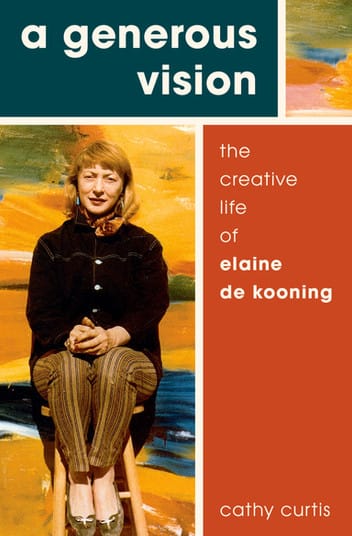
Description
A Generous Vision: The Creative Life of Elaine de Kooning – A Comprehensive Synopsis
Introduction to a Remarkable Artist
Elaine de Kooning stands as one of the most fascinating figures in twentieth-century American art. Cathy Curtis’s biography, “A Generous Vision,” reveals her extraordinary creative journey. Moreover, this book illuminates a woman who shaped Abstract Expressionism through her paintings and writings. The Cultural Biographies series presents her story with depth and nuance.
Curtis explores how Elaine de Kooning navigated the male-dominated art world of postwar New York. Furthermore, she examines the artist’s intelligence, wit, and remarkable generosity of spirit. This biography separates Elaine’s achievements from her famous husband’s shadow. Consequently, readers discover an artist who deserves recognition in her own right.
Early Life and Artistic Formation
Born in 1918, Elaine Marie Catherine Fried grew up in Brooklyn. Her early years fostered a love of art and literature. Additionally, her family encouraged creative expression and intellectual curiosity. She attended Hunter College and later studied at the Leonardo da Vinci Art School.
Young Elaine possessed natural talent and fierce determination. Therefore, she pursued art with unwavering commitment. Her teachers recognized her exceptional abilities early on. Moreover, she developed a distinctive voice that would define her career.
The vibrant New York art scene captivated her imagination. She frequented galleries, museums, and artist gatherings. Consequently, she absorbed diverse influences and artistic philosophies. These formative experiences shaped her aesthetic vision profoundly.
Meeting Willem and Marriage
Elaine met Willem de Kooning in 1938 at a drawing class. Their connection was immediate and intense. Furthermore, they shared artistic passions and intellectual interests. The couple married in 1943, beginning a complex partnership.
Their relationship profoundly influenced both artists’ work. However, maintaining individual identities proved challenging. Elaine de Kooning fought to establish her own artistic reputation. Moreover, she refused to be merely “Willem’s wife” in the art world.
The marriage experienced periods of separation and reconciliation. Nevertheless, they maintained deep artistic respect for each other. Their bond transcended conventional marital boundaries. Consequently, their relationship became legendary in art circles.
Elaine de Kooning’s Artistic Style and Development
Elaine de Kooning developed a distinctive approach to Abstract Expressionism. Her work combined gestural brushwork with figurative elements. Additionally, she brought unique energy and movement to her canvases. Her paintings radiated vitality and spontaneity.
She excelled at portraiture, particularly of artists and writers. Therefore, her portrait work gained significant recognition. She captured not just physical likeness but inner essence. Moreover, her subjects included prominent cultural figures of her era.
Her color palette evolved throughout her career. Bold, vibrant hues characterized her mature work. Furthermore, she experimented with various techniques and materials. This artistic curiosity kept her work fresh and innovative.
The Presidential Portrait Commission
In 1962, Elaine de Kooning received a prestigious commission. She would paint President John F. Kennedy’s official portrait. Consequently, this assignment brought her national attention. The project challenged and excited her in equal measure.
She created numerous sketches and studies of Kennedy. Moreover, she captured his charisma and youthful energy. The final portraits demonstrated her exceptional skill. However, Kennedy’s assassination prevented the portrait’s official completion.
This commission elevated her public profile significantly. Therefore, she gained broader recognition beyond art world circles. The Kennedy portraits remain among her most celebrated works. Additionally, they showcase her ability to capture powerful personalities.
Career as an Art Writer and Critic
Elaine de Kooning possessed remarkable writing talent alongside her painting skills. She contributed regularly to ARTnews magazine. Furthermore, her criticism demonstrated deep understanding of contemporary art. Her writing style was clear, engaging, and insightful.
She championed fellow artists through her critical writing. Moreover, she articulated Abstract Expressionism’s principles with clarity. Her essays helped audiences understand challenging modern art. Consequently, she became an important voice in art discourse.
Her dual career as painter and writer was unusual. Nevertheless, she excelled in both fields simultaneously. Her writing informed her painting and vice versa. Therefore, these practices enriched each other continuously.
Key Themes in Her Life and Work
Curtis’s biography explores several central themes that defined Elaine de Kooning’s creative life:
- Her struggle for recognition independent of her husband’s fame
- The balance between figurative and abstract elements in her art
- Her role as a teacher and mentor to younger artists
- The impact of her intelligence and humor on her relationships
- Her generous spirit and support of fellow artists
- The challenges women artists faced in mid-century America
- Her dedication to both painting and art criticism
- The evolution of her distinctive artistic voice
Teaching and Mentorship
Elaine de Kooning was a dedicated and inspiring teacher. She taught at numerous universities and art schools. Moreover, her students remembered her enthusiasm and generosity. She gave freely of her time and knowledge.
Her teaching philosophy emphasized freedom and experimentation. Therefore, she encouraged students to find their own voices. She never imposed her style on others. Consequently, her students developed diverse artistic approaches.
She maintained relationships with former students throughout her life. Furthermore, she continued supporting their careers long after graduation. Her mentorship extended beyond technical instruction. Additionally, she offered emotional support and professional guidance.
Intelligence, Humor, and Social Life
Curtis portrays Elaine de Kooning as exceptionally intelligent and witty. Her droll sense of humor endeared her to many. Moreover, she possessed remarkable social skills and charisma. She moved easily through different social circles.
The Cedar Tavern became her second home. There, she engaged in passionate artistic debates. Furthermore, she held her own among strong personalities. Her opinions commanded respect from male colleagues.
She formed deep friendships with artists, writers, and intellectuals. Consequently, she became central to New York’s cultural scene. Her apartment hosted legendary gatherings. Therefore, she helped foster artistic community and collaboration.
Generosity of Spirit
Elaine de Kooning’s generosity defined her character profoundly. She supported struggling artists financially and emotionally. Moreover, she promoted others’ work tirelessly. Her selflessness sometimes came at personal cost.
She lent money she couldn’t afford to lose. Furthermore, she opened her home to artists needing space. Her generosity extended to sharing materials and supplies. Consequently, many artists benefited from her kindness.
This generous nature sometimes hindered her own career advancement. Nevertheless, she never regretted helping others. Her legacy includes the artists she nurtured. Therefore, her impact extends beyond her own artwork.
Challenges and Struggles
Curtis doesn’t shy away from Elaine de Kooning’s difficulties. Alcoholism plagued her for many years. Moreover, financial instability created constant stress. She struggled to gain recognition equal to male peers.
The art world’s sexism presented ongoing obstacles. Furthermore, being Willem’s wife complicated her professional identity. Critics sometimes dismissed her work unfairly. Consequently, she fought harder for every achievement.
Her marriage’s complexities added emotional strain. Nevertheless, she persevered through difficult periods. Her resilience and determination remained constant. Therefore, she continued creating despite numerous challenges.
Later Career and Recognition
Elaine de Kooning’s later years brought increased recognition. Major museums began acquiring her work. Moreover, retrospectives celebrated her artistic contributions. She finally received long-overdue acknowledgment.
She continued painting with undiminished energy and passion. Furthermore, her late work showed remarkable vitality. She explored new subjects and techniques. Consequently, her artistic evolution never ceased.
She remained active in the art community until her death. Additionally, she continued teaching and writing. Her influence on younger generations grew stronger. Therefore, her legacy was already secure.
Death and Legacy
Elaine de Kooning died in 1989 at age seventy. Lung cancer claimed her life too soon. Moreover, the art world mourned a significant loss. Her death marked the end of an era.
Her artistic legacy continues growing posthumously. Furthermore, scholars increasingly recognize her importance. Museums mount exhibitions of her work regularly. Consequently, new audiences discover her paintings.
She paved the way for subsequent women artists. Therefore, her impact extends beyond her own generation. Her courage and talent inspire contemporary artists. Additionally, her story resonates with ongoing struggles for equality.
Curtis’s Biographical Approach
Cathy Curtis conducted extensive research for this biography. She interviewed people who knew Elaine de Kooning personally. Moreover, she examined archives, letters, and unpublished materials. Her scholarship is thorough and meticulous.
Curtis presents a balanced, nuanced portrait. Furthermore, she acknowledges both strengths and flaws. She avoids hagiography while celebrating achievements. Consequently, readers encounter a fully human subject.
The biography contextualizes Elaine within her historical moment. Additionally, Curtis explores the broader art world dynamics. She examines gender politics in Abstract Expressionism. Therefore, the book offers cultural history alongside personal narrative.
Significance of This Biography
“A Generous Vision” fills a crucial gap in art history. Previously, no comprehensive Elaine de Kooning biography existed. Moreover, Curtis’s work establishes her subject’s rightful place. This book ensures her story won’t be forgotten.
The biography challenges art historical narratives. Furthermore, it questions who gets remembered and why. Curtis demonstrates how women artists were marginalized. Consequently, readers gain new perspectives on art history.
This book serves multiple audiences effectively. Art historians find valuable scholarly research. Moreover, general readers enjoy an engaging life story. The accessible writing style welcomes non-specialists. Therefore, the biography achieves broad appeal.
Conclusion: Reclaiming an Artist’s Story
Cathy Curtis’s “A Generous Vision” successfully reclaims Elaine de Kooning’s narrative. The biography reveals an artist of exceptional talent and character. Moreover, it demonstrates her significant contributions to American art. Readers discover a woman who deserves celebration.
Elaine de Kooning emerges as complex, talented, and deeply human. Her intelligence, humor, and generosity shine throughout. Furthermore, her artistic achievements stand independent of her husband’s fame. This biography ensures her legacy endures.
The book reminds us that many talented women artists were overlooked. Therefore, recovering their stories remains essential work. Curtis’s biography contributes to this important project. Consequently, art history becomes more complete and accurate.
For anyone interested in Abstract Expressionism, this biography is essential reading. Additionally, it appeals to those studying women’s history. The book offers inspiration and insight in equal measure. Moreover, it celebrates a life lived with passion and purpose.



Reviews
There are no reviews yet.