Description
A Clint Eastwood Biography: The Complete Story of Hollywood’s Legendary Icon
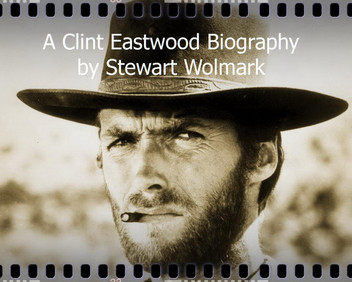
A Clint Eastwood Biography by Stewart Wolmark chronicles the remarkable journey of cinema’s most enduring figure. This comprehensive book explores Eastwood’s transformation from struggling actor to Hollywood legend. Moreover, it reveals the determination and talent behind his incredible success. The biography captures both his iconic performances and groundbreaking directorial achievements.
Early Life and Humble Beginnings
Clint Eastwood was born on May 31, 1930, in San Francisco, California. His family struggled financially during the Great Depression years. Consequently, they moved frequently throughout California seeking work and stability. Young Clint learned resilience and self-reliance during these challenging times.
His early years were marked by constant change and uncertainty. The family eventually settled in Oakland during his teenage years. However, Eastwood didn’t initially show interest in acting or entertainment. Instead, he worked various odd jobs after high school graduation.
Eastwood was drafted into the U.S. Army during the Korean War. Fortunately, he served stateside as a lifeguard and swimming instructor. This period gave him time to consider his future carefully. Meanwhile, he began thinking seriously about pursuing an acting career.
Breaking Into Hollywood
After military service, Eastwood moved to Los Angeles with big dreams. He enrolled in acting classes while working menial jobs. Additionally, he attended auditions whenever possible despite frequent rejections. The struggle to break into Hollywood tested his determination repeatedly.
Universal Studios eventually signed him to a contract in 1954. However, his early roles were small and mostly uncredited appearances. Furthermore, studio executives doubted his potential as a leading man. They criticized his distinctive voice and slow speaking style constantly.
Eastwood appeared in several B-movies and television shows initially. These minor roles provided valuable experience but little recognition. Nevertheless, he continued working hard and improving his craft. Therefore, he remained patient while waiting for his breakthrough opportunity.
The Rawhide Years
In 1959, Eastwood landed the role of Rowdy Yates on “Rawhide.” This CBS western series ran for eight successful seasons total. Moreover, it made Eastwood a familiar face to American television audiences. The show provided steady work and helped him develop his screen presence.
“Rawhide” taught Eastwood important lessons about the entertainment industry. He observed directors, studied camera techniques, and learned production processes. Additionally, he began understanding what made certain scenes work effectively. These lessons would prove invaluable for his future directing career.
Despite the show’s popularity, Eastwood felt creatively limited by television. He wanted to transition into feature films and bigger roles. However, Hollywood still didn’t see him as movie star material. Consequently, he would need to look beyond America for opportunities.
The Man With No Name: Clint Eastwood Biography’s Defining Chapter
Sergio Leone’s “A Fistful of Dollars” changed everything for Eastwood dramatically. The 1964 Italian western introduced his iconic “Man with No Name” character. Moreover, it revolutionized the western genre with its gritty style. Eastwood’s minimalist performance captivated audiences worldwide and established his signature persona.
Leone directed two more films featuring Eastwood’s mysterious gunslinger character. “For a Few Dollars More” and “The Good, the Bad and the Ugly” followed. These “Spaghetti Westerns” became international sensations and cultural touchstones. Furthermore, they transformed Eastwood into a global movie star.
The trilogy’s success demonstrated Eastwood’s unique screen presence and charisma. His squinting eyes, poncho, and cigar became instantly recognizable symbols. Additionally, his laconic style contrasted sharply with traditional Hollywood cowboys. Therefore, he brought something fresh and exciting to the genre.
American audiences initially dismissed these Italian westerns as inferior products. However, their popularity eventually crossed the Atlantic Ocean successfully. Consequently, Hollywood finally recognized Eastwood’s box office potential and star power. The industry that once rejected him now eagerly sought his participation.
Becoming an American Action Icon
Eastwood returned to America as an established international star. He starred in “Hang ‘Em High” in 1968 to great success. Moreover, he began choosing projects that showcased his distinctive style. His American westerns combined traditional elements with the grittiness he learned abroad.
“Coogan’s Bluff” marked his first collaboration with director Don Siegel. This partnership would prove creatively fruitful for both men involved. Additionally, it led to several more successful films together. Siegel became an important mentor who influenced Eastwood’s directorial aspirations.
In 1971, Eastwood starred in “Dirty Harry” as Inspector Harry Callahan. This role became as iconic as his western characters previously. Furthermore, the film sparked controversy about violence and vigilante justice. Nevertheless, audiences loved the tough, uncompromising detective character immensely.
“Dirty Harry” spawned four sequels over the following decades. The character’s catchphrase “Go ahead, make my day” entered popular culture. Moreover, Callahan represented a new kind of screen hero for audiences. He operated outside traditional rules while pursuing his own moral code.
Clint Eastwood Biography: The Director Emerges
Eastwood made his directorial debut with “Play Misty for Me” in 1971. The psychological thriller demonstrated his capabilities behind the camera immediately. Additionally, it showed his willingness to take creative risks early. Critics praised his confident direction and atmospheric storytelling approach.
He continued acting while developing his directing skills simultaneously. “High Plains Drifter” and “The Outlaw Josey Wales” showcased his western expertise. Moreover, these films revealed his evolving artistic vision and thematic interests. Eastwood explored darker, more complex characters than typical western heroes.
His directing style emphasized efficiency and respect for cast and crew. He typically completed films on schedule and under budget consistently. Furthermore, he created a collaborative atmosphere that encouraged creative input. Therefore, actors and technicians enjoyed working on his productions repeatedly.
Eastwood’s dual career as actor-director became increasingly successful over time. He understood both sides of the camera intimately and completely. This knowledge allowed him to communicate effectively with everyone involved. Consequently, his sets ran smoothly and productively throughout filming.
Critical Acclaim and Artistic Maturity
“Unforgiven” in 1992 marked a turning point in Eastwood’s career. This revisionist western deconstructed the genre he helped define earlier. Moreover, it examined violence, aging, and redemption with unusual depth. The film won four Academy Awards including Best Picture and Director.
“Unforgiven” proved Eastwood was more than just an action star. Critics recognized his artistic vision and storytelling sophistication finally. Additionally, the film influenced countless westerns that followed its release. It remains one of the greatest westerns ever made today.
Eastwood continued exploring diverse subjects and challenging material afterward. “The Bridges of Madison County” showed his romantic side unexpectedly. Meanwhile, “Mystic River” demonstrated his ability to direct intense dramas. Each project revealed new dimensions of his considerable talents.
His later films often explored themes of mortality and legacy. “Million Dollar Baby” won four Oscars including Best Picture in 2005. Furthermore, “Gran Torino” examined racism and redemption through personal transformation. These mature works cemented his reputation as a serious filmmaker.
Key Achievements in Clint Eastwood’s Career
A Clint Eastwood Biography highlights his most significant accomplishments throughout decades:
- Acting: Over 60 films spanning westerns, action, drama, and romance
- Directing: More than 35 films showcasing versatility and artistic growth
- Academy Awards: Four Oscars for directing and producing acclaimed films
- Box Office: Billions in worldwide revenue across his entire career
- Cultural Impact: Created iconic characters that defined multiple generations
- Longevity: Active career spanning seven decades and still continuing
- Innovation: Revolutionized westerns and redefined the action hero archetype
Personal Life and Character
Eastwood’s personal life has been complex and sometimes controversial. He has been married twice and has eight children total. Moreover, his relationships have occasionally attracted media attention and scrutiny. However, he generally maintains privacy regarding his personal affairs.
Those who work with Eastwood consistently praise his professionalism and integrity. He treats everyone on set with respect regardless of position. Additionally, he values efficiency and dislikes wasting time or resources. Therefore, his productions maintain a focused and productive atmosphere always.
Eastwood’s political views have evolved and shifted throughout his life. He identifies as libertarian rather than strictly conservative or liberal. Furthermore, he values individual freedom and personal responsibility highly. His films often reflect these philosophical beliefs and values subtly.
Despite his tough-guy image, colleagues describe him as thoughtful and considerate. He listens carefully to others’ ideas and suggestions during production. Moreover, he encourages collaboration rather than dictating every creative decision. This approach has earned him tremendous loyalty from frequent collaborators.
Later Career and Continued Success
Eastwood showed no signs of slowing down in his eighties. “American Sniper” became a massive hit in 2014 despite controversy. Additionally, “Sully” demonstrated his continued ability to craft compelling dramas. Both films proved his relevance to contemporary audiences remained strong.
“The Mule” in 2018 saw Eastwood acting and directing simultaneously again. At 88 years old, he remained remarkably active and creative. Moreover, the film performed well commercially and received positive reviews. His work ethic and passion for filmmaking never diminished over time.
“Cry Macho” released in 2021 when Eastwood was 91 years old. This western marked another collaboration with Warner Bros. studios. Furthermore, it demonstrated his enduring love for the genre that made him famous. Few filmmakers maintain such productivity at his advanced age.
Eastwood’s longevity in Hollywood remains virtually unprecedented in film history. He has worked continuously for over six decades without major breaks. Additionally, he has adapted to changing industry trends and audience tastes. Therefore, he remains relevant across multiple generations of moviegoers worldwide.
Directorial Style and Techniques
Eastwood’s directing approach emphasizes simplicity and emotional authenticity throughout. He typically shoots scenes with minimal takes to capture spontaneous performances. Moreover, he trusts his actors to understand their characters deeply. This method creates naturalistic performances that feel genuine and unforced.
He prefers natural lighting and realistic settings over elaborate production design. His films often have a documentary-like quality that enhances their realism. Additionally, he avoids excessive camera movement or flashy visual techniques. Therefore, the story and characters remain the primary focus always.
Eastwood works quickly and efficiently compared to many contemporary directors. He rarely goes over budget or behind schedule on productions. Furthermore, studios trust him to deliver quality films reliably and consistently. This reputation has given him considerable creative freedom throughout his career.
His musical background influences his approach to film scoring significantly. Eastwood has composed music for several of his own films. Moreover, he understands how music enhances emotional impact without overwhelming scenes. Therefore, his soundtracks complement rather than dominate the visual storytelling.
Themes and Recurring Motifs
A Clint Eastwood Biography examines the themes that define his work consistently. His films often explore masculinity, violence, and moral ambiguity in depth. Additionally, they question traditional notions of heroism and justice frequently. These complex themes elevate his work beyond simple entertainment value.
Redemption appears repeatedly throughout Eastwood’s filmography as director and actor. Characters seek forgiveness for past mistakes or violent actions committed. Moreover, they struggle with the consequences of their choices over time. This theme reflects Eastwood’s interest in human complexity and growth.
Aging and mortality become increasingly prominent in his later films. “Unforgiven,” “Gran Torino,” and “The Mule” all feature aging protagonists. Furthermore, these characters confront their legacy and remaining time honestly. Eastwood explores these universal concerns with sensitivity and wisdom gained.
His films frequently examine American identity and values from various perspectives. They question what it means to be heroic in modern society. Additionally, they explore the costs of violence even when seemingly justified. Therefore, his work encourages audiences to think critically about complex issues.
Impact on Cinema and Popular Culture
Eastwood’s influence on cinema extends far beyond his own films. He helped redefine the western genre twice during his career. Moreover, his “Man with No Name” character influenced countless subsequent antiheroes. The modern action hero owes much to Eastwood’s iconic performances.
His directing style has inspired many contemporary filmmakers working today. The emphasis on efficiency and actor-focused storytelling remains influential currently. Additionally, his ability to work across genres demonstrates remarkable versatility. Therefore, film students study his work extensively in cinema programs.
Eastwood’s characters have become embedded in global popular culture permanently. Harry Callahan’s catchphrases are still quoted regularly by fans worldwide. Moreover, his western persona defined the genre for multiple generations. These cultural contributions ensure his lasting legacy beyond individual films.
He proved that actors could successfully transition to directing careers. Many actor-directors cite Eastwood as inspiration for their own ambitions. Furthermore, he demonstrated that commercial success and artistic integrity aren’t mutually exclusive. Therefore, he opened doors for others to follow similar paths.
Awards and Recognition
Eastwood has received numerous awards and honors throughout his distinguished career. He has won four Academy Awards from eleven total nominations. Moreover, he received the Irving G. Thalberg Memorial Award in 1995. This honor recognizes his exceptional contributions to motion picture production.
The American Film Institute honored him with a Lifetime Achievement Award. Additionally, he received Kennedy Center Honors for his cultural contributions. France awarded him the Legion of Honor for his artistic achievements. These international recognitions demonstrate his global impact and influence.
Eastwood has been nominated for Golden Globes, BAFTAs, and Directors Guild Awards. He won the Cecil B. DeMille Award for outstanding film contributions. Moreover, critics’ organizations have honored him repeatedly throughout his career. Therefore, his peers consistently recognize his exceptional talent and dedication.
Despite these accolades, Eastwood remains humble about his accomplishments publicly. He focuses on the work itself rather than awards or recognition. Additionally, he continues creating new films rather than resting on past achievements. This attitude reflects his genuine passion for filmmaking and storytelling.
Business Acumen and Production Company
Eastwood founded Malpaso Productions in 1967 to control his projects. This company has produced nearly all his films since its creation. Moreover, it gave him unprecedented creative freedom in Hollywood’s studio system. The company’s success demonstrates his business savvy beyond artistic talents.
Malpaso Productions maintains a lean operation with minimal overhead costs. Eastwood prefers efficiency in business operations as in his filmmaking. Additionally, the company’s track record attracts financing for new projects easily. Therefore, he maintains independence while working within the studio system.
His business approach emphasizes fiscal responsibility and practical decision-making throughout. He understands the financial realities of filmmaking intimately and completely. Moreover, he balances artistic vision with commercial viability successfully and consistently. This pragmatism has enabled his remarkably long and productive career.
Eastwood’s relationship with Warner Bros. has lasted over four decades. This partnership has been mutually beneficial for both parties involved. Furthermore, it demonstrates the value of long-term professional relationships in Hollywood. The studio trusts his judgment and gives him considerable creative control.
Collaborations and Frequent Partners
Throughout his career, Eastwood has worked with certain collaborators repeatedly. Composer Lennie Niehaus scored many of his films over decades. Additionally, cinematographer Jack N. Green shot numerous Eastwood productions beautifully. These long-term partnerships contributed significantly to his consistent quality output.
Actor Morgan Freeman appeared in several Eastwood films to great effect. Their on-screen chemistry enhanced “Unforgiven” and “Million Dollar Baby” considerably. Moreover, Freeman’s presence brought gravitas and depth to these productions. Therefore, their collaboration proved beneficial for both artists involved.
Eastwood has also worked with Gene Hackman, Hilary Swank, and others multiple times. He values actors who understand his efficient working methods completely. Additionally, he appreciates performers who bring intelligence and preparation to roles. These relationships have produced some of his finest work overall.
Behind the camera, Eastwood maintains a tight-knit crew of trusted professionals. Many technicians have worked on multiple Eastwood films throughout their careers. Furthermore, this continuity creates a comfortable and efficient production environment. Therefore, everyone understands expectations and works together seamlessly on set.
Controversies and Criticisms
Despite his success, Eastwood has faced criticism and controversy occasionally. Some critics argue his films glorify violence or vigilante justice problematically. Additionally, certain political statements have sparked debate and disagreement among audiences. However, he generally avoids responding to critics publicly or defensively.
“American Sniper” generated significant controversy regarding its portrayal of war. Critics debated whether the film glorified military violence or examined it critically. Moreover, political divisions influenced how different audiences interpreted the movie. Nevertheless, it became one of Eastwood’s biggest commercial successes ever.
His 2012 Republican National Convention speech to an empty chair confused many observers. The unconventional presentation became a viral moment and cultural talking point. Furthermore, it sparked discussions about his political views and public persona. Eastwood later expressed some regret about the speech’s execution and reception.
Some feminist critics have questioned the representation of women in his films. They argue that female characters sometimes lack depth or agency comparatively. However, others point to complex female roles in films like “Million Dollar Baby.” Therefore, opinions remain divided on this aspect of his work.
Legacy and Influence on Future Generations
A Clint Eastwood Biography ultimately celebrates an unparalleled career in American cinema. His influence on filmmaking and popular culture cannot be overstated or ignored. Moreover, he has inspired countless actors and directors to pursue their dreams. His legacy extends far beyond the films he created personally.
Young filmmakers study his efficient production methods and storytelling techniques carefully. Additionally, they admire his ability to balance commercial and artistic considerations. His career demonstrates that longevity requires adaptation and continuous growth. Therefore, he serves as a model for sustainable creative careers.
Eastwood’s characters will continue influencing popular culture for generations to come. The archetypes he created and refined remain relevant to contemporary audiences. Moreover, his films provide a window into American culture across decades. They document changing attitudes about heroism, violence, and morality over time.
His work ethic and professionalism set standards that others aspire to match. He proved that success doesn’t require ego or difficult behavior on set. Additionally, he demonstrated that respecting collaborators produces better results consistently. These lessons extend beyond filmmaking into all professional endeavors everywhere.
Why This Biography Matters
Stewart Wolmark’s A Clint Eastwood Biography provides comprehensive insight into this legendary figure. The book examines both his public achievements and private character thoroughly. Moreover, it contextualizes his work within broader cultural and historical movements. Therefore, readers gain deeper understanding of his significance and lasting impact.
The biography appeals to film enthusiasts, casual fans, and scholars alike. It balances entertaining anecdotes with serious analysis of his artistic evolution. Additionally, it includes details about his creative process and decision-making approaches. These insights make the book valuable for aspiring filmmakers especially.
Understanding Eastwood’s career helps us understand American cinema’s development over decades. His work reflects changing attitudes about violence, masculinity, and heroism significantly. Furthermore, his longevity demonstrates how artists can remain relevant across generations. Therefore, studying his career provides lessons applicable beyond entertainment industry contexts.
This biography captures the essence of a true Hollywood icon completely. It celebrates his achievements while acknowledging complexities and controversies honestly. Moreover, it presents a balanced portrait of a multifaceted artist and individual. Consequently, readers finish with appreciation for his remarkable contributions to cinema.
Conclusion: An Enduring Hollywood Legend
Clint Eastwood’s career represents one of cinema’s greatest success stories ever. From struggling actor to acclaimed director, his journey inspires countless people. Moreover, his continued productivity in his nineties demonstrates extraordinary passion and dedication. Few artists have maintained such high standards across seven decades.
His films have entertained billions of people worldwide throughout his career. Additionally, they have provoked thought and discussion about important social issues. His characters have become part of our collective cultural consciousness permanently. Therefore, his impact extends far beyond box office numbers or awards.
Eastwood’s legacy includes not just his films but his approach to filmmaking. He proved that efficiency and artistry can coexist successfully in production. Moreover, he demonstrated that respecting collaborators produces superior creative results consistently. These professional values influence the industry beyond his own projects.
As he continues working into his nineties, Eastwood remains a vital creative force. His passion for storytelling never diminished despite advancing age and changing times. Furthermore, audiences continue embracing his films across multiple generations worldwide. This enduring appeal confirms his status as a true cinematic legend.
Stewart Wolmark’s biography captures this remarkable life and career comprehensively and engagingly. It provides essential reading for anyone interested in film history or American culture. Moreover, it celebrates an artist who has given us countless memorable moments. Pick up this book and discover the complete story behind the legend.


Reviews
There are no reviews yet.