

The digital reading landscape has transformed dramatically over the past decade, and many readers fondly remember when major retailers like Argos offered dedicated ebook reading devices. While the argos ebook reader is no longer available as a distinct product line in 2026, understanding its history and exploring modern alternatives remains valuable for anyone seeking the perfect digital reading experience. This comprehensive guide examines what happened to Argos's ebook reader offerings, explores current alternatives, and helps you choose the best device for your reading needs.
The History of Argos eBook Readers
Argos, the British catalog retailer, once stocked various ebook readers from multiple manufacturers during the early 2010s. The argos ebook reader selection included devices from brands like Kobo, Sony, and other manufacturers who partnered with the retailer to reach mainstream consumers. These devices represented an accessible entry point for readers transitioning from physical books to digital formats.
The retail strategy focused on convenience and price competitiveness. Customers could browse ebook readers in Argos catalogs, reserve them online, and collect them from local stores within hours. This approach made digital reading technology more accessible to everyday consumers who might have felt intimidated by purchasing from specialist electronics retailers.
Why Argos Stepped Back from eBook Readers
Several market forces contributed to the reduced presence of dedicated ebook readers in Argos stores:
- Tablets and smartphones became more versatile and affordable
- Amazon Kindle's dominance created a challenging competitive environment
- Changing consumer preferences favored multi-purpose devices
- Margin pressures made standalone ebook readers less profitable
- Digital ecosystem lock-in from major platforms reduced retailer differentiation
By the mid-2010s, the argos ebook reader category had significantly contracted. The retailer shifted focus toward tablets and other multi-purpose devices that offered reading capabilities alongside other functions.

Understanding Modern eBook Reader Options
Today's digital reading market offers more sophisticated options than ever before. Whether you're searching for what replaced the argos ebook reader or simply want the best current device, understanding the landscape helps you make informed decisions.
Leading eBook Reader Brands in 2026
| Brand | Strengths | Price Range | Best For |
|---|---|---|---|
| Amazon Kindle | Massive library, ecosystem integration | $99-$399 | General readers, Amazon users |
| Kobo | Open formats, library integration | $129-$399 | Format flexibility, library borrowers |
| Onyx Boox | Android OS, note-taking features | $249-$599 | Power users, annotators |
| Nook | Barnes & Noble integration | $149-$199 | B&N ecosystem users |
| PocketBook | Format versatility, audiobooks | $149-$329 | International readers |
The diversity of options means readers no longer need to rely on retailers like Argos to access quality ebook readers. Direct purchasing from manufacturers and specialized retailers has become the norm, often with better support and warranty options.
Key Features to Consider When Choosing an eBook Reader
Selecting the right ebook reader requires evaluating several critical factors. These specifications determine your reading experience quality and long-term satisfaction with the device.
Display Technology and Screen Size
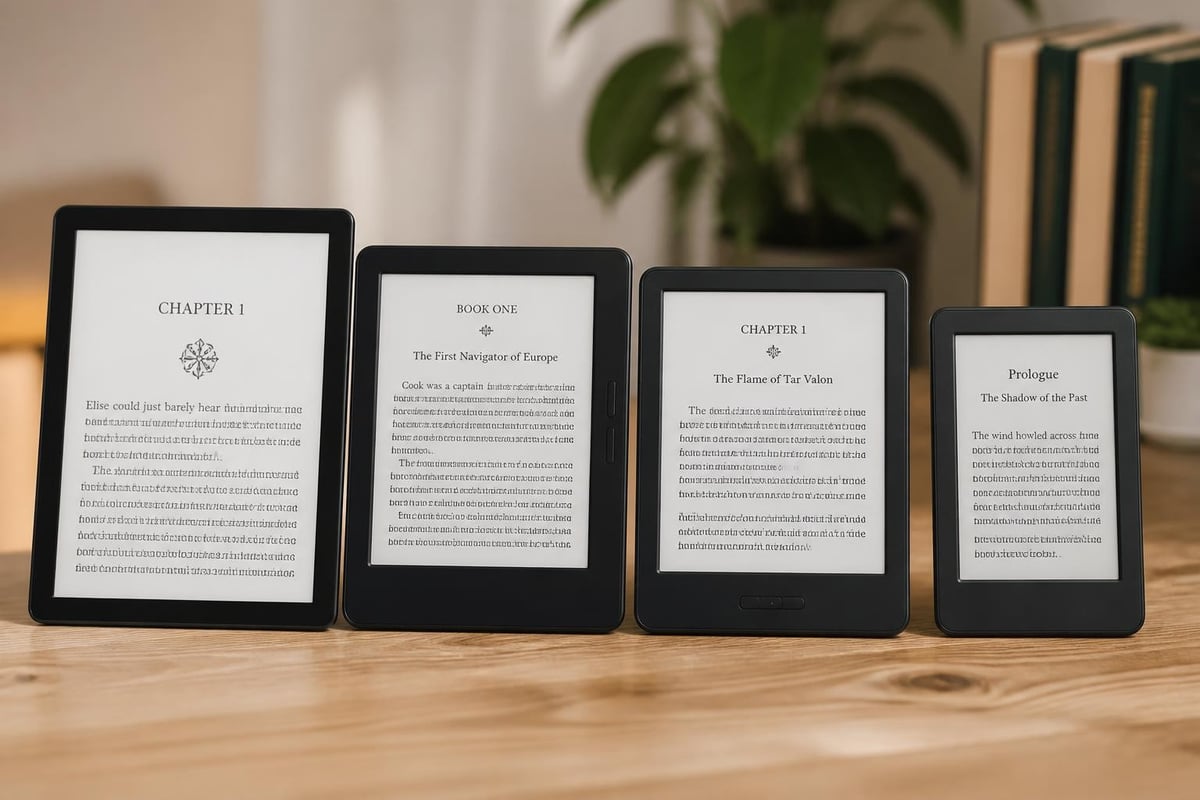
E Ink technology remains the gold standard for dedicated ebook readers. These displays mimic paper, reduce eye strain, and offer excellent battery life. Screen sizes range from compact 6-inch models perfect for portability to 7-inch and larger devices better suited for PDFs and graphic novels.
Modern ebook readers feature front-lighting systems that allow comfortable reading in any environment. Adjustable color temperature has become standard, letting you shift from cool blue tones during daytime to warm amber tones for evening reading.
Resolution matters significantly for text clarity. Most quality devices now offer 300 PPI (pixels per inch) or higher, ensuring crisp text rendering comparable to printed books. This specification was often inconsistent in older argos ebook reader inventory, where budget models sometimes compromised on display quality.
Storage Capacity and Battery Life
Storage requirements depend on your reading habits:
- 8GB models suit most readers, holding thousands of ebooks
- 16-32GB options accommodate large comic collections and audiobooks
- 64GB devices serve power users with extensive libraries
Battery life remains a standout advantage of dedicated ebook readers over tablets. Most devices last 4-6 weeks on a single charge with moderate daily use, far exceeding smartphone or tablet longevity.
Format Compatibility and Ecosystem Considerations
The argos ebook reader selection historically included devices supporting various formats, but today's market has become more fragmented. Understanding format compatibility prevents frustration and ensures you can access your preferred content sources.
Major eBook Formats in 2026
EPUB remains the industry standard open format, supported by most devices except Amazon Kindle. This format offers reflowable text, embedded fonts, and excellent typography control. Many ebook stores, including Tell eBook, provide content in EPUB format for maximum device compatibility.
MOBI and AZW3 are Amazon's proprietary formats, exclusive to Kindle devices and apps. Amazon's vast library makes this ecosystem appealing, though it creates vendor lock-in. Converting between formats requires additional software and effort.
PDF support varies significantly between devices. While all ebook readers can open PDFs, reading experience quality differs dramatically. Larger screens and devices with advanced PDF rendering handle technical documents and comics more effectively.
| Format | Compatibility | Best Use Case | DRM Considerations |
|---|---|---|---|
| EPUB | Universal (except Kindle) | Fiction, non-fiction | Can include DRM |
| MOBI/AZW3 | Kindle only | Amazon purchases | Always DRM-protected |
| Universal | Technical docs, comics | Open standard | |
| CBZ/CBR | Select devices | Comics, manga | Typically DRM-free |
Comparing Reading Experiences Across Devices
While the argos ebook reader era has passed, today's options offer superior reading experiences through technological advancement and refined software design.
Dedicated eReaders vs. Tablets
Dedicated ebook readers excel at their primary function. The E Ink displays reduce eye fatigue during extended reading sessions, battery life eliminates charging anxiety, and focused functionality minimizes distractions. Devices like those reviewed in Tom’s Guide’s comprehensive roundup demonstrate how specialized devices continue improving despite tablet competition.
Tablets offer versatility but compromise on reading-specific features. LCD and OLED screens emit blue light that can disrupt sleep patterns and cause eye strain. However, tablets support color content, video, web browsing, and apps beyond reading.
Waterproofing and Durability
Many modern ebook readers feature IPX8 waterproofing, allowing worry-free reading in bathtubs, at pools, or on beaches. This protection would have seemed luxurious during the argos ebook reader era but has become standard on mid-range and premium devices.
Build quality has improved substantially. Metal backs, tempered glass screens, and reinforced bezels protect devices from daily wear. Some manufacturers offer extended warranties and accidental damage protection, providing peace of mind for clumsy readers.
Integration with Digital Libraries and Bookstores
The decline of retailer-specific ebook readers like those from Argos coincided with the rise of integrated digital ecosystems. Understanding how devices connect with content sources helps maximize your investment.
Public Library Integration
OverDrive and Libby integration allows borrowing ebooks from public libraries directly to compatible devices. Kobo readers excel in this area, offering seamless library card integration. This feature provides access to thousands of titles without purchase, making ebook readers extraordinarily cost-effective for frequent readers.
Library compatibility varies by device. Kindle requires additional steps to borrow library books, while Kobo and other devices streamline the process. Exploring different platforms helps identify which ecosystem best serves your borrowing habits.
Independent Bookstore Support
Supporting independent bookstores has become easier through ebook readers that accept EPUB files from various sources. Readers can purchase from diverse ebook marketplaces and transfer files to their devices via USB or cloud services.
DRM-free content offers maximum flexibility. Purchasing from stores that provide unencrypted files ensures you truly own your books and can read them on any compatible device, now and in the future.
Advanced Features in Modern eBook Readers
Contemporary ebook readers offer capabilities that would have seemed futuristic during the argos ebook reader period. These features enhance the reading experience and expand device utility beyond simple page turning.
Note-Taking and Annotation
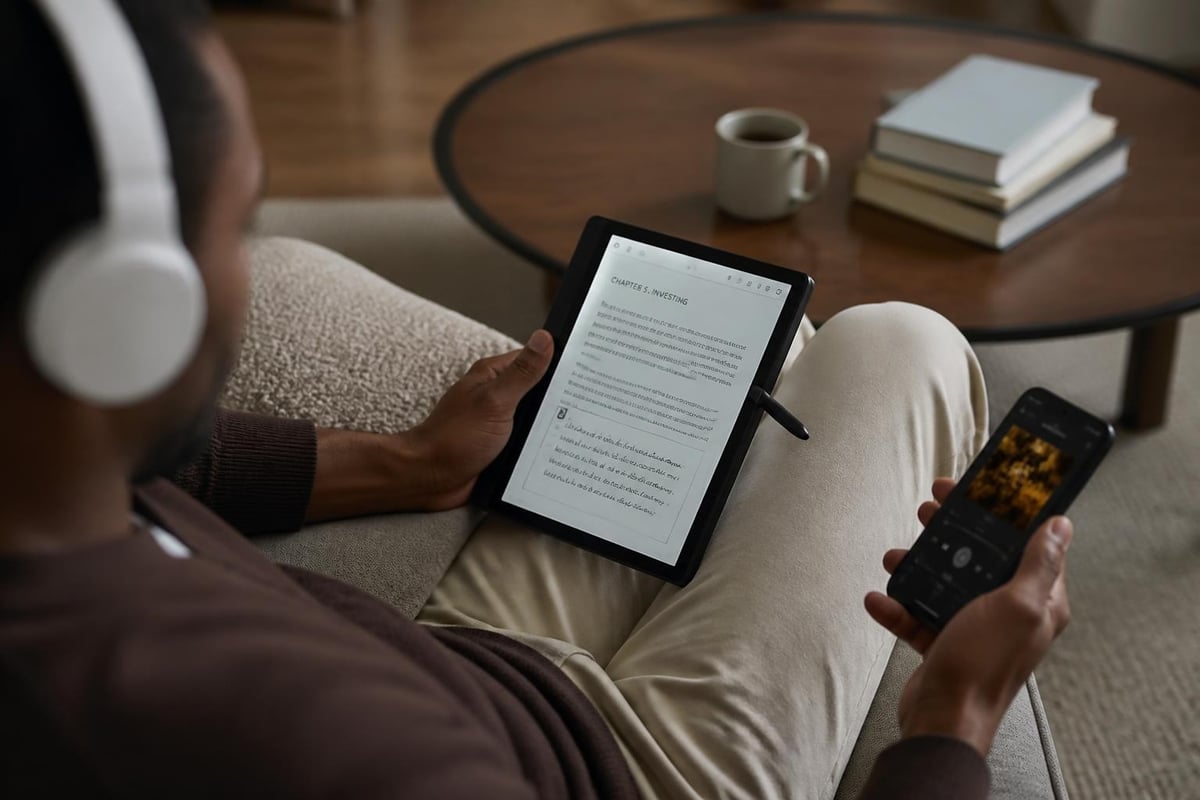
Digital note-taking has evolved significantly. Devices like the Onyx Boox Go Color 7 Gen II combine reading and writing capabilities, allowing readers to annotate directly on pages, highlight passages, and export notes for research purposes.
Handwriting recognition converts stylus input to text, making notes searchable and exportable. This functionality bridges the gap between traditional reading and modern productivity tools, appealing to students, researchers, and professionals.
Audiobook Capabilities
Bluetooth audio integration means many ebook readers now support audiobooks through wireless headphones or speakers. This dual functionality eliminates the need for separate devices, particularly valuable for titles available in both formats on platforms like Tell eBook’s diverse catalog.
Whispersync technology (Amazon's implementation) synchronizes reading position between ebook and audiobook formats, allowing seamless transitions between reading and listening.
Price Considerations and Value Assessment
Understanding pricing helps readers find devices that balance features with budget constraints. The market offers options at virtually every price point, from budget-friendly basic readers to premium note-taking devices.
Budget-Friendly Options ($99-$149)
Entry-level ebook readers provide solid reading experiences without advanced features. These devices typically offer:
- Standard 6-inch E Ink displays
- Front-lighting without color temperature adjustment
- 8GB storage
- Basic touchscreen functionality
- Limited waterproofing or durability features
Value proposition: Perfect for casual readers who primarily consume text-based fiction and non-fiction. The reading experience quality matches premium devices for standard ebooks.
Mid-Range Devices ($150-$249)
This category dominated the argos ebook reader selection historically and remains the sweet spot for most readers. Features include:
- Larger screen options (7-inch)
- Adjustable warm lighting
- Waterproofing (IPX8 rating)
- Enhanced storage (16-32GB)
- Improved build quality
Best for: Regular readers who want premium reading comfort without paying for advanced features they won't use. These devices handle diverse content types and last for years with proper care.
Premium eReaders ($250-$599)
High-end devices target power users and professionals:
- Color E Ink displays for comics and magazines
- Full Android OS for app installation
- Professional note-taking with pressure-sensitive styluses
- Large format screens (10+ inches) for PDFs and research
- Enhanced processing power for responsive performance
Making Your Purchase Decision
Choosing the right ebook reader in 2026 requires evaluating your specific needs against available options. While you can't walk into Argos and browse an argos ebook reader display, the purchasing process has become more informed and accessible.
Questions to Ask Before Buying
Where do you purchase ebooks? Ecosystem compatibility matters tremendously. If you've built an extensive Amazon library, Kindle makes sense. Readers who prefer independent bookstores and varied sources benefit from open-format devices like Kobo or PocketBook.
What content types do you consume? Text-heavy readers need different devices than comic enthusiasts or PDF-dependent students. Matching device specifications to content types ensures satisfaction.
How important is note-taking? Students and researchers should prioritize devices with robust annotation features, while leisure readers can skip these premium capabilities.
Where to Buy eBook Readers in 2026
Direct manufacturer purchases often provide the best prices and support. Amazon, Kobo, and other brands sell through their websites with frequent promotions and bundle deals.
Specialized electronics retailers offer hands-on demonstrations and expert advice. These stores let you compare devices side-by-side, evaluating screen quality and interface responsiveness before purchase.
Online marketplaces provide competitive pricing but require careful vendor verification. Purchase from authorized retailers to ensure warranty coverage and authentic products. Reviews from trusted sources like TechRadar’s ebook reader evaluations help validate product claims.
Maximizing Your eBook Reader Investment
Purchasing an ebook reader represents just the beginning. Optimizing settings, discovering features, and building an efficient reading workflow maximizes device value and enhances your reading life.
Essential Setup Steps
Immediately adjust lighting to match your environment. Most devices default to maximum brightness, which drains batteries and can cause eye strain. Calibrate color temperature based on time of day, using cooler tones during daylight and warmer settings in evening.
Configure font settings to your preference. Larger fonts reduce eye fatigue, while custom fonts provide aesthetic pleasure. Most devices support sideloading fonts, allowing complete typography customization.
Organize your library using collections or tags. This organization becomes crucial as your digital library grows beyond dozens of titles. Thoughtful categorization saves time and reduces frustration when selecting your next read.
Building Your Digital Library Strategically
Free classics provide an excellent starting point. Project Gutenberg and similar sources offer thousands of public domain titles in compatible formats. These books cost nothing and include literary masterpieces across all genres.
Library borrowing through OverDrive maximizes value without purchases. Most public libraries offer extensive digital collections, including recent bestsellers and specialized titles.
Strategic purchasing from platforms offering diverse ebook selections ensures you build a library aligned with your interests. Look for DRM-free options when possible to maintain long-term access regardless of device changes.
Content Discovery and Reading Enhancement
Modern ebook readers include features that extend beyond simple page display. These capabilities enhance comprehension, facilitate learning, and deepen engagement with texts.
Built-In Dictionaries and Translation
Instant definitions appear with a simple tap on unfamiliar words. This seamless reference eliminates the need to switch devices or interrupt reading flow. Many devices include multiple language dictionaries, supporting foreign language learning and international literature.
Translation features convert words or passages between languages, making international titles more accessible. This functionality has improved dramatically since the argos ebook reader era, now offering near-instantaneous translation through cloud services.
Reading Statistics and Goals
Progress tracking provides motivation and insight into reading habits. Devices calculate time remaining in chapters and books, helping readers plan reading sessions. Some platforms track cumulative reading time, pages read, and books completed annually.
Goal setting features encourage consistent reading habits. Setting daily time or page targets creates accountability and helps readers prioritize reading amid competing demands.
Environmental and Practical Benefits
Digital reading offers advantages beyond convenience. Understanding these benefits contextualizes why ebook readers remain relevant despite smartphone and tablet alternatives.
Sustainability Considerations
Reduced paper consumption benefits forests and reduces environmental impact. While ebook reader manufacturing involves resource extraction and energy use, studies suggest the environmental breakeven point occurs after reading approximately 20-30 books on a single device.
Extended device lifespan minimizes electronic waste. Quality ebook readers function effectively for 5-10 years, far exceeding typical smartphone upgrade cycles. Proper care and battery maintenance extend lifespan further.
Practical Advantages for Readers
Portability allows readers to carry entire libraries without physical weight. This convenience particularly benefits travelers, commuters, and students who previously juggled multiple heavy textbooks.
Accessibility features include adjustable font sizes, text-to-speech, and high-contrast modes that accommodate visual impairments and reading disabilities. These options make reading accessible to individuals who struggle with traditional print formats.
The Future of Digital Reading
While the argos ebook reader may represent a closed chapter in retail history, digital reading technology continues evolving. Understanding emerging trends helps readers anticipate future capabilities and make informed current purchases.
Emerging Technologies
Color E Ink advancement promises richer visual experiences without LCD drawbacks. Current color E Ink displays appear in premium devices, and technology improvements will likely bring vibrant color to mainstream ebook readers within 2-3 years.
AI integration may personalize reading experiences through intelligent recommendations, comprehension assistance, and content summarization. These features could transform how readers discover and engage with texts.
Flexible displays might enable foldable ebook readers that combine large reading surfaces with compact portability. Several manufacturers have demonstrated prototypes, suggesting commercial products could arrive in the late 2020s.
The digital reading landscape has evolved significantly since retailers like Argos actively promoted ebook readers, but the fundamental appeal of dedicated reading devices remains strong. Modern options offer superior displays, longer battery life, and enhanced features that serve readers better than ever. Whether you're transitioning from physical books or upgrading an older device, understanding current options ensures you select the perfect companion for your reading journey. Tell eBook provides the diverse digital content that brings these devices to life, offering extensive ebook and audiobook selections across fiction, business, comics, and biographies to match any reader's preferences and fill your new device with compelling stories.
Looking for ebooks to read on your e-reader? Browse the Tell eBook shop