

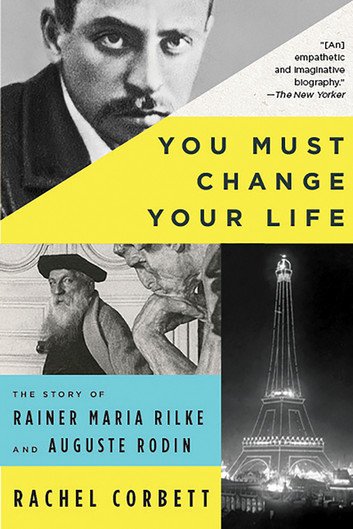
Description
You Must Change Your Life: The Transformative Story of Rainer Maria Rilke and Auguste Rodin
You Must Change Your Life by Rachel Corbett tells the remarkable story of two artistic giants. This book explores the profound relationship between poet Rainer Maria Rilke and sculptor Auguste Rodin. Moreover, it reveals how their connection transformed both men’s creative lives. The title comes from Rilke’s famous poem about encountering Rodin’s work.
A Life-Changing Artistic Encounter
In 1902, a struggling young poet arrived in Paris. Rainer Maria Rilke came to write about the famous sculptor Auguste Rodin. However, this assignment would change his entire artistic trajectory. The meeting sparked an extraordinary mentor-mentee relationship.
Rilke was twenty-six years old and searching for direction. Meanwhile, Rodin had already achieved international fame for his sculptures. The age difference was significant, yet their connection ran deep. Therefore, what began as a professional assignment became a transformative friendship.
The Power of Artistic Mentorship
Rachel Corbett masterfully captures the dynamics of creative mentorship. She shows how Rodin’s approach to sculpture revolutionized Rilke’s poetry. Additionally, she explores how the younger artist’s admiration affected Rodin. The relationship benefited both men in unexpected ways.
Rodin taught Rilke the importance of dedicated observation. He encouraged the poet to truly see the world around him. Consequently, Rilke developed a new approach to writing. He learned to describe objects with sculptural precision and depth.
How Rodin Changed Rilke’s Creative Process
The sculptor’s work ethic profoundly influenced the young poet. Rodin worked with relentless discipline and focus every single day. Furthermore, he approached his art with almost religious devotion. This dedication impressed Rilke deeply and permanently.
Rilke observed Rodin’s studio practices with fascination and wonder. He watched the master sculptor work with clay and stone. Moreover, he studied how Rodin approached each piece methodically. These observations transformed Rilke’s understanding of artistic creation.
The poet began applying sculptural principles to his writing. He crafted poems with the same attention to form. As a result, his work gained new depth and precision. His famous “thing poems” emerged from this transformative period.
The Book’s Central Themes
You Must Change Your Life explores several interconnected themes throughout its narrative. Corbett examines how great art demands complete transformation from its creators. Additionally, she investigates the nature of creative influence and inspiration. The book asks what artists owe to their mentors.
Key themes include:
- Artistic dedication: The total commitment required for creative excellence
- Transformation: How encounters with great art change us fundamentally
- Mentorship dynamics: The complex relationship between teacher and student
- Creative process: How artists develop their unique methods and approaches
- Observation: The importance of truly seeing the world around us
Rachel Corbett’s Approach to Biography
Corbett brings fresh perspective to this well-known artistic relationship. She writes with clarity and accessibility for general readers. However, she also provides depth that satisfies art history enthusiasts. Her research is thorough, yet her prose remains engaging.
The author draws on letters, journals, and historical documents. Moreover, she incorporates insights from art criticism and cultural history. She weaves these sources into a compelling narrative. Therefore, readers experience both scholarly rigor and storytelling pleasure.
The Historical Context of Their Meeting
Paris in 1902 was the center of the art world. The city buzzed with creative energy and artistic innovation. Additionally, it attracted ambitious artists from across Europe. Rilke arrived hoping to find his artistic voice there.
Rodin’s studio became a pilgrimage site for aspiring artists. His revolutionary sculptures challenged traditional academic approaches. Furthermore, his work influenced painters, writers, and musicians alike. He represented a new way of seeing and creating.
The cultural moment made their meeting particularly significant. Modernism was emerging across all artistic disciplines. Consequently, cross-pollination between art forms became increasingly common. Rilke and Rodin’s relationship exemplified this creative exchange.
Rilke’s Transformation Through Observation
Before meeting Rodin, Rilke’s poetry was often vague and abstract. He struggled to ground his work in concrete reality. However, Rodin taught him the power of careful observation. This lesson revolutionized the poet’s entire approach to writing.
Rodin encouraged Rilke to visit the zoo regularly. There, he should observe animals with complete attention and focus. Moreover, he should describe what he saw with precision. This exercise developed Rilke’s observational skills dramatically.
The poet began writing his famous “New Poems” during this period. These works demonstrated his newfound ability to capture physical reality. Additionally, they showed how observation could deepen emotional resonance. The poems combined concrete detail with profound feeling.
The Complexity of Their Relationship
The relationship between Rilke and Rodin wasn’t always smooth or easy. Initially, Rilke served as Rodin’s secretary for several months. However, tensions eventually arose between the two strong personalities. Their friendship experienced periods of distance and reconciliation.
Rodin eventually dismissed Rilke from his secretarial position abruptly. The poet felt hurt and confused by this rejection. Nevertheless, he continued to admire Rodin’s work deeply. Moreover, the lessons he learned remained central to his art.
Years later, the two men reconciled and renewed their friendship. The distance had allowed both to appreciate their connection differently. Therefore, their relationship matured into mutual respect between equals. They recognized how each had influenced the other’s development.
The Famous Poem That Inspired the Title
Rilke’s poem “Archaic Torso of Apollo” contains the book’s title phrase. The poem describes encountering an ancient Greek sculpture in fragments. Despite its incompleteness, the torso radiates transformative power and presence. The final line commands: “You must change your life.”
This phrase captures the book’s central message perfectly and powerfully. Great art demands transformation from those who truly encounter it. Moreover, it challenges us to live more fully and authentically. The imperative applies to artists and audiences alike.
Corbett uses this phrase to frame her entire narrative structure. She shows how Rodin’s art commanded Rilke to transform himself. Additionally, she explores how this transformation rippled through Rilke’s work. The phrase becomes a lens for understanding their relationship.
Lessons for Contemporary Readers
This book offers valuable insights for today’s creative professionals everywhere. It demonstrates the importance of finding the right mentors. Furthermore, it shows how dedication and discipline fuel artistic achievement. These lessons remain relevant across all creative fields.
Modern readers will appreciate Corbett’s accessible writing style throughout. She avoids academic jargon and pretentious language completely. Instead, she tells a compelling human story about growth. As a result, the book appeals to general readers widely.
The book also explores how we learn from those we admire. It examines the process of absorbing influence without losing individuality. Moreover, it shows how great teachers inspire rather than dictate. These insights apply beyond the artistic realm entirely.
The Role of Paris in Their Story
Paris serves as more than just a backdrop in this narrative. The city itself becomes a character shaping both artists’ development. Additionally, its artistic community provided essential context for their relationship. The Parisian atmosphere encouraged their creative experimentation.
Rilke’s letters describe Paris with vivid detail and emotional intensity. He found the city both inspiring and overwhelming initially. However, Rodin helped him navigate this complex urban environment. The sculptor showed him how to find beauty everywhere.
The book captures Paris during a pivotal historical moment beautifully. Corbett describes the cafes, studios, and galleries they frequented. Moreover, she evokes the intellectual ferment of the period. Readers feel transported to this exciting time and place.
Why This Book Matters Today
You Must Change Your Life resonates strongly with contemporary audiences seeking meaning. In our distracted age, it celebrates deep focus and dedication. Additionally, it reminds us that transformation requires sustained effort. These messages feel particularly urgent now.
The book also speaks to anyone seeking creative fulfillment today. It shows that artistic development requires patience and persistence. Moreover, it demonstrates the value of learning from masters. These timeless truths transcend specific historical moments.
Corbett’s work contributes significantly to our understanding of both artists. She illuminates aspects of their relationship previously overlooked or misunderstood. Furthermore, she connects their personal story to broader artistic movements. The book enriches our appreciation of both men’s achievements.
The Writing Style and Structure
Rachel Corbett writes with elegance and clarity throughout the book. Her sentences flow smoothly while conveying complex ideas accessibly. Additionally, she balances biographical detail with thematic exploration skillfully. The result is both informative and deeply engaging.
The book’s structure follows a roughly chronological path forward. However, Corbett weaves in thematic chapters that explore specific topics. This approach provides both narrative momentum and analytical depth. Therefore, readers enjoy both story and insight simultaneously.
Corbett includes fascinating details about both artists’ working methods. She describes Rodin’s studio practices and Rilke’s writing routines. Moreover, she explains how each man approached his craft. These concrete details make abstract concepts tangible and understandable.
Critical Reception and Impact
Critics praised the book widely upon its publication in 2016. Reviewers appreciated Corbett’s fresh approach to familiar material consistently. Additionally, they noted her ability to make art history accessible. The book received numerous positive reviews from major publications.
The work appeals to multiple audiences with different interests simultaneously. Art historians find new insights into both artists’ development. Meanwhile, general readers enjoy the compelling human story. Biography enthusiasts appreciate the nuanced portrait of creative friendship.
The book has introduced many readers to both Rilke and Rodin. Some discover the poet’s work for the first time here. Others gain new appreciation for the sculptor’s revolutionary approach. Consequently, the book serves as both introduction and deeper exploration.
Practical Takeaways for Aspiring Artists
Young artists will find concrete lessons throughout this inspiring narrative. The book demonstrates the importance of finding good mentors early. Additionally, it shows how observation skills can be developed deliberately. These practical insights complement the broader philosophical themes.
Rilke’s transformation offers a roadmap for artistic development today. He learned to combine discipline with inspiration effectively and consistently. Moreover, he discovered how to channel influence without losing originality. These lessons remain valuable for contemporary creators everywhere.
The book also emphasizes the importance of sustained effort. Neither Rilke nor Rodin achieved greatness through talent alone. Instead, they worked with relentless dedication over many years. Therefore, the book celebrates hard work alongside natural gifts.
The Enduring Legacy of Their Friendship
The relationship between Rilke and Rodin influenced twentieth-century art profoundly. Rilke’s poetry inspired countless writers and artists after him. Meanwhile, Rodin’s sculptures continued revolutionizing how we see the human form. Their mutual influence created ripples that continue spreading today.
Corbett traces how their ideas spread through subsequent artistic movements. She shows connections to later poets and sculptors clearly. Additionally, she demonstrates their ongoing relevance to contemporary art. The book positions them as foundational figures in modernism.
Their friendship also models how artists can learn from each other. It shows that creative exchange enriches both parties involved. Moreover, it demonstrates that influence flows in multiple directions. Even the master learned from his devoted student eventually.
Conclusion: A Must-Read for Art Lovers
You Must Change Your Life deserves a place on every art lover’s bookshelf permanently. Rachel Corbett has crafted a masterful exploration of creative transformation. The book illuminates how great art changes both creators and audiences. Moreover, it tells a deeply human story about friendship and growth.
Whether you’re familiar with Rilke and Rodin or discovering them fresh, this book delivers. It combines rigorous research with accessible, engaging prose throughout. Additionally, it offers insights that extend beyond these specific artists. The lessons about creativity, dedication, and transformation apply universally.
Pick up this book and prepare for your own transformation. You’ll emerge with deeper appreciation for both artists’ achievements. Furthermore, you’ll understand how art demands we change our lives. This powerful message resonates as strongly today as when Rilke first wrote it.



Reviews
There are no reviews yet.