

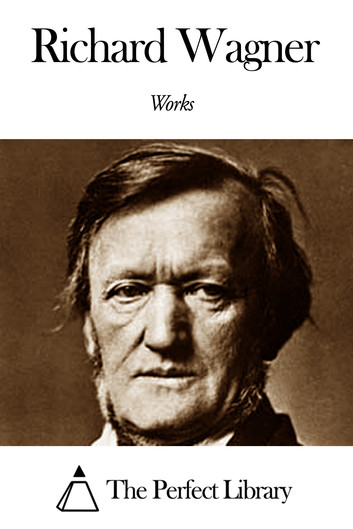
Description
Works of Richard Wagner: A Complete Synopsis of Wagner’s Revolutionary Essays
The Works of Richard Wagner stands as one of the most important collections of theoretical writings in the history of opera and theater. Published by The Perfect Library in 2013, this e-book compilation brings together seven groundbreaking prose works. These essays reveal Wagner’s visionary ideas about art, revolution, and the future of performance. Moreover, they showcase his concept of the Gesamtkunstwerk, or total work of art.
Understanding the Works of Richard Wagner Collection
This collection captures Wagner’s most influential theoretical writings from the mid-19th century. Furthermore, it provides readers with direct access to the composer’s revolutionary thinking. The essays span topics from politics to aesthetics. Additionally, they explore the relationship between different art forms. Wagner wrote these works during a period of intense creative and political upheaval.
The seven prose works included demonstrate Wagner’s brilliance as both artist and thinker. Therefore, readers gain insight into the mind behind some of opera’s greatest masterpieces. These writings shaped not only Wagner’s own compositions but also influenced generations of artists.
Richard Wagner: Composer and Revolutionary Thinker
Richard Wagner transformed opera forever through his compositions and theoretical writings. Born in 1813, he became one of history’s most controversial and influential artists. However, his impact extended far beyond music alone. Wagner developed comprehensive theories about art’s role in society.
His involvement in the 1849 Dresden uprising forced him into exile. Consequently, he had time to develop his artistic theories in depth. During this period, Wagner wrote his most important prose works. These essays articulated his vision for a new kind of theater.
Wagner believed that art could transform society fundamentally. Moreover, he argued that opera had lost its way. He sought to return drama to its ancient Greek roots. Additionally, he wanted to unite all arts into one powerful experience.
The Concept of Gesamtkunstwerk in the Works of Richard Wagner
Wagner’s most famous contribution to artistic theory is the Gesamtkunstwerk concept. This German term means “total work of art.” Furthermore, it describes Wagner’s vision of unified artistic expression. He believed music, drama, poetry, and visual arts should merge completely.
Traditional opera separated these elements, Wagner argued. Therefore, the art form had become shallow and commercial. He wanted to create performances where every element served the drama. Additionally, no single art form would dominate the others.
This revolutionary idea influenced theater, film, and multimedia art for generations. Moreover, it changed how artists thought about collaboration and integration. The Gesamtkunstwerk remains relevant to contemporary discussions about interdisciplinary art.
“Art and Revolution”: Wagner’s Political and Artistic Manifesto
“Art and Revolution” represents Wagner’s most politically charged essay. Written in 1849, it reflects the revolutionary fervor of that turbulent year. Furthermore, it connects artistic renewal with social transformation. Wagner argues that true art cannot flourish under oppressive conditions.
The essay examines ancient Greek theater as an ideal model. However, Wagner notes that modern society has corrupted this ideal. He criticizes how capitalism has turned art into mere entertainment. Additionally, he calls for revolutionary change in both society and art.
Wagner believed that art should serve the entire community, not just elites. Therefore, he advocated for publicly funded theaters accessible to everyone. This essay reveals Wagner’s utopian vision for art’s social role. Moreover, it shows how deeply he connected politics with aesthetics.
“The Artwork of the Future”: Envisioning a New Theater
“The Artwork of the Future” expands Wagner’s vision of the Gesamtkunstwerk. Published in 1849, this essay outlines his ideal theatrical experience. Furthermore, it describes how different arts should combine harmoniously. Wagner presents a detailed blueprint for future opera.
The essay argues that poetry, music, and dance must unite completely. However, this unity requires abandoning old operatic conventions. Wagner criticizes Italian opera for prioritizing vocal display over drama. Additionally, he rejects the separation between recitative and aria.
He envisions performances where every moment serves the dramatic truth. Therefore, singers become actor-musicians rather than mere vocalists. The orchestra participates actively in storytelling. Moreover, staging and design contribute equally to the total effect.
This essay influenced not only opera but also modern theater practices. Consequently, directors and designers still reference Wagner’s ideas today. His vision anticipated many 20th-century theatrical innovations.
“Opera and Drama”: Wagner’s Comprehensive Treatise
“Opera and Drama” stands as Wagner’s longest and most detailed theoretical work. Written between 1850 and 1851, it systematically develops his artistic philosophy. Furthermore, it analyzes opera’s history and proposes radical reforms. This treatise became the foundation for Wagner’s mature compositional style.
The work divides into three major sections examining different aspects of opera. Moreover, Wagner traces opera’s development from its Renaissance origins. He identifies where the art form went wrong. Additionally, he prescribes solutions for its renewal.
The Problem with Traditional Opera
Wagner argues that conventional opera prioritizes music over drama incorrectly. Therefore, the dramatic content becomes merely an excuse for musical display. Singers focus on vocal technique rather than emotional truth. However, Wagner believes drama should guide all musical choices.
He criticizes the “absolute melody” approach of Italian opera. Furthermore, he rejects the number opera format with its discrete arias. These conventions interrupt dramatic flow, Wagner contends. Additionally, they prevent genuine emotional engagement.
Wagner’s Solution: The Music Drama
Wagner proposes replacing opera with what he calls “music drama.” This new form makes drama the primary element. Moreover, music serves to intensify and deepen dramatic expression. The orchestra becomes a psychological commentator on the action.
He introduces the concept of leitmotifs—recurring musical themes representing characters and ideas. Therefore, the music can convey subtext and foreshadowing. The vocal line follows natural speech patterns. Additionally, continuous music replaces separate numbers.
Other Essential Essays in the Collection
Beyond the three major works, this collection includes four additional important essays. These shorter pieces address specific aspects of Wagner’s artistic vision. Moreover, they provide context for understanding his larger theories.
The additional essays cover topics such as:
- The relationship between music and poetry
- The role of the conductor in realizing dramatic vision
- Staging principles for music drama
- The economic and social conditions necessary for true art
Furthermore, these writings show Wagner’s thinking evolving over time. They reveal his responses to critics and contemporaries. Additionally, they demonstrate his engagement with broader cultural debates.
Wagner’s Influence on Theater and Opera
The impact of Wagner’s theoretical writings cannot be overstated. His ideas revolutionized how artists approached theatrical performance. Moreover, his influence extended far beyond opera into spoken theater and film.
Directors like Adolphe Appia and Gordon Craig built upon Wagner’s staging concepts. Therefore, modern theater design owes much to his vision. The idea of the director as unified artistic vision-holder stems from Wagner.
His emphasis on dramatic truth influenced naturalistic and realistic theater movements. However, symbolist and expressionist artists also drew inspiration from his work. Wagner’s theories proved flexible enough to support diverse artistic approaches.
Impact on Film and Multimedia Art
Wagner’s Gesamtkunstwerk concept anticipated cinema’s multimedia nature. Consequently, early film theorists referenced his ideas frequently. The integration of image, sound, and narrative in film reflects Wagnerian principles.
Contemporary multimedia and installation art also echoes Wagner’s vision. Moreover, his ideas about immersive audience experience remain relevant. Virtual reality and interactive art continue exploring total artwork possibilities.
Historical Context: The Revolutionary Period of 1849
Understanding Wagner’s prose works requires knowing their historical context. The year 1849 marked a period of revolutionary upheaval across Europe. Furthermore, Wagner actively participated in the Dresden uprising that year.
The failed revolutions of 1848-1849 sought democratic reforms and national unification. However, conservative forces crushed these movements violently. Wagner’s involvement forced him into Swiss exile for over a decade.
This political experience deeply influenced his theoretical writings. Therefore, his essays connect artistic revolution with social transformation. He believed that genuine art required a free society. Additionally, he argued that political change must accompany artistic renewal.
The revolutionary context explains Wagner’s utopian and radical tone. Moreover, it clarifies his critique of commercial entertainment culture. His writings reflect both hope for transformation and frustration with existing conditions.
What Readers Gain from These Writings
The Works of Richard Wagner offers readers multiple valuable insights and benefits. These essays provide essential background for understanding Wagner’s operas. Moreover, they illuminate broader questions about art’s nature and purpose.
For Wagner Enthusiasts
Fans of Wagner’s music gain deeper appreciation through these theoretical works. Furthermore, they understand the principles guiding his compositional choices. The essays explain why his operas differ so dramatically from earlier works.
Readers discover the philosophical foundations of Wagner’s artistic practice. Therefore, they can trace connections between theory and musical realization. This knowledge enriches the experience of attending or listening to Wagner’s operas.
For Students of Theater and Opera
Theater practitioners and students find practical wisdom in these essays. Moreover, Wagner’s ideas about staging and performance remain relevant today. His emphasis on unified artistic vision influences contemporary directing practice.
The writings raise fundamental questions about theatrical art’s purpose and methods. Additionally, they provide historical perspective on modern performance practices. Students gain vocabulary and concepts for discussing theatrical aesthetics.
For Art Theory and Philosophy Readers
Wagner’s essays contribute significantly to aesthetic philosophy and art theory. Furthermore, they address timeless questions about art’s relationship to society. His arguments about artistic autonomy versus social engagement remain debated today.
The concept of the Gesamtkunstwerk influences discussions across artistic disciplines. Therefore, scholars in various fields reference Wagner’s theoretical contributions. His writings bridge practical artistry and philosophical speculation.
Relevance for Modern Readers
Despite being written over 170 years ago, Wagner’s essays maintain surprising contemporary relevance. Moreover, many issues he addressed continue challenging artists today. His writings speak to ongoing debates about art’s purpose and practice.
Contemporary Artistic Collaboration
Wagner’s vision of unified artistic collaboration resonates with modern interdisciplinary practice. Furthermore, contemporary artists increasingly work across traditional boundaries. The Gesamtkunstwerk concept provides a framework for understanding collaborative creation.
Theater companies, opera houses, and multimedia artists still grapple with integration challenges. Therefore, Wagner’s insights about balancing different artistic elements remain valuable. His emphasis on serving dramatic truth over individual display guides many practitioners.
Art and Commerce
Wagner’s critique of commercialized entertainment feels remarkably current. Moreover, today’s artists face similar pressures to prioritize marketability over substance. His arguments about art’s social mission versus profit motives continue resonating.
The tension between artistic integrity and commercial success remains unresolved. Therefore, Wagner’s passionate defense of art’s higher purpose inspires contemporary artists. His vision of publicly supported art challenges market-driven cultural production.
Immersive Experience Design
Wagner’s ideas about total artistic experience anticipate contemporary immersive theater and installation art. Furthermore, his emphasis on audience engagement prefigures interactive performance. Modern experience designers can learn from his theoretical framework.
The rise of immersive technologies makes Wagner’s Gesamtkunstwerk concept newly relevant. Therefore, virtual reality creators and game designers reference his ideas. His vision of enveloping audiences in unified artistic worlds finds new technological possibilities.
Approaching Wagner’s Prose Style
Readers should prepare for Wagner’s dense and passionate prose style. Moreover, his essays reflect 19th-century German philosophical writing conventions. The arguments develop systematically but require patient attention.
Wagner writes with intense conviction and occasional polemical excess. However, his enthusiasm for his subject matter proves infectious. He combines abstract theorizing with concrete practical examples. Additionally, he draws on wide-ranging cultural and historical references.
Modern readers may find some passages challenging or dated. Nevertheless, the core ideas remain powerful and thought-provoking. Furthermore, the essays reveal Wagner’s brilliant and complex personality. His writing demonstrates the same dramatic intensity found in his music.
The Perfect Library Edition
The Perfect Library’s 2013 e-book edition makes these essential texts accessible. Moreover, the digital format allows easy searching and reference. Readers can navigate between essays conveniently.
This collection gathers the most important theoretical writings in one volume. Therefore, readers need not search multiple sources for Wagner’s prose works. The edition provides a comprehensive introduction to Wagner’s theoretical legacy.
The e-book format suits both casual reading and serious study. Furthermore, it enables readers to highlight and annotate passages easily. Students and researchers benefit from the portable, searchable text.
Conclusion
The Works of Richard Wagner represents an indispensable collection for anyone interested in opera, theater, or artistic theory. These seven essays showcase Wagner’s revolutionary vision and profound influence. Moreover, they demonstrate how one artist’s ideas transformed multiple art forms permanently.
Wagner’s concept of the Gesamtkunstwerk changed how artists think about integration and collaboration. Furthermore, his emphasis on dramatic truth over convention continues guiding performers and directors. His critique of commercialized art remains relevant to contemporary cultural debates.
Reading these essays provides essential context for understanding Wagner’s operatic masterpieces. Additionally, they offer valuable insights for theater practitioners and students. The writings raise fundamental questions about art’s nature, purpose, and social role.
Despite their 19th-century origins, Wagner’s ideas speak powerfully to modern concerns. Therefore, contemporary artists and thinkers still engage with his theoretical legacy. The collection demonstrates how visionary thinking transcends its historical moment.
Whether you approach these works as a Wagner enthusiast, theater student, or general reader, you will find rich rewards. The essays challenge, inspire, and provoke in equal measure. They reveal the passionate intellect behind some of Western culture’s most powerful artistic achievements.




Reviews
There are no reviews yet.