

Description
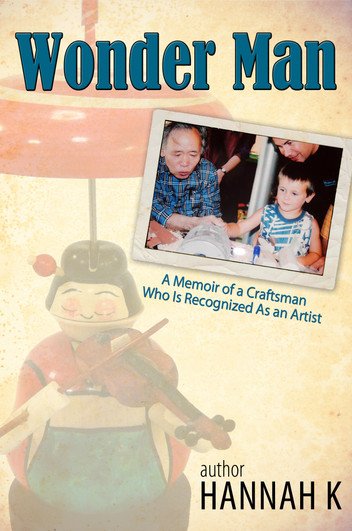
Wonder Man Memoir: The Inspiring Story of a Japanese Craftsman Who Became a Celebrated Artist
Discover the Wonder Man Memoir and Masaaki Hiroi’s Extraordinary Journey
The Wonder Man memoir by Hannah K tells the remarkable story of Masaaki Hiroi. This inspiring book chronicles a fourth-generation Japanese toymaker’s incredible journey. Moreover, it reveals how a humble craftsman earned recognition as a true artist. Therefore, readers discover an unforgettable tale of dedication, tradition, and creative excellence.
Masaaki Hiroi was born in 1935 in Tokyo, Japan. His family had crafted traditional toys for generations before him. Furthermore, he inherited a legacy that stretched back centuries. Consequently, his life’s work would honor and transform that heritage.
This memoir celebrates the intersection of craft and art. Additionally, it explores what separates a skilled worker from a recognized artist. Therefore, readers gain profound insights into creativity and mastery.
The Legacy of Edo Spinning Tops
Masaaki Hiroi specialized in creating Edo spinning tops throughout his career. These traditional Japanese toys originated during the Edo Period (1603-1867). Moreover, they represent centuries of Japanese cultural heritage and craftsmanship.
Edo tops are hand-carved wooden toys with intricate designs. Furthermore, they spin with remarkable balance and beauty when properly crafted. Additionally, each top requires exceptional skill and patience to create.
The art of making these tops nearly disappeared in modern Japan. However, Hiroi dedicated himself to preserving this ancient tradition. Therefore, he became one of the last masters of this dying art.
His tops weren’t merely functional toys for children to enjoy. Instead, they became recognized as miniature works of art. Consequently, collectors and museums sought his creations worldwide.
From Fourth-Generation Craftsman to Recognized Artist
The Wonder Man memoir explores Hiroi’s transformation from craftsman to artist. He inherited his family’s toy-making business as a young man. Moreover, he initially followed traditional methods passed down through generations.
However, Hiroi possessed a unique creative vision beyond simple replication. Furthermore, he began experimenting with new designs and techniques. Therefore, his work evolved while still honoring traditional foundations.
Over fifty years, he created almost 4,000 handcrafted spinning tops. Additionally, each piece reflected his growing mastery and artistic sensibility. Consequently, the art world began recognizing his exceptional talent.
The distinction between craftsman and artist became blurred in his work. Moreover, critics and collectors acknowledged his creations as genuine art. Therefore, Hiroi achieved recognition that few traditional craftsmen ever receive.
The Art of Hand-Carved Wooden Toys
Hiroi’s creative process combined ancient techniques with modern innovation. He used traditional lathe-turning methods to shape each wooden top. Furthermore, he hand-carved intricate details with remarkable precision and care.
Traditional Edo Tops
His traditional Edo tops followed centuries-old design principles perfectly. Moreover, they featured classic patterns and balanced proportions. Additionally, they spun with the smooth grace that defined authentic Edo craftsmanship.
Each traditional top required hours of meticulous work to complete. Furthermore, Hiroi selected woods carefully for their grain and properties. Therefore, every piece achieved optimal balance and spinning performance.
Collectors valued these traditional tops for their historical authenticity. Moreover, they appreciated Hiroi’s faithful adherence to ancient standards. Consequently, his traditional work preserved cultural heritage for future generations.
Modern Automaton Figures and Humorous Creations
Beyond traditional tops, Hiroi created innovative modern automaton figures. These mechanical toys demonstrated his playful creativity and technical skill. Moreover, they showed how traditional techniques could produce contemporary art.
His humorous mechanical toys became particularly famous and beloved. Furthermore, he created whimsical “noodle eater” spinning tops that delighted audiences. Additionally, these pieces showcased his sense of humor and imagination.
These modern creations bridged past and present beautifully and effectively. Moreover, they proved that traditional craftsmanship could remain relevant today. Therefore, younger generations gained appreciation for ancient toy-making arts.
Key Themes in the Wonder Man Memoir
Hannah K’s memoir explores several powerful themes throughout Hiroi’s life:
Major Themes Include:
- The journey from craftsman to recognized artist
- Preserving ancient traditions in the modern world
- The intersection of functionality and artistic beauty
- Dedication and mastery through decades of practice
- Cultural heritage and its importance to identity
- Innovation within traditional frameworks
- The value of handmade objects in the mass-production era
- Passion and purpose in one’s life work
Moreover, the book examines what defines true artistry versus mere skill. Nevertheless, it celebrates both craftsman’s precision and artist’s vision. Therefore, readers understand the complexity of creative recognition and achievement.
Fifty Years of Dedication and Mastery
Masaaki Hiroi worked continuously for over five decades, creating his art. His dedication to his craft never wavered throughout his long career. Furthermore, he approached each new piece with fresh enthusiasm and care.
He famously said he wanted to work until he was 200 years old. Moreover, this statement revealed his deep passion for his creative work. Therefore, his commitment inspired everyone who learned about his story.
Even as he gained international recognition, Hiroi remained humble and focused. Additionally, he continued refining his techniques throughout his entire life. Consequently, his later works showed even greater mastery than earlier pieces.
His workshop became a place of pilgrimage for craft enthusiasts worldwide. Moreover, visitors marveled at his skill and dedication to excellence. Therefore, he influenced countless other artists and craftsmen globally.
National and International Recognition
The Wonder Man memoir documents Hiroi’s rise to international acclaim. Initially, he was known only within Tokyo’s traditional craft community. However, his exceptional work gradually attracted wider attention and appreciation.
Japanese cultural organizations began recognizing his contributions to traditional arts. Furthermore, museums started acquiring his pieces for their permanent collections. Additionally, art critics wrote about his work in prestigious publications.
His reputation soon spread beyond Japan to international audiences as well. Moreover, collectors from around the world sought his handcrafted spinning tops. Therefore, Hiroi became an ambassador for Japanese traditional crafts globally.
Exhibitions featuring his work appeared in galleries across multiple continents. Furthermore, he received invitations to demonstrate his techniques at cultural events. Consequently, he helped preserve and promote Japanese toy-making traditions worldwide.
The Philosophy Behind the Craft
Hiroi’s approach to his work reflected deep philosophical principles and values. He believed that every object deserved the maker’s complete attention. Moreover, he saw no distinction between functional items and fine art.
His philosophy emphasized patience, precision, and respect for materials used. Furthermore, he taught that true mastery required decades of dedicated practice. Therefore, he embodied the traditional Japanese concept of lifelong learning.
He viewed each spinning top as a meditation on balance. Additionally, he believed his work connected past generations with future ones. Consequently, his creations carried meaning far beyond their physical form.
The memoir explores how this philosophy guided his entire career. Moreover, it shows how traditional values can thrive in modern contexts. Therefore, readers gain wisdom applicable to their own creative pursuits.
Preserving Ancient Japanese Toy-Making Traditions
Masaaki Hiroi played a crucial role in preserving endangered cultural traditions. The art of Edo spinning top creation was nearly extinct. However, his dedication ensured these ancient techniques survived into modern times.
He documented traditional methods carefully for future generations to learn. Furthermore, he occasionally took on apprentices to pass down his knowledge. Additionally, he participated in cultural preservation programs throughout Japan.
His work demonstrated that traditional crafts could remain economically viable today. Moreover, he proved that handmade objects still held value and appeal. Therefore, he inspired others to pursue traditional craft careers as well.
The memoir emphasizes the importance of cultural preservation through practice. Furthermore, it shows how individual dedication can save endangered traditions. Consequently, Hiroi’s legacy extends beyond his physical creations to cultural impact.
The Author: Hannah K
Hannah K wrote this memoir to share Hiroi’s inspiring story widely. Her writing makes traditional Japanese craftsmanship accessible to international audiences. Moreover, she captures both the technical and emotional aspects beautifully.
The author conducted extensive research to create this comprehensive portrait. Furthermore, she likely interviewed Hiroi and people who knew him well. Therefore, the memoir offers authentic insights into his life and work.
Her writing style balances informative content with engaging narrative storytelling. Additionally, she explains technical craft details in understandable terms for readers. Consequently, the book appeals to both craft enthusiasts and general audiences.
Published by eBookIt.com in 2013, the memoir reached readers worldwide. Moreover, it introduced Hiroi’s work to people who might never visit Japan. Therefore, Hannah K’s contribution to preserving his legacy proves invaluable.
Why This Memoir Matters Today
The Wonder Man memoir remains profoundly relevant in our contemporary world. It reminds us of handmade objects’ value in our mass-production era. Moreover, it celebrates the human capacity for dedication and mastery.
Hiroi’s story resonates with current discussions about preserving cultural heritage. Furthermore, it demonstrates how traditional skills can adapt without losing authenticity. Therefore, his example offers guidance for modern craftspeople and artists.
The book inspires readers to pursue excellence in their own fields. Additionally, it shows that recognition and success require decades of patient work. Consequently, it provides a counterpoint to our culture’s obsession with instant success.
His journey from craftsman to artist challenges conventional category boundaries. Moreover, it questions what truly defines art versus functional craft. Therefore, the memoir contributes to important ongoing conversations about creativity.
What Readers Will Discover
This memoir offers readers multiple rewards and valuable insights throughout. First, they’ll learn about an overlooked master of traditional Japanese crafts. Second, they’ll understand the dedication required to achieve true mastery.
Readers will discover the fascinating world of Edo spinning tops. Furthermore, they’ll appreciate the skill required to create these deceptively simple objects. Additionally, they’ll see how traditional techniques produce contemporary artistic value.
The book includes details about Hiroi’s creative process and philosophy. Moreover, it explains how he balanced tradition with personal innovation. Therefore, artists and craftspeople gain practical wisdom for their work.
Personal anecdotes bring Masaaki Hiroi to life on every page vividly. Furthermore, readers feel they’ve met this remarkable man through Hannah K’s writing. Consequently, his story becomes personally meaningful and deeply inspiring to audiences.
Lessons from a Master Craftsman
Hiroi’s life teaches valuable lessons applicable far beyond toy-making specifically. His dedication demonstrates the power of focused, sustained effort over time. Moreover, his humility shows that true masters never stop learning.
He proved that traditional skills remain valuable in the modern world. Furthermore, he showed how innovation can enhance rather than replace tradition. Therefore, his example guides anyone working within established creative frameworks.
His playful spirit reminds us that serious work can include joy. Additionally, his humorous creations show that art needn’t be solemn always. Consequently, he models a balanced approach to creative life and work.
The memoir reveals how passion sustains us through decades of practice. Moreover, it shows that recognition, while gratifying, shouldn’t be the primary goal. Therefore, readers learn to find fulfillment in the work itself primarily.
The Journey from Craft to Art
The central theme of this memoir explores craft’s transformation into art. Hiroi’s spinning tops began as functional toys for children’s entertainment. However, they evolved into collectible artworks displayed in museums and galleries.
This transformation didn’t happen overnight or through single dramatic moments. Instead, it resulted from decades of refinement and growing recognition. Therefore, the memoir illustrates that artistic recognition requires sustained excellence.
The book questions what separates craft from art in meaningful ways. Moreover, it suggests the distinction may be less important than commonly believed. Consequently, readers reconsider their assumptions about creativity and artistic value.
Hiroi never abandoned his identity as a craftsman despite artistic recognition. Furthermore, he continued viewing his work through a craftsman’s practical lens. Therefore, he embodied the unity of craft and art perfectly.
Legacy and Lasting Impact
Masaaki Hiroi passed away in 2019, but his legacy endures powerfully. His nearly 4,000 spinning tops continue delighting collectors and museums worldwide. Moreover, his techniques and philosophy influence contemporary craftspeople and artists globally.
The memoir ensures that his story won’t fade from cultural memory. Additionally, it inspires new generations to pursue traditional crafts with dedication. Consequently, his influence extends far beyond his physical creations alone.
His work preserved ancient toy-making traditions for future generations to appreciate. Furthermore, he demonstrated that traditional crafts could achieve contemporary artistic recognition. Therefore, he opened doors for other traditional craftspeople seeking similar acknowledgment.
His life proves that one person’s dedication can preserve endangered traditions. Moreover, it shows how individual excellence can achieve international cultural impact. Therefore, Hiroi’s story offers hope for all traditional arts worldwide.
Conclusion: An Essential Memoir for Our Times
The Wonder Man memoir by Hannah K deserves wide readership today. This inspiring book tells a story we desperately need right now. Moreover, it celebrates values often overlooked in our fast-paced modern world.
Readers interested in Japanese culture will find valuable insights throughout. Furthermore, craft enthusiasts will discover an underappreciated master worth celebrating deeply. Additionally, anyone seeking inspiration will find Hiroi’s dedication profoundly moving.
The memoir succeeds on multiple levels simultaneously and beautifully. It works as biography, cultural history, and philosophical meditation together. Therefore, it appeals to diverse reading interests and various audience types.
Hannah K has created an important document of cultural preservation. Moreover, she’s written an engaging narrative that honors her remarkable subject. Consequently, this memoir stands as a fitting tribute to Masaaki Hiroi.
His story reminds us that mastery requires patience, dedication, and time. Furthermore, it shows how traditional skills remain valuable in contemporary contexts. Therefore, Masaaki Hiroi’s life and work continue inspiring us profoundly today.
This memoir preserves one master craftsman’s journey for future generations worldwide. Moreover, it celebrates the human capacity for excellence and creative dedication. Pick up this book and discover why the Wonder Man’s story matters now more than ever before.


Reviews
There are no reviews yet.