

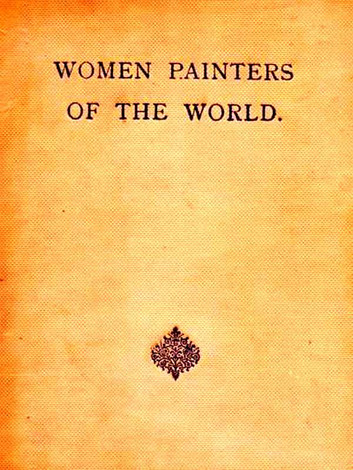
Description
Women Painters of the World: A Comprehensive Historical Survey of Female Artists from 1413 to the Early 20th Century
Introduction: Celebrating Women Painters Throughout History
Women painters have shaped art history in profound and lasting ways. However, their contributions have often been overlooked or minimized. Walter Shaw Sparrow’s groundbreaking compilation addresses this historical oversight. Moreover, it brings together centuries of artistic achievement by women painters from around the globe.
This remarkable e-book spans five centuries of artistic excellence. Furthermore, it documents the lives and works of female artists who defied societal constraints. Consequently, readers gain access to a treasure trove of forgotten masterpieces and inspiring stories.
The collection begins with Caterina Vigri in 1413. Additionally, it extends through Rosa Bonheur’s era into the early 20th century. Therefore, this comprehensive survey offers an unparalleled view of women’s artistic evolution.
The Historical Significance of This Groundbreaking Collection
Walter Shaw Sparrow compiled this anthology during a pivotal moment in art history. Specifically, he recognized that female artists deserved proper documentation and recognition. As a result, his editorial work preserved countless stories that might have been lost forever.
The book emerged when women’s rights movements were gaining momentum. Consequently, it served both as a historical record and contemporary advocacy. Indeed, Sparrow’s work validated the artistic legitimacy of women painters across generations.
This collection challenged prevailing assumptions about artistic genius and gender. Moreover, it demonstrated that talent transcends social barriers and cultural limitations. Therefore, the book became an essential reference for scholars and art enthusiasts alike.
Caterina Vigri: The Starting Point of a Remarkable Journey
Caterina Vigri (1413-1463) opens this extraordinary chronicle of women painters. She was an Italian Poor Clare nun who created illuminated manuscripts. Additionally, she painted religious works that displayed remarkable technical skill and spiritual depth.
Vigri’s inclusion establishes the book’s historical foundation. Furthermore, her story illustrates the challenges medieval women artists faced. Nevertheless, she persevered and created works that survived centuries of neglect.
Her artistic legacy includes breviary illustrations and devotional paintings. Moreover, her work demonstrates the sophisticated techniques available to educated women of her era. Thus, Vigri represents the beginning of a long tradition of female artistic excellence.
Rosa Bonheur: A Revolutionary Force in 19th-Century Art
Rosa Bonheur is among the most celebrated women painters in history. Born in 1822, she achieved international fame during her lifetime. Furthermore, she broke numerous barriers for female artists in the 19th century.
Bonheur specialized in animal paintings with extraordinary realism and detail. Additionally, she challenged gender norms by wearing men’s clothing to study animals. Consequently, she gained access to spaces typically forbidden to women of her time.
Her masterpiece “The Horse Fair” brought her worldwide recognition and commercial success. Moreover, she became the first woman to receive the French Legion of Honor. Therefore, Bonheur exemplifies the pinnacle of achievement covered in Sparrow’s compilation.
The Scope and Structure of the Collection
Geographical Diversity Among Women Painters
This anthology features artists from numerous countries and cultural backgrounds. Specifically, it includes painters from Europe, America, and other regions. As a result, readers encounter a truly global perspective on women’s artistic contributions.
The geographical breadth demonstrates that artistic talent emerged worldwide despite restrictive social conditions. Moreover, it reveals how different cultures shaped female artists’ opportunities and styles. Thus, the collection offers comparative insights into women’s experiences across borders.
Chronological Organization and Historical Context
Sparrow organized the material chronologically to show artistic evolution over time. Furthermore, this structure reveals changing attitudes toward women painters across centuries. Consequently, readers can trace progress and setbacks in women’s artistic recognition.
Each era presented unique challenges and opportunities for female artists. Additionally, the chronological approach highlights influential movements and stylistic developments. Therefore, the book functions as both a collection of biographies and an art history survey.
Key Themes Explored Throughout the Book
Overcoming Social and Professional Barriers
Women painters consistently faced institutional discrimination and limited educational opportunities. Nevertheless, they found creative ways to develop their skills and showcase their work. Moreover, many received training from artist fathers or supportive family members.
Professional guilds and academies often excluded women from membership and exhibitions. However, determined artists established alternative networks and patronage systems. Consequently, they created spaces where their talents could flourish despite systemic obstacles.
Artistic Styles and Subject Matter
The featured women painters worked across diverse genres and styles. Specifically, they excelled in portraiture, landscape, still life, and historical painting. Additionally, many developed distinctive approaches that set them apart from male contemporaries.
Some artists focused on domestic scenes and botanical subjects considered appropriate for women. However, others boldly tackled grand historical themes and monumental compositions. Thus, the collection showcases the full range of artistic ambition and achievement.
Recognition and Legacy
Many women painters achieved significant recognition during their lifetimes. Furthermore, some received royal patronage and prestigious commissions. Nevertheless, their reputations often faded after death as art history prioritized male artists.
Sparrow’s compilation works to restore these forgotten reputations and preserve their legacies. Moreover, it documents the critical acclaim and commercial success many artists enjoyed. Therefore, the book serves as both a recovery project and a celebration of enduring excellence.
Notable Artists Featured in the Collection
Renaissance and Baroque Masters
The book includes several remarkable women painters from the Renaissance and Baroque periods. For instance, readers encounter artists who worked alongside famous male contemporaries. Additionally, these sections reveal the sophisticated training some women received.
These early artists often came from artistic families or wealthy backgrounds. Moreover, they navigated complex social expectations while pursuing their creative visions. Consequently, their stories illuminate both privilege and persistent gender-based limitations.
18th and 19th Century Innovators
The collection extensively covers women painters from the Enlightenment through the Victorian era. Furthermore, this period saw increasing opportunities for female artists in some contexts. However, significant barriers remained even as attitudes slowly evolved.
Artists from this era often balanced commercial success with critical respect. Additionally, many became influential teachers who trained the next generation. Thus, their impact extended beyond their own creative output.
Pioneers of Modern Art
Sparrow’s compilation extends into the early modern period. Specifically, it documents women painters who participated in emerging artistic movements. Moreover, these artists helped shape the direction of contemporary art.
The modern section demonstrates accelerating change in women’s artistic opportunities. Furthermore, it shows how female artists contributed to avant-garde developments. Therefore, the book connects historical struggles to contemporary achievements.
The Editorial Approach and Scholarly Value
Research Methodology and Sources
Walter Shaw Sparrow conducted extensive research to compile this comprehensive survey. Additionally, he consulted archives, exhibition catalogs, and contemporary accounts. Consequently, the book rests on solid documentary evidence and careful scholarship.
The editor sought to present accurate biographical information and artistic assessments. Moreover, he included details about training, influences, and career trajectories. Thus, readers receive substantive information rather than superficial sketches.
Critical Analysis and Artistic Evaluation
Sparrow provides a thoughtful analysis of each artist’s style and contributions. Furthermore, he contextualizes their work within broader artistic movements and trends. As a result, the book offers genuine art historical insight.
The editorial commentary balances appreciation with objective assessment. Additionally, it acknowledges both strengths and limitations in individual artists’ work. Therefore, the collection maintains scholarly credibility while celebrating achievement.
Why This Book Matters for Contemporary Readers
Recovering Lost History
This compilation performs crucial historical recovery work. Specifically, it rescues countless women painters from obscurity and neglect. Moreover, it challenges incomplete narratives that dominated traditional art history.
Contemporary readers gain access to a richer, more accurate understanding of artistic development. Furthermore, they discover artists whose work deserves renewed attention and study. Consequently, the book contributes to ongoing efforts to diversify art historical canons.
Inspiration for Modern Artists and Advocates
The stories of perseverance and achievement inspire contemporary women painters and creators. Additionally, they provide historical context for current discussions about gender and art. Thus, the book remains relevant beyond its immediate historical focus.
Modern readers can draw parallels between past struggles and present challenges. Moreover, they can celebrate progress while recognizing work that remains to be done. Therefore, Sparrow’s compilation serves both historical and contemporary purposes.
Educational Resource for Art History
This e-book functions as an invaluable educational resource for students and scholars. Furthermore, it provides comprehensive information that is difficult to find in other single sources. Consequently, it belongs in every serious art history library.
Teachers can use the material to supplement standard curricula and broaden perspectives. Additionally, researchers can mine the book for leads on further investigation. Thus, its scholarly value extends across multiple educational contexts.
The Book’s Structure and Organization
Biographical Entries and Artist Profiles
Each artist receives a dedicated profile with biographical and artistic information. Moreover, these entries vary in length depending on the available documentation and their significance. Consequently, readers encounter both detailed studies and briefer sketches.
The profiles typically include:
- Birth and death dates with geographical information
- Family background and early training details
- Major works and artistic achievements
- Exhibition history and critical reception
- Influence on contemporaries and later artists
- Personal circumstances affecting artistic careers
Illustrations and Visual Documentation
The original compilation included reproductions of significant works by featured artists. Furthermore, these images allowed readers to appreciate artistic styles and technical accomplishments. Therefore, the visual component substantially enhanced the textual information.
The illustrations demonstrated the range and quality of women painters’ output. Additionally, they provided evidence for the critical assessments offered in the text. Thus, readers could form their own judgments based on visual evidence.
Critical Reception and Historical Impact
Contemporary Response to the Publication
When first published, this collection received significant attention from art critics and historians. Moreover, it sparked discussions about women’s place in art history and contemporary practice. Consequently, the book contributed to broader cultural conversations about gender and creativity.
Some reviewers praised Sparrow’s comprehensive approach and scholarly rigor. However, others questioned whether the separate treatment of women painters reinforced gender divisions. Nevertheless, most recognized the book’s importance in documenting overlooked achievements.
Long-term Influence on Art Historical Scholarship
Sparrow’s compilation influenced subsequent generations of art historians and feminist scholars. Furthermore, it provided a foundation for more detailed studies of individual artists. As a result, many careers and reputations received renewed scholarly attention.
The book demonstrated that comprehensive surveys of women painters were both possible and necessary. Additionally, it established methodological approaches for recovering marginalized artistic voices. Therefore, its impact extended well beyond its immediate publication moment.
Accessing and Using This E-book Edition
Digital Format Advantages
The e-book edition (ISBN: 1230000198811) makes this important work accessible to contemporary readers. Moreover, the digital format allows for easy searching and reference across the extensive content. Consequently, researchers can quickly locate specific artists or information.
Digital availability ensures this historical resource remains in print and discoverable. Furthermore, it allows global access without geographical or institutional limitations. Thus, the e-book format serves democratic educational goals.
Recommended Reading Approaches
Readers can approach this comprehensive survey in multiple ways depending on their interests. For instance, some may read chronologically to understand historical development. Alternatively, others might focus on specific artists or periods that particularly interest them.
The book works well as both a cover-to-cover reading and a reference resource. Moreover, its organization supports a range of research and learning objectives. Therefore, readers should feel free to navigate the material as needed.
Complementary Resources and Further Reading
Related Historical Studies
Readers interested in women painters should explore additional resources beyond this foundational text. Furthermore, recent scholarship has significantly expanded on the topics Sparrow introduced. Consequently, contemporary readers can access much more detailed information about many featured artists.
Modern art history has produced numerous specialized studies of individual women painters. Additionally, feminist art historians have developed new theoretical frameworks for understanding their work. Thus, Sparrow’s compilation serves as a starting point for deeper exploration.
Contemporary Women Painters
The legacy of historical women painters continues in contemporary artistic practice. Moreover, today’s female artists benefit from and build upon earlier achievements. Therefore, readers might explore connections between historical and contemporary women’s art.
Many modern women painters explicitly engage with their artistic foremothers’ legacies. Furthermore, they continue addressing themes of gender, recognition, and artistic authority. Consequently, understanding historical context enriches appreciation of contemporary work.
Conclusion: The Enduring Value of Women Painters of the World
Walter Shaw Sparrow’s “Women Painters of the World” remains an essential resource for understanding art history. Moreover, it documents centuries of achievement by women painters who deserve recognition and study. Consequently, this e-book edition ensures continued access to this important compilation.
The book challenges incomplete narratives that have dominated traditional art historical accounts. Furthermore, it provides concrete evidence of women’s sustained artistic excellence across cultures and centuries. Therefore, it contributes to a more accurate and inclusive understanding of artistic development.
Contemporary readers will find inspiration, education, and historical insight within these pages. Additionally, they will discover artists whose work merits renewed attention and appreciation. Thus, Sparrow’s editorial achievement continues to serve valuable purposes more than a century after its compilation.
This comprehensive survey demonstrates that women painters have always been integral to artistic progress. Moreover, it shows how they overcame extraordinary obstacles to create enduring masterpieces. Consequently, their stories deserve prominent places in our collective cultural memory and ongoing conversations about art.


Reviews
There are no reviews yet.