

Description
William Merritt Chase Drawings: A Comprehensive Collection for Art Enthusiasts
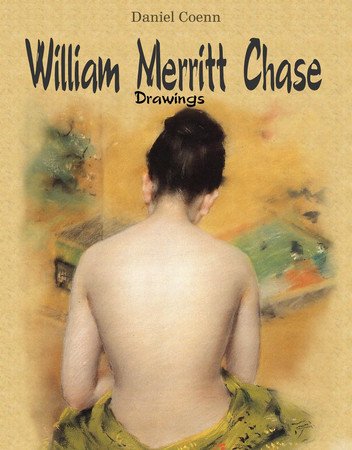
William Merritt Chase Drawings represent some of America’s finest artistic achievements from the late 19th and early 20th centuries. This e-book brings together a stunning collection of Chase’s drawing work. Moreover, it offers readers an intimate look at his creative process. The My Pocket Gallery series presents these masterpieces in an accessible digital format. Therefore, art lovers can explore Chase’s genius anytime, anywhere.
Understanding William Merritt Chase’s Artistic Legacy
William Merritt Chase transformed American art during his lifetime. He worked from 1849 to 1916, creating thousands of remarkable pieces. Furthermore, he influenced generations of artists through his teaching. His drawings showcase exceptional technical skill and artistic vision. Consequently, collectors and museums prize his work today.
The Life and Times of William Merritt Chase
Chase was born in Indiana in 1849. He showed artistic talent from an early age. His family moved to New York, where he pursued formal training. Additionally, he studied at the National Academy of Design. He later traveled to Munich for advanced instruction.
The Munich Academy shaped his early style significantly. He learned traditional European techniques there. However, he developed his own distinctive American voice. His career spanned nearly five decades of prolific creation. Meanwhile, he became one of America’s most celebrated artists.
William Merritt Chase Drawings: Mastery Across Multiple Mediums
Chase excelled in various artistic mediums throughout his career. He created stunning works in oils, pastels, and drawings. Moreover, he mastered watercolors and printmaking techniques. His versatility set him apart from his contemporaries. Therefore, studying his drawings reveals his foundational skills.
Technical Excellence in Drawing
His drawing technique demonstrated remarkable precision and confidence. He used charcoal, pencil, and ink with equal mastery. Furthermore, his line work showed both delicacy and strength. Each stroke served a specific compositional purpose. Consequently, his drawings stand as complete artworks themselves.
Pastel Innovations
Chase pioneered new approaches to pastel drawing in America. He treated pastels with the seriousness of oil painting. Additionally, he helped elevate the medium’s status. His pastel portraits captured luminous skin tones beautifully. Thus, he inspired countless artists to explore this medium.
Chase as an Influential Teacher and Mentor
Chase’s teaching career profoundly impacted American art education. He taught at several prestigious institutions throughout his life. Moreover, he founded his own art schools. His students included some of America’s greatest artists. Therefore, his influence extended far beyond his own work.
Notable Students Who Studied Under Chase
Chase mentored numerous artists who became famous themselves. His teaching philosophy emphasized individual expression and technical excellence. Furthermore, he encouraged students to find their unique voices.
His most notable students included:
- Georgia O’Keeffe, modernist pioneer
- Edward Hopper, realist master
- Marsden Hartley, early American modernist
- Charles Demuth, precisionist painter
- Rockwell Kent, painter and illustrator
- Charles Sheeler, photographer and painter
Teaching Philosophy and Methods
Chase believed in learning through direct observation and practice. He encouraged students to paint what they saw honestly. Additionally, he emphasized the importance of technical mastery. His classes often involved outdoor painting sessions. Consequently, his students developed strong observational skills.
Artistic Style and Techniques in William Merritt Chase Drawings
William Merritt Chase Drawings exhibit distinctive stylistic characteristics throughout his career. His approach combined European training with American sensibilities. Moreover, he adapted his style to different subjects. His technique evolved while maintaining consistent quality. Therefore, each period offers unique insights into his development.
Early Style Influences
Chase’s Munich training initially influenced his darker palette. He used bold brushwork and dramatic lighting effects. However, he gradually lightened his approach over time. His exposure to Impressionism transformed his color choices. Thus, his later work shows greater luminosity.
Mature Drawing Style
His mature style balanced realism with impressionistic touches. He captured essential forms with economical marks. Furthermore, he understood how to suggest detail without overworking. His compositions showed sophisticated spatial understanding. Consequently, his drawings feel both spontaneous and carefully planned.
American Impressionism and the Ten American Painters
Chase played a central role in American Impressionism’s development. He helped introduce French Impressionist ideas to American audiences. Moreover, he adapted these concepts to American subjects. His work bridged European tradition and American innovation. Therefore, he became a key figure in this movement.
Formation of the Ten American Painters
In 1898, Chase joined the Ten American Painters group. This collective included America’s leading Impressionist artists. Additionally, they exhibited together for twenty years. The group promoted Impressionist principles in American art. Thus, they shaped public taste and artistic standards.
Chase’s Role in the Group
Chase contributed significantly to the Ten’s exhibitions and reputation. His work demonstrated Impressionism’s versatility and sophistication. Furthermore, his teaching connections brought attention to the group. He helped legitimize Impressionism in conservative American art circles. Consequently, the movement gained wider acceptance.
Society of Painters in Pastel and Medium Advocacy
Chase co-founded the Society of Painters in Pastel in 1882. This organization promoted pastel as a serious artistic medium. Moreover, it organized exhibitions showcasing pastel’s possibilities. Chase served as a leading member throughout his life. Therefore, he helped establish pastel’s artistic legitimacy.
Elevating Pastel’s Status
Before Chase’s advocacy, many considered pastel a minor medium. He demonstrated its capacity for major artistic statements. Additionally, his technical innovations expanded pastel’s expressive range. His society exhibitions attracted critical attention and public interest. Thus, pastel gained recognition as a primary medium.
Famous Subjects in Chase’s Artistic Repertoire
Chase painted and drew diverse subjects throughout his career. He approached each subject with fresh enthusiasm and insight. Moreover, he found beauty in both grand and humble themes. His subject range demonstrated his versatility and curiosity. Therefore, his body of work offers remarkable variety.
Urban Parks and Public Spaces
Chase created numerous works depicting New York’s parks. He particularly loved painting in Central Park and Prospect Park. Furthermore, these works captured modern urban leisure activities. His park scenes show families, children, and fashionable strollers. Consequently, they document late 19th-century American life.
Shinnecock Landscapes
Chase spent summers teaching at Shinnecock Hills, Long Island. He created hundreds of landscape works there. Additionally, these paintings showcase his Impressionist approach to light. The rolling dunes and coastal atmosphere inspired him deeply. Thus, his Shinnecock works represent some of his finest achievements.
Portrait Mastery
Chase excelled at portraiture throughout his career. He painted society figures, fellow artists, and family members. Moreover, his portraits captured both physical likeness and personality. His drawing skills provided the foundation for these works. Therefore, studying his portrait drawings reveals his process.
Still Life Compositions
Chase created sophisticated still life arrangements regularly. He painted fish, flowers, fruits, and decorative objects. Furthermore, his still lifes demonstrated his compositional mastery. He understood how objects interact visually in space. Consequently, these works influenced American still life painting significantly.
Chase’s Philosophy of Art and Individual Expression
Chase developed a clear artistic philosophy throughout his career. He believed art should express individual vision and experience. Moreover, he rejected rigid academic rules and formulas. His teaching emphasized personal development over imitation. Therefore, he encouraged authentic artistic voices.
Beauty in Everyday Life
Chase found artistic subjects everywhere in daily life. He believed beauty existed in ordinary moments and objects. Additionally, he taught students to observe their surroundings carefully. His work demonstrated that any subject could inspire art. Thus, he democratized artistic subject matter.
Technical Excellence as Foundation
Chase insisted on strong technical skills as essential. He believed mastery freed artists to express themselves fully. Furthermore, he practiced constantly to maintain his abilities. His drawings show the results of disciplined practice. Consequently, his work combines spontaneity with control.
Individual Vision Over Fashion
Chase encouraged artists to develop personal styles. He warned against merely following current trends. Moreover, he valued authenticity over commercial success. His own work evolved according to internal development. Therefore, his career demonstrates artistic integrity.
The My Pocket Gallery Series: Accessible Art Education
The My Pocket Gallery series makes great art accessible to everyone. It presents museum-quality reproductions in convenient digital formats. Moreover, these e-books offer educational context and analysis. Readers can build personal art libraries affordably. Therefore, the series democratizes art appreciation and education.
Digital Convenience and Portability
Digital formats allow readers to carry entire collections anywhere. They can study artworks on various devices easily. Additionally, digital books never deteriorate or require storage space. Readers can zoom in to examine details closely. Thus, technology enhances art appreciation opportunities.
Educational Value for All Levels
These e-books serve both beginners and experienced art lovers. They provide historical context and artistic analysis. Furthermore, they help readers understand artistic techniques and movements. The format encourages repeated viewing and study. Consequently, readers deepen their appreciation over time.
What Readers Will Discover in William Merritt Chase Drawings
This comprehensive collection offers extensive insights into Chase’s drawing practice. Readers will explore his technical mastery across different mediums. Moreover, they’ll see how his style evolved throughout his career. The e-book includes examples from various periods and subjects. Therefore, it provides a complete overview of his drawing achievements.
Technical Insights and Artistic Process
The collection reveals Chase’s working methods and techniques. Readers can observe his approach to composition and form. Additionally, they’ll understand his mark-making strategies. His drawings show how he built up complex images. Thus, aspiring artists gain valuable practical knowledge.
Historical and Cultural Context
William Merritt Chase Drawings appear within their historical framework in this e-book. Readers learn about late 19th-century American art movements. Furthermore, they understand Chase’s role in American art development. The book explains his influence on subsequent generations. Consequently, readers gain comprehensive cultural understanding.
Inspiration for Contemporary Artists
Chase’s work continues inspiring artists today. His approach to observation remains relevant and valuable. Moreover, his technical excellence sets a standard worth pursuing. Contemporary artists can learn from his compositional strategies. Therefore, this collection serves as an ongoing educational resource.
Building Art Historical Knowledge
This e-book helps readers develop broader art historical understanding. They learn to recognize Chase’s distinctive style and contributions. Additionally, they can compare his work with contemporaries. The collection supports developing visual literacy skills. Thus, readers become more sophisticated art appreciators.
Conclusion: The Enduring Legacy of William Merritt Chase
William Merritt Chase left an indelible mark on American art. His drawings demonstrate exceptional skill and artistic vision. Moreover, his teaching influenced countless important artists. His advocacy elevated various artistic mediums and movements. Therefore, his legacy continues shaping American art today.
William Merritt Chase Drawings by Daniel Coenn preserves this important legacy. The My Pocket Gallery series makes his work accessible to modern audiences. Furthermore, it provides educational context that enriches understanding. This e-book serves as both reference and inspiration. Consequently, it belongs in every art lover’s digital library.
Chase’s belief in individual expression remains powerfully relevant. His technical mastery inspires continued excellence in artistic practice. Additionally, his diverse subject matter demonstrates art’s universal possibilities. This collection celebrates his achievements while encouraging new artistic exploration. Thus, Chase’s vision lives on through continued study and appreciation.




Reviews
There are no reviews yet.