

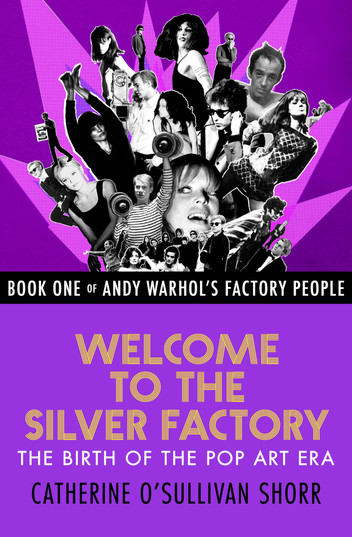
Description
Welcome to the Silver Factory: A Deep Dive into the Pop Art Era and Warhol’s Legendary Studio
Introduction to the Silver Factory Pop Art Era
The Silver Factory Pop Art Era transformed American art forever. Catherine O’Sullivan Shorr’s “Welcome to the Silver Factory” captures this revolutionary moment. Her book explores Andy Warhol’s iconic studio and the creative explosion that happened there. Furthermore, it reveals the people who made the Factory scene unforgettable. This comprehensive e-book takes readers inside Warhol’s world during the 1960s. Moreover, it shows how Pop Art became a cultural phenomenon.
The Factory wasn’t just a studio. Instead, it was a creative laboratory where art met celebrity culture. Additionally, it served as a gathering place for artists, musicians, and misfits. Warhol created his most famous works within these silver-painted walls. Therefore, understanding the Factory means understanding modern art itself.
The Birth of Warhol’s Factory and the Pop Art Movement
Andy Warhol established his first Factory in 1962. He chose a fifth-floor loft on East 47th Street in Manhattan. Subsequently, he covered everything in silver paint and aluminum foil. This created the iconic “Silver Factory” aesthetic that defined an era. The space became legendary almost immediately.
Warhol’s vision was radical and unprecedented. He wanted to blur the lines between high art and commercial culture. Consequently, he created works featuring Campbell’s soup cans and Coca-Cola bottles. He also produced silk-screen portraits of celebrities like Marilyn Monroe. These pieces challenged traditional notions of what art could be.
The Pop Art movement emerged as a response to Abstract Expressionism. Artists wanted to embrace popular culture rather than reject it. Therefore, they incorporated advertising imagery, comic books, and consumer products. Warhol became the movement’s most famous figure because of his unique approach.
Inside the Silver Factory Pop Art Era: The People and Culture
Catherine O’Sullivan Shorr focuses extensively on the Factory’s inhabitants. These weren’t typical art world figures. Instead, they were drag queens, socialites, musicians, and underground filmmakers. Warhol called them his “superstars” and made them central to his work.
The Factory operated with few rules or boundaries. People came and went freely throughout the day and night. Meanwhile, Warhol worked on multiple projects simultaneously. He created paintings, made experimental films, and produced The Velvet Underground. The energy was electric and unpredictable.
Key figures included:
- Edie Sedgwick: The beautiful socialite who became Warhol’s muse
- Billy Name: The photographer who created the silver aesthetic
- Gerard Malanga: Warhol’s assistant and collaborator on silk-screens
- Nico: The German model and Velvet Underground vocalist
- Paul Morrissey: The filmmaker who directed many Factory productions
- Candy Darling: The transgender actress and Warhol superstar
- Ultra Violet: The artist and writer who documented Factory life
These individuals weren’t just subjects for Warhol’s art. Rather, they were collaborators who shaped the Factory’s creative output. Their personalities and stories became inseparable from the work itself.
The Creative Process Behind Pop Art Era Masterpieces
Shorr’s book reveals how Warhol actually created his famous works. He developed the silk-screen printing technique to mass-produce images. This method allowed him to create multiple versions of the same artwork. Furthermore, it reflected his fascination with repetition and consumer culture.
Warhol often employed assistants to help with production. He believed art could be manufactured like any other product. Therefore, he challenged the romantic notion of the solitary artistic genius. His approach was revolutionary and controversial.
The Factory produced an astonishing variety of work. Warhol created paintings, prints, sculptures, and films simultaneously. He also designed album covers and magazine layouts. Additionally, he hosted parties that became legendary social events. The Factory was truly a multimedia creative enterprise.
The Silver Factory’s Impact on American Culture
The Factory scene influenced far beyond the art world. It affected fashion, music, film, and popular culture broadly. Moreover, it anticipated many aspects of contemporary celebrity culture. Warhol understood that fame itself could be an art form.
The Velvet Underground recorded their first album at the Factory. Warhol produced the record and designed its iconic banana cover. This collaboration brought underground music into the mainstream consciousness. Consequently, it influenced countless musicians who followed.
Warhol’s films challenged conventional cinema. He created experimental works such as “Sleep” and “Empire.” These films tested viewers’ patience and expectations. However, they also expanded possibilities for what film could be. His approach influenced independent filmmakers for decades.
Catherine O’Sullivan Shorr’s Unique Perspective
Shorr brings special insight to this story. She conducted extensive research and interviewed many Factory participants. Therefore, her account includes firsthand testimonies and personal recollections. The book feels intimate and authentic because of this approach.
She doesn’t romanticize the Factory experience. Instead, she presents both its creative triumphs and darker aspects. The Factory scene involved drug use, exploitation, and tragedy. Shorr addresses these realities honestly while celebrating the artistic achievements.
Her writing style makes complex art history accessible. She avoids academic jargon and writes clearly. Furthermore, she structures the narrative chronologically for easy understanding. Readers don’t need a background in art history to appreciate her work.
The Legacy of the Silver Factory Pop Art Era Today
The Factory’s influence remains powerful in contemporary culture. Modern artists still reference Warhol’s techniques and themes. Additionally, his ideas about celebrity and mass production feel increasingly relevant. Social media has made everyone potentially famous, just as Warhol predicted.
Museums worldwide continue exhibiting Warhol’s Factory-era works. These pieces command astronomical prices at auction. Moreover, they attract huge crowds wherever they’re shown. The public’s fascination with this period hasn’t diminished.
Contemporary artists acknowledge Warhol’s lasting impact. His approach to collaboration and multimedia work remains influential. Therefore, understanding the Factory helps us understand current art practices. The Pop Art movement he championed changed visual culture permanently.
Why Read “Welcome to the Silver Factory”?
This book offers several unique benefits for readers:
- Comprehensive coverage of the Factory’s most creative period
- Personal stories from the people who were actually there
- Clear explanations of Pop Art techniques and philosophy
- Historical context that makes the era come alive
- Accessible writing that engages both experts and newcomers
- Rare photographs and documentation from the period
- Honest assessment of both achievements and controversies
Shorr’s book effectively serves multiple audiences. Art students gain valuable historical knowledge. General readers enjoy fascinating stories about colorful personalities. Furthermore, Warhol enthusiasts discover new details about familiar subjects.
Conclusion: Understanding a Revolutionary Moment
“Welcome to the Silver Factory” captures a unique moment in cultural history. The Pop Art Era that Warhol helped create changed how we think about art. Moreover, it transformed our relationship with popular culture and celebrity. Catherine O’Sullivan Shorr’s book makes this revolutionary period accessible and engaging.
The Factory wasn’t perfect, but it was undeniably important. It brought together diverse talents and created groundbreaking work. Additionally, it challenged social conventions and artistic traditions. Understanding this history helps us better understand contemporary culture.
Readers who explore this book will discover a fascinating world. They’ll meet unforgettable characters and witness artistic innovation. Furthermore, they’ll understand how the Silver Factory Pop Art Era continues to influence us today. Shorr has created an essential guide to this transformative period.



Reviews
There are no reviews yet.